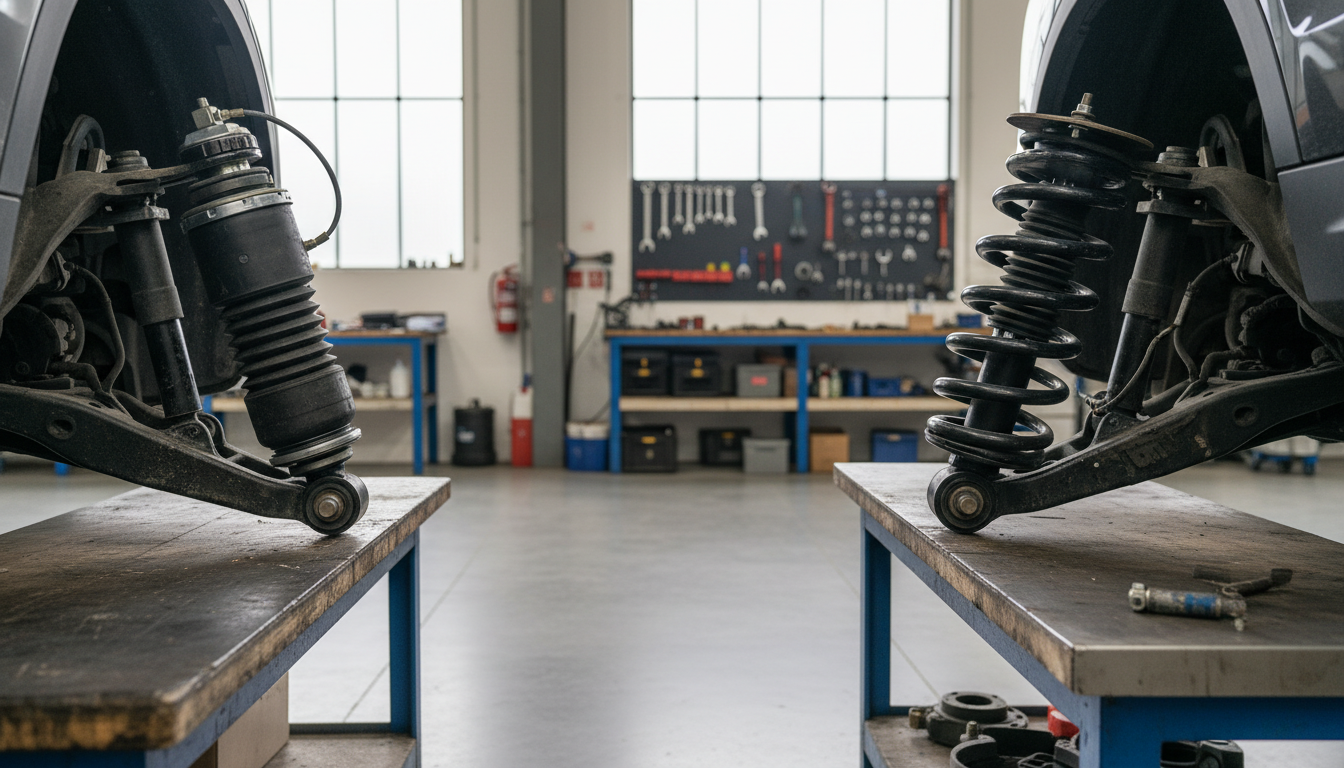
Deciding between air suspension and traditional coil springs for your truck isn't a simple choice. Both systems have their place, and what's best for one driver might be all wrong for another. You need to think about how you use your truck, what kind of ride you expect, and what you're willing to spend on maintenance down the road. Let's break down the differences so you can make an informed decision.
What to look for
Ride quality and comfort
This is often the first thing people notice. Air suspension systems are designed to provide a smoother, more controlled ride. They can adapt to road conditions and load changes, keeping your truck level and absorbing bumps better than a static coil spring setup. If you're driving long distances, hauling precious cargo, or just prefer a Cadillac-like ride in your truck, air suspension is hard to beat. Coil springs, on the other hand, offer a consistent ride. It's not necessarily bad, but it won't adapt. A truck with heavy-duty coil springs might feel stiff when empty, but ride well when loaded.
Load carrying and towing capacity
This is where air suspension really shines for many truck owners. With air bags, you can adjust the spring rate and ride height to compensate for heavy loads or a trailer. This keeps your truck level, improves stability, and prevents the dreaded 'squat' that can happen with traditional springs. If you frequently tow heavy trailers or carry significant weight in your bed, an air suspension system can make a huge difference in safety and handling. Coil springs have a fixed load capacity. Once you exceed that, or even get close, you'll notice the rear end sagging, which can affect steering and braking. You can upgrade to heavier-duty coil springs, but then your empty ride quality will suffer even more.
Durability and reliability
Coil springs are about as simple as it gets: a piece of metal wound into a coil. They're incredibly durable and rarely fail unless subjected to extreme abuse or corrosion over many years. When they do fail, it's usually a fracture, and they're relatively inexpensive to replace. Air suspension systems are more complex. They involve air bags, an air compressor, air lines, sensors, and a control module. More components mean more potential points of failure. Air leaks in the bags or lines, compressor failures, or sensor issues are all common problems. While modern air suspension systems are much more reliable than older ones, they still require more attention and can be more expensive to fix when something goes wrong. I've seen plenty of trucks come in with leaky air bags, especially in colder climates where the rubber gets brittle.
Cost of ownership and maintenance
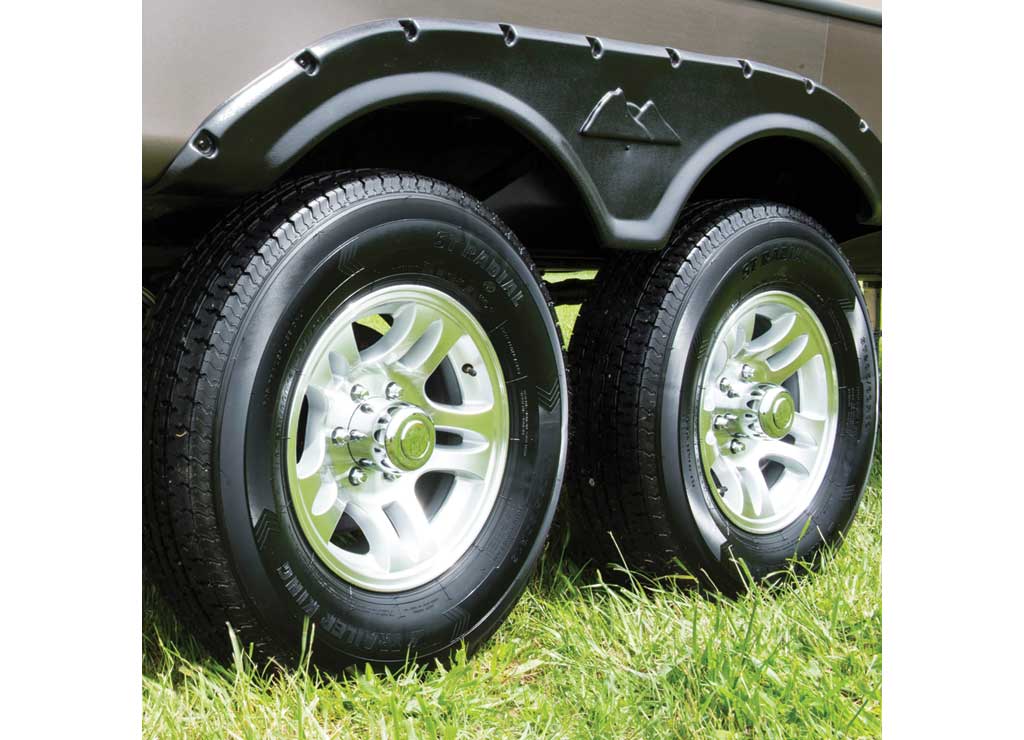
Initial cost is usually higher for air suspension. The components themselves are more expensive, and installation is more involved. Maintenance for coil springs is minimal — essentially none, beyond checking for damage. For air suspension, you'll want to regularly check for leaks and ensure the compressor is functioning correctly. When repairs are needed, they can be costly. Replacing an air bag can be hundreds of dollars, and a new compressor can run even higher. A new coil spring, like the Lippert Components 4-Leaf Double Eye Spring 3000 Pound 2 Inch (MPN: 702096), costs just $42.39. Compare that to the potential cost of an air bag and associated labor. This is a big factor in the air suspension vs coil springs debate.
Off-road capability
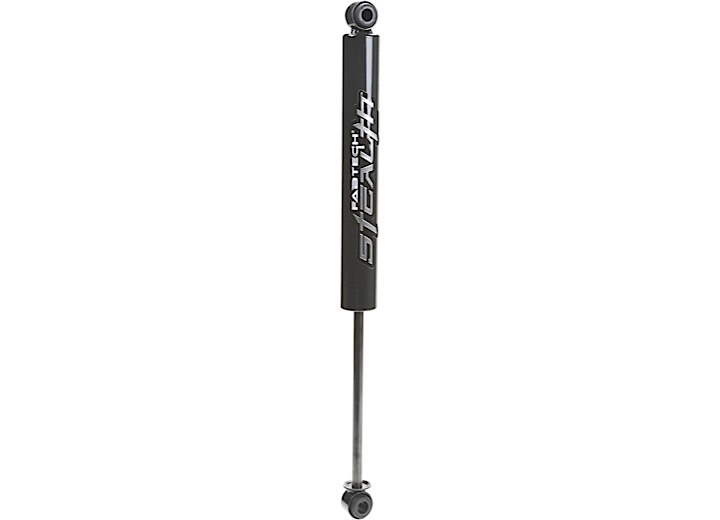
For serious off-roading, the debate gets interesting. Air suspension can offer variable ride height, which is great for clearing obstacles. You can lift the truck when you need extra ground clearance and lower it for easier entry/exit. However, the complexity of air suspension can be a liability in harsh off-road environments. Punctured air bags or damaged lines are a real concern. Coil springs, especially heavy-duty or aftermarket off-road specific coils, are incredibly robust. They can take a beating without much worry. Many dedicated off-roaders prefer the simplicity and ruggedness of a coil spring setup, often paired with high-performance shocks like the Fabtech Stealth Monotube Shock Absorber (MPN: FTS6349 or FTS6352) for improved articulation and damping.
Quick comparison
| Feature | Air Suspension | Coil Springs |
|---|---|---|
| Ride Comfort | Excellent, adjustable, smooth | Good, consistent, can be stiff when empty |
| Load Capacity | Variable, self-leveling, ideal for heavy loads | Fixed, can sag with heavy loads |
| Durability | More complex, more potential failure points | Very durable, simple, few failure points |
| Cost | Higher initial, higher repair | Lower initial, minimal repair |
| Off-Road | Adjustable height, but vulnerable components | Rugged, reliable, fixed height |
Top picks
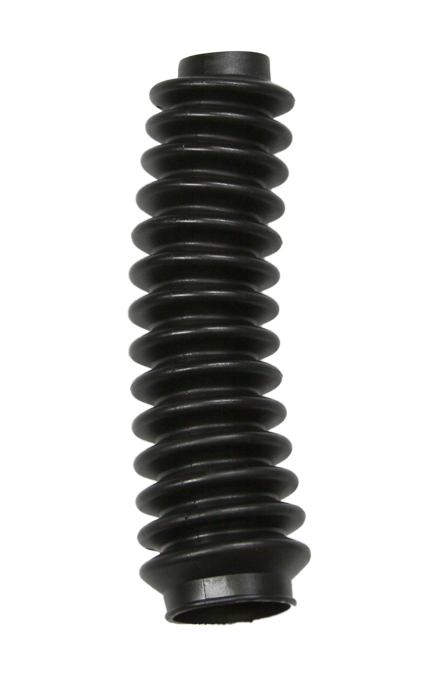
For suspension components, it's not always about a single 'best' part, but rather the right part for your setup. For traditional leaf spring applications, a robust spring like the Lippert Components 4-Leaf Double Eye Spring 3000 Pound 2 Inch is a solid choice. It's built for durability and load-carrying, and at $42.39, it's a cost-effective way to refresh your leaf-sprung suspension. If you're running a coil-over setup, you'll be looking at specific coils designed for your shock body, but you'll still need quality shock absorbers. For those running a Jeep Wrangler JK, the Fabtech Stealth Monotube Shock Absorber Rear (MPN: FTS6349) is a high-performance option at $89.95, designed to provide excellent damping and control. Don't forget the small but important parts, like a Skyjacker Black Shock Boot (MPN: B10K) for just $5.04, to protect your shock shafts from debris and extend their life.
How to verify fitment before buying
Always, always verify fitment before you buy any suspension component. For coil springs, you need to know your truck's make, model, year, and often whether it's 2WD or 4WD, and what engine it has. Many manufacturers also specify whether the spring is for the front or rear, and if it's for a specific lift height. For example, a spring designed for a 2-inch lift won't work correctly on a stock height truck. Check the product description carefully for any OEM part numbers or cross-references. If you're looking at a leaf spring like the Lippert Components 4-Leaf Double Eye Spring, you'll need to confirm the length, width, and number of leaves match your existing setup or the requirements for your application.
For air suspension components, fitment is even more critical. Air bags are specific to the vehicle's make, model, year, and sometimes even trim level. The compressor and control module also need to be compatible with your truck's electrical system. Always use the vehicle selector tools on parts websites. If in doubt, call the manufacturer or a reputable parts supplier with your VIN. It's much easier to confirm fitment upfront than to deal with returns and downtime because you ordered the wrong part. Don't guess. The last thing you want is to have your truck up on jacks and realize you have the wrong parts.
Top picks
Frequently asked questions
What are the main benefits of air suspension?
Air suspension offers superior ride comfort, adjustable ride height for varying loads, and improved towing stability. It can automatically level your truck, preventing sag when hauling heavy trailers or cargo, which enhances both safety and handling characteristics.
Why would someone choose coil springs over air suspension?
Coil springs are generally more durable, simpler in design, and less expensive to purchase and maintain. They are a reliable choice for drivers who prioritize ruggedness and lower long-term costs, especially for off-road use where complex systems can be vulnerable.
Is air suspension good for off-roading?
Air suspension can be beneficial for off-roading due to its adjustable ride height, allowing for increased ground clearance. However, the system's complexity and components like air bags and lines can be more susceptible to damage in harsh off-road conditions compared to robust coil springs.
How much more expensive is air suspension to repair?
Air suspension repairs are typically more expensive than coil spring repairs. Replacing components like air bags, compressors, or sensors can cost hundreds of dollars, whereas a new coil spring might only be around $40-$50, plus labor for either system.