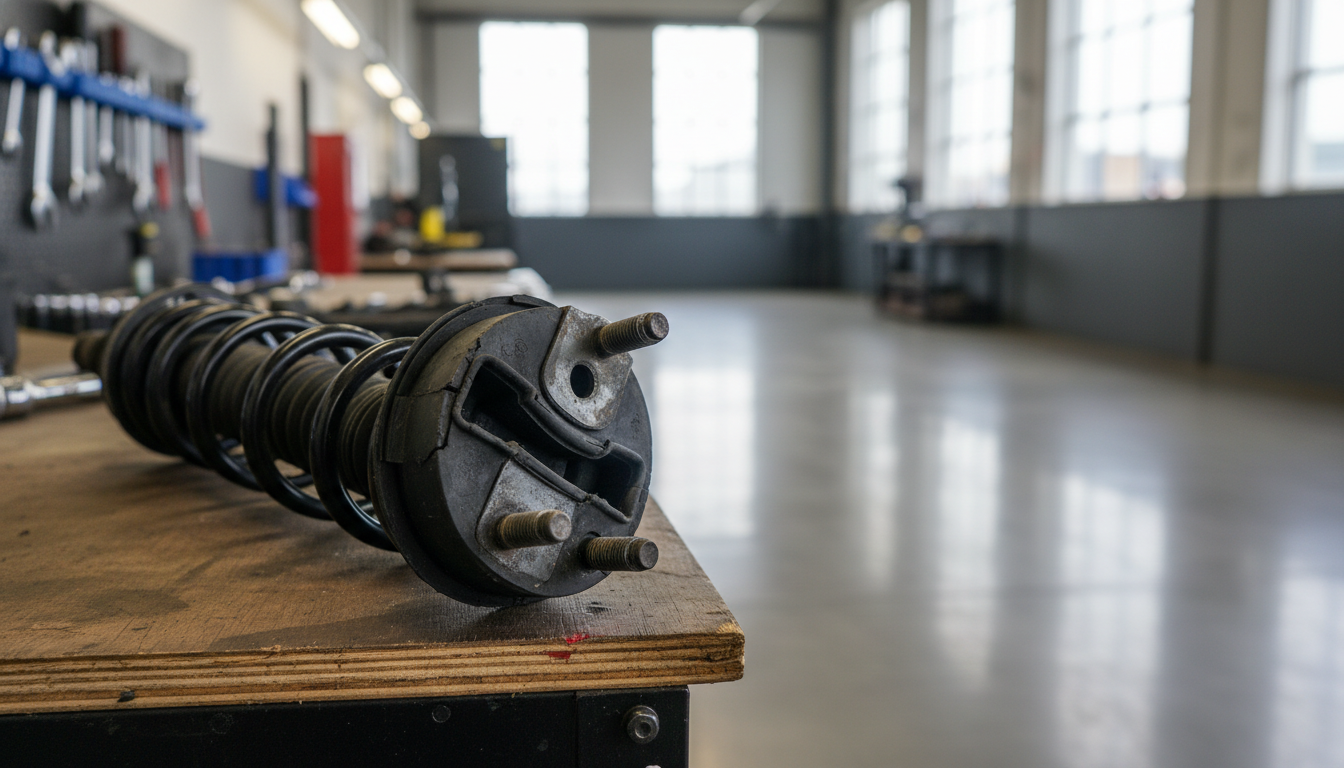
If you're hearing strange noises from your vehicle's suspension, especially a clunk or pop, a bad strut mount might be the culprit. The strut mount is a crucial component that connects the top of your strut assembly to the vehicle's chassis. It isolates road noise and vibrations, and it also allows the strut to pivot when you steer. When it goes bad, you'll definitely notice.
Most common causes
| Cause | Likelihood | DIY-fixable? |
|---|---|---|
| Worn rubber insulator | High | Yes |
| Seized bearing | Medium | Yes |
| Loose mounting bolts | Low | Yes |
| Rust/corrosion | Medium | Yes |
| Impact damage (pothole) | Low | Yes |
The most common issue I see with strut mounts is the rubber insulator failing. Over time, heat, cold, and constant vibration cause the rubber to crack, harden, and eventually separate. This lets the metal-on-metal contact happen, which is where those clunks and pops come from. The bearing, if your vehicle has one integrated, can also seize up. This makes steering stiff or causes a binding sensation.
How to diagnose
Diagnosing a bad strut mount takes a bit of patience and a good ear, but it's something you can do at home. You're trying to isolate the noise to the top of the strut assembly.
- Listen carefully: Drive slowly over speed bumps, potholes, or uneven pavement. Pay attention to when the noise occurs. Is it a single clunk when you hit a bump, or a continuous popping when turning the steering wheel? This helps narrow down if it's the rubber or the bearing.
- Visual inspection: Park your vehicle on a level surface. Open the hood and locate the top of the strut towers. You'll see the strut mount bolted to the chassis. Look for any visible cracks in the rubber, rust, or signs of the strut shaft moving excessively within the mount. Sometimes, you'll even see the strut shaft pushed up through the mount if it's completely failed.
- The bounce test: Push down firmly on the fender above the suspected strut mount. Release quickly. The vehicle should rebound once and settle. If it bounces multiple times or you hear a clunking sound, that's a red flag. This test is more for the strut itself, but a completely failed mount can contribute to excessive bounce.
- The steering test: With the vehicle safely on the ground, turn the steering wheel slowly from lock to lock. Listen for any binding, grinding, or popping noises coming from the strut tower area. If you hear a grinding or popping, especially when turning at low speeds, the strut bearing is likely seized or heavily worn.
- Lift and inspect: This is the most thorough way. Safely lift the front of your vehicle and support it with jack stands. Grab the wheel at 12 and 6 o'clock and try to rock it. Then grab it at 9 and 3 o'clock and rock it. You're checking for play. If you feel movement, it could be a ball joint, tie rod, or wheel bearing, but also check the strut mount for any play where the strut shaft passes through. While the wheel is off, you can often get a better view of the strut mount from underneath the fender well.
I always check the strut mount bolts for proper torque when I'm under a vehicle for any suspension work. It's rare, but sometimes a loose bolt can cause a clunk that mimics a bad mount. Consult your service manual for the correct torque specifications for your specific vehicle. Remember, the torque specs can vary widely, so it's crucial to have that information on hand.
Parts that commonly need replacing
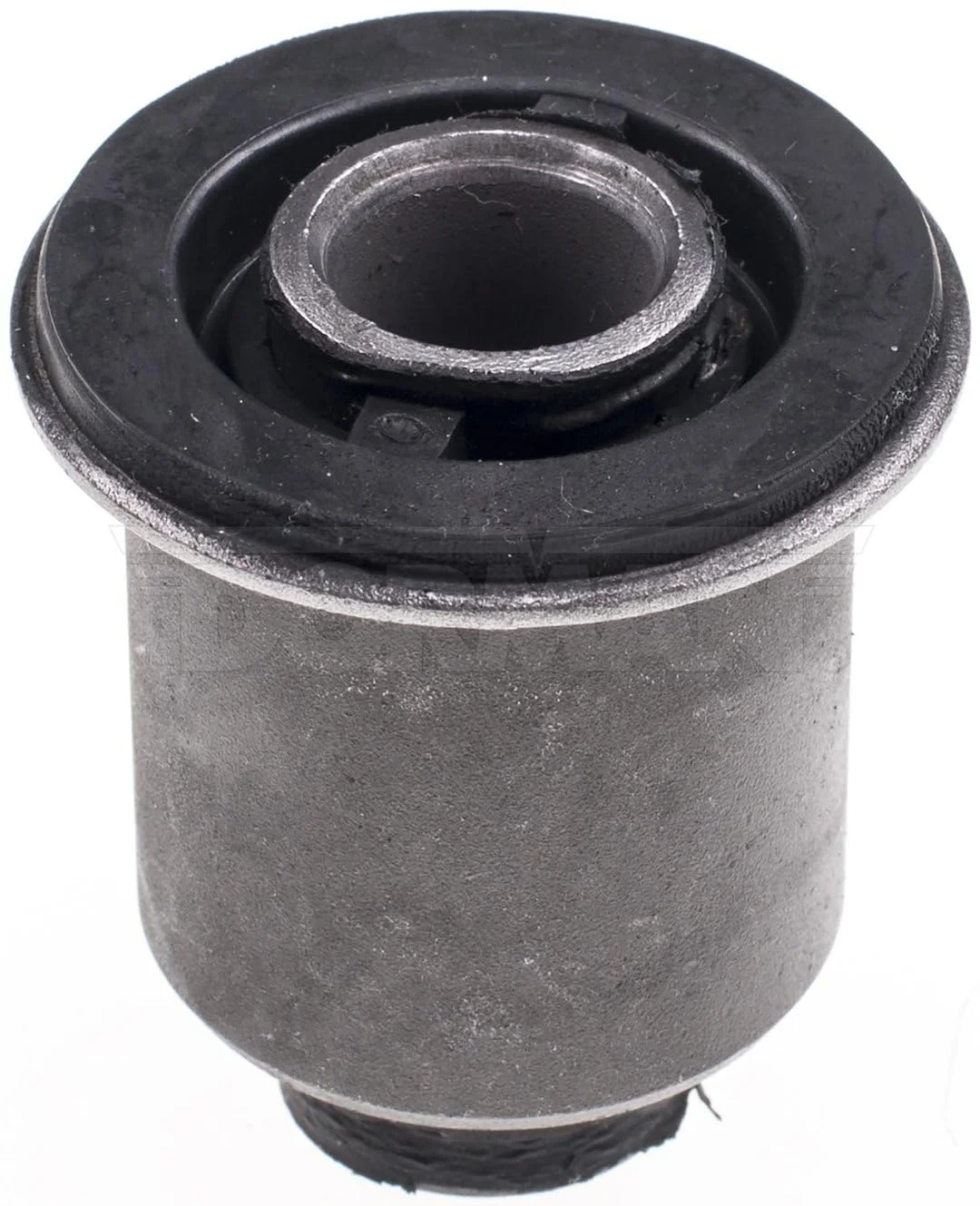
When a strut mount fails, you're usually replacing the entire mount assembly. This includes the rubber insulator and the bearing (if integrated). Sometimes, if the strut itself is old or leaking, it's a good idea to replace the strut at the same time, since you're already doing most of the labor to get to it. You might also find other suspension components worn out, like control arm bushings. For example, a Dorman Control Arm Bushing, like part number BC34009PR, costs only $5.03 and we have 8 in stock. While not a strut mount, worn bushings can create similar noises.
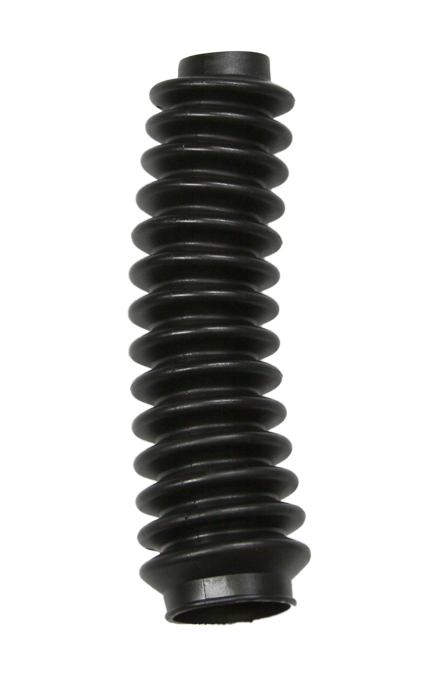
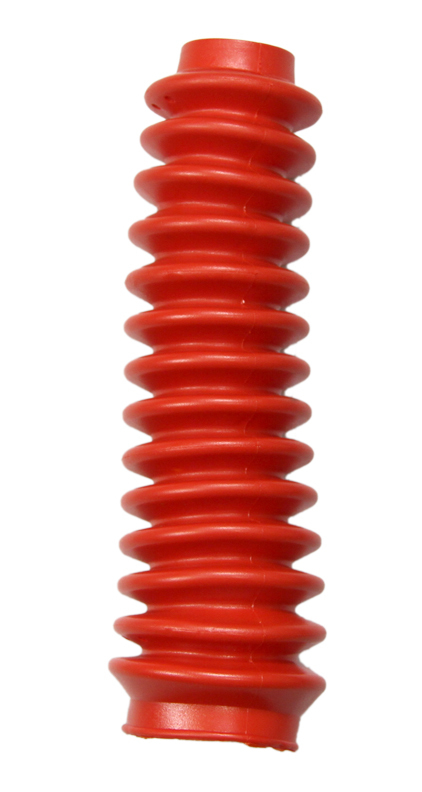
If you're replacing shocks or struts, don't forget the small but important parts like shock boots. A Skyjacker Black Shock Boot (MPN B10K) is $5.04 and we have 100 in stock, or a Skyjacker Universal Red Rubber Shock Boot (MPN B10R) is also $5.04 with 11 in stock. These protect the strut shaft from debris and extend its life. Neglecting these can lead to premature wear on your struts, which can be costly in the long run.
When to take it to a shop
Replacing a strut mount involves disassembling the strut assembly, which often requires a spring compressor. This tool can be dangerous if not used correctly. If you're not comfortable with using a spring compressor, or if you don't have the right tools, it's best to take your vehicle to a professional shop. They have specialized equipment and experience to do the job safely and correctly. Also, if you've diagnosed multiple issues or you're unsure about the source of the noise after your inspection, a professional can pinpoint the problem accurately. Don't hesitate to seek help if you're feeling out of your depth; it's better to be safe than sorry.
Top picks
Frequently asked questions
What does a bad strut mount sound like?
A bad strut mount typically produces a clunking or popping noise. You'll often hear it when going over bumps, potholes, or uneven surfaces. If the bearing is failing, you might also hear a grinding or binding sound when turning the steering wheel at low speeds.
Can you drive with a bad strut mount?
While you can technically drive with a bad strut mount, it's not recommended. It can lead to poor steering response, increased road noise and vibration, and uneven tire wear. In severe cases, it could affect vehicle control and safety, so it's best to address it promptly.
How long do strut mounts last?
Strut mounts generally last between 50,000 and 100,000 miles, but this can vary widely based on driving conditions, road quality, and vehicle type. Harsh environments with many potholes or rough roads will accelerate wear on the rubber and bearing components.
Do I need an alignment after replacing a strut mount?
Yes, it is highly recommended to get a wheel alignment after replacing strut mounts. Even though the mount itself doesn't directly adjust alignment, removing and reinstalling the strut assembly can alter camber and toe settings. An alignment ensures proper tire wear and handling.