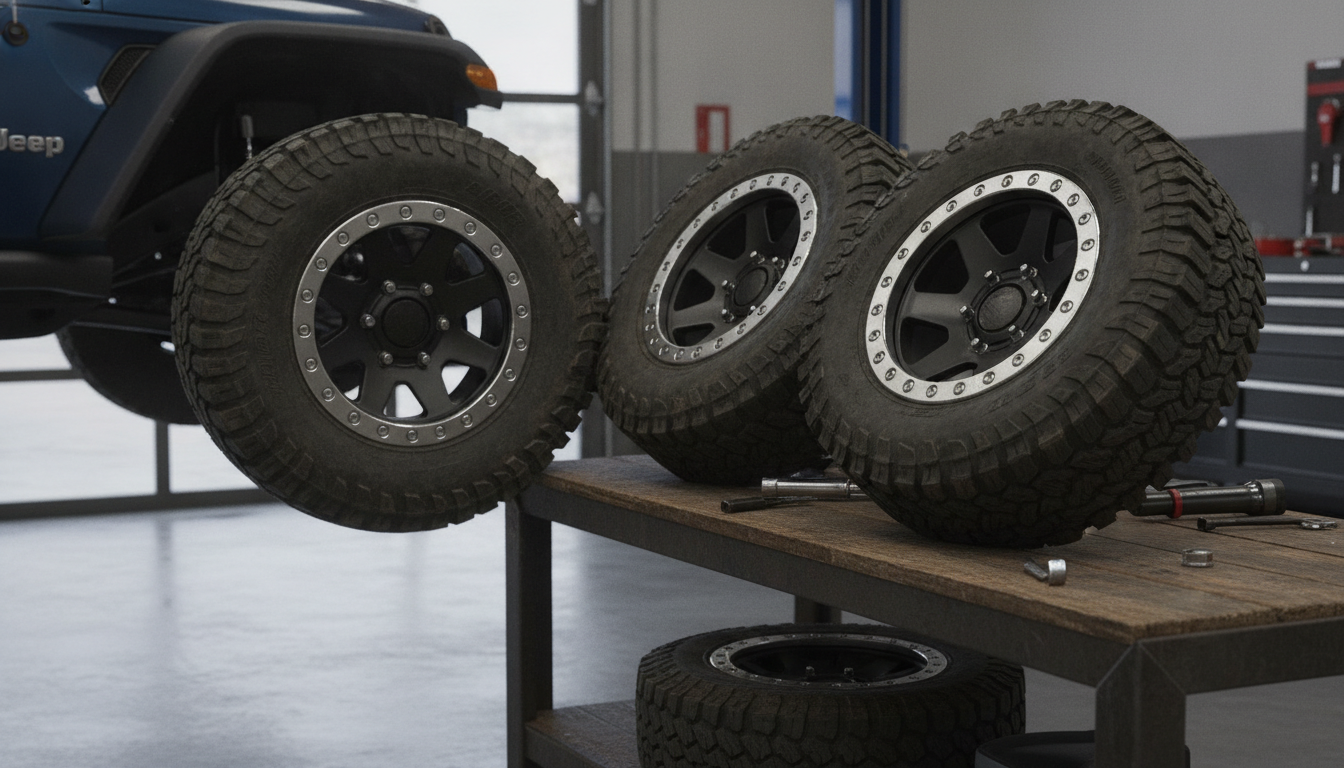
If you're into serious off-roading, you've probably heard the term "beadlock wheels." They look aggressive, and they're often seen on highly modified rigs tackling insane terrain. But what exactly are they, and do you actually need them for your setup? Let's break it down.
Regular wheels rely on air pressure to push the tire's bead against the wheel's rim, creating a seal. This works great for daily driving and light off-roading. But when you air down your tires significantly for better traction on loose surfaces or rocks, that internal pressure drops. With less pressure, it's easier for the tire bead to separate from the wheel. This is called "bead unseating," and it leads to an instant flat tire, often at the worst possible moment.
This is where beadlock wheels come in. They're designed to mechanically clamp the tire bead to the wheel. Instead of just air pressure, a beadlock uses a ring and a series of bolts to physically squeeze the outer bead of the tire against the wheel's rim. This creates an incredibly strong connection that won't let go, even at single-digit PSI or when the tire is heavily stressed sideways.
What to look for
True beadlock vs. simulated beadlock
First off, know the difference. Many aftermarket wheels have what looks like a beadlock ring, but it's purely cosmetic. These are often called "simulated beadlocks" or "faux beadlocks." They're just for looks and offer no functional benefit for bead retention. A true beadlock wheel will have a visible outer ring with numerous bolts (often 16-32) that clamp down on the tire bead. If you're buying them for function, make sure they're the real deal.
Construction materials
Beadlock wheels are typically made from cast aluminum, forged aluminum, or steel. Forged aluminum is generally the strongest and lightest, but also the most expensive. Cast aluminum is a common balance of strength and cost. Steel beadlocks are incredibly durable and often used for heavy-duty applications or rock crawling where impact resistance is paramount, but they're also very heavy. Consider the type of abuse your wheels will see.
Bolt pattern and offset
Just like any wheel, beadlocks need to match your vehicle's bolt pattern and offset. The bolt pattern (e.g., 5x127, 6x139.7) ensures the wheel physically mounts to your hub. Offset determines how far the wheel sticks out or tucks in. Proper offset is crucial for tire clearance, steering geometry, and avoiding rubbing issues, especially with larger tires. Don't guess here; consult your vehicle's specifications or a wheel fitment guide.
DOT compliance
This is a big one. Most true beadlock wheels are not DOT (Department of Transportation) approved for street use. The reason is simple: the clamping mechanism, while strong, can be prone to loosening over time if not meticulously maintained. If a beadlock ring comes loose at highway speeds, it's a major safety hazard. Some manufacturers offer "street legal" beadlocks, but these often use a different design or are technically "internal beadlocks" that don't have the exposed ring. Always verify local regulations and the wheel's specific compliance if you plan to drive on public roads. For dedicated trail rigs, it's less of a concern.
Maintenance considerations
Beadlock wheels require more maintenance than standard wheels. Those numerous bolts need to be checked and re-torqued periodically, especially after initial installation and after hard off-road use. I've seen plenty of guys lose a few bolts on the trail because they skipped this. It's not a set-it-and-forget-it deal. You'll also want to inspect the ring and wheel for damage, as impacts can bend the ring or distort the mounting surface, compromising the seal.
Quick comparison
| Feature | Standard Wheel | True Beadlock Wheel | Simulated Beadlock Wheel |
|---|---|---|---|
| Bead Retention | Air pressure | Mechanical clamp + air | Air pressure |
| Low PSI Use | High risk of unseating | Very low risk of unseating | High risk of unseating |
| Street Legal | Yes | Generally No (check laws) | Yes |
| Maintenance | Low | High (bolt checks) | Low |
| Cost | Low to moderate | High | Moderate |
| Weight | Moderate | High | Moderate |
Top picks
For those looking to secure their wheels, you'll need the right hardware. While we don't carry full beadlock wheel assemblies, we do have essential components that go into keeping your wheels secure, especially when dealing with the forces beadlocks are designed to withstand.
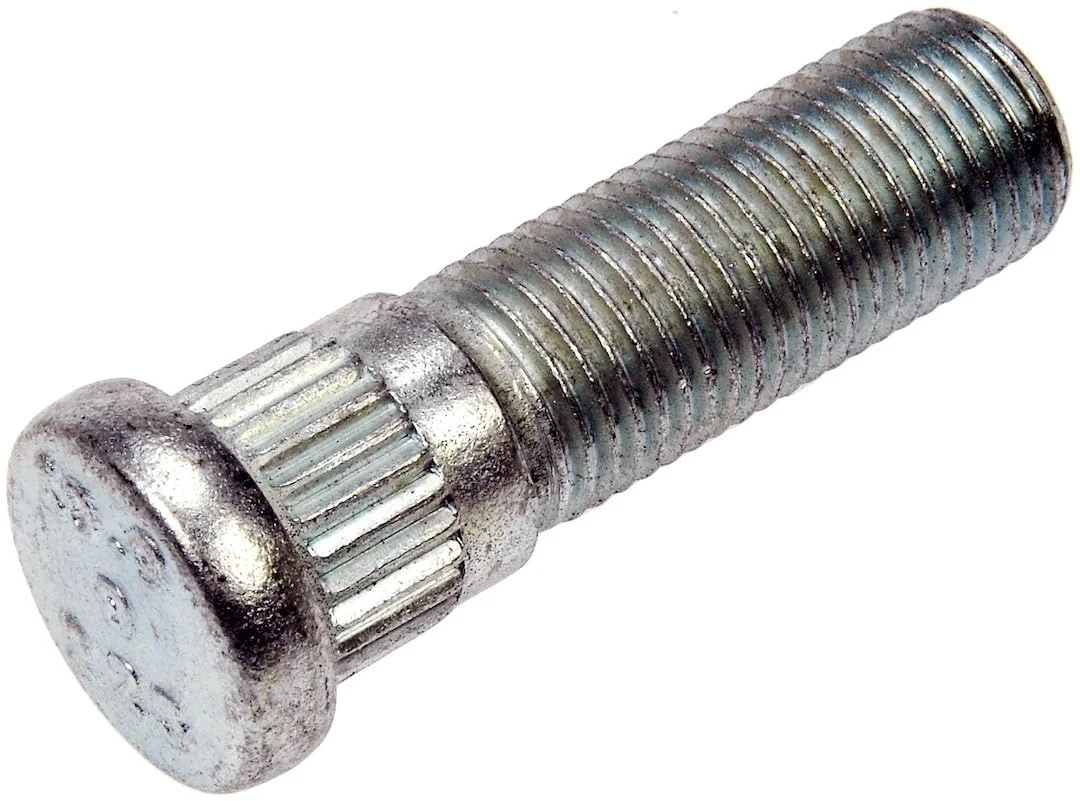
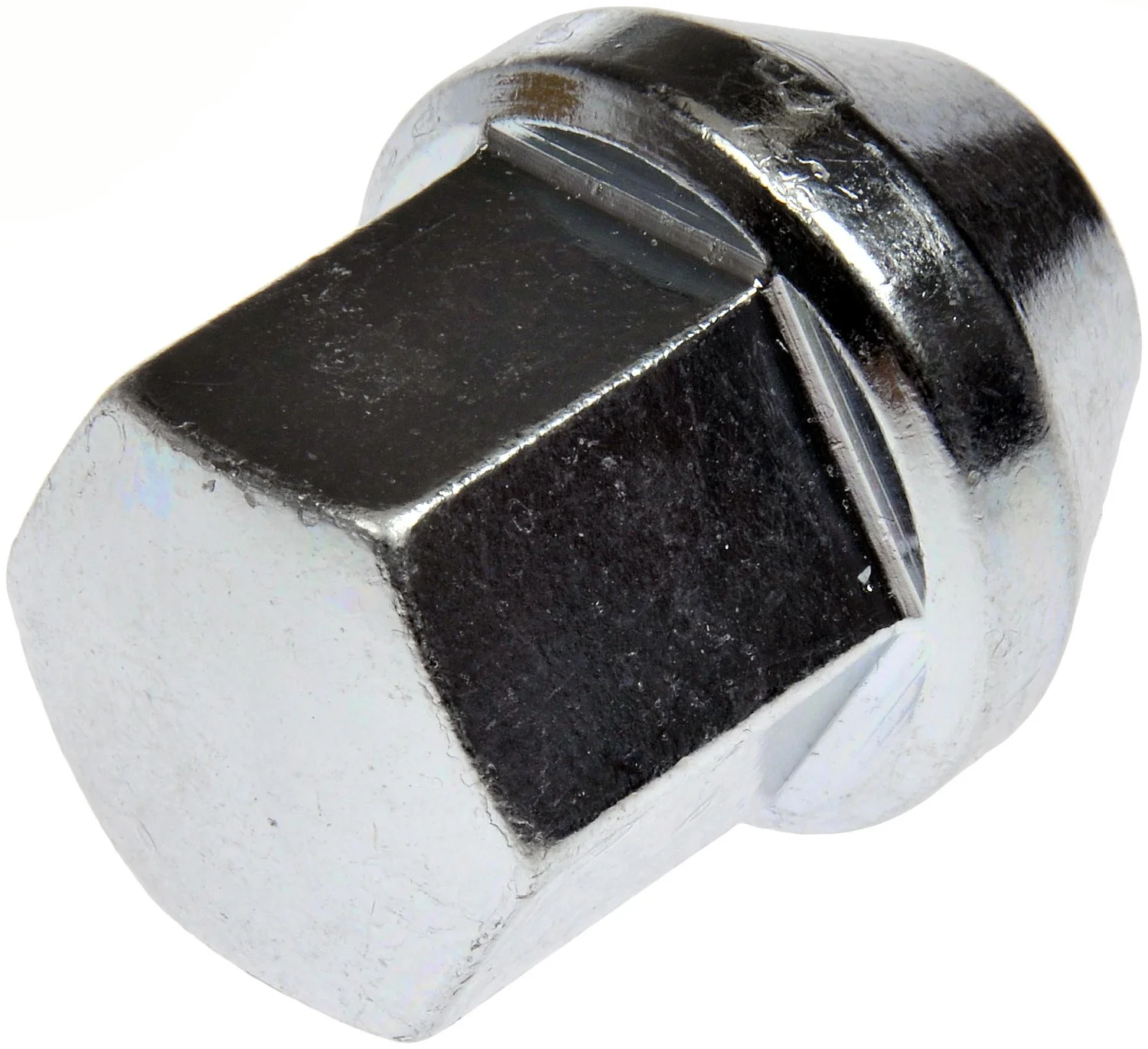
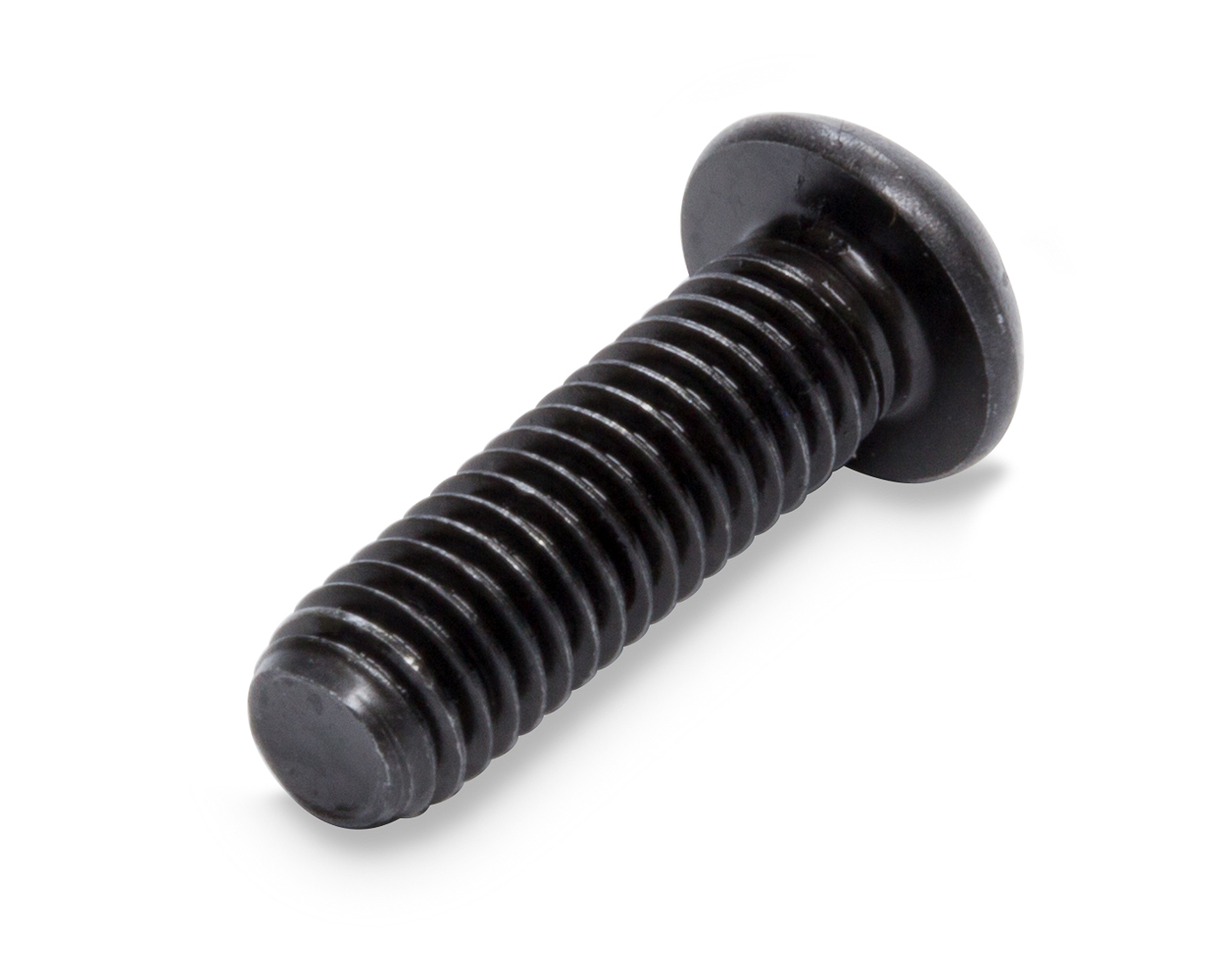
If you're working on wheel studs, consider the Dorman Wheel Stud M12-1.50 Thread Serrated Knurl. It's a critical component for mounting wheels securely and we have 3 in stock at just $5.12 each. For different thread sizes, the Dorman Wheel Bolt 9/16-18 Inch Right Hand Thread Length 1 Inch is another option, with 4 in stock for $5.15. And don't forget lug nuts; the Dorman Stainless Steel Capped Wheel Lug Nut 9/16-18 Thread Standard Cone Seat is a solid choice with 121 available at $5.15 each.
How to verify fitment before buying
Verifying fitment is crucial for any wheel purchase, and beadlocks are no exception. Start with your vehicle's bolt pattern. This is usually expressed as a number of studs by the diameter of the bolt circle (e.g., 5x4.5 inches or 6x139.7mm). You can find this in your owner's manual or by measuring it yourself. Next, consider the wheel diameter and width. These need to be compatible with your chosen tire size and your vehicle's fender wells and suspension components. An incorrect width or diameter can lead to rubbing, especially during suspension articulation.
Offset is another critical factor. It's the distance from the wheel's mounting surface to the centerline of the wheel. A positive offset means the mounting surface is closer to the outside of the wheel, tucking it in. A negative offset pushes the wheel further out. For off-road vehicles, a more negative offset is often desired to improve stability and accommodate wider tires, but too much can stress wheel bearings and steering components. Always compare the beadlock wheel's specs to your current wheels and your vehicle's factory recommendations. When in doubt, consult your service manual or a reputable wheel and tire shop. They can help you calculate the ideal offset and backspacing for your specific setup to prevent issues down the line.
Top picks
Frequently asked questions
What is the main purpose of beadlock wheels?
The primary purpose of beadlock wheels is to mechanically clamp the tire bead to the wheel rim. This prevents the tire from unseating, or separating from the wheel, when running very low tire pressures for increased traction in extreme off-road conditions like rock crawling or desert racing.
Are beadlock wheels legal for street driving?
Most true beadlock wheels are not DOT-approved for street use in many jurisdictions. The exposed clamping mechanism can be a safety concern if not properly maintained, and bolts can loosen. Always check your local laws and the specific wheel's compliance before using them on public roads.
Do I need beadlock wheels for light off-roading?
For light off-roading or occasional trail use, beadlock wheels are generally not necessary. Standard wheels with appropriate tires and moderate air-down will usually suffice. Beadlocks are typically reserved for serious rock crawling, competitive off-roading, or situations requiring extremely low tire pressures.