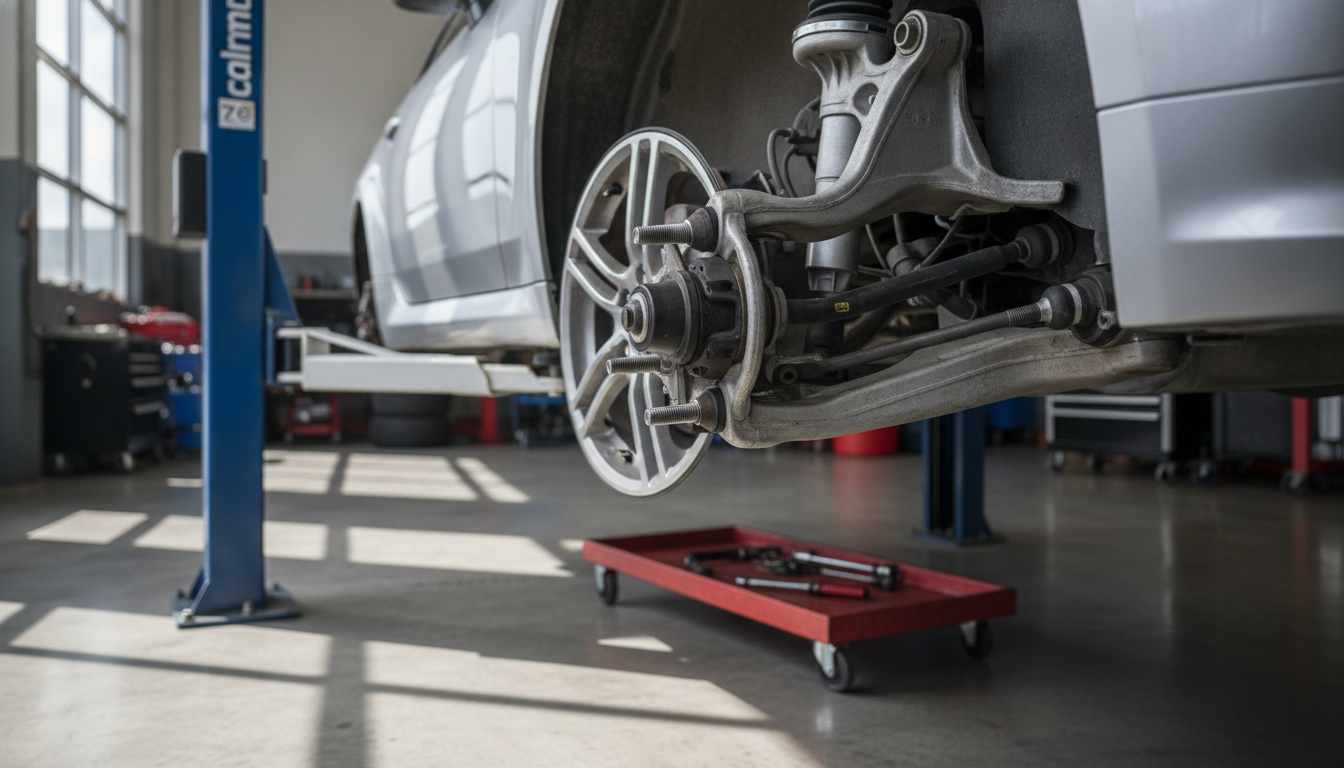
When you're trying to figure out why your tires are wearing funny or why your car pulls to one side, you're probably dealing with an alignment issue. It's not just about pointing the wheels straight ahead. There are three main angles that make up a proper wheel alignment: camber, caster, and toe. Each one plays a critical role in how your vehicle handles, how long your tires last, and even how much fuel you burn. Let's break down what each of these angles means and why they matter.
Camber
Camber refers to the inward or outward tilt of the wheel when you look at your vehicle from the front. If the top of the wheel tilts outward, that's called positive camber. If it tilts inward, that's negative camber. When the wheel is perfectly straight up and down, that's zero camber.
Most vehicles run with a slight amount of negative camber. This helps with cornering performance. When you turn, the vehicle's weight shifts, and the negative camber helps keep more of the tire's tread in contact with the road. Too much positive or negative camber, though, and you'll start seeing uneven tire wear. Positive camber usually wears the outside edge of the tire, while negative camber wears the inside edge. If you hit a big pothole or curb, it can knock your camber out of spec.
Caster
Caster is a bit harder to visualize because it's about the steering axis, not just the wheel itself. Imagine a line running through your upper and lower ball joints (or the pivot points for your steering). Caster is the forward or backward tilt of that line when you look at the wheel from the side. If the top of that line is tilted towards the rear of the vehicle, it's positive caster. If it's tilted towards the front, it's negative caster.
Positive caster is what you typically want. It helps with straight-line stability and steering returnability. Think of the front wheel of a shopping cart – it has a lot of positive caster, which is why it always wants to trail directly behind the cart. In a car, positive caster makes the steering feel heavier and more stable at speed. If your caster is off, you might notice the steering wheel doesn't return to center easily after a turn, or the car might wander on the highway. I've seen plenty of vehicles come in after an accident where the caster was way out, and the driver complained about constant steering correction.
Toe
Toe is probably the most common alignment angle people talk about, and it's often the easiest to spot when it's wrong. Toe refers to how much the front edges of your tires point inward or outward when viewed from above. If the front edges of the wheels are closer together than the rear edges, that's toe-in. If they're farther apart, that's toe-out.
Even a small amount of toe-in or toe-out can cause significant tire wear. Excessive toe-in will scrub the outside edges of your tires, while too much toe-out will scrub the inside edges. It's like dragging your feet instead of walking straight. Toe also affects steering response. A little toe-in can improve straight-line stability, while toe-out can make steering feel quicker and more responsive, which is sometimes preferred in racing applications. For most street cars, you want a very slight amount of toe-in or zero toe, depending on the manufacturer's specification.
Why alignment matters
Getting your alignment checked regularly is cheap insurance for your tires. Misalignment can drastically shorten tire life, sometimes by tens of thousands of miles. It also affects fuel economy because the tires are constantly scrubbing instead of rolling freely. More importantly, proper alignment ensures your vehicle handles predictably and safely. If your car pulls to one side, or the steering feels loose, it's not just annoying – it's a safety concern.
What to look for – understanding alignment components
When you're dealing with alignment issues, it's not always just a matter of adjusting a tie rod. Often, worn suspension components are the root cause. You can't align a vehicle with worn parts; it's like trying to build a house on a shaky foundation.
Worn ball joints
Ball joints are crucial pivot points in your suspension. If they're worn out, they introduce play into the system, making it impossible to hold an alignment. You might hear clunking noises over bumps or feel looseness in the steering. A worn ball joint can affect camber and caster significantly.
Control arm bushings
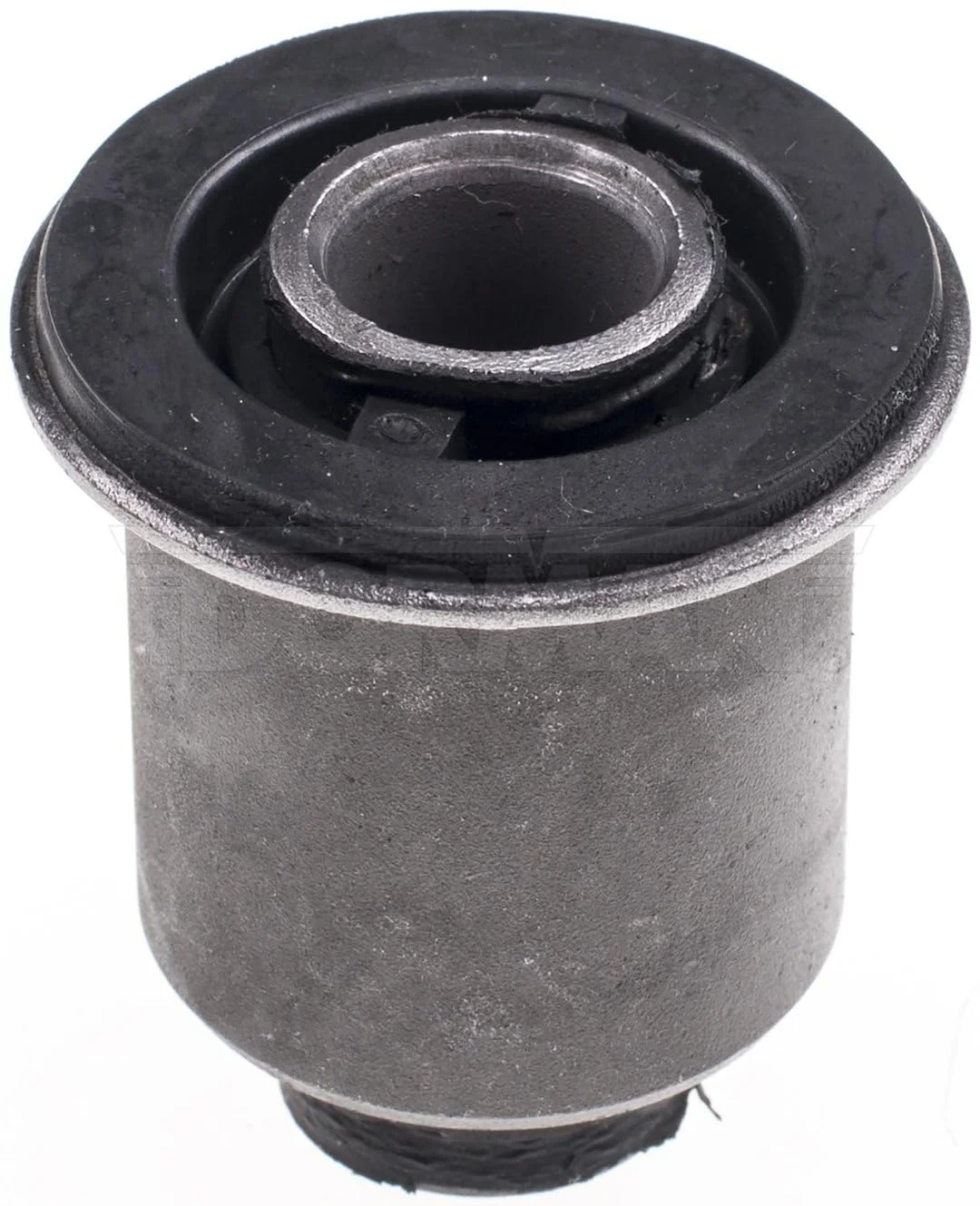
Control arm bushings isolate the control arms from the frame. When these rubber or polyurethane bushings wear out, they allow the control arm to shift, which directly impacts camber and caster angles. You might notice a clunking sound or a general sloppiness in the suspension. Dorman offers a Control Arm Bushing Front Upper Forward (MPN: BC34009PR) for select Ford, Lincoln, and Mercury vehicles, priced at just $5.03. We have 8 of these in stock.
Tie rod ends
Inner and outer tie rod ends connect your steering rack to the steering knuckle. These are your primary adjustment points for toe. If they're loose or worn, your toe setting will constantly change, leading to rapid and uneven tire wear. You'll often feel play in the steering wheel.
Shocks and struts
While shocks and struts don't directly set alignment angles, worn ones can affect ride height and suspension travel, indirectly impacting camber and toe. If your shocks are blown, the suspension sags or bounces excessively, which can throw off your static alignment. For Jeep Wrangler JK owners, a Fabtech Stealth Monotube Shock Absorber Rear (MPN: FTS6349) is available for $89.99, with 364 in stock. Another option, MPN: FTS6352, is $94.99 with 370 in stock.
Bent suspension components
After hitting a curb or being in an accident, control arms, steering knuckles, or even the subframe can get bent. No amount of adjustment will fix a bent part. You'll need to replace the damaged components before an alignment can be performed. Sometimes, even a slight bend can cause persistent alignment problems.
Quick comparison – suspension components
| Product Name | Brand | Category | Retail Price | Stock | Value Score | Quality Score | Durability Score |
|---|---|---|---|---|---|---|---|
| Dorman Control Arm Bushing Front Upper Forward | Dorman | Suspension | $5.03 | 8 | 92 | 77 | 80 |
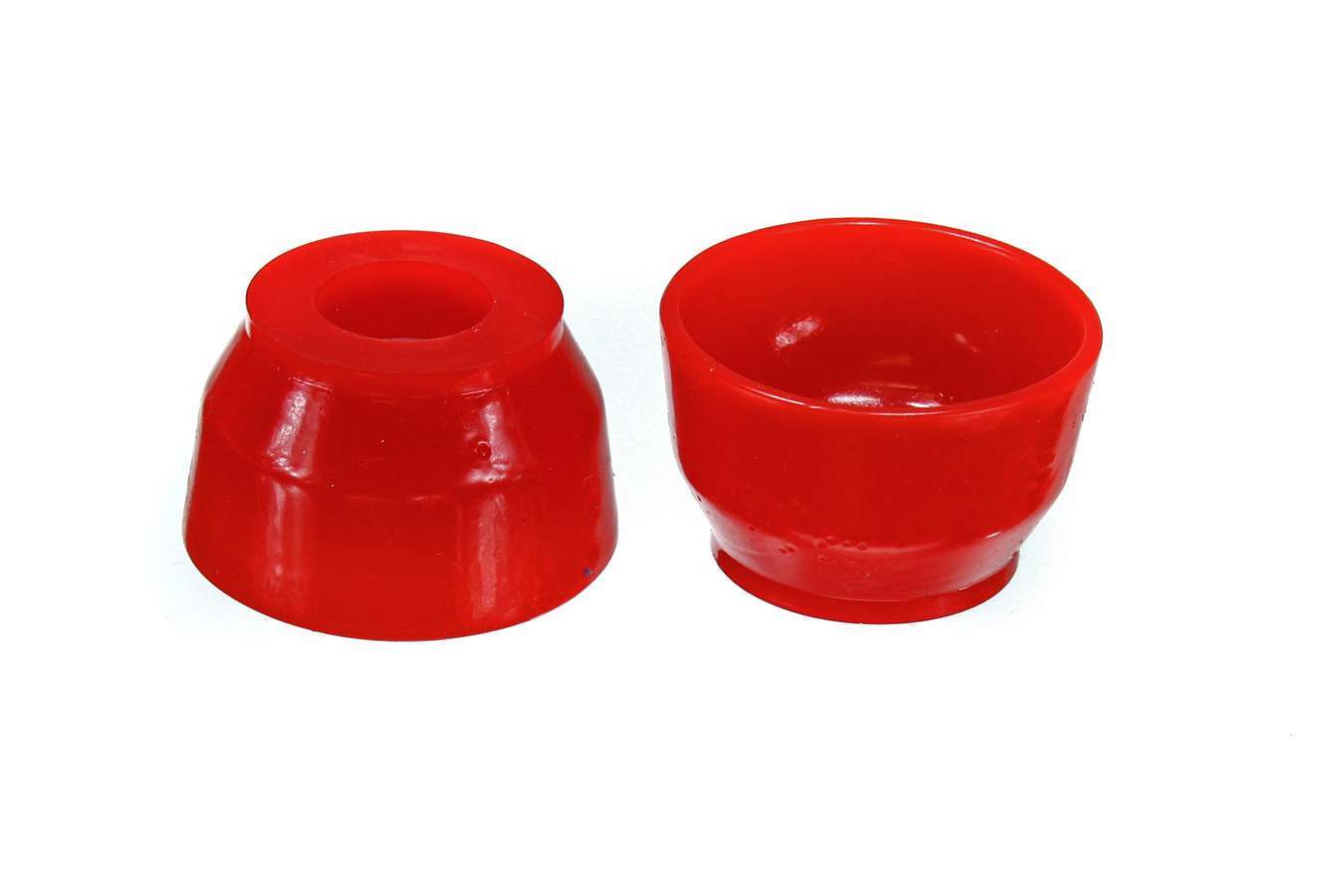
| Energy Suspension Red Ball Joint Dust Boot | Energy Suspn | Suspension | $5.08 | 3 | 88 | 92 | 95 |
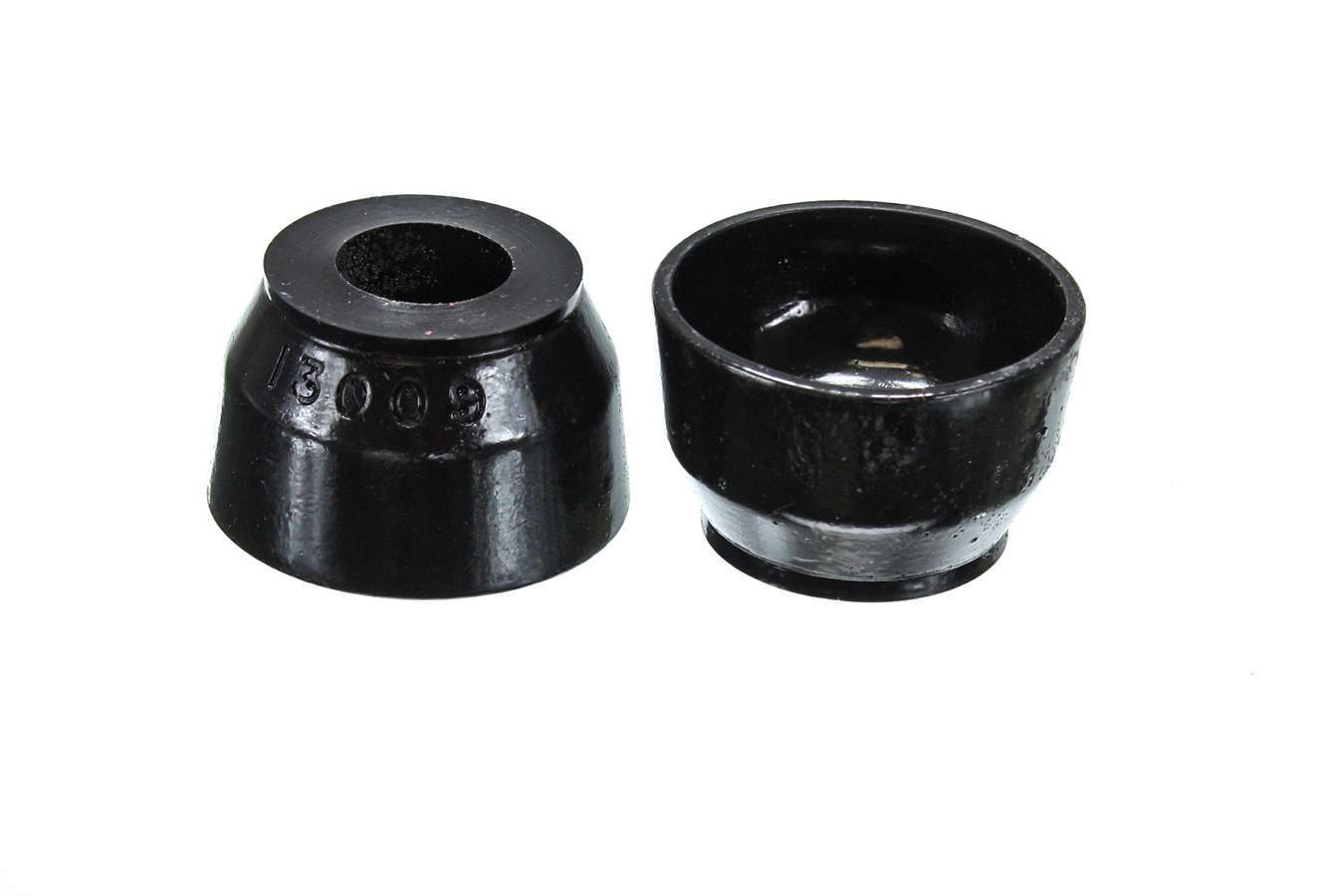
| Energy Suspension Black Ball Joint Dust Boot | Energy Suspn | Suspension | $5.08 | 52 | 88 | 92 | 95 |
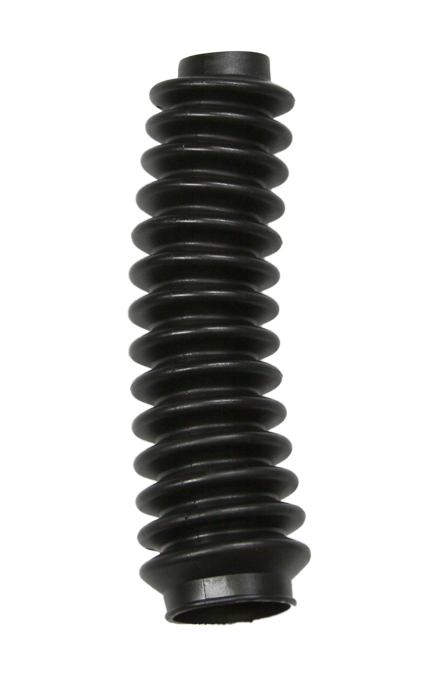
| Skyjacker Black Shock Boot | Skyjacker | Suspension | $5.04 | 100 | 95 | 80 | 75 |
| Skyjacker Universal Red Rubber Shock Boot | Skyjacker | Suspension | $5.04 | 10 | 92 | 80 | 78 |
Top picks
If you're looking to replace worn suspension components that could be affecting your alignment, here are a few solid choices from our inventory:
-
Dorman Control Arm Bushing Front Upper Forward: For those needing to replace worn control arm bushings, the Dorman Control Arm Bushing Front Upper Forward is a cost-effective solution at $5.03. It's designed to restore proper handling and alignment to your vehicle.
-
Energy Suspension Ball Joint Dust Boots: Protecting your ball joints is key to their longevity. The Energy Suspension Red Ball Joint Dust Boot and the Energy Suspension Black Ball Joint Dust Boot are both available for $5.08, offering excellent protection and durability for your suspension components.
-
Skyjacker Shock Boots: While not directly related to alignment, protecting your shock absorbers from debris can extend their life. The Skyjacker Black Shock Boot and Skyjacker Universal Red Rubber Shock Boot are both priced at $5.04 and provide essential protection for your shocks.
How to verify fitment before buying
Verifying fitment is critical. There's nothing worse than getting a part, tearing your car apart, and realizing it doesn't fit. Always use the year, make, and model filters on MyTires4Less.com. Most product pages will also have a fitment guide to help you ensure you're getting the right part for your vehicle. Double-checking fitment before purchasing can save you time and frustration.
Common mistakes
One common mistake is assuming that an alignment is just a simple adjustment. It often requires checking and possibly replacing worn suspension components first. Another mistake is neglecting to check alignment after hitting a pothole or curb. Always inspect your alignment after such incidents. Lastly, many people forget to have their alignment checked regularly, which can lead to more significant issues down the road. Regular checks can help you catch problems early and maintain your vehicle's performance.
Top picks
Frequently asked questions
How often should I get a wheel alignment?
It's a good idea to get your alignment checked annually or every 10,000 to 15,000 miles. You should also get it checked after replacing any suspension or steering components, after hitting a significant pothole or curb, or if you notice uneven tire wear or steering problems.
What are the signs of bad wheel alignment?
Common signs include uneven or rapid tire wear, the vehicle pulling to one side, a crooked steering wheel when driving straight, or a loose or vibrating steering wheel. If you experience any of these, get it checked out quickly to prevent further damage.
Can I adjust alignment myself?
While you can sometimes make minor toe adjustments with basic tools, achieving precise camber and caster requires specialized alignment equipment and expertise. It's generally best left to a professional shop with the right tools to ensure accuracy and prevent further issues.