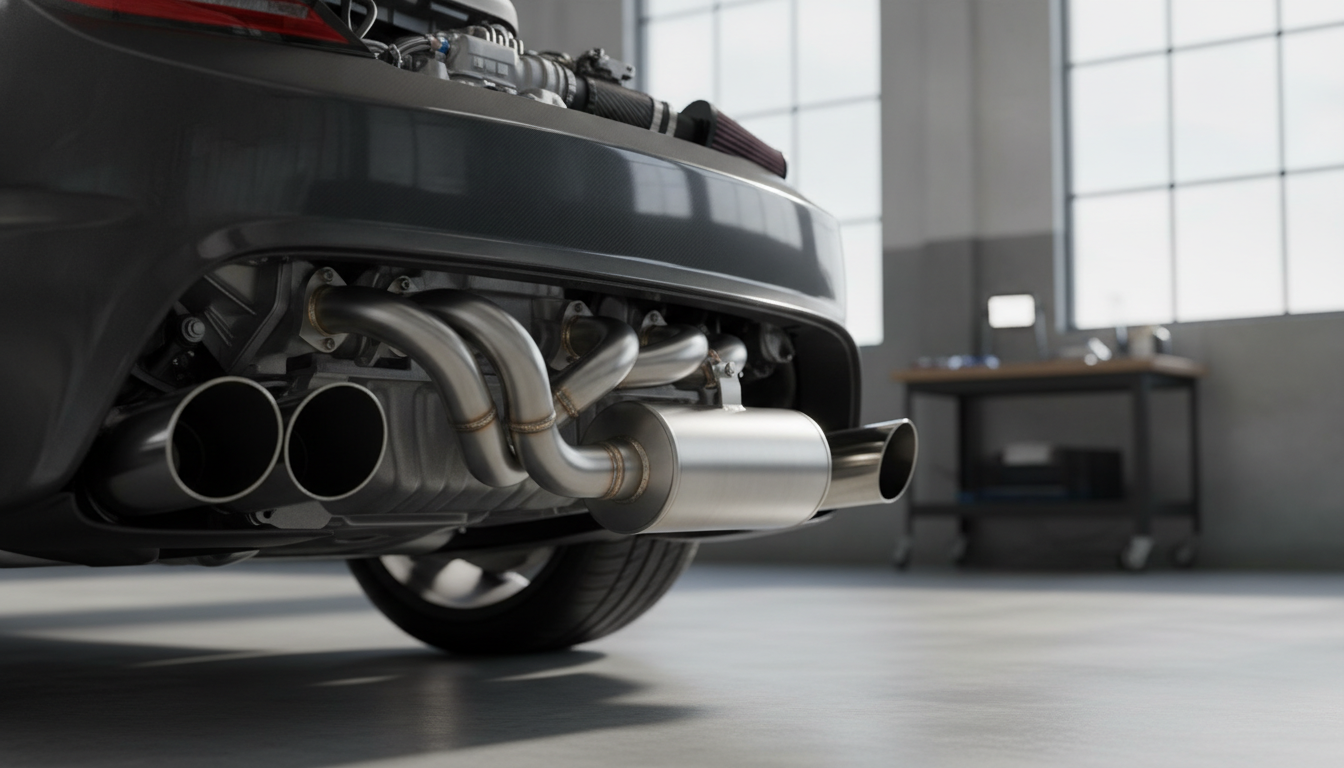
You've probably heard the claim: a new exhaust system adds horsepower. It's a common mod, and for good reason, but the actual gains aren't always what people expect. Let's break down how exhaust systems work and what kind of power bump you can realistically get from an upgrade.
Your car's engine is essentially an air pump. It sucks in fresh air, mixes it with fuel, ignites it, and then pushes out the spent exhaust gases. The more efficiently it can do this, the more power it can make. The exhaust system is the final hurdle for those spent gases. A restrictive stock exhaust can choke off the engine's ability to expel gases quickly, which in turn limits how much fresh air it can pull in for the next combustion cycle. This is where a performance exhaust comes in.
How exhaust systems impact performance
Think about it like this: your engine needs to breathe. A stock exhaust is often designed with noise reduction and cost-effectiveness in mind, not maximum airflow. It uses smaller diameter piping, restrictive mufflers, and sometimes catalytic converters that are more about emissions compliance than free flow. All these elements create back pressure, which is resistance to exhaust gas flow. Reduce that back pressure, and your engine can exhale more easily.
When exhaust gases flow out faster, it helps scavenge the combustion chambers more effectively, pulling in more fresh air and fuel for the next cycle. This improved 'breathing' is what translates into horsepower and torque gains. It's not magic; it's just making the engine's job easier.
Types of exhaust upgrades
There are a few different ways to upgrade your exhaust, and each offers varying levels of performance gain and cost.
- Axle-back exhaust: This replaces the muffler and tailpipe section, from the rear axle back. It's primarily for sound modification and usually offers minimal, if any, horsepower gains. It's the simplest and often cheapest upgrade.
- Cat-back exhaust: This system replaces everything from the catalytic converter(s) back to the tailpipe. It typically includes larger diameter piping, a less restrictive muffler, and sometimes a resonator. This is where you start seeing some measurable horsepower and torque improvements, along with a significant change in exhaust note. Many enthusiasts choose this route for a good balance of performance, sound, and cost.
- Header-back or turbo-back exhaust: This is the most comprehensive upgrade, replacing everything from the exhaust manifold (headers) or turbocharger back. It includes new headers, catalytic converters (or test pipes/downpipes in some off-road applications), and a full cat-back system. This type of system offers the largest potential for horsepower gains, especially on turbocharged vehicles where a less restrictive downpipe can dramatically improve turbo spool and top-end power. However, it's also the most expensive and complex, often requiring tuning to get the most out of it and to avoid check engine lights.
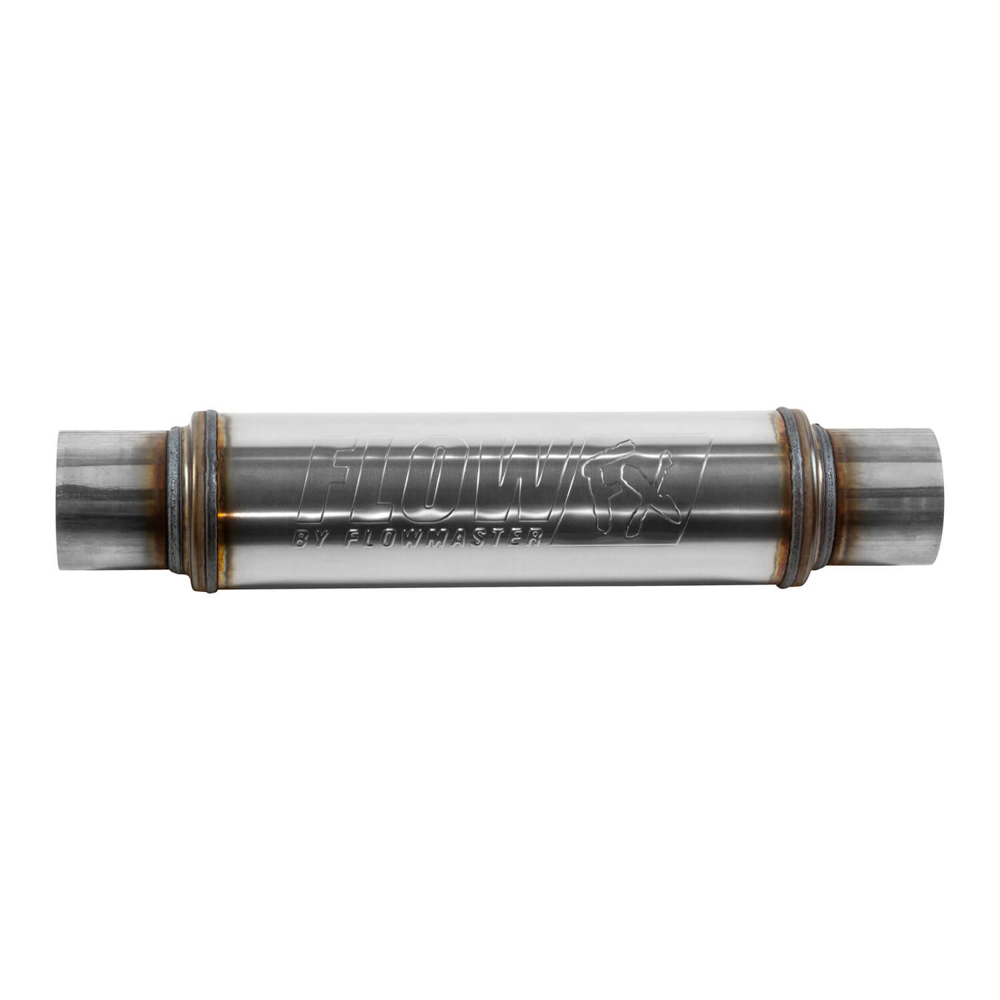
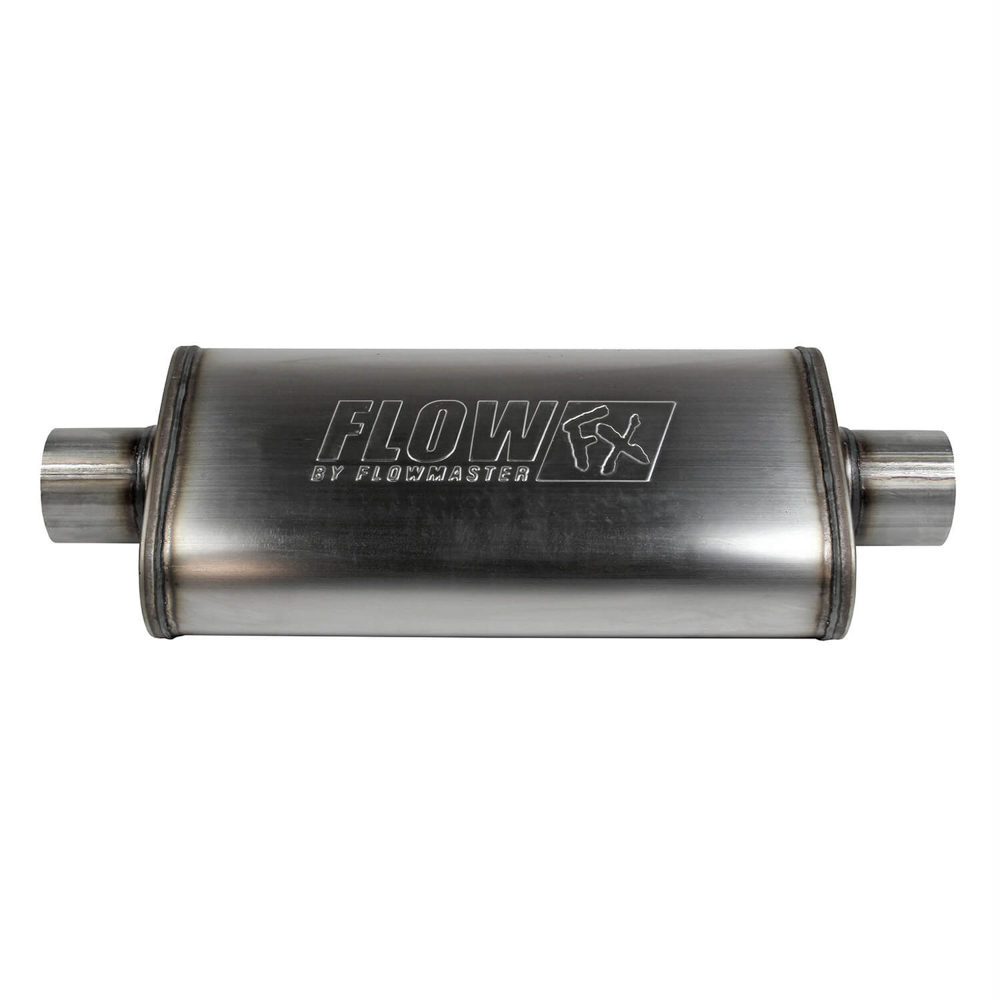
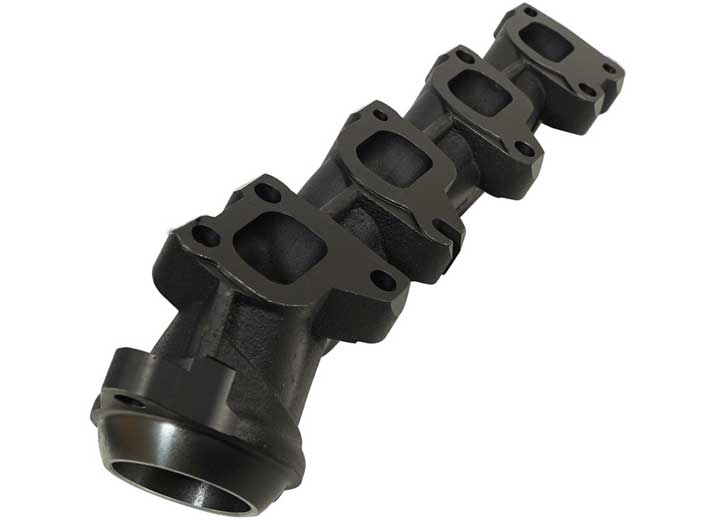
- Individual components: You can also upgrade individual pieces like just the muffler, like the Flowmaster FlowFX Muffler 3.00 Inch Center Inlet Center Outlet (MPN 71419) for only $92.31, or the larger Flowmaster FlowFX Muffler 3.00 Inch Center Inlet Center Outlet 4x9x18 Inch Case (MPN 71249) for $110.78. You might also look at aftermarket headers, which replace the factory exhaust manifold. For example, the BD Diesel Exhaust Manifold Kit for Dodge Ram 6.7L Cummins 2007.5-2018 (MPN 1041463) is available for $530.99. Headers are designed to improve exhaust gas scavenging from the engine cylinders, which can lead to solid power gains, especially in the mid-range.
What to look for — buying criteria
When you're shopping for a new exhaust, don't just grab the first shiny pipe you see. There are a few things to consider to make sure you get the right setup for your ride and your goals.
Material quality
Exhaust systems take a beating from heat, road salt, and debris. Stainless steel is the go-to for durability. There are different grades, with 304 stainless being premium and 409 being a more budget-friendly option. Both are way better than mild steel, which will rust out in a few years, especially if you live somewhere they salt the roads. I've seen countless mild steel systems practically disintegrate after just a couple of winters.
Pipe diameter
Bigger isn't always better. Too large a pipe can actually reduce exhaust gas velocity, which hurts scavenging and can lead to a loss of low-end torque. Generally, for naturally aspirated engines, a slight increase over stock (e.g., 2.25 inches to 2.5 inches, or 2.5 inches to 3 inches) is often ideal. Turbocharged engines can usually benefit more from larger diameters due to the higher volume of exhaust gases.
Muffler design
Mufflers control sound and airflow. Straight-through designs (like many performance mufflers) offer the least restriction and are generally louder. Chambered mufflers use internal baffles to reflect sound waves, which can be effective at noise reduction but also more restrictive. Resonators help fine-tune the sound and eliminate drone. Think about how loud you want your car to be. Some systems are just obnoxious, and you'll regret it on long drives.
Catalytic converters
High-flow catalytic converters use a less dense ceramic or metallic matrix to allow exhaust gases to pass through more easily while still cleaning up emissions. Removing catalytic converters is illegal for street use in most places and will definitely throw a check engine light. If you're replacing cats, make sure the new ones are compliant with your local regulations.
System type (axle-back, cat-back, header-back)
As we discussed, the further forward you go in the exhaust system, the more potential for power gains. An axle-back is mostly for sound. A cat-back is a good compromise for performance and sound. A header-back or turbo-back system is for maximum power, but it's also the most involved and expensive. Match the system type to your performance goals and budget.
Sound profile
This is subjective, but important. Listen to sound clips online if you can. Some systems are deep and throaty, others are raspy, and some just drone on the highway. What sounds good to one person might be annoying to another. A Flowmaster FlowFX muffler, for example, is known for a more aggressive sound. Make sure the sound matches what you want to hear every day.
Quick comparison
| Product Name | Category | Retail Price | Stock | Value Score |
|---|---|---|---|---|
| Flowmaster FlowFX Muffler 3.00 Inch Center Inlet Center Outlet | Exhaust | $92.31 | 366 | 93 |
| Flowmaster FlowFX Muffler 3.00 Inch Center Inlet Center Outlet 4x9x18 Inch Case | Exhaust | $110.78 | 297 | 92 |
| BD Diesel Exhaust Manifold Kit for Dodge Ram 6.7L Cummins 2007.5-2018 | Exhaust | $530.99 | 354 | 85 |
| Walker Exhaust Gasket 31645 | Exhaust | $5.04 | 2 | 91 |
| Walker Exhaust Gasket Dodge Ford Mazda Each | Exhaust | $5.04 | 15 | 88 |
Top picks
Flowmaster FlowFX Muffler 3.00 Inch Center Inlet Center Outlet
If you're looking to upgrade just your muffler for a better sound and a slight improvement in flow without breaking the bank, the Flowmaster FlowFX Muffler 3.00 Inch Center Inlet Center Outlet is a solid choice. It's available for only $92.31 and we have 366 in stock. Flowmaster is known for its aggressive sound, and this FlowFX series offers a good balance of performance and tone for many vehicles.
BD Diesel Exhaust Manifold Kit for Dodge Ram 6.7L Cummins 2007.5-2018
For diesel truck owners looking for a more significant performance boost, especially those with a 6.7L Cummins, the BD Diesel Exhaust Manifold Kit for Dodge Ram 6.7L Cummins 2007.5-2018 is a serious upgrade. At $530.99, it's an investment, but it addresses a common restriction point in the exhaust system right at the engine. We have 354 of these kits available, ready to improve your Cummins' breathing and power delivery.
Walker Exhaust Gasket 31336
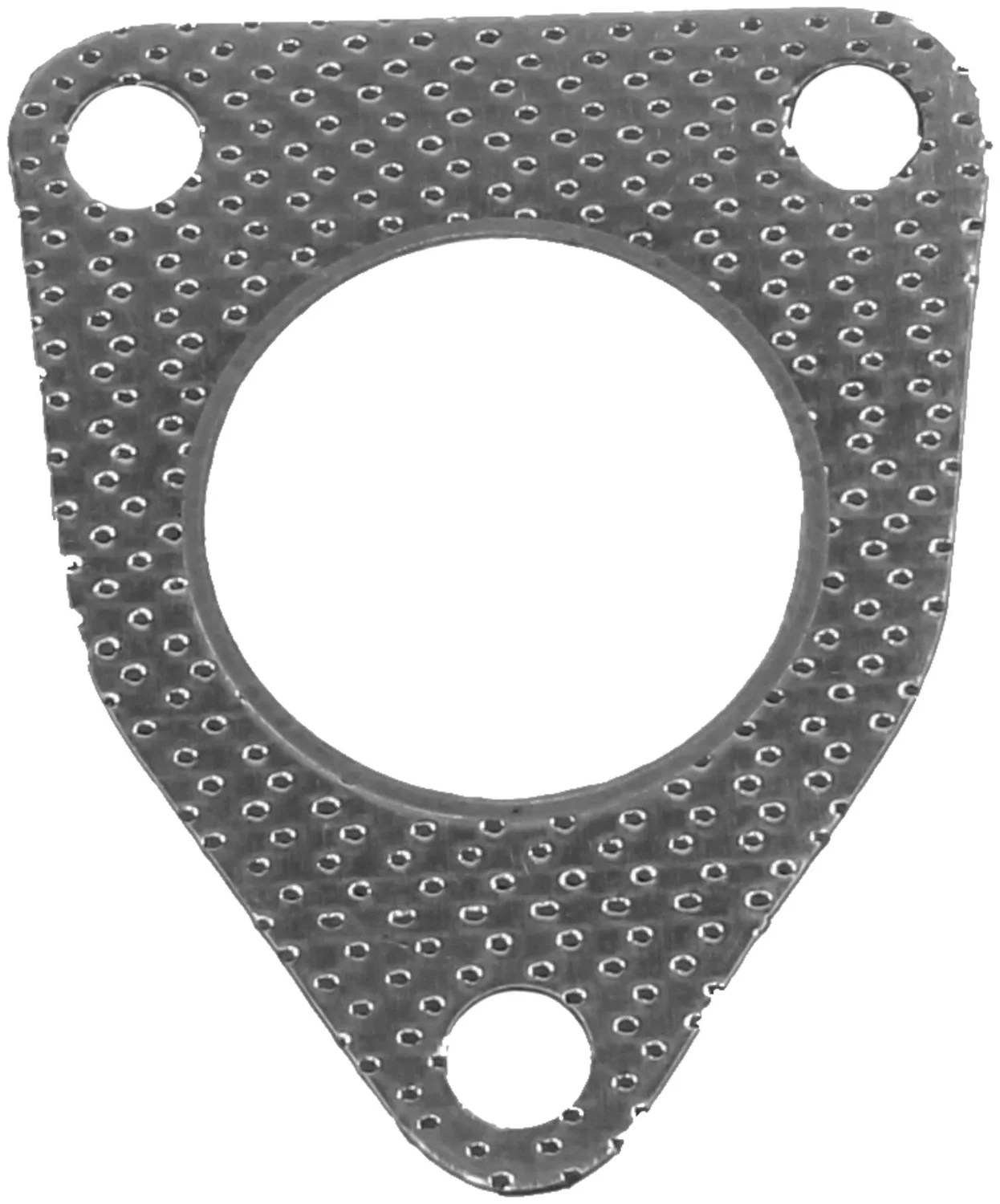
Don't forget the small stuff. When you're replacing any part of your exhaust, new gaskets are a must to prevent leaks. The Walker Exhaust Gasket Dodge Ford Mazda Each is a good example of an essential component. For just $5.04, it ensures a tight seal. We have 15 of these in stock, but always check your specific vehicle's needs for the correct gasket.
How to verify fitment before buying
This is critical. Nothing is worse than getting a shiny new exhaust system and finding out it doesn't fit your car. Here's how to avoid that headache:
- Check your vehicle's exact year, make, model, and engine: Exhaust systems are often specific down to the engine code and even transmission type. A system for a V6 won't fit an I4, and a system for a manual might not clear an automatic transmission housing.
- Look for specific application notes: Product descriptions will often list any exceptions or specific requirements. For example, some systems might only fit certain cab and bed configurations on trucks.
- Cross-reference part numbers: If you're replacing a specific component like a muffler or manifold (like the BD Diesel Exhaust Manifold Kit), use the MPN (Manufacturer Part Number) to confirm it's designed for your vehicle. For example, the Flowmaster FlowFX Muffler with MPN 71419 is a universal muffler, but you still need to ensure its dimensions and inlet/outlet size match your existing piping or what you're fabricating.
- Consult your service manual: Your car's service manual will have diagrams and part numbers for the stock exhaust system, which can help you verify compatibility with aftermarket parts. This is especially true for gaskets, where a specific Walker Exhaust Gasket, like MPN 31645 for $5.04, might be needed.
- Measure twice, order once: If you're doing a custom setup or just replacing a section, measure your existing pipe diameter and length to ensure the new components will integrate properly. For universal mufflers, confirm the case dimensions will fit in the available space under your vehicle. You don't want to receive a beautiful new muffler only to find it hits your driveshaft.
Taking these steps will save you a lot of frustration and ensure you get an exhaust system that bolts right up and performs as expected.
Top picks
Frequently asked questions
How much horsepower can a new exhaust add?
Horsepower gains vary widely. An axle-back system might add 1-5 hp, while a full cat-back system could yield 5-15 hp. Turbocharged vehicles with a complete turbo-back exhaust and tune can see 20-50 hp or more, as they benefit significantly from reduced back pressure.
Will a new exhaust void my warranty?
Generally, a new exhaust system itself won't void your entire vehicle warranty. However, if a failure occurs that can be directly attributed to the aftermarket exhaust (e.g., an exhaust hanger breaks and damages something), the manufacturer may deny coverage for that specific repair. Always check with your dealer.
Do I need a tune after installing a new exhaust?
For axle-back or most cat-back systems, a tune isn't strictly necessary, but it can help optimize performance and fuel economy. For header-back or turbo-back systems, especially those that replace catalytic converters, a tune is often essential to prevent check engine lights and to maximize the power gains safely.
What's the difference between a straight pipe and a muffler delete?
A straight pipe means replacing the entire exhaust system (from the headers back) with a single, continuous pipe, often removing catalytic converters and resonators. A muffler delete simply removes the muffler, replacing it with a straight section of pipe. Both are loud and often illegal for street use due to noise and emissions.