Why this matters for your vehicle
When you pop the hood, one of the first things you'll see connected to the engine's cylinder head is the exhaust manifold. This component is the starting point for all exhaust gases leaving your engine. It's crucial because it's the first bottleneck (or lack thereof) in your exhaust system, directly impacting how efficiently your engine breathes. Understanding the difference between a factory exhaust manifold and an aftermarket header isn't just about looks; it's about enhancing horsepower and torque that's currently being choked off. The design of this part dictates how easily spent gases exit, which in turn affects everything from throttle response to fuel economy.
Your engine is essentially an air pump. It sucks in air and fuel, ignites it, and then pushes out the exhaust. The easier it can push out those spent gases, the more efficiently it can pull in fresh air and fuel for the next combustion cycle. That's where manifolds and headers come into play. They're both designed to collect exhaust gases from multiple cylinders and direct them into a single pipe, but they go about it in very different ways, with very different results for your vehicle's performance.
Before you start: when NOT to DIY
While swapping out an exhaust manifold or installing headers can be a rewarding project, there are situations where it's best left to a professional shop. If you encounter any of these red flags, it's time to call in the experts:
- Severely rusted or seized fasteners: Exhaust bolts are notorious for seizing. If they're not budging, you risk breaking them off in the cylinder head, which is a much bigger problem.
- Limited access: Some engine bays are incredibly cramped, making it nearly impossible to access all the manifold bolts without specialized tools or lifting the engine.
- Damaged exhaust ports: If you find cracks or significant corrosion around the exhaust ports on the cylinder head, you'll need more than just a new manifold.
- Lack of proper lifting equipment: Working under a vehicle without sturdy jack stands and a reliable jack is extremely dangerous. If you don't have the right setup, don't start.
- No experience with exhaust component removal: If this is your first time tackling anything related to the exhaust, especially on a vehicle with complex emissions systems, consider getting professional help to avoid costly mistakes.
Step-by-step procedure
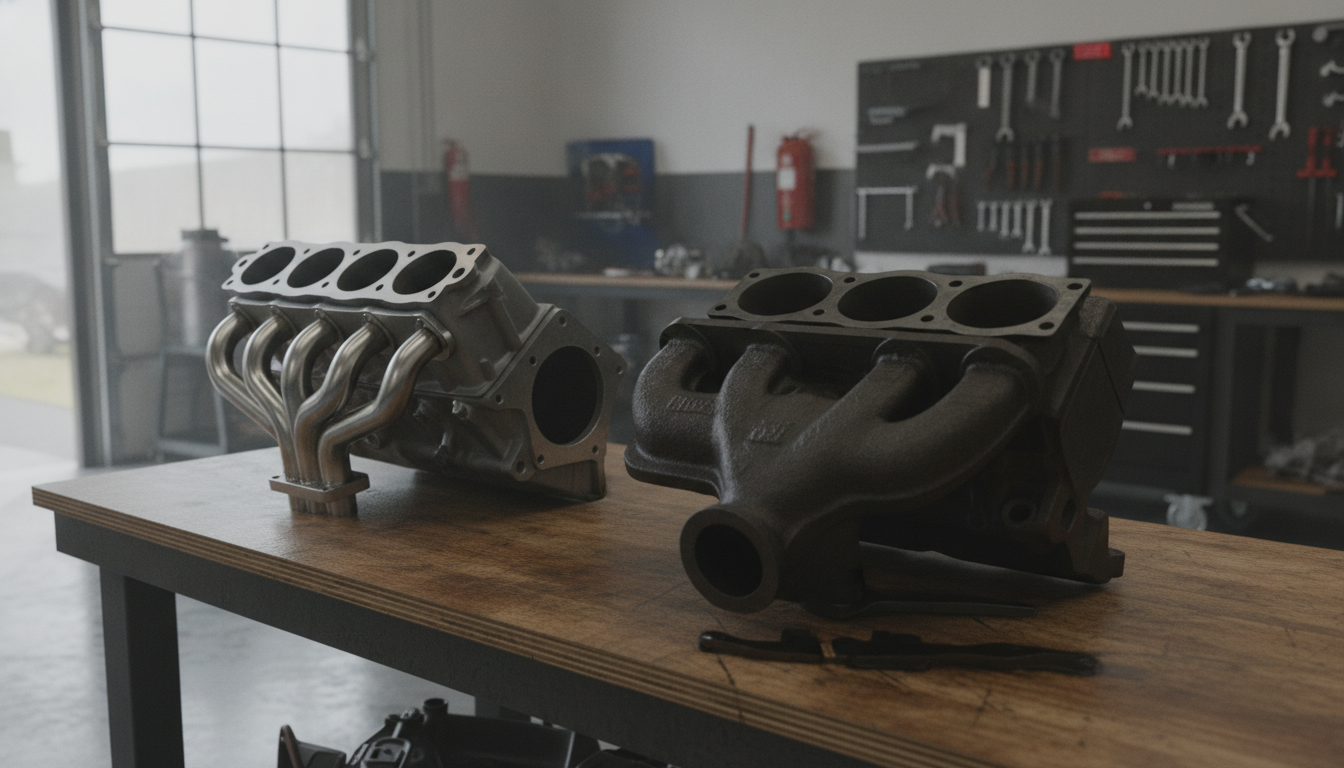
Step 1 — Understand the basic design First, let's look at the factory exhaust manifold. Most are cast iron, heavy, and designed to be compact and cost-effective for mass production. They combine exhaust gases from different cylinders very quickly, often with sharp turns and uneven pipe lengths. This design can create back pressure and turbulence, hindering the flow of exhaust gases out of the engine. Think of it like trying to empty a crowded room through a single, narrow door.
Step 2 — Examine header design Now, compare that to a header. Headers are typically made from steel tubing, with each tube dedicated to a single cylinder for a certain length before merging. The tubes are usually equal in length and diameter, and they merge at a specific angle (the collector) to create a scavenging effect. This design helps pull exhaust gases out of the cylinders more efficiently. It's like having multiple, well-organized exits from that crowded room, allowing everyone to leave much faster.
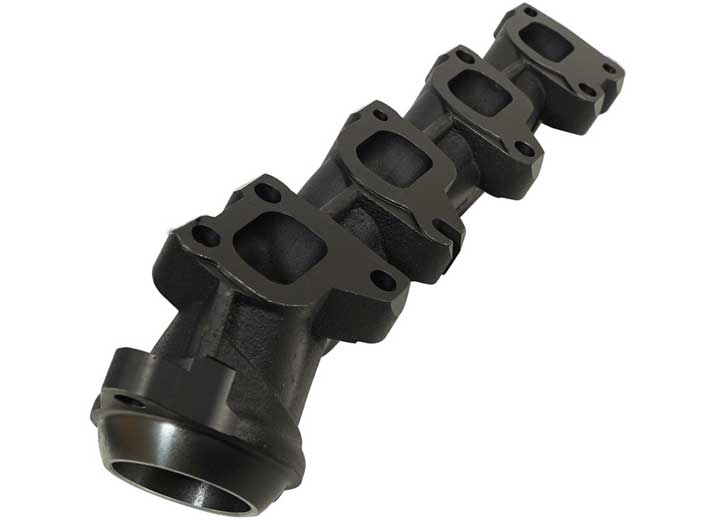
Step 3 — Consider the material and construction Factory manifolds, like the BD Diesel Exhaust Manifold Kit for Dodge Ram 6.7L Cummins (MPN: 1041463), are built for durability and quiet operation. The thick cast iron dampens engine noise and can withstand extreme heat cycles. Headers, on the other hand, are often made from thinner, lighter steel, which can sometimes lead to more exhaust noise. The trade-off is often better performance for a slight increase in cabin sound. I've seen plenty of cracked factory manifolds over the years, especially on trucks that tow heavy loads. The heat cycles really take their toll.
Step 4 — Look at the exhaust flow The biggest difference lies in how exhaust gases flow. With a manifold, exhaust pulses from different cylinders can collide, creating back pressure and reducing the engine's ability to expel spent gases. This inefficiency means the engine has to work harder to push out exhaust, which translates to less power and potentially worse fuel economy. Headers, with their individual tubes, aim to prevent these collisions, allowing each exhaust pulse to exit cleanly and quickly.
Step 5 — Understand the scavenging effect This is where headers really shine. The carefully designed lengths and merging angles of the header tubes create a scavenging effect that enhances performance. By allowing exhaust gases to exit more freely, headers can improve engine efficiency, leading to noticeable gains in horsepower and torque, especially at higher RPMs. If you're looking to maximize your vehicle's performance, headers are often the way to go.
Common mistakes
When upgrading from a manifold to headers, there are a few common pitfalls to avoid:
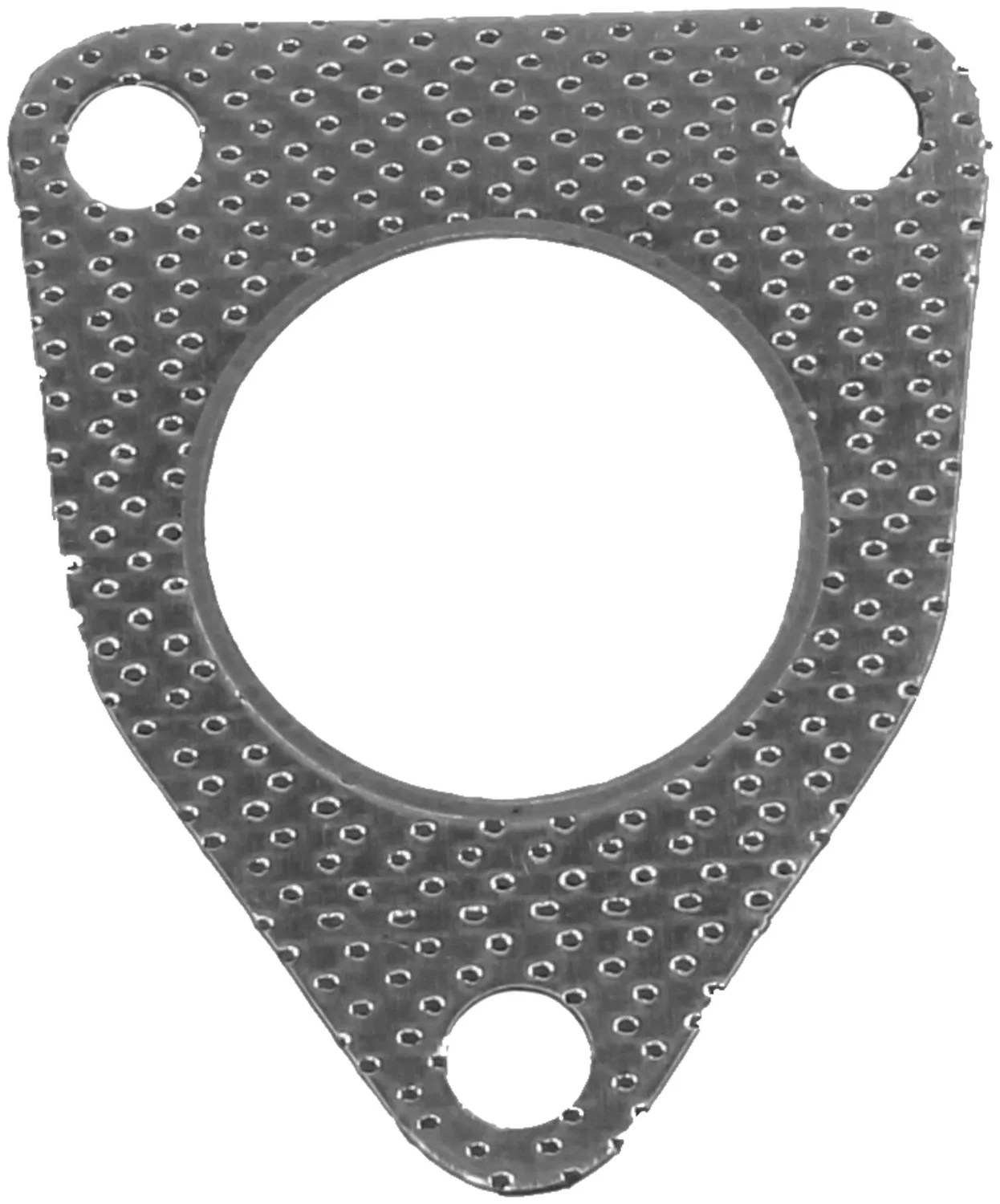
- Not replacing gaskets: Always use new gaskets when installing headers. Old gaskets can lead to exhaust leaks, which can hurt performance and sound.
- Ignoring tuning needs: After installing headers, you may need to adjust your engine's tuning to fully take advantage of the increased flow.
- Overlooking clearance issues: Make sure to check for clearance around the headers, especially if your vehicle has tight spaces. Improper fitment can lead to damage or increased noise.
Conclusion
Choosing between headers and exhaust manifolds is a significant decision that can impact your vehicle's performance. If you're after maximum efficiency and power, headers are the way to go. However, if you prioritize quiet operation and durability, a factory manifold might be your best bet. Always weigh the pros and cons based on your specific needs and driving style.
Top picks
Frequently asked questions
What is the main difference between an exhaust manifold and headers?
The main difference is in their design and purpose. Manifolds are typically cast iron, compact, and designed for economy and quietness. Headers are tubular, engineered for optimal exhaust flow and performance by separating exhaust pulses.
Do headers really add horsepower?
Yes, headers can significantly add horsepower and torque, especially at higher RPMs, by improving exhaust gas scavenging and reducing back pressure. The exact gains depend on the engine and header design.
Are headers louder than exhaust manifolds?
Generally, yes. Headers are made from thinner tubing and are designed for performance, which can result in a louder, more aggressive exhaust note compared to the sound-dampening properties of a thick cast iron manifold.
Can I install headers myself?
Installing headers can be a challenging DIY project. It often involves dealing with rusted bolts, tight spaces, and sometimes modifying other exhaust components. It's advisable for experienced DIYers or those with proper tools and patience.