Why this matters for your vehicle
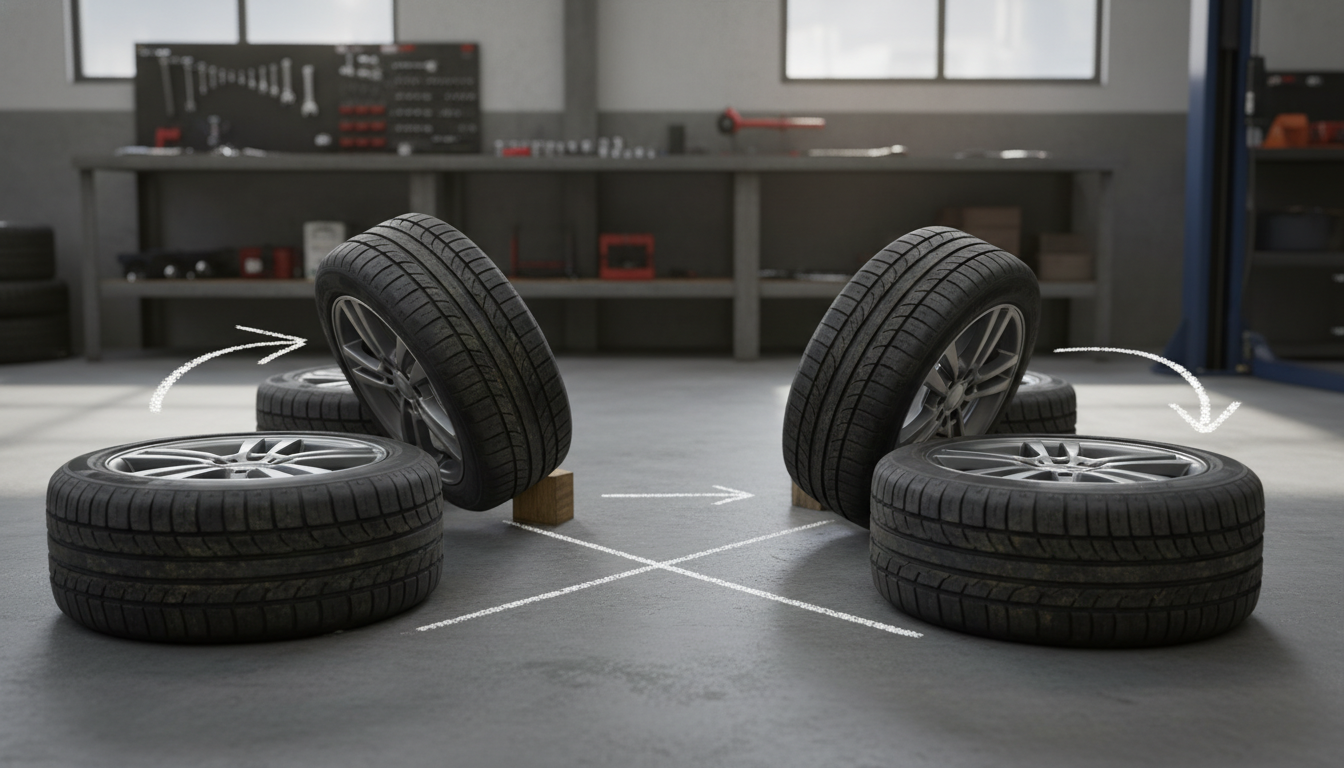
Rotating your tires is one of those simple maintenance tasks that makes a huge difference in how long your tires last. It's all about evening out the wear. Think about it: the tires on the front axle handle steering, most of the braking, and on front-wheel drive cars, all the power. That's a lot of stress concentrated on just two tires. The tires on the back just kind of go along for the ride, mostly. Without regular rotation, your front tires will wear out way faster than your rears, and you'll end up replacing a full set of four when only two really needed it.
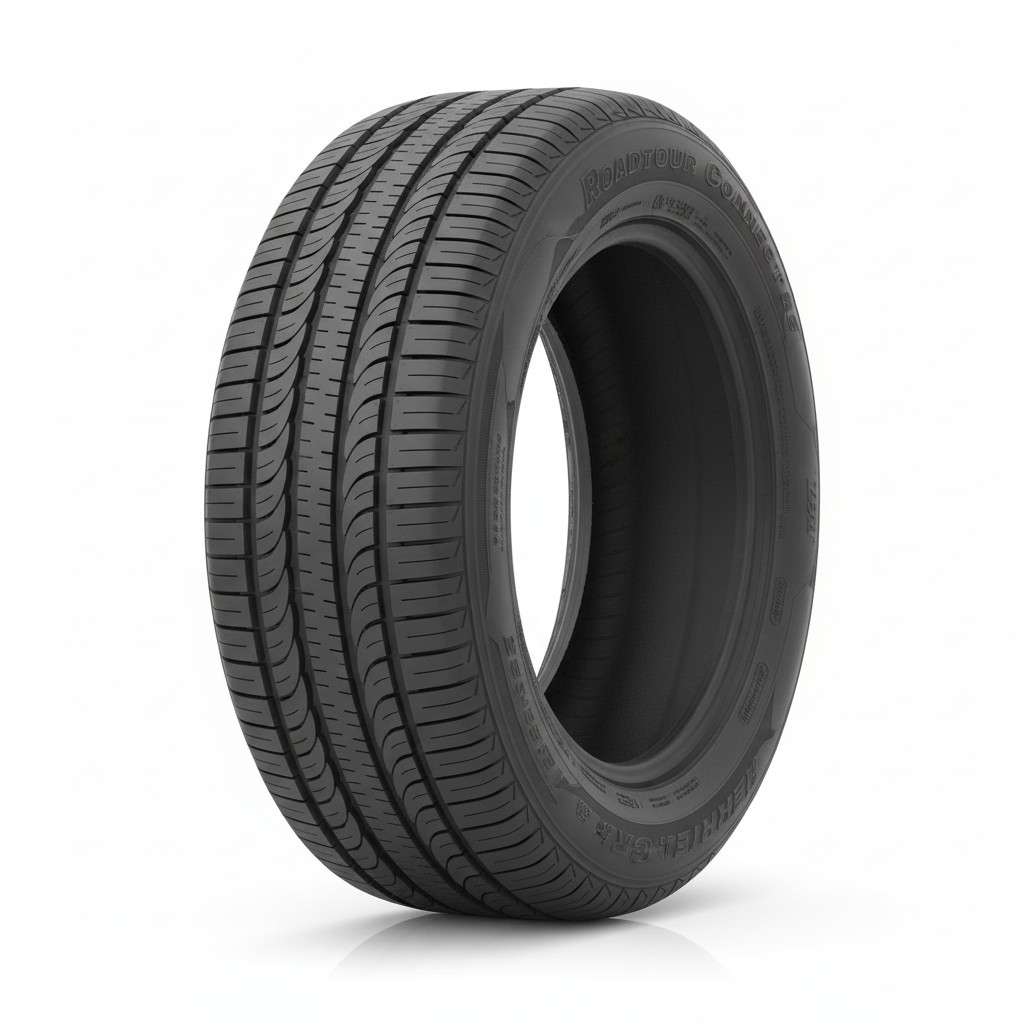
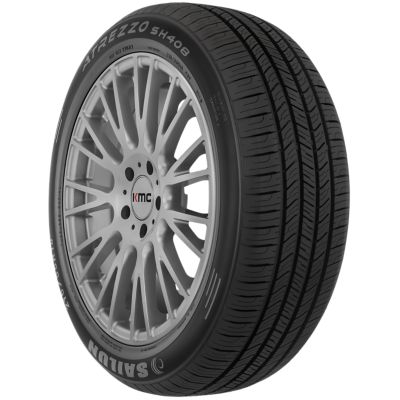
Even wear means you get the most miles out of every tire. It also helps maintain consistent handling and braking performance across all four corners of your vehicle. You're essentially giving each tire a chance to experience different positions on the vehicle, balancing out the forces and stresses they encounter. This routine service helps you get every penny's worth from your investment, whether you're running on a set of Hercules Roadtour Connect AS All Season tires or the popular Sailun Atrezzo SH408.
Before you start: when NOT to DIY
While rotating tires is generally a simple task, there are a few situations where it's better to let a professional shop handle it. If you encounter any of these, it's a good idea to seek expert help:
- Your vehicle uses different sized tires front and rear.
- You have tires with directional tread patterns and don't have the equipment to dismount and remount them.
- You notice any unusual tire wear patterns like feathering, cupping, or severe uneven wear, which could indicate alignment or suspension issues.
- You don't have a torque wrench to properly tighten lug nuts.
- You're uncomfortable lifting your vehicle safely with a jack and jack stands.
Step-by-step procedure
Step 1 — Gather your tools and prepare the vehicle Park your vehicle on a flat, level surface. Engage the parking brake. If your vehicle has wheel locks, locate the key. Loosen the lug nuts on all four wheels slightly while the vehicle is still on the ground. Just a quarter to half turn is enough to break them loose. This makes it easier to remove them once the vehicle is lifted.
Step 2 — Lift the vehicle safely Place your jack under the manufacturer-recommended lift points. Lift one corner of the vehicle at a time, or if you have two jacks, lift one side. Always place jack stands under the vehicle's frame or designated support points immediately after lifting. Never rely solely on a jack. Safety first, always. I've seen too many close calls in the shop because someone skipped this step. Make sure the vehicle is stable on the stands before you start removing any wheels.
Step 3 — Remove the wheels Once the vehicle is securely on jack stands, fully remove the lug nuts and take off the wheels. Keep track of which wheel came from which position. It helps to mark them with chalk (e.g., "LF" for left front, "RR" for right rear) if you're not confident you'll remember the original position before rotating.
Step 4 — Inspect your tires and brakes With the wheels off, take a moment to inspect your tires for any damage, punctures, or uneven wear patterns. Check the tread depth. This is also a perfect opportunity to visually inspect your brake pads, rotors, and suspension components for any obvious issues. Look for cracks in the rotors, low brake pad material, or leaky shocks. If you see anything concerning, it's time to get it checked out by a pro.
Step 5 — Choose your rotation pattern This is where your vehicle's drivetrain matters. Most passenger vehicles use one of three main patterns. Consult your owner's manual for the manufacturer's recommendation, but here's a general guide:
- Forward Cross (Front-Wheel Drive): Move the front tires straight back to the rear. Move the rear tires to the front, but cross them to the opposite side (e.g., rear left goes to front right). This is common for FWD cars like many sedans and crossovers.
- Rearward Cross (Rear-Wheel Drive / Four-Wheel Drive / All-Wheel Drive): Move the rear tires straight forward to the front. Move the front tires to the rear, but cross them to the opposite side (e.g., front left goes to rear right). This pattern works well for RWD, 4WD, and AWD trucks and SUVs.
- Front-to-Rear (Directional Tires): If your tires have a directional tread pattern (indicated by an arrow on the sidewall), they must always rotate in the same direction. This means you can only move them from front to back on the same side of the vehicle (e.g., front left to rear left). If you want to move them to the opposite side, you'd need to have them dismounted and remounted on the wheel, which usually requires a shop.
Step 6 — Mount the rotated wheels Place each wheel in its new position according to the pattern you've chosen. Hand-tighten the lug nuts until they're snug. Make sure the wheel is seated flat against the hub.
Step 7 — Lower the vehicle and torque the lug nuts Carefully lower the vehicle off the jack stands. Once the vehicle is on the ground, but before it's fully weighted, use a torque wrench to tighten the lug nuts to the manufacturer's specified torque. Consult your service manual for the exact torque value. Tighten them in a star pattern to ensure even pressure. This prevents the wheel from warping or coming loose. I've seen wheels come off from improperly torqued lug nuts, and it's never pretty.
Step 8 — Double-check and test drive Once all lug nuts are torqued, remove all tools and take the vehicle for a short test drive. Listen for any unusual noises or vibrations. If everything feels normal, you're good to go. If you used chalk to mark the wheels, you can wipe off the marks now.
Bedding-in the new pads
This section is not applicable to tire rotation. Tire rotation does not involve bedding-in a component. Bedding-in is a process for new brake pads and rotors to ensure optimal performance. For tires, the main concern after rotation is to ensure proper lug nut torque.
How often to replace front brake pads
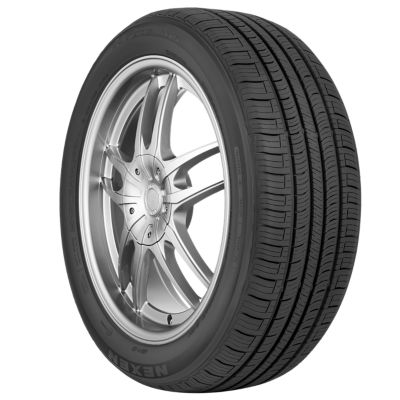
This section is not applicable to tire rotation. This article focuses on tire rotation frequency and patterns. For tire rotation, the general guideline is to rotate your tires every 5,000 to 8,000 miles, or with every oil change. This helps ensure even wear across all four tires. However, always consult your vehicle's owner's manual for the manufacturer's specific recommendations, as some vehicles or tire types might have different requirements. Regular rotations can significantly extend the life of your tires, like the Nexen N Priz AH5, and maintain consistent handling characteristics.
Top picks
Frequently asked questions
How often should I rotate my tires?
You should generally rotate your tires every 5,000 to 8,000 miles, or with every oil change. This helps promote even wear and extends the overall lifespan of your tires, ensuring consistent performance and handling.
What happens if I don't rotate my tires?
Skipping tire rotations leads to uneven wear, where some tires wear out much faster than others. This can reduce tire lifespan, negatively impact handling and braking, and potentially require you to replace a full set of tires sooner than necessary.
Can I rotate directional tires myself?
Yes, but with a limitation. Directional tires must maintain their rotational direction. You can only move them from front to back on the same side of the vehicle. To move them to the opposite side, they would need to be dismounted and remounted on the wheel by a professional.
Does tire rotation improve fuel economy?
Indirectly, yes. Evenly worn tires maintain better contact with the road, which can contribute to more efficient rolling resistance. While not a dramatic change, proper tire maintenance, including rotation, helps your vehicle operate at its optimal efficiency.