
Why this matters for your vehicle
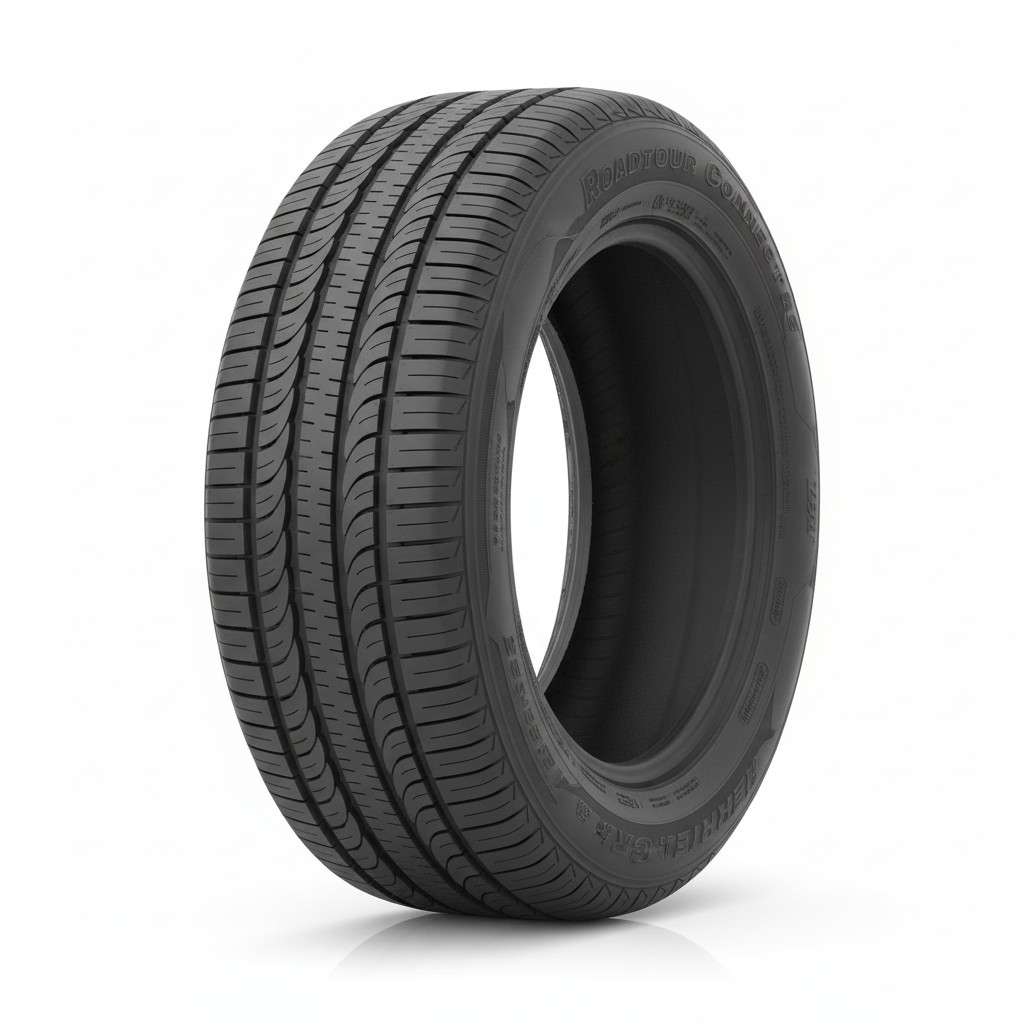
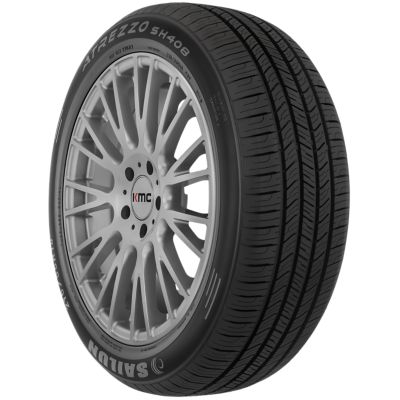
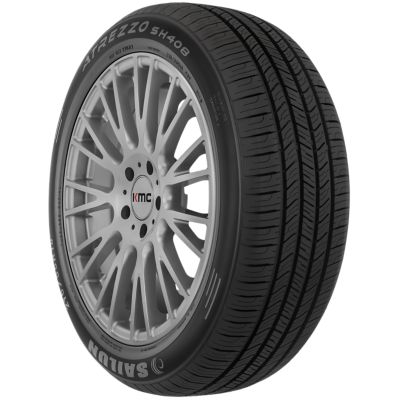
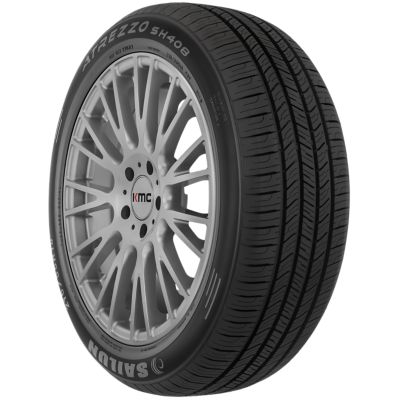
When you get a new set of tires, whether it's a fresh set of Sailun Atrezzo SH408s or some Hercules Roadtour Connect AS, they're not ready for aggressive driving right out of the gate. Think of it like a new pair of shoes – they need a little time to conform and feel right. New tires have a few things going on that require a gentle touch for the first 500 miles or so. First, there are mold release compounds. These are lubricants used in the manufacturing process to get the tire out of the mold. They're slick, and they need to wear off the tread surface before you get full grip.
Then there's the rubber itself. It needs to heat cycle a bit, flex, and settle onto the wheel. The various components of the tire – the plies, belts, and tread – need to get used to working together under load. This break-in period isn't just about safety; it's about getting the best performance and longest life out of your investment. Skipping it can lead to reduced traction, uneven wear, and a shorter lifespan for your tires.
Before you start: when NOT to DIY
Breaking in new tires isn't a DIY job in the traditional sense; it's about how you drive. However, there are times when you should definitely have a professional look at your vehicle after new tire installation. If you notice any of these issues, get it to a shop:
- Persistent vibrations or shimmies in the steering wheel or seat.
- The vehicle pulls significantly to one side, even after an alignment.
- Unusual noises coming from the wheels or tires.
- A sudden, noticeable drop in tire pressure in one or more tires.
- Any visible damage to the tire sidewall or tread after installation.
Step-by-step procedure
Breaking in new tires is less about wrenching and more about mindful driving. Here’s how you handle those first crucial miles.
Step 1 — Check tire pressure Before you even leave the shop, or right after you get home, check your tire pressure. The installer should have set it correctly, but it's always good to double-check. Find the recommended pressure on the sticker inside your driver's side door jamb. Don't use the maximum pressure listed on the tire sidewall. I always do a quick pressure check on every car that leaves my bay with new tires. It's a simple thing that makes a big difference.
Step 2 — Drive gently for the first 500 miles This is the golden rule. For the first 500 miles, treat your vehicle like it's got a fresh engine break-in. Avoid aggressive driving. That means no hard acceleration, no sudden stops, and no sharp, high-speed turns. The goal is to allow those mold release compounds to wear off evenly and let the tire components settle.
Step 3 — Vary your speeds Don't just hop on the highway and set the cruise control for 500 miles. Try to vary your driving speeds. Mix in some city driving with highway stretches. This helps distribute the wear and heat cycles across the entire tread surface, promoting a more uniform break-in.
Step 4 — Be mindful of wet conditions Those mold release compounds are especially slick in the rain. Until they're fully worn off, your new tires will have less grip in wet conditions than they will later on. Drive extra cautiously in the rain during the break-in period.
Step 5 — Avoid heavy loads and towing During the initial break-in, try to avoid putting your vehicle under extreme stress. If you regularly haul heavy loads or tow a trailer, it's best to hold off on those activities until after the 500-mile mark. This allows the tire structure to stabilize without undue strain.
Step 6 — Re-check lug nut torque After about 50-100 miles, it's a good idea to re-torque your lug nuts. Wheels can settle after initial installation, and sometimes lug nuts can loosen slightly. Consult your service manual for the correct lug nut torque specification for your vehicle. This is a quick safety check that takes only a few minutes.
Step 7 — Monitor tire pressure again About halfway through your break-in (around 250 miles), check your tire pressure again. As the tires settle, pressures can sometimes change slightly. Maintaining correct pressure is crucial for even wear and optimal performance throughout the tire's life.
Step 8 — Listen and feel for changes Pay attention to how your vehicle feels. New tires might feel a little different at first – perhaps a bit softer or firmer, or the steering might feel slightly different. This is normal as they break in. However, if you notice anything concerning, like persistent vibrations, pulling, or unusual noises, get it checked out by a professional.
Common mistakes during tire break-in
Many drivers overlook the importance of the break-in period. Here are some common mistakes to avoid:
- Ignoring tire pressure checks: Failing to check tire pressure can lead to uneven wear and performance issues.
- Driving aggressively: Hard stops and fast starts can cause premature wear and reduce grip.
- Neglecting to vary driving conditions: Sticking to one type of driving can lead to uneven break-in.
- Overloading the vehicle: Putting too much weight on new tires can hinder their ability to settle properly.
How often to replace front brake pads
We're talking about tires here, not brake pads. Generally, tires should be replaced when the tread depth reaches 2/32nds of an inch, or every 6-10 years, even if they still have some tread left. This mileage can vary widely, from 25,000 miles for high-performance tires to 80,000 miles or more for some touring tires like the Toyo Extensa AS II. Always check your tire's wear indicators. Other warning signs include visible cracks in the sidewall, bulges, or excessive vibration. Regular rotations and proper inflation will help maximize their lifespan.
Top picks
Frequently asked questions
Why do new tires need a break-in period?
New tires have mold release compounds on the surface that need to wear off for optimal grip. The internal components also need time to settle and conform to driving conditions, ensuring proper performance and longevity.
What happens if I don't break in my new tires?
Skipping the break-in can lead to reduced traction, especially in wet conditions, and potentially uneven wear patterns. This can shorten the tire's lifespan and compromise handling and safety.
How long does it take to break in new tires?
The recommended break-in period for most new tires is approximately 500 miles. During this time, it's important to drive gently, avoiding aggressive acceleration, braking, and sharp turns.
Should I check tire pressure after getting new tires?
Absolutely. Always check your tire pressure immediately after installation and again after about 50-100 miles. Proper inflation is critical for safe driving and maximizing tire life.