Why this matters for your vehicle
Your power steering system makes turning the wheel easy. Without it, you'd be wrestling the steering wheel like you're driving a tractor from 1950. The fluid in this system transmits the hydraulic pressure from the pump to the steering rack or gearbox, helping you steer with minimal effort. Keeping that fluid at the right level and in good condition is crucial for smooth, responsive steering.
Low power steering fluid can lead to a whining noise when you turn the wheel, especially at low speeds. You might also notice the steering feels heavier or less consistent. Over time, running low on fluid can damage your power steering pump or the steering rack itself, leading to much more expensive repairs than just topping off a reservoir. This is one of those simple checks that can save you a lot of headaches and money down the road.
Before you start: when NOT to DIY
Most power steering fluid checks and top-offs are straightforward. However, there are times when you should skip the DIY and take your vehicle to a professional shop. If you notice any of these issues, it's time for a mechanic to take a look:
- Your power steering fluid is consistently low, even after topping it off.
- You see significant puddles of fluid under your vehicle.
- The steering wheel is extremely hard to turn, even after adding fluid.
- You hear loud grinding or clunking noises from the steering system.
- The fluid in your reservoir is black, foamy, or smells burnt.
Step-by-step procedure
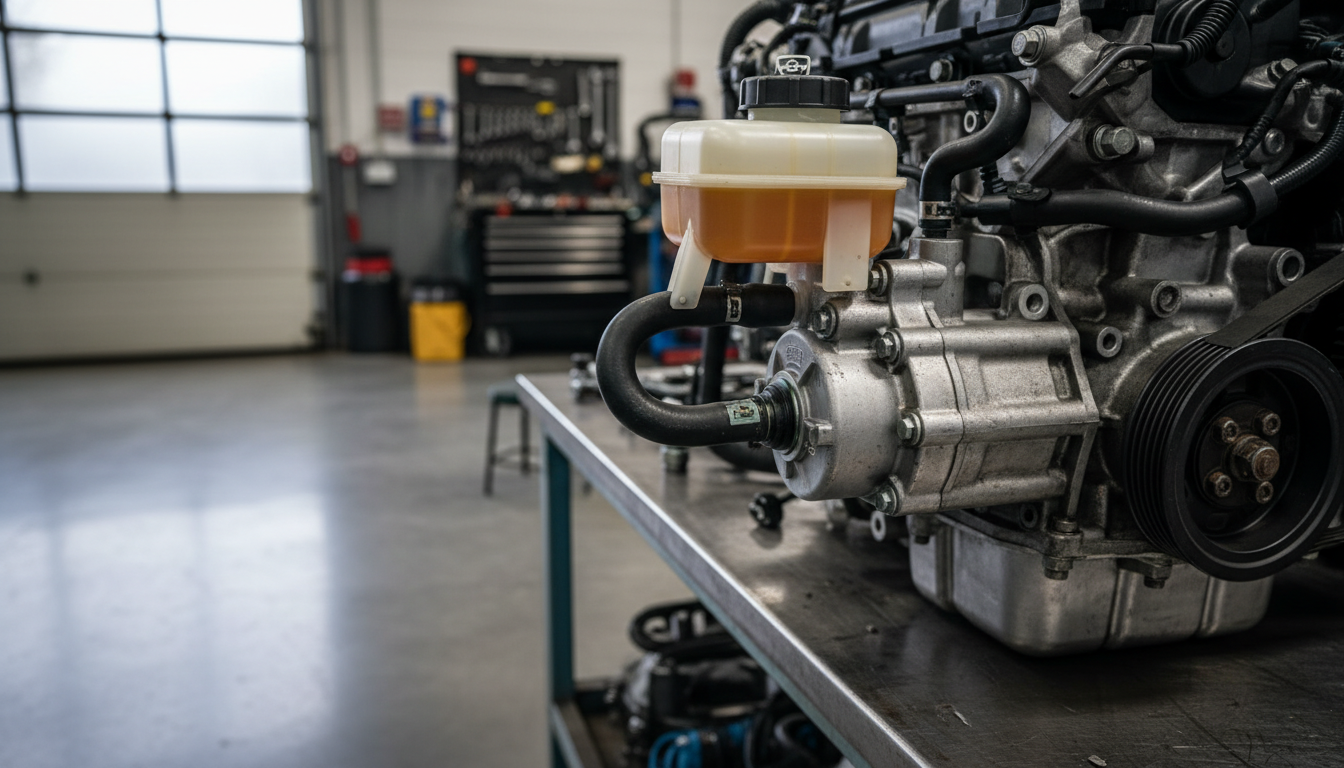
Step 1 — Locate the power steering reservoir Pop the hood and look for a plastic reservoir, usually white or yellow, often with a cap that says "Power Steering" or has a steering wheel icon. It's typically located on one side of the engine bay, often near the serpentine belt and the power steering pump. Some vehicles, particularly older ones, might have a metal canister reservoir.
Step 2 — Check the fluid level Most reservoirs have a dipstick built into the cap or markings on the side of the tank. There will usually be two sets of marks: "HOT" and "COLD". If your engine is cold and hasn't been run recently, check the fluid against the "COLD" marks. If the engine is at operating temperature, check against the "HOT" marks. The fluid level should be between the minimum and maximum lines for the appropriate temperature.
Step 3 — Inspect the fluid condition Pull out the dipstick or look into the reservoir. The fluid should be reddish, amber, or clear. If it's dark brown, black, or smells burnt, it's likely old and contaminated. This indicates it's time for a fluid flush, not just a top-off. I always recommend a flush if the fluid looks really bad; a simple top-off won't fix the underlying issue of degraded fluid.
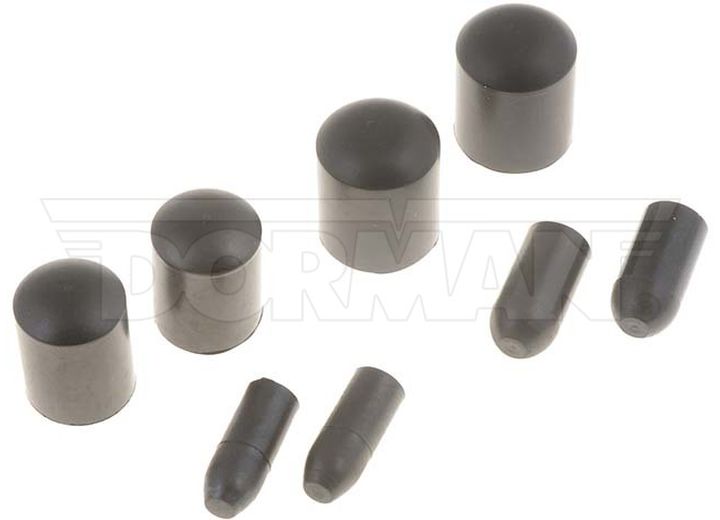
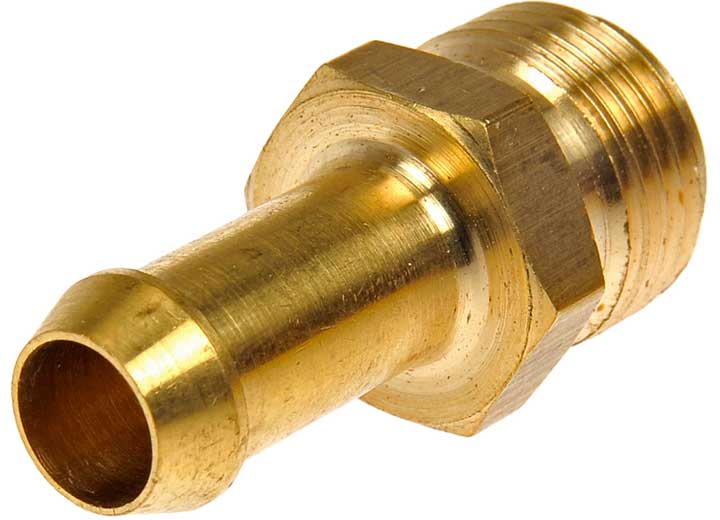
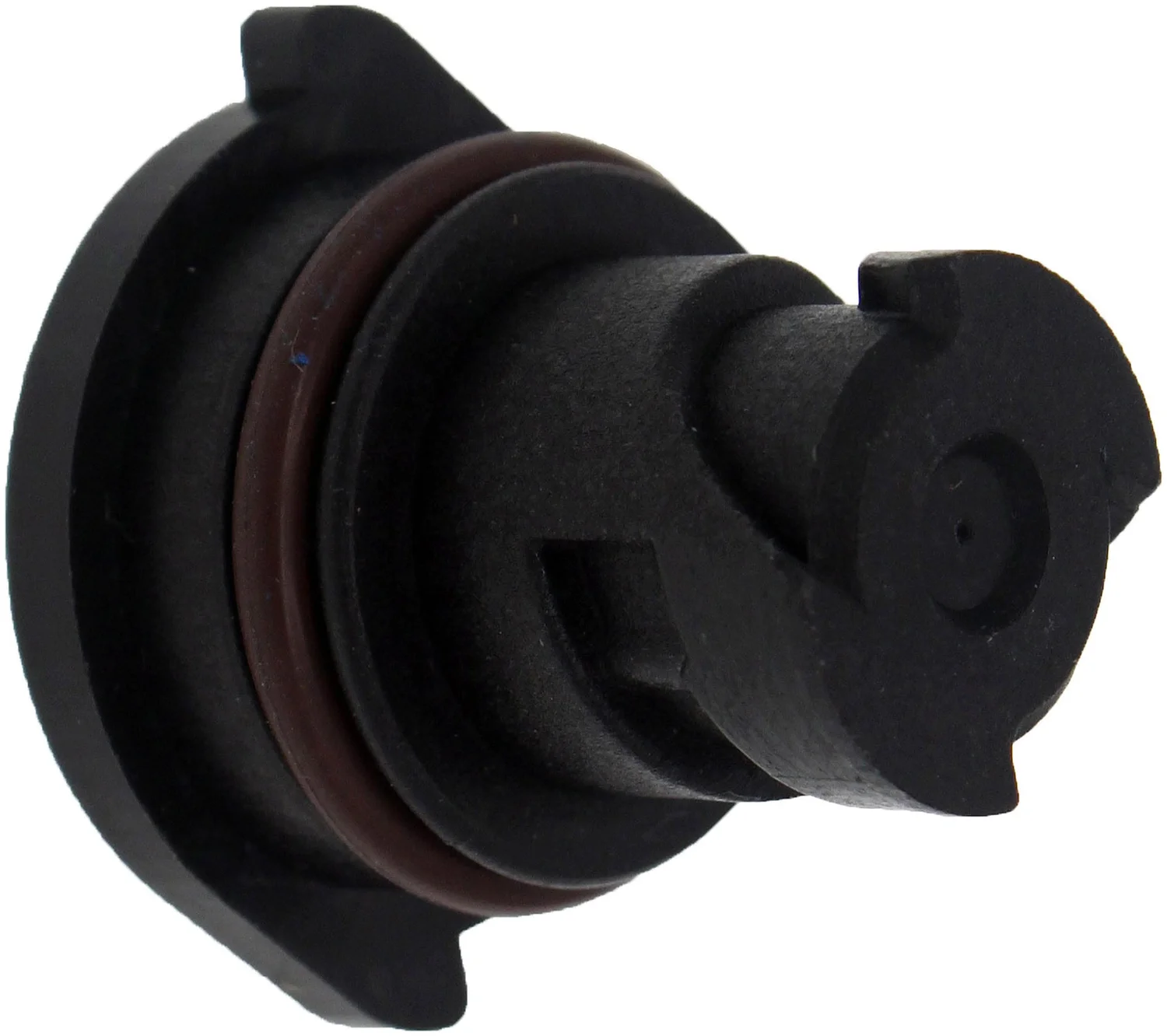
Step 4 — Determine the correct fluid type This is critical. Using the wrong power steering fluid can damage your system. Consult your vehicle's owner's manual. Some vehicles use specific power steering fluid, others use automatic transmission fluid (ATF), and some newer electric power steering systems don't use hydraulic fluid at all. Don't guess. If you're unsure, ask a parts store or mechanic. You won't find power steering fluid among the Advanced Engine Design or Dorman parts here, so you'll need to source it elsewhere.
Step 5 — Top off the fluid (if needed) If the fluid level is low, carefully add the correct type of power steering fluid. Use a funnel to prevent spills. Add small amounts at a time, checking the level frequently. You want to bring the fluid up to the appropriate "COLD" or "HOT" maximum line. Do not overfill the reservoir, as this can cause the fluid to foam and potentially damage the system.
Step 6 — Reinstall the cap Once the fluid is at the correct level, securely reinstall the reservoir cap. Make sure it's tight to prevent leaks and contamination.
Step 7 — Start the engine and turn the wheel Start your vehicle and let it run for a few minutes. Turn the steering wheel from lock to lock a few times (all the way left, then all the way right). This helps circulate the new fluid and bleed any air out of the system. You might hear a slight groaning noise initially; this is normal as air works its way out.
Step 8 — Recheck the fluid level After circulating the fluid, turn off the engine and recheck the fluid level. If it has dropped, add a bit more fluid until it's at the correct mark. Repeat the process of starting the engine, turning the wheel, and rechecking until the level stabilizes.
Common mistakes
When checking and topping off power steering fluid, here are a few common mistakes to avoid:
- Using the wrong fluid: Always check your owner's manual for the correct type of fluid. Mixing different types can lead to damage.
- Overfilling the reservoir: Adding too much fluid can cause foaming, which can damage the pump. Always add fluid slowly and check frequently.
- Ignoring leaks: If you notice your fluid is consistently low, don't just top it off. Investigate for leaks and address them promptly.
How often to check your power steering fluid
It's a good practice to check your power steering fluid level with every oil change, or at least every 5,000 to 10,000 miles. Regular checks help you catch low levels or fluid degradation early. If the fluid looks dark, smells burnt, or you notice steering issues, it's time for a check and potential fluid flush. Leaks should be addressed immediately to prevent further damage to the system components.
Top picks
Frequently asked questions
What are the signs of low power steering fluid?
Common signs include a whining or groaning noise when turning the steering wheel, especially at low speeds, and the steering feeling heavier or more difficult to turn than usual. You might also notice a loss of power assist.
Can I mix different types of power steering fluid?
No, you should never mix different types of power steering fluid unless explicitly stated in your owner's manual. Using the wrong fluid or mixing incompatible fluids can cause damage to the seals and components of your power steering system.
How often should I check my power steering fluid?
It's a good practice to check your power steering fluid level with every oil change, or at least every 5,000 to 10,000 miles. Regular checks help you catch low levels or fluid degradation early.
What if my power steering fluid is consistently low?
If your power steering fluid is consistently low, it indicates a leak in the system. This could be from a hose, the pump, or the steering rack. You should have a professional inspect and repair the leak to prevent further damage.