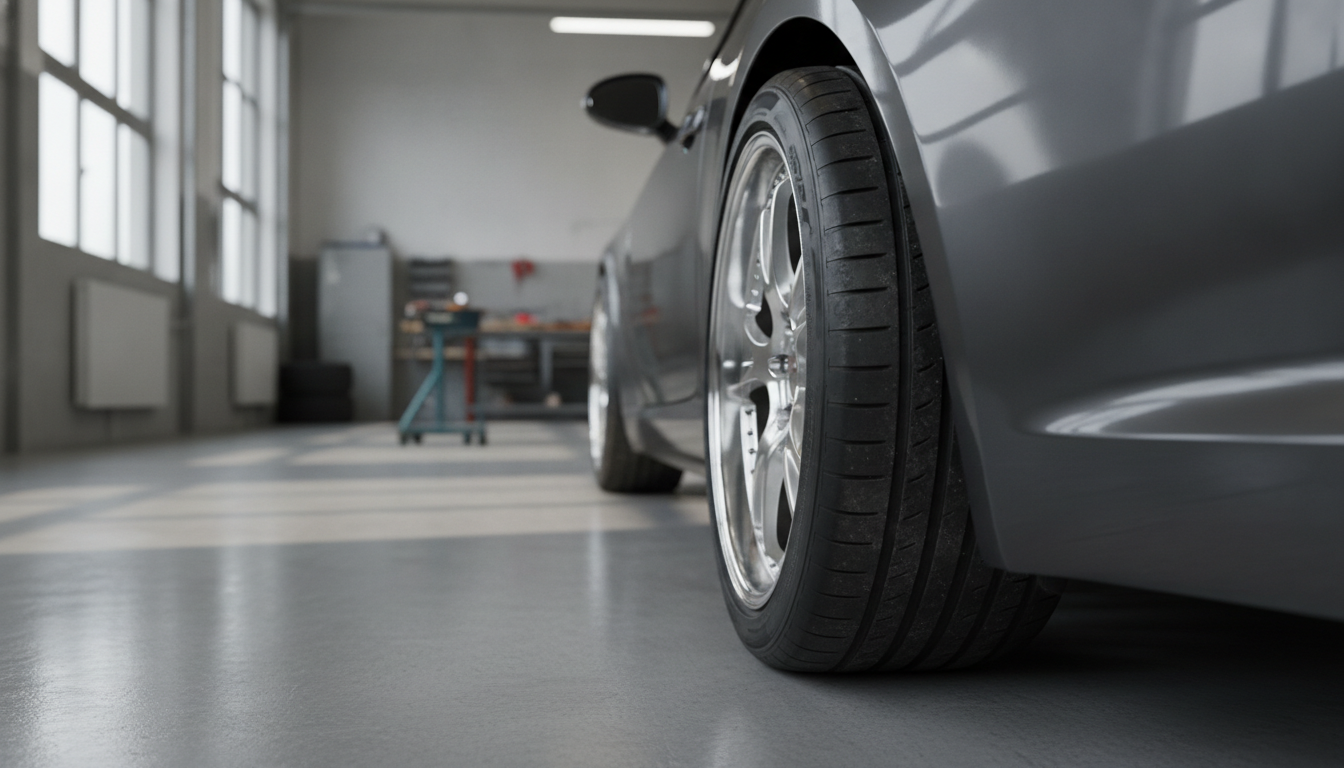
If you're looking at a set of low profile tires, you're probably chasing a certain look or better handling. It's a common upgrade, especially on cars with larger wheels from the factory or aftermarket. But before you pull the trigger, it's worth understanding what you're really getting into. There are some real tradeoffs involved with that shorter sidewall, and they impact everything from how your car rides to how often you might be replacing tires.
What to look for — 4-6 sub-sections covering buying criteria
Sidewall height and aspect ratio
This is the core of what makes a tire "low profile." The aspect ratio is the second number in a tire size like 225/45R17. It's a percentage of the tire's width that tells you the height of the sidewall. A lower number means a shorter sidewall. So a 225/45R17 has a shorter sidewall than a 225/65R17. That shorter sidewall reduces flex, which gives you better steering response and a more direct feel for the road. It also means less cushioning between your wheel and the road, which is where the ride quality discussion really starts.
Ride comfort
This is probably the biggest difference you'll notice. With less air in the sidewall, there's less give when you hit bumps or rough patches. Your car's suspension has to work harder to absorb impacts. If you're coming from a vehicle with taller sidewalls, you'll definitely feel more of the road. Some folks like that connected feel, but if you're used to a plush ride, a set of low profile tires can feel pretty harsh. It's a compromise: better handling often means a firmer ride. Think about your daily commute and the roads you drive on. If they're full of imperfections, you might want to think twice.
Pothole and curb damage
This is where low profile tires can really bite you. With less sidewall to absorb impacts, the force of hitting a pothole goes directly to the wheel and the tire's internal structure. This significantly increases the risk of bent rims, cracked wheels, and sidewall bubbles or blowouts. I've seen countless cars come into the shop with bent wheels after hitting something they barely felt in a car with standard tires. Curbs are another big one. A slight misjudgment can easily scuff or even damage a wheel that's much more exposed than it would be with a taller tire. It's not just the tire cost; wheel repair or replacement can get expensive fast.
Treadwear and longevity
Generally speaking, many low profile tires are designed with performance in mind. This often means softer rubber compounds that grip better but wear faster. While not universally true, if you're looking at a high-performance low profile tire, don't expect the same mileage you'd get from a long-wearing touring tire. Always check the UTQG (Uniform Tire Quality Grade) treadwear rating if longevity is a priority. A higher treadwear number means a longer-lasting tire, but it often comes at the expense of ultimate grip.
Noise levels
Another factor often overlooked is road noise. The stiffer sidewalls and sometimes more aggressive tread patterns found on performance-oriented low profile tires can transmit more road noise into the cabin. While some of this is subjective and depends on your vehicle's sound insulation, it's something to be aware of. If you value a quiet ride, research tire reviews specifically mentioning noise levels for the low profile options you're considering.
Quick comparison — markdown table comparing 3-5 specific products from the fact pack
| Tire Name | Size (Example) | Retail Price (Approx.) | Value Score | Quality Score | Durability Score |
|---|---|---|---|---|---|
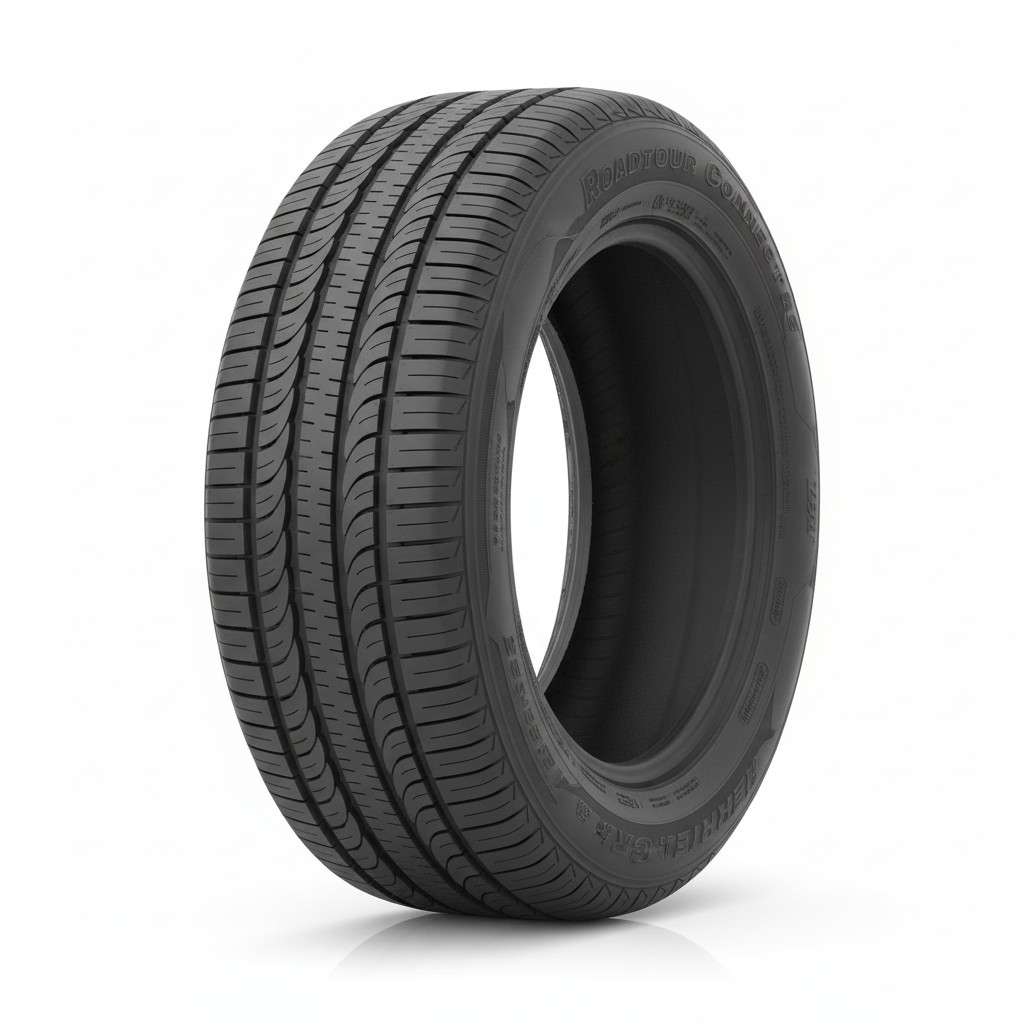
| Hercules Roadtour Connect AS | 205/65R15 | $85.99 | 91 | 78 | 86 |
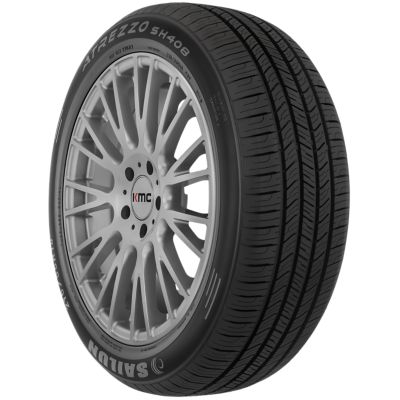
| Sailun Atrezzo SH408 | 225/60R17 | $96.40 | 90 | 77 | 82 |
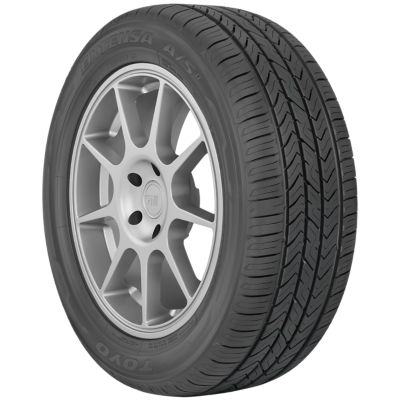
| Toyo Extensa AS II | 205/55R16 | $127.22 | 78 | 88 | 85 |
| Nexen N Priz AH5 | 215/55R17 | $136.00 | 76 | 78 | 75 |
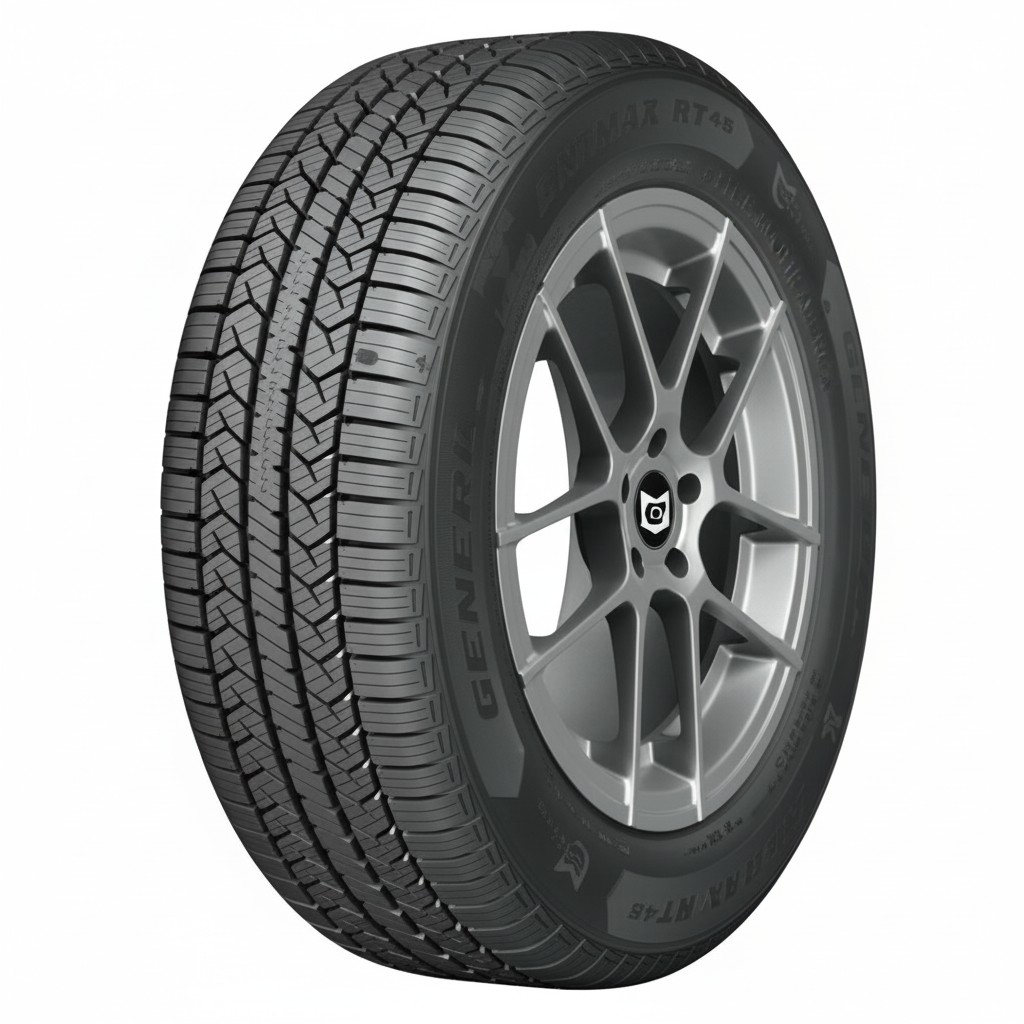
| General AltiMAX RT45 | 215/65R16 | $129.99 | 91 | 85 | 89 |
Top picks — for each, a paragraph with markdown link
Best Value for a Daily Driver: Hercules Roadtour Connect AS All Season Tire 205/65R15 94H Blackwall
If you're looking for a solid all-season performer that won't break the bank, the Hercules Roadtour Connect AS is a great choice. While the example size isn't ultra-low profile, Hercules offers various sizes. It has excellent value and durability scores, making it a reliable option for everyday driving where you want a good balance of performance and longevity. At just $85.99, with 250 in stock, it's hard to beat for the price.
Solid Performer for Mixed Driving: Sailun Atrezzo SH408 225/60R17 99H
The Sailun Atrezzo SH408 is another strong contender, offering a good blend of value and quality. This tire is a popular choice for those who need reliable all-season performance without spending a fortune. With a retail price of $96.40 and a massive 10964 in stock, it's readily available and a practical option for many vehicles. It's a step up in size from the Hercules, offering a slightly lower profile in the example given.
Premium All-Season Option: Toyo Extensa AS II 205/55R16 91H
For those willing to spend a bit more for enhanced quality, the Toyo Extensa AS II delivers. Toyo is known for its consistent performance and this tire boasts higher quality and durability scores than many budget options. While it comes in at $127.22, the improved ride and handling characteristics, along with better wet and dry grip, often justify the cost for discerning drivers. We have 1229 of these in stock.
How to verify fitment before buying
Getting the right size is critical, especially with low profile tires where clearance can be tight. The easiest way to verify fitment is to check the placard on your driver's side door jamb. This sticker will list the OEM tire size, recommended tire pressure, and sometimes even alternative sizes approved by the manufacturer. If you're upsizing your wheels or going for a significantly different aspect ratio, you need to be careful.
First, make sure the overall tire diameter stays within a few percentage points of the original. Too large, and you risk rubbing on fenders or suspension components. Too small, and your speedometer will be off, and your car will sit lower than intended. Tire calculators online can help you compare different sizes. Second, check the tire's width. Ensure there's enough clearance between the tire and your suspension, fender liners, and brake components. If you're unsure, it's always best to consult a professional. They can physically check the clearances on your vehicle to prevent costly mistakes. Don't just guess; an improper fitment can lead to safety issues and tire damage down the road. You need to make sure the load index and speed rating also match or exceed your vehicle's requirements. These numbers are right on the sidewall of your current tires and also on that door jamb placard. Don't ignore them. The load index tells you how much weight the tire can safely carry, and the speed rating indicates the maximum safe speed for the tire. Skimping on these can be dangerous.
Top picks
Frequently asked questions
What is a low profile tire?
A low profile tire has a shorter sidewall compared to its width, indicated by a smaller aspect ratio number (e.g., 45 in 225/45R17). This design reduces sidewall flex, which improves handling and steering response, but often results in a firmer ride and increased vulnerability to road hazards like potholes.
Do low profile tires wear out faster?
Often, yes. Many low profile tires are designed for performance, using softer rubber compounds that grip better but tend to wear more quickly than harder, longer-lasting touring tire compounds. However, treadwear varies greatly by specific tire model and driving habits, so always check the UTQG treadwear rating.
Are low profile tires more prone to damage?
Absolutely. With less sidewall cushioning, low profile tires and the wheels they're mounted on are significantly more susceptible to damage from potholes, curbs, and other road impacts. The force is transferred more directly to the wheel, increasing the risk of bent rims, cracks, or tire sidewall bubbles.
Will low profile tires make my ride harsher?
Yes, generally. The reduced sidewall height means less air volume to absorb bumps and road imperfections. This typically leads to a firmer, more responsive ride where you'll feel more of the road. While some drivers prefer this connected feel, it can be perceived as harsher compared to vehicles with taller sidewalls.