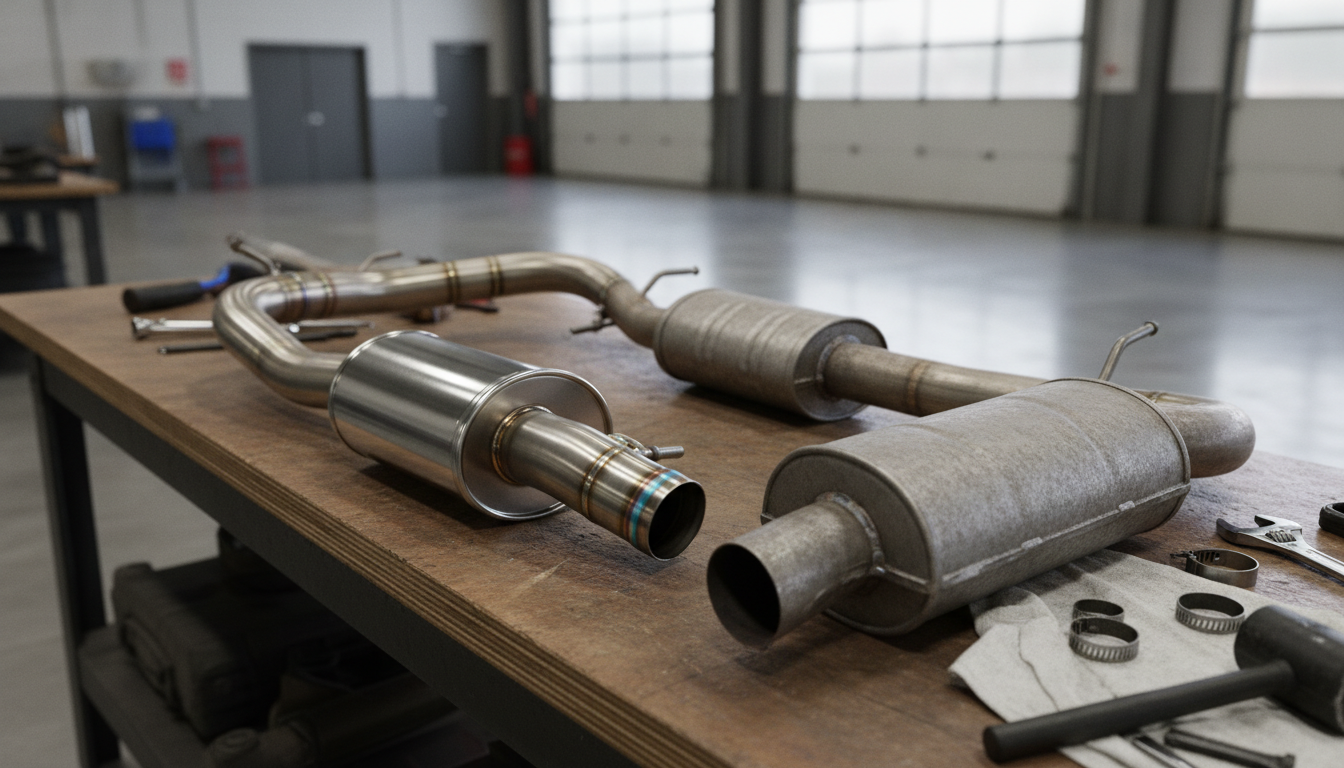
Why this matters for your vehicle
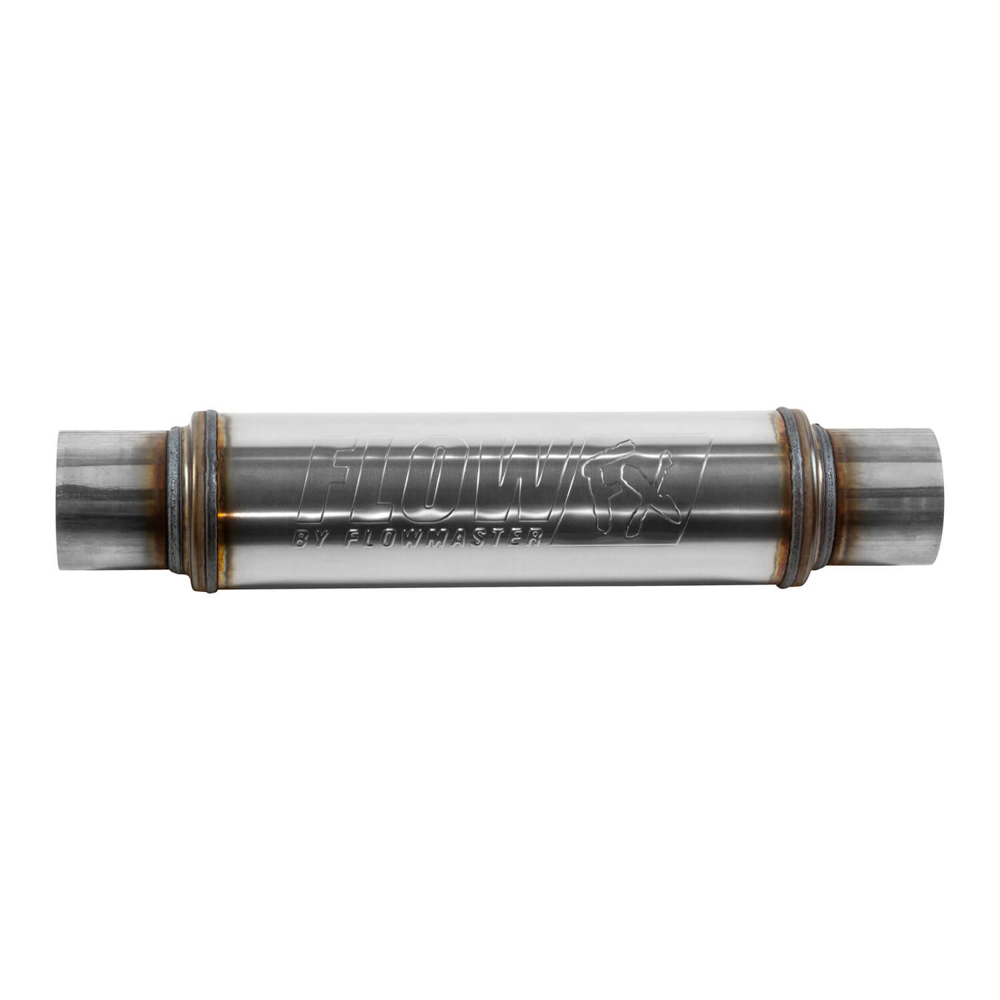
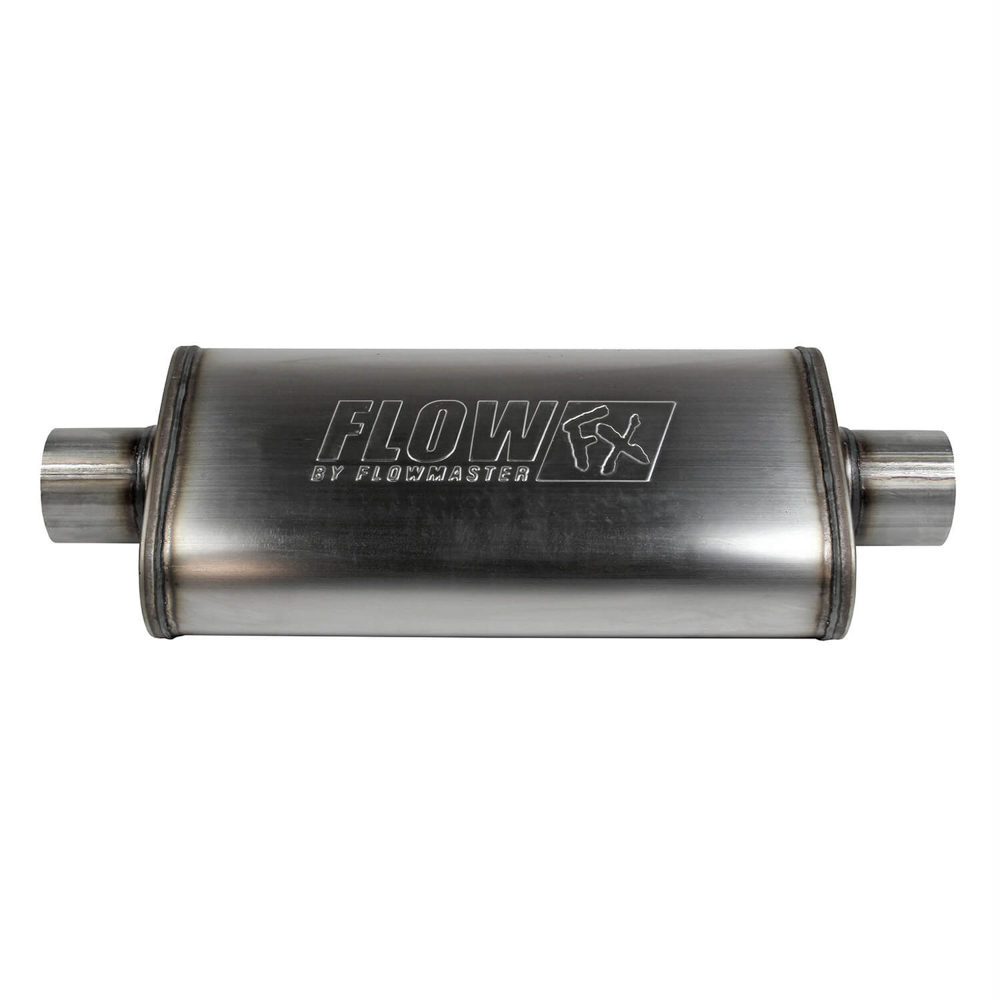
When you're looking at replacing an exhaust system, or even just a muffler like the Flowmaster FlowFX Muffler 3.00 Inch Center Inlet Center Outlet (available for $92.31), one of the biggest decisions you'll face is the material. It's not just about how it sounds or how shiny it looks. The material directly impacts how long that exhaust will hold up to the elements and the constant abuse of heat cycles and road grime. We're talking about the difference between a system that might last a few years and one that could outlive the rest of the vehicle.
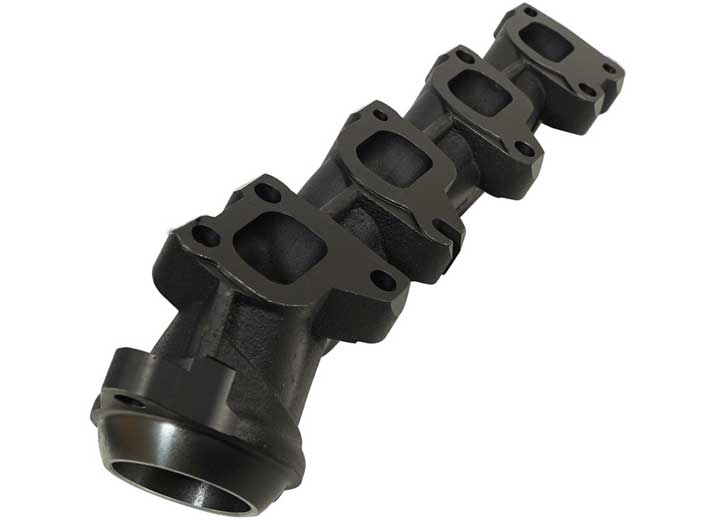
Your exhaust system is constantly battling against rust from the inside out and the outside in. Condensation forms inside the pipes, especially on short trips, and road salt or humidity attacks from the exterior. Choosing the right material for your exhaust components, from the manifold (like the BD Diesel Exhaust Manifold Kit for Dodge Ram 6.7L Cummins 2007.5-2018 at $530.99) all the way to the tailpipe, dictates its resistance to these destructive forces. This isn't just about aesthetics; it's about avoiding leaks, maintaining proper back pressure, and keeping your vehicle quiet and efficient.
Before you start: when NOT to DIY
Deciding between stainless and aluminized steel is a choice that affects the long-term health of your vehicle's exhaust. While selecting the material is a DIY decision, the actual installation of a full exhaust system can sometimes be more than a weekend warrior project. Here are some situations where it's best to leave the wrenching to the pros:
- Severely rusted fasteners: If every nut and bolt looks like it's been welded on by corrosion, you'll spend more time fighting than fixing.
- Broken studs or stripped threads: This often leads to drilling and tapping, which requires specialized tools and a steady hand.
- Catalytic converter issues: Messing with these can lead to check engine lights or emissions failures if not done correctly.
- Complex routing or fabrication: Custom systems or repairs requiring significant bending, welding, or fitting are best left to a shop with the right equipment.
- Lack of proper safety equipment: Working under a vehicle without sturdy jack stands and proper lifting equipment is incredibly dangerous.
Step-by-step procedure
Step 1 — Understand the basic materials Aluminized steel is essentially regular steel with a coating of aluminum-silicon alloy. This coating helps protect the steel from corrosion, especially from road salt and moisture. It's a cost-effective solution that offers better resistance than plain mild steel. Stainless steel, on the other hand, is an alloy of steel with chromium (and sometimes nickel or molybdenum). The chromium forms a passive layer on the surface, making it highly resistant to rust and corrosion throughout the material, not just on the surface.
Step 2 — Consider your driving environment If you live in a dry climate with minimal road salt, an aluminized exhaust might last you a good five to ten years without major issues. However, if you're in a region with heavy road salt use, high humidity, or frequent exposure to corrosive elements, that aluminized coating will eventually wear through, and the underlying steel will rust quickly. Stainless steel shines in these harsh environments, often lasting 15 years or more, sometimes even the life of the vehicle. I've seen countless aluminized systems from salty climates come in with holes after just a few winters, while stainless holds strong.
Step 3 — Evaluate the cost difference Generally, stainless steel exhaust components are more expensive than their aluminized counterparts. For example, a Flowmaster FlowFX Muffler 3.00 Inch Center Inlet Center Outlet (MPN 71419) is available for $92.31. A similar aluminized muffler might be slightly cheaper. However, consider the long-term value. If you plan to keep your vehicle for many years, the higher initial cost of stainless steel can be offset by not having to replace the exhaust system multiple times. Think of it as an investment in durability.
Step 4 — Look at different grades of stainless steel Not all stainless steel is created equal. You'll often hear about 409, 439, and 304 stainless steel. 409 is the most common and least expensive, offering good corrosion resistance, but it can still show some surface rust over time. 439 is a step up, with better corrosion resistance. 304 stainless is the top tier for exhaust systems, offering excellent corrosion resistance and a bright, polished look. It's also the most expensive. The higher the grade, the better the durability against rust and pitting.
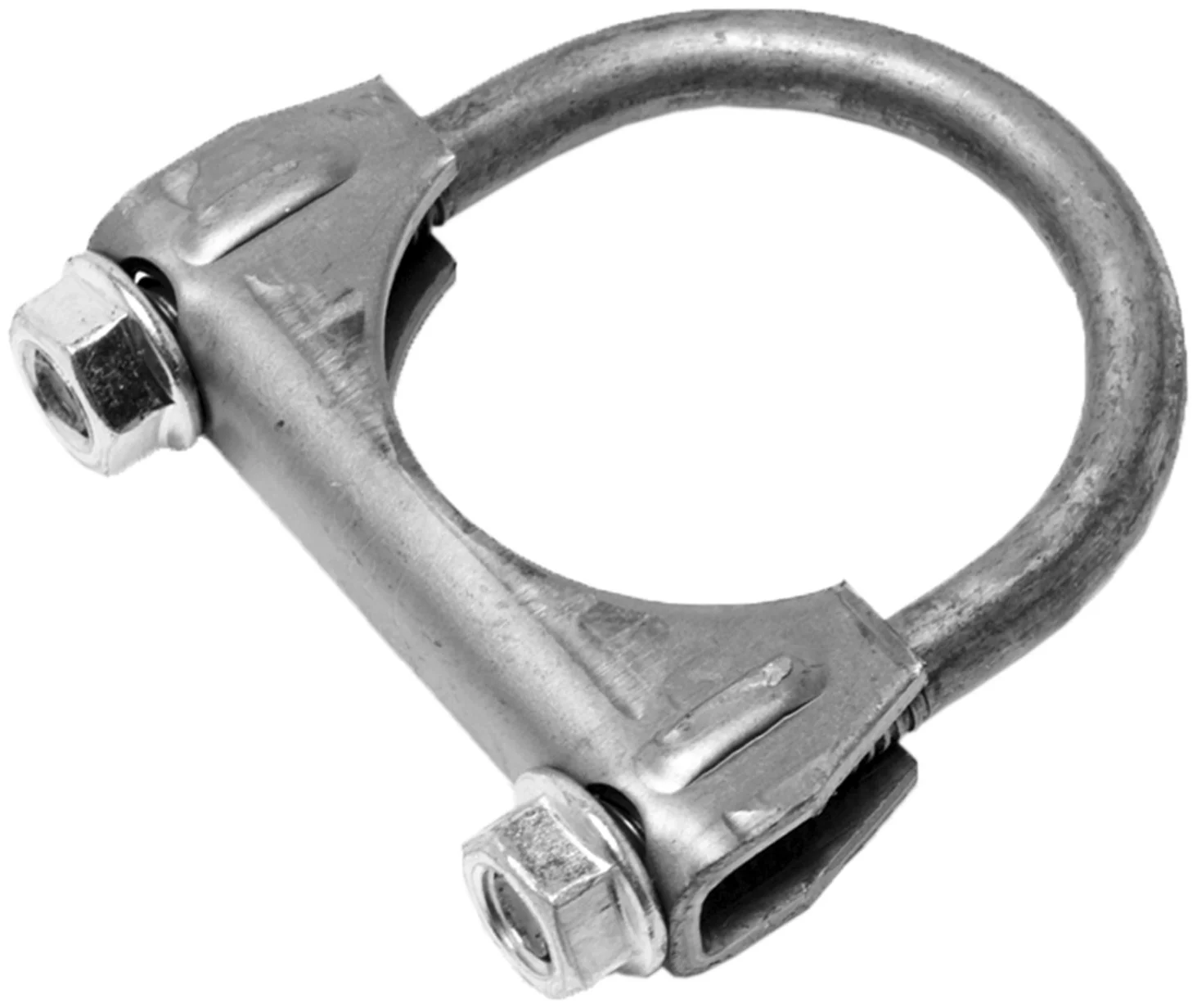
Step 5 — Check the thickness and construction Regardless of the material, the overall quality of the exhaust system matters. Look for thicker gauge tubing and well-executed welds. A poorly welded stainless steel system might fail prematurely even if the material itself is durable. A robust U-clamp, like the Walker Exhaust HD U Clamp Fits 4 Inch Connection for $5.12, can make a big difference in how long connections hold up.
Step 6 — Consider your performance goals For most street applications, there's no significant performance difference between stainless and aluminized steel. Both can be formed into the necessary shapes and sizes for optimal exhaust flow. The choice primarily comes down to durability and budget, not horsepower gains. If you're building a high-performance custom setup, you'll likely be looking at 304 stainless for its strength and corrosion resistance, but that's a different ballgame.
Step 7 — Factor in installation and maintenance Installing either type of exhaust requires similar tools and procedures. You'll need exhaust gaskets, such as the Walker Exhaust Gasket Dodge Ford Mazda Each for $5.04. The main difference is that stainless steel is harder to bend and weld, so if you're doing custom fabrication, it's a bit more challenging. Once installed, both benefit from occasional cleaning, especially if you drive in salty conditions. A quick rinse underneath after a snowstorm can help extend the life of any exhaust system.
Common mistakes
One common mistake is assuming that all stainless steel is the same. As mentioned earlier, different grades offer varying levels of corrosion resistance. Another mistake is neglecting to consider the driving environment. If you live in a region with harsh winters, aluminized steel may not hold up as well as you expect. Finally, many people overlook the importance of proper installation. A poorly installed exhaust system can lead to leaks and premature failure, regardless of the material used.
How often to replace front brake pads
This section is not applicable to an exhaust comparison article. Exhaust systems are replaced when they fail due to corrosion, damage, or for performance upgrades, not on a mileage-based schedule like brake pads. Typically, an aluminized exhaust might last 3-7 years depending on climate, while a stainless steel system can last 10-20 years or more. Common warning signs for exhaust replacement include loud noises, rattling, a noticeable decrease in fuel efficiency, or exhaust fumes entering the cabin. Visually inspect for rust holes, cracks, or loose connections regularly.
Top picks
Frequently asked questions
What is the main difference between stainless and aluminized exhaust?
The main difference is corrosion resistance. Stainless steel has chromium throughout the material, providing superior rust protection. Aluminized steel has an aluminum-silicon coating on the surface, which offers good but ultimately limited rust resistance compared to stainless.
Is stainless steel exhaust worth the extra cost?
For many drivers, yes. If you live in a harsh climate with road salt or high humidity, or if you plan to keep your vehicle for a long time, the extra cost of stainless steel is often justified by its significantly longer lifespan and reduced need for replacement.
Will a stainless steel exhaust improve my car's performance?
Not significantly by material alone. Both stainless and aluminized steel can be used to construct exhaust systems that optimize flow. Any performance gains come from the design of the system (e.g., mandrel bends, larger diameter) rather than the material itself. The primary benefit of stainless is durability.
Can I mix stainless and aluminized exhaust components?
Yes, you can. For example, you might use a stainless steel muffler with aluminized piping. However, the overall lifespan of your exhaust system will be limited by the least durable component. It's generally best to use the same material throughout for consistent longevity.