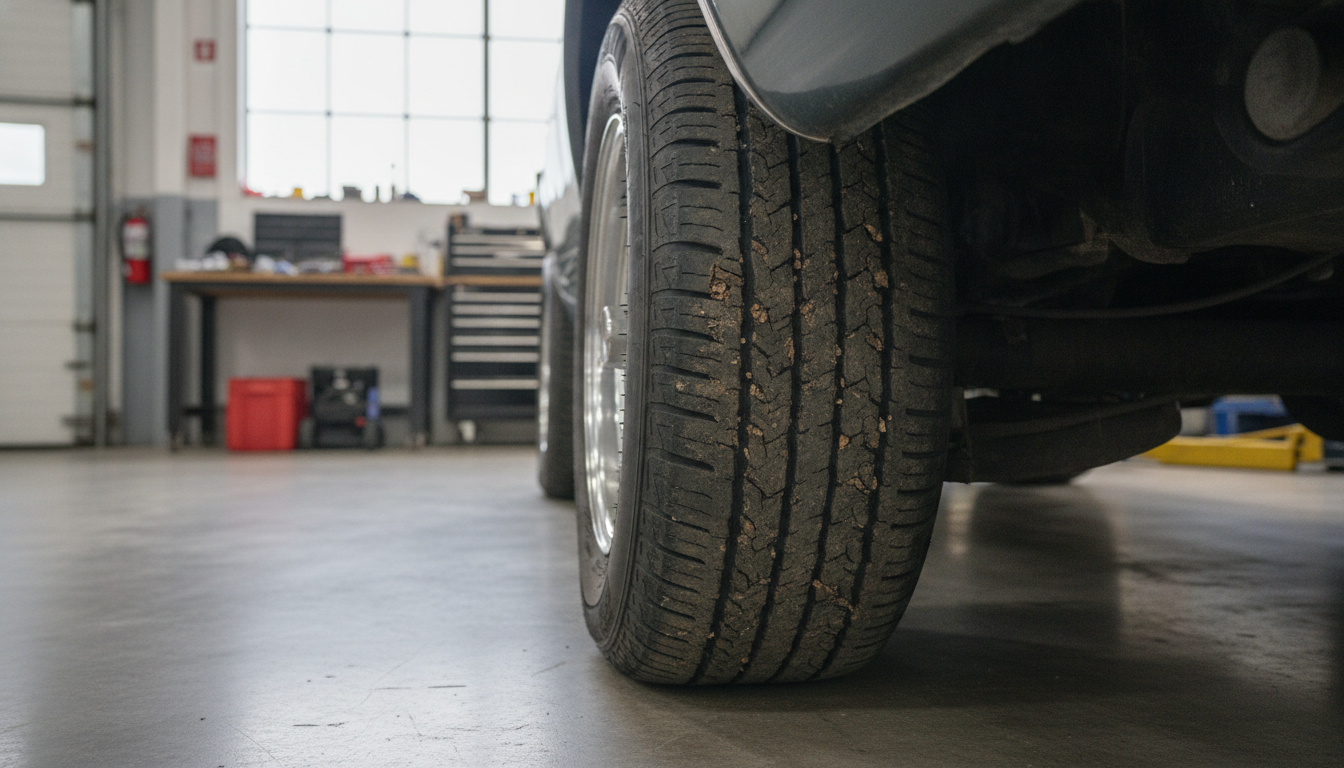
Tire dry rot, also called sidewall cracking or weather checking, is a common problem, especially on vehicles that sit a lot or are exposed to harsh elements. It's basically when the rubber compounds in your tires start to break down and lose their elasticity. You'll see it as small cracks, usually on the sidewall, but sometimes in the tread grooves or even on the beads.
It's not just a cosmetic issue. As dry rot gets worse, those cracks can deepen, compromising the structural integrity of the tire. This can lead to tread separation, blowouts, or other catastrophic failures, especially at highway speeds. You don't want to mess around with dry rot; if it's severe, you need new tires.
Most common causes
| Cause | Likelihood | DIY-fixable? |
|---|---|---|
| UV exposure | High | Preventable |
| Lack of use | High | Preventable |
| Extreme temperatures | Medium | Preventable |
| Improper inflation | Medium | No |
| Harsh chemicals | Low | Preventable |
| Age of tire | High | No |
The biggest enemy of your tires is the sun. Ultraviolet (UV) light breaks down the rubber's chemical bonds over time. This is why tires on vehicles stored outside, especially in sunny climates, tend to dry rot faster. Heat makes it worse, accelerating the chemical breakdown. If your car sits for long periods, the anti-ozonant chemicals in the rubber don't get worked through the tire, making it more susceptible to cracking. Think of it like a muscle that needs to be flexed to stay healthy.
How to diagnose
Diagnosing dry rot is pretty straightforward. You just need to know what to look for and where. Grab a flashlight and get down close to your tires.
- Inspect the sidewall: This is the most common place to find dry rot. Look for small, hairline cracks, especially near the rim or around the raised lettering. They might look like a spiderweb pattern. Gently flex the sidewall with your hand to see if the cracks open up or become more visible.
- Check the tread grooves: Sometimes dry rot can appear between the tread blocks. Spread the grooves slightly to get a better look. If you see cracks here, it's a bigger concern than just on the sidewall, as the tread is where the rubber meets the road.
- Examine the bead area: This is the part of the tire that seals against the wheel. You might need to air down the tire slightly or even remove it to get a good look. Cracks here are serious because they can lead to air leaks and sudden tire deflation.
- Look for discoloration: Dry rot can sometimes be accompanied by a fading or browning of the rubber, especially on older tires. This is another sign the rubber is degrading.
- Check the DOT date: Every tire has a DOT code molded into its sidewall. The last four digits indicate the week and year the tire was manufactured (e.g., 2420 means the 24th week of 2020). Tires generally have a service life of 6-10 years, regardless of mileage. Even if they look okay, rubber compounds degrade over time. I always tell customers that if their tires are over 6 years old, they need extra scrutiny, and by 10 years, they should be replaced, even if they look fine. The rubber just isn't as reliable anymore.
Once you've found cracks, you need to assess their severity. Small, superficial cracks that don't penetrate deep into the rubber might be okay for a while, but they're a warning sign. If the cracks are deep, wide, or extend into the cords of the tire, it's time for replacement. You can try to gently pry open a crack with a small, blunt object (like a plastic trim tool) to see how deep it goes. If you see fabric or cord material, the tire is unsafe.
Parts that commonly need replacing
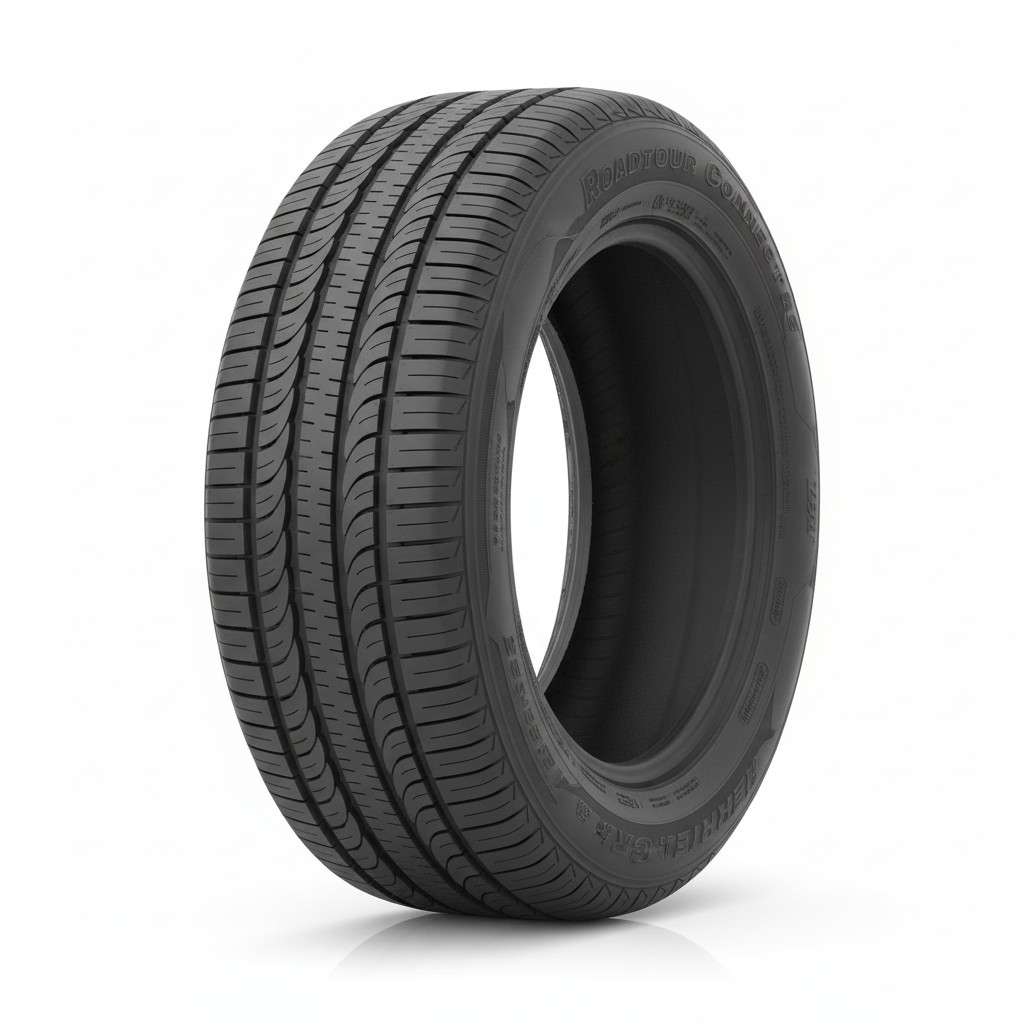
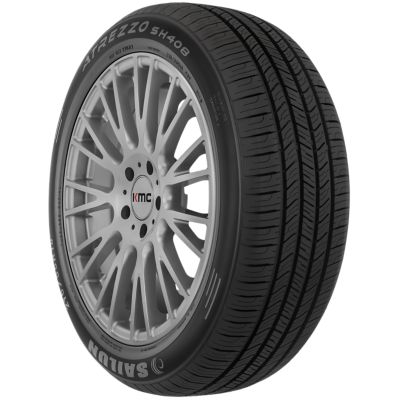
If your tires are showing significant dry rot, the only part that needs replacing is the tire itself. There's no fixing dry rot once it's set in. You can only prevent it or slow its progression. When you're looking for new tires, consider options that offer good durability and value. For example, the Hercules Roadtour Connect AS All Season Tire 205/65R15 94H Blackwall is a solid all-season option, available for just $80.56 with over 250 in stock. Another good choice, especially if you need a common SUV size, is the Sailun Atrezzo SH408 225/65R17 102H at $96.38, with over 25,527 available. If you're looking for a slightly different size, the Sailun Atrezzo SH408 225/60R17 99H is also a strong contender at $96.40, with over 11,351 in stock.
When to take it to a shop
If you've inspected your tires and you're unsure about the severity of the dry rot, or if you've determined that replacement is necessary, it's time to visit a professional. A tire shop can properly assess the damage, recommend appropriate replacement tires, and safely mount and balance them. They have the specialized equipment to handle tire removal and installation, and they can also inspect your wheels for any damage that might contribute to future tire issues. Don't try to patch or repair severely dry-rotted tires; it's a safety hazard. Replacing them is the only safe option.
Preventative measures can help extend the life of your tires. Keep them properly inflated to the pressure listed on your vehicle's door jamb sticker. Clean them regularly with mild soap and water, and consider using a UV protectant specifically designed for tires. Store vehicles out of direct sunlight if possible, or use tire covers. Regular driving helps keep the anti-ozonant chemicals active, so even short trips can be beneficial for tires that sit for long periods.
Top picks
Frequently asked questions
What does tire dry rot look like?
Tire dry rot appears as small, hairline cracks on the sidewall, in the tread grooves, or near the bead of the tire. These cracks can look like a spiderweb pattern and may deepen over time, indicating degradation of the rubber.
Is it safe to drive on tires with dry rot?
It depends on the severity. Small, superficial cracks might be acceptable for a short time, but deep, wide cracks that expose the tire's internal cords make the tire unsafe. Driving on severely dry-rotted tires increases the risk of blowouts and accidents.
How can I prevent tire dry rot?
To prevent dry rot, keep your tires properly inflated, clean them regularly with mild soap and water, and use a UV protectant. Store your vehicle out of direct sunlight or use tire covers. Regular driving also helps distribute the rubber's protective chemicals.
How long do tires last before dry rot becomes an issue?
Tires generally have a service life of 6-10 years from the date of manufacture, regardless of mileage. After about 6 years, even if they look good, the rubber compounds start to degrade, making them more susceptible to dry rot and less reliable.