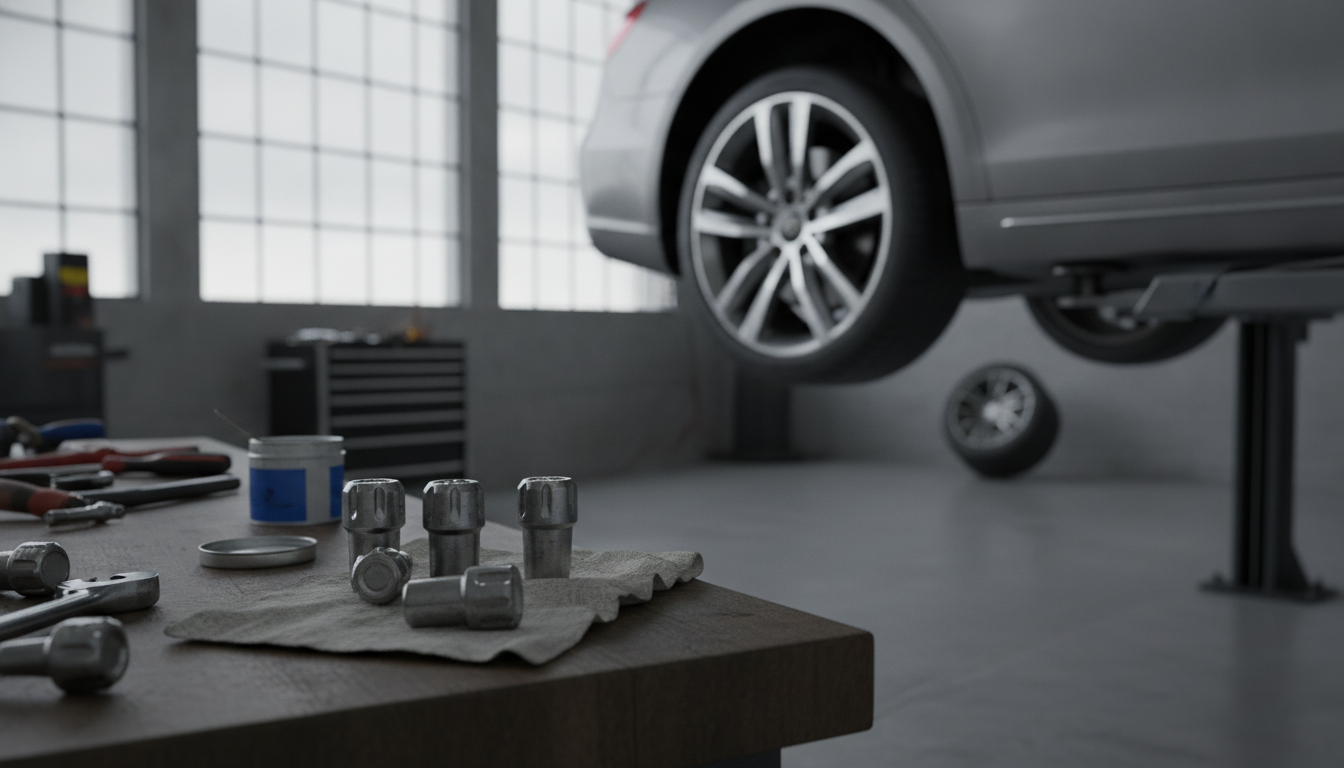
Wheel locks are a common sight on many vehicles, especially those with expensive aftermarket wheels or tires. They're designed to add an extra layer of security, making it more difficult for thieves to walk off with your rims. But are they really worth the hassle? What happens when that tiny, specialized key goes missing? Let's break down the reality of wheel locks.
What to look for
When you're considering wheel locks, it's not just about throwing on any old set. There are a few things to keep in mind to make sure you're getting something effective and not just adding a different kind of headache.
Security design
Not all wheel locks are created equal. The simplest designs have a pattern that's easy for a determined thief to defeat with a universal removal tool or even a slightly undersized socket hammered on. Look for complex, irregular patterns. Some designs use spinning collars that prevent gripping, or patterns that require a very specific, deep-set key. The more unique the pattern, the harder it is to bypass quickly. Remember, the goal isn't to make it impossible to steal your wheels, but to make it more difficult and time-consuming than the next guy's ride.
Material quality
Wheel locks are exposed to the elements and a lot of abuse from impact wrenches (even if you're not supposed to use them on locks). You want something made from hardened steel that won't easily strip or deform. Cheaper locks can round out their patterns, making them impossible to remove even with the correct key. This is a situation you absolutely want to avoid, as it turns a simple tire rotation into a major shop visit.
Key availability and registration
This is huge. If you lose your wheel lock key, you need a way to get a replacement. Many manufacturers offer a registration service where you can record your key code. This makes ordering a new one much easier. Keep that code somewhere safe, not in your glove box where a thief could find it. Some brands also offer universal replacement programs, but knowing your specific key code is always the best bet. If the manufacturer doesn't offer a solid replacement plan, you might want to reconsider that brand of lock.
Compatibility with your wheels and studs
Just like regular lug nuts, wheel locks come in different thread sizes and seat types (conical, spherical, flat). You need to match the thread pitch of your wheel studs (e.g., M12-1.50) and the seat type of your wheels. Using the wrong seat type can damage your wheels and lead to loose lugs, which is dangerous. Make sure the lock's overall length and diameter also fit within your wheel's lug wells. Some deep-dish wheels or those with narrow lug holes might require specific slim-design keys or locks.
Brand reputation
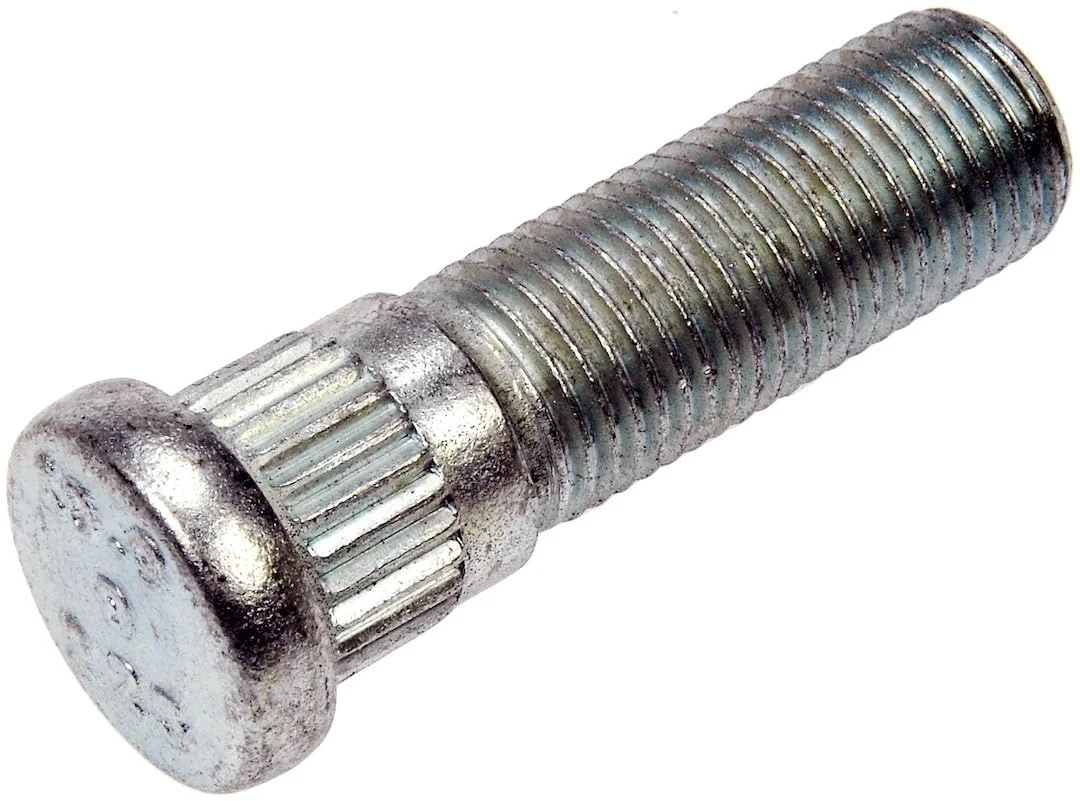
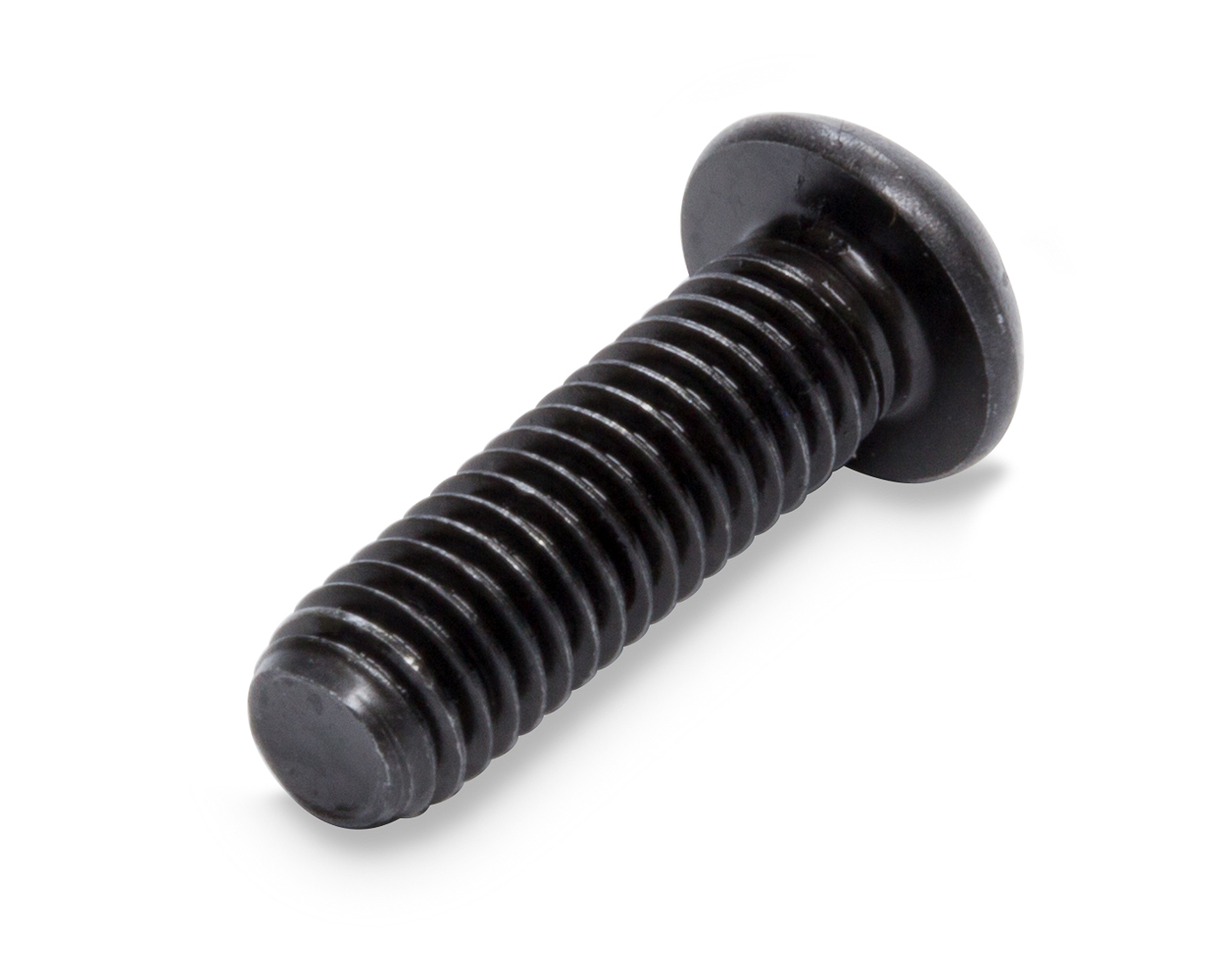
Stick with reputable brands known for quality and security. Brands like Gorilla, McGard, and others have been making wheel locks for a long time and have refined their designs. While we don't carry specific wheel lock products right now, you can find other quality wheel components from brands like Dorman, such as the Dorman Wheel Stud M12-1.50 Thread Serrated Knurl for $5.12, which has 5 in stock. Or if you're looking at more specialized applications, the Ti22 Performance Front Wheel Stud 3/8-16 x 1-1/4 Inch Chromoly is available for $5.19, with 10 in stock. These demonstrate the kind of quality you want to see in any wheel-related component.
Quick comparison
While we don't have specific wheel lock products to compare directly, here's a general idea of what to look for in terms of features and how different types of wheel components compare in terms of security and function. This table focuses on general wheel components as an example, since specific wheel lock products aren't currently in stock.
| Product Name | Security Feature | Material | Stock | Price |
|---|---|---|---|---|
| Dorman Wheel Stud M12-1.50 Thread Serrated Knurl | Essential for wheel attachment | Steel | 5 | $5.12 |
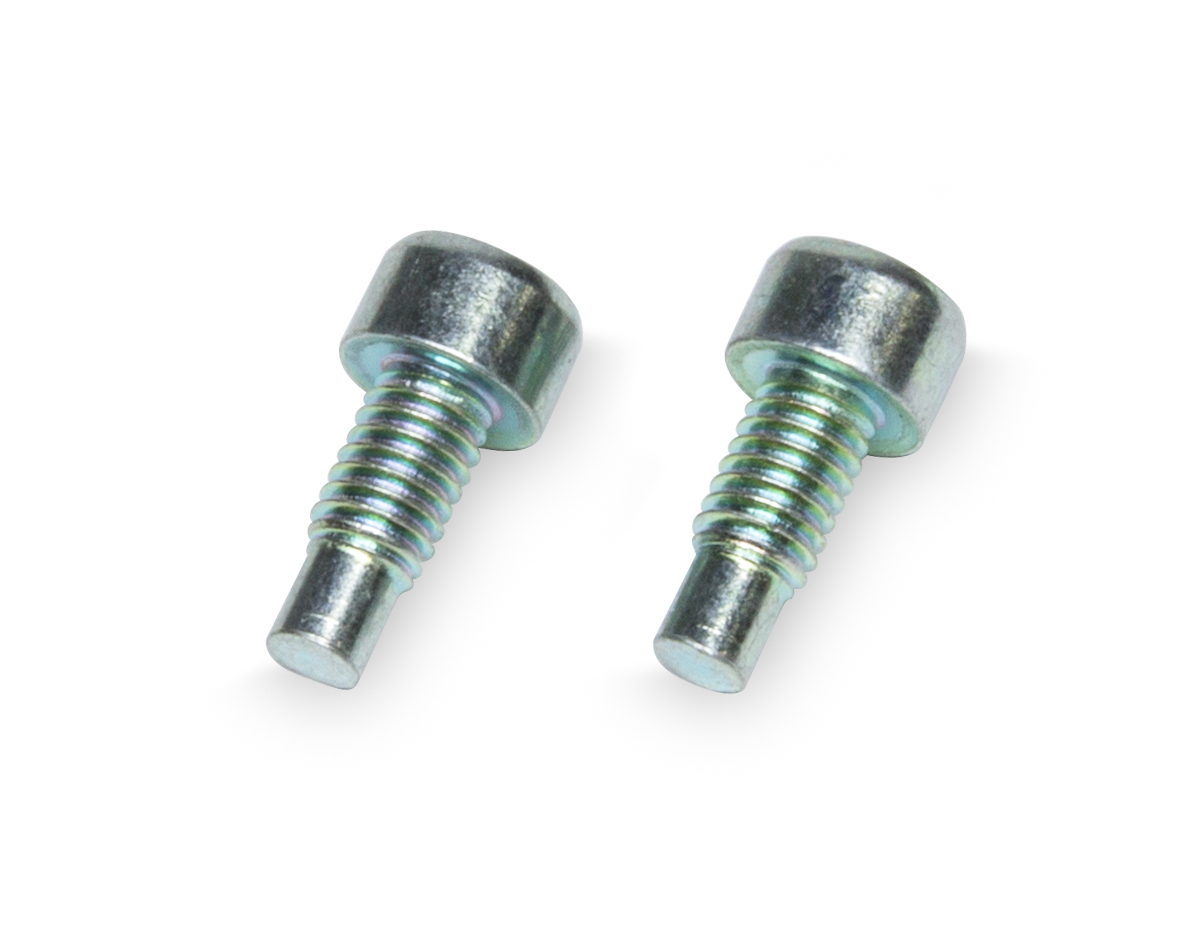
| Ti22 Performance Set Screws Spindle Lock Nut 10-32 x 1/2 inch Ti22 Direct Mount Hubs | Secures hub components, not wheel | Steel | 14 | $5.14 |
| Ti22 Performance Front Wheel Stud 3/8-16 x 1-1/4 Inch Chromoly | High-strength stud for performance applications | Chromoly Steel | 10 | $5.19 |
| Strange Wheel Stud Sleeve 0.687 inch OD 5/8-18 Thread Universal | Reinforces wheel stud, not a lock | Steel | 15 | $5.30 |
Top picks
While we don't have specific wheel locks in stock right now, here are some examples of high-quality wheel components that demonstrate the type of reliability and precision you should look for when selecting any part for your wheels.
-
Dorman Wheel Stud M12-1.50 Thread Serrated Knurl: For those needing a reliable replacement wheel stud, the Dorman Wheel Stud M12-1.50 Thread Serrated Knurl is a solid choice. It's a fundamental component for securing your wheels, and Dorman is known for producing quality parts that meet or exceed OEM specifications. It's available for $5.12 and we have 5 in stock.
-
Ti22 Performance Front Wheel Stud 3/8-16 x 1-1/4 Inch Chromoly: If you're running a performance setup or need exceptional strength, the Ti22 Performance Front Wheel Stud 3/8-16 x 1-1/4 Inch Chromoly offers superior durability. Chromoly steel is a robust material, ensuring these studs can handle high stress. You can get these for $5.19, and we have 10 available.
-
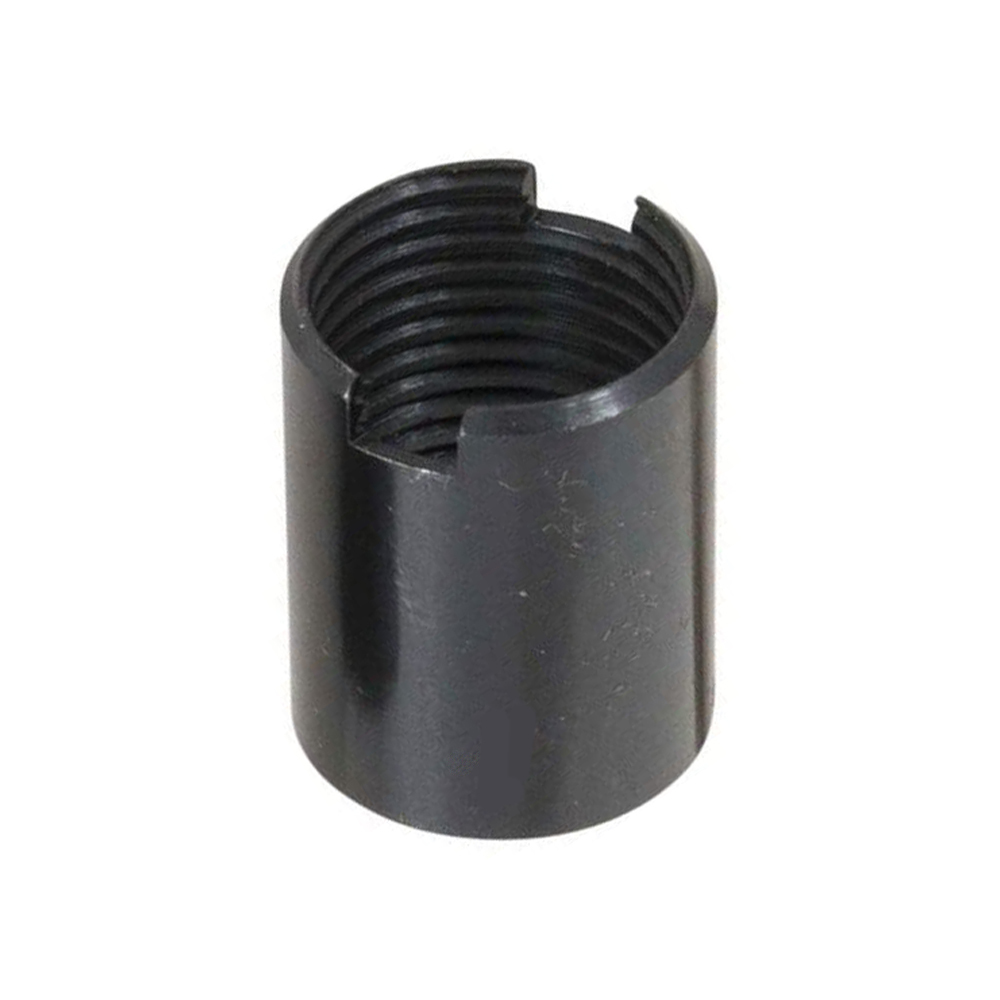
Strange Wheel Stud Sleeve 0.687 inch OD 5/8-18 Thread Universal: For added reinforcement around your wheel studs, the Strange Wheel Stud Sleeve 0.687 inch OD 5/8-18 Thread Universal is an excellent option. While not a lock, it enhances the integrity of your wheel mounting system. It's priced at $5.30 with 15 in stock.
How to verify fitment before buying
Getting the right fitment for your wheel locks is critical. Just like any other lug nut, you need to match a few key specifications to your vehicle and wheels. If you get it wrong, you risk damage or, worse, your wheels coming loose.
First, you need to know your thread size and pitch. This is the diameter of your wheel stud and how many threads per inch or millimeter it has. Common sizes include M12x1.5, M14x1.5, 1/2-20, and 9/16-18. You can usually find this information in your vehicle's owner's manual or by checking online resources for your specific make and model. If you're replacing existing lug nuts, you can also measure one or take it to a parts store to match it up.
Next, consider the seat type. This refers to the shape of the lug nut or lock where it contacts the wheel. The most common types are conical (tapered), spherical (ball seat), and flat (mag seat). Your wheels will have a specific seat type, and your wheel locks must match it exactly. Using a conical lock on a spherical seat, for example, won't properly secure the wheel and can cause damage or loosening. Visually inspect your existing lug nuts and the lug holes on your wheels to confirm the seat type.
Finally, check the overall length and diameter of the wheel lock. Some aftermarket wheels have very narrow lug holes or deep pockets that require a slim-design lock and key. Make sure the lock will sit flush or recessed as intended and that the key can fully engage without rubbing or getting stuck. If you're unsure, measure the depth and width of your wheel's lug wells. Always consult your vehicle's service manual or the wheel manufacturer's specifications to ensure proper fitment for any wheel component, including wheel locks. Don't guess; it's too important for safety.
Top picks
Frequently asked questions
Are wheel locks truly effective against theft?
Wheel locks are a deterrent, not a guarantee. They make it harder and more time-consuming for thieves, often causing them to move on to an easier target. A determined thief with specialized tools might still remove them, but they significantly reduce the risk of casual theft. Think of them as an extra layer of security, not an impenetrable barrier.
What should I do if I lose my wheel lock key?
First, check your vehicle's owner's manual or the wheel lock packaging for a key code. Contact the wheel lock manufacturer or your vehicle's dealer with this code to order a replacement. If you don't have the code, a professional mechanic can often remove them using specialized tools, but this can be a destructive process to the lock itself.
Can I drive with a missing wheel lock key?
You can drive with a missing key, but you won't be able to remove that wheel if you get a flat tire or need to perform maintenance. It's crucial to address a lost key as soon as possible. Driving without the ability to change a flat is a significant safety and convenience risk, especially on a long trip.
How many wheel locks do I need per wheel?
Typically, you only need one wheel lock per wheel. The idea is that if a thief can't get off *all* the lug nuts, they can't take the wheel. Replacing just one standard lug nut with a wheel lock on each wheel is usually sufficient to deter theft. More than one per wheel adds little extra security and doubles your chances of losing a key.