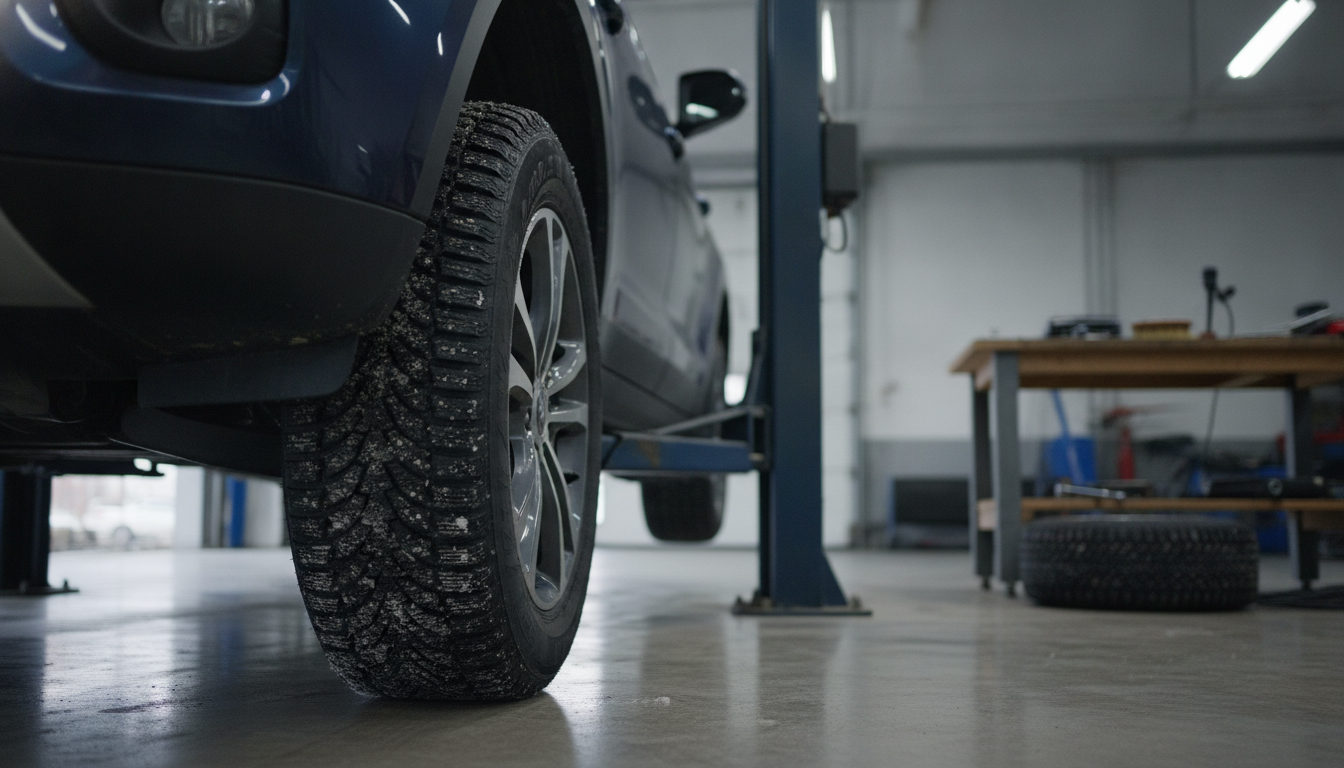
Winter driving presents unique challenges. You're dealing with cold asphalt, ice, slush, and snow. Your tires are the only thing connecting your vehicle to the road, so having the right ones makes a huge difference in safety and control. All-season tires, like the Hercules Roadtour Connect AS All Season Tire or the Sailun Atrezzo SH408, are fine for mild winters, but once the mercury consistently drops, you need something designed for the job. This guide will walk you through the different types of winter tires and help you decide which is best for your driving conditions.
What to look for
When you're shopping for winter tires, there are a few key things to consider beyond just the price tag. It's about matching the tire to your specific winter driving environment.
Temperature performance
This is the big one. Winter tires aren't just for snow and ice. Their rubber compounds are designed to stay flexible in cold temperatures, typically below 45°F (7°C). All-season tires, on the other hand, start to harden up and lose grip when it gets that cold, even on dry pavement. This flexibility is crucial for maintaining traction, braking, and handling when the temperature drops.
Tread design
Winter tires have aggressive, directional tread patterns with deep grooves and lots of sipes. Sipes are those tiny, intricate cuts in the tread blocks. They act like thousands of tiny biting edges, providing extra grip on snow and ice. The deeper grooves help evacuate slush and water, reducing the risk of hydroplaning. This specialized tread is a major reason why winter tires outperform all-seasons in wintry conditions.
Studded vs. studless
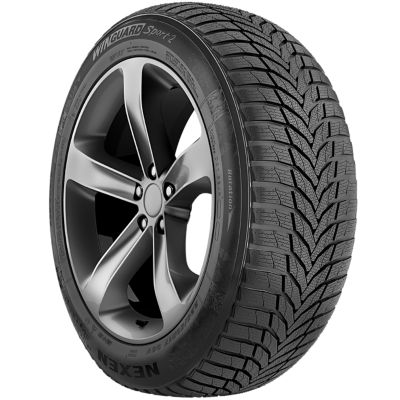
This is often the biggest decision point. Studded tires have small metal or ceramic studs embedded in the tread. These studs dig into ice and packed snow, providing superior traction in those specific conditions. They're excellent if you live somewhere with frequent black ice or heavily compacted snow. The downside is they can be noisy on dry pavement and may not be legal in all areas or on all roads. Studless winter tires, like the Nexen Winguard Sport 2, rely entirely on advanced rubber compounds and intricate tread designs to grip. They offer better performance on dry and wet roads than studded tires, are quieter, and are legal everywhere. They're a great all-around choice for most winter conditions, especially if you see more slush and cold pavement than pure ice.
Speed and load ratings
Just like any other tire, winter tires have speed and load ratings. Make sure the winter tires you choose match or exceed the ratings recommended for your vehicle. You'll find this information in your owner's manual or on the tire placard inside your driver's side door jamb. Don't compromise on these ratings; they're there for your safety.
Road noise and comfort
Studded tires can be noticeably louder, especially on dry pavement, due to the studs making contact with the road. Studless winter tires are generally much quieter and offer a more comfortable ride, closer to what you'd expect from an all-season tire. If road noise is a major concern, studless is probably the way to go.
Quick comparison
Here's a quick look at some tire types and their general characteristics. Remember, specific models will vary.
| Feature | All-Season Tire | Studless Winter Tire | Studded Winter Tire |
|---|---|---|---|
| Temperature | Best above 45°F (7°C) | Best below 45°F (7°C) | Best below 45°F (7°C) |
| Snow Grip | Moderate | Excellent | Excellent |
| Ice Grip | Poor | Very Good | Superior |
| Wet Grip | Good | Good to Very Good | Good (can be reduced by studs on wet pavement) |
| Dry Grip | Good | Good | Moderate (can be noisy and less stable) |
| Road Noise | Low | Low to Moderate | Moderate to High |
| Legality | Universal | Universal | Varies by state/province and specific roads |
Top picks
While we don't carry specific studded or studless models, here are some popular all-season options that many drivers use, though they won't offer the same performance as dedicated winter tires in severe conditions:
-
Hercules Roadtour Connect AS All Season Tire: This all-season tire is a solid choice for year-round driving in milder climates. It's available in a 205/65R15 94H size for just $85.99, with 250 in stock. It offers a good balance of value and durability.
-
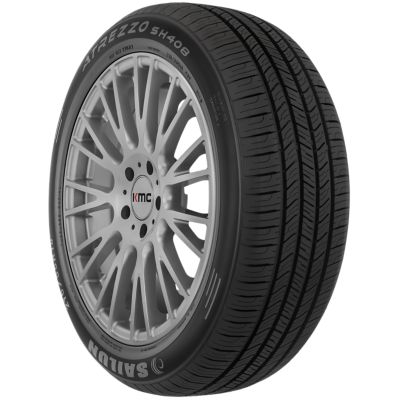
Sailun Atrezzo SH408: Another reliable all-season option, the Atrezzo SH408 comes in various sizes, including 225/60R17 99H for $96.40, with a massive 9869 in stock. It's known for its value and decent all-around performance.
-
Nexen N Priz AH5: The N Priz AH5 is a popular all-season touring tire. You can get the 215/55R17 94H for $136.00, and there are 7339 available. It provides a comfortable ride and good wet traction for an all-season.
-
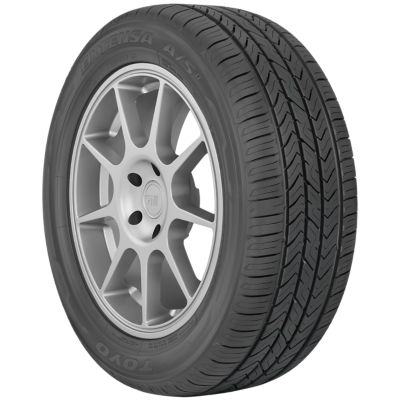
Toyo Extensa AS II: Toyo is a respected brand, and the Extensa AS II is a quality all-season tire. The 205/55R16 91H size is priced at $127.22, with 1079 in stock. It's a durable tire with good handling characteristics.
-
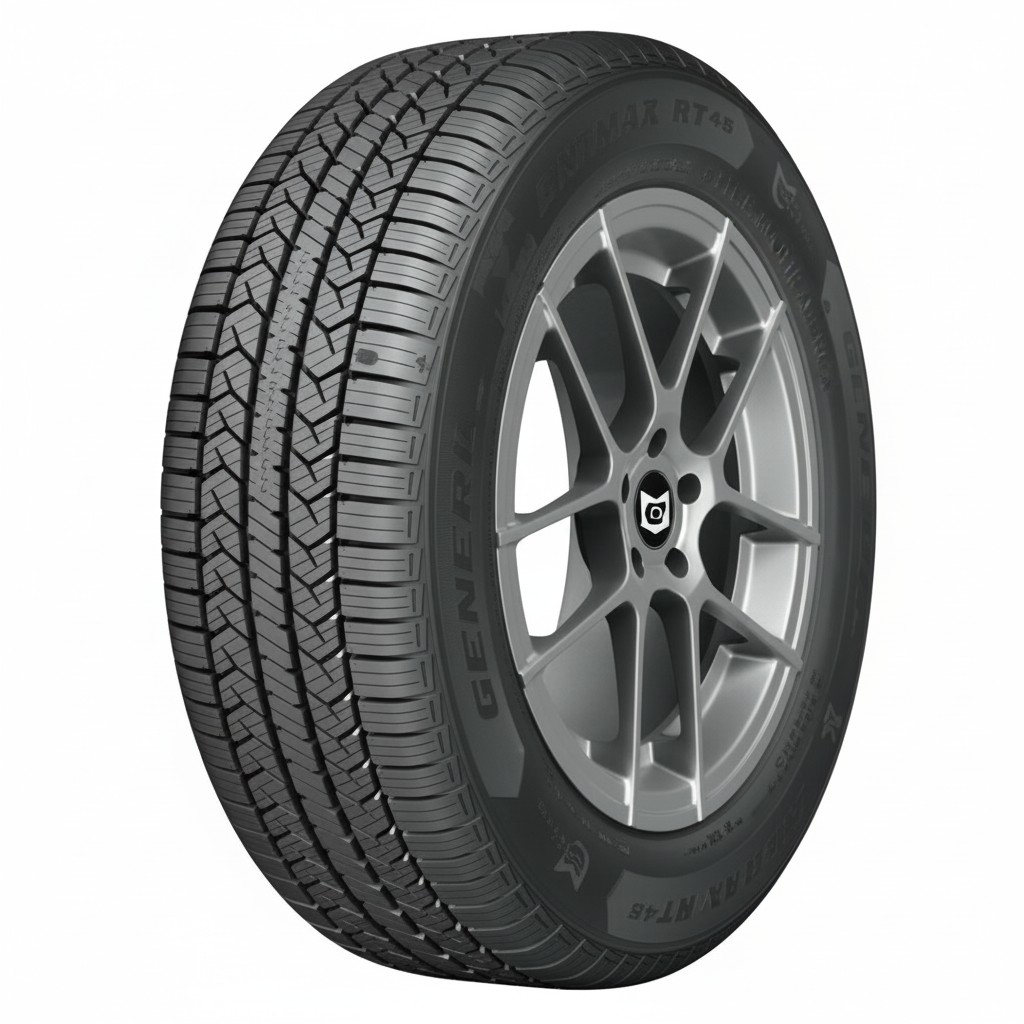
General AltiMAX RT45 All Season Touring Tire: This General tire is a top-rated all-season touring option. The 215/65R16 98H size is available for $129.99, with 232 in stock. It's praised for its quiet ride and long tread life.
How to verify fitment before buying
Getting the right size tire is critical. The easiest way to verify fitment is to check your vehicle's owner's manual. It will list the recommended tire size, speed rating, and load index. You can also find this information on the tire placard, which is usually located on the driver's side door jamb, inside the glove box, or on the fuel filler door. It'll look something like "P215/65R16 98H".
Make sure the winter tires you're looking at match these specifications exactly. If you're unsure, don't guess. Consult a tire professional. They can cross-reference your vehicle's make, model, and year to ensure you get the correct fitment. Also, consider whether you're buying just tires or a tire-and-wheel package. Many people opt for a second set of wheels for their winter tires. This makes seasonal changeovers much faster and cheaper, as you're just swapping wheels, not mounting and balancing tires every time. I've seen countless sets of bead seals leak because someone was too aggressive with the tire machine during a seasonal swap. Having a dedicated set of winter wheels avoids that hassle and expense.
When to switch your tires
Knowing when to switch your tires is just as important as choosing the right ones. The general rule of thumb is the 45°F (7°C) mark. When temperatures consistently drop below 45°F, it's time to put on your winter tires. Their rubber compound will perform optimally in these colder conditions, giving you better grip and braking performance.
Conversely, when spring arrives and temperatures consistently stay above 45°F, it's time to switch back to your all-season or summer tires. Running winter tires in warmer weather will cause them to wear out much faster due to their softer compound. It can also lead to reduced handling and fuel economy. Pay attention to the forecast in your area. Don't wait until the first snowfall to make the switch; get them on before the cold really sets in. Plan ahead, because tire shops get swamped when the weather changes.
Proper storage of off-season tires
Once you've swapped your tires, you need to store the off-season set correctly to prolong their life. Clean the tires thoroughly to remove any brake dust, dirt, or road grime. Make sure they are completely dry before storage. If you're storing them on wheels, reduce the air pressure to about half of the recommended PSI. Stack them flat or hang them. If you're storing just the tires (off the wheels), stand them upright and rotate them occasionally to prevent flat spots. Store them in a cool, dry, dark place, away from direct sunlight, heat sources, and chemicals like solvents or fuels. UV light and ozone can degrade rubber over time. A basement, garage, or dedicated tire storage facility is ideal. Proper storage ensures your tires are in good condition for the next season, saving you money in the long run.
Top picks
Frequently asked questions
Are winter tires really necessary if I have all-wheel drive?
Yes, absolutely. All-wheel drive helps you accelerate in slippery conditions, but it doesn't do anything for braking or turning. Winter tires provide the critical grip needed to stop and steer effectively on ice and snow, regardless of your vehicle's drivetrain.
Can I just put two winter tires on the front (or rear) of my car?
No, never. You should always install winter tires on all four wheels. Mixing tire types can create an imbalance in grip, leading to unpredictable handling and a dangerous loss of control, especially when braking or cornering in winter conditions.
How long do winter tires last?
The lifespan of winter tires varies, but typically they last for 3-5 winter seasons or about 20,000-40,000 miles. This depends on factors like driving style, road conditions, proper inflation, and how much time they spend on warm pavement. Always check the tread depth.
What is the 'mountain snowflake' symbol on a tire?
The 'three-peak mountain snowflake' symbol (3PMSF) indicates that a tire meets specific performance criteria for severe snow conditions, as tested by the Rubber Manufacturer's Association. It's a reliable indicator that the tire is a true winter tire, not just an M+S (mud and snow) rated all-season.