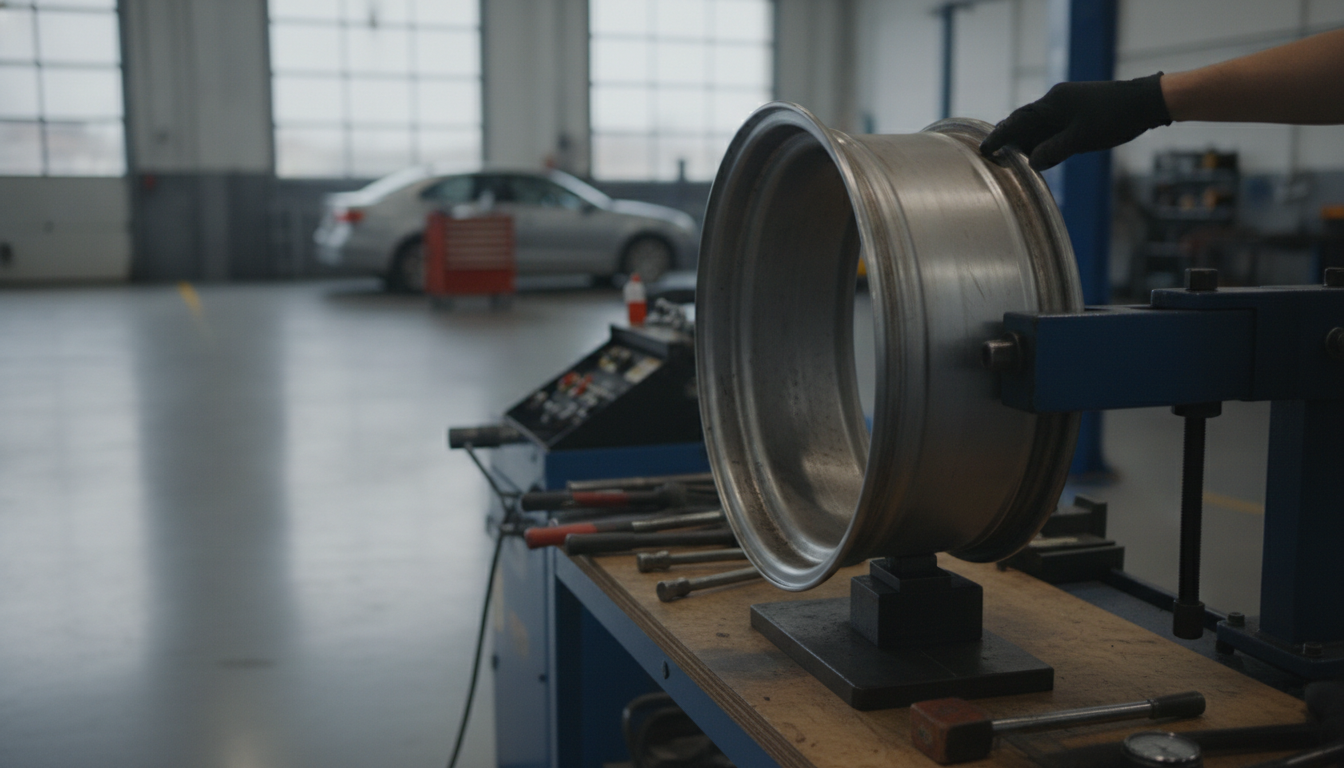
Hitting a pothole or curb can do a number on your wheels. You might feel a vibration, hear a new noise, or just see the damage when you're washing the car. A bent or cracked wheel isn't just an aesthetic problem; it's a safety concern. Your wheels are critical for steering, braking, and keeping your tires inflated. So, when you see damage, the first question is always: can this be fixed, or do I need a new one?
Most common causes
| Cause | Likelihood | DIY-fixable? |
|---|---|---|
| Potholes | High | No |
| Curb strikes | High | No |
| Road debris | Medium | No |
| Manufacturing defect | Low | No |
| Accident damage | Medium | No |
How to diagnose
Diagnosing a bent or cracked wheel starts with a visual inspection, but it often requires a closer look. Sometimes the damage is obvious, other times it's hidden by the tire or just subtle enough to cause a vibration without being easily seen.
-
Visual inspection with the wheel on the car: Start by looking at the tire and wheel assembly right on the vehicle. Look for obvious flat spots on the rim, cracks, or any signs of air leaking from the tire. If you see a bubble in the tire's sidewall, that's a whole different problem and usually means you need a new tire, regardless of the wheel's condition.
-
Jack up the vehicle: Safely lift the vehicle and support it with jack stands. Never work under a vehicle supported only by a jack. Spin the wheel by hand and watch the tire's outer edge and the wheel's rim flange. Does it wobble? Does it move in and out? Even a slight wobble can indicate a bent wheel. Pay close attention to the inside barrel of the wheel too. Damage there is often harder to spot.
-
Remove the wheel for a thorough check: Take the wheel off the vehicle. Clean off any dirt or brake dust. Now you can inspect the entire wheel, front and back, inside and out. Look for any hairline cracks, especially around the lug nut holes, spokes, or the inner and outer barrel. Sometimes a crack will only be visible when you flex the wheel slightly, or if you tap it with a rubber mallet and listen for a dull thud instead of a clear ring. I've seen countless wheels where the damage wasn't obvious until I had it off the car and could really get a good look at the inside lip. That's often where the impact energy goes.
-
Tire shop inspection: If you're still unsure, take the wheel to a reputable tire shop. They have specialized equipment like wheel balancers that can spin the wheel at speed and detect runout (wobble) that you might miss. They can also dismount the tire to give the wheel an even more thorough inspection, which is critical for finding hidden cracks.
Parts that commonly need replacing
When a wheel is damaged, it's usually the wheel itself that needs attention. However, other components can be affected or need replacement during the process.
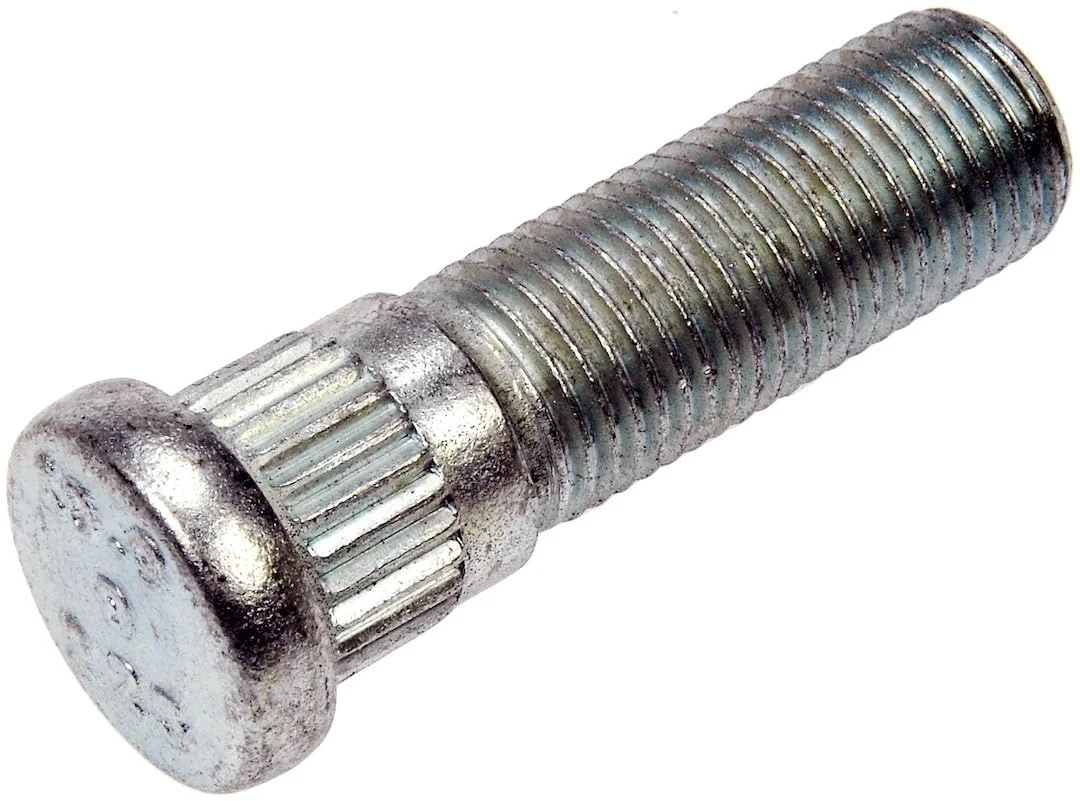
- Wheel: This is the obvious one. If a wheel is severely bent or cracked, replacement is often the safest option. While we don't carry full wheels, we do have components like the Dorman Wheel Stud M12-1.50 Thread Serrated Knurl (SKU: 364249) for just $5.12, in case your wheel studs get damaged during an impact or removal. We also have Ti22 Performance Front Wheel Stud 3/8-16 x 1-1/4 Inch Chromoly (SKU: 332647) at $5.19 if you're working on a performance application.
- Tire: A bent or cracked wheel can easily damage the tire mounted on it. The impact that bent the wheel might have also caused internal damage to the tire's structure, even if it's not immediately visible. Always have the tire inspected by a professional if the wheel is damaged.
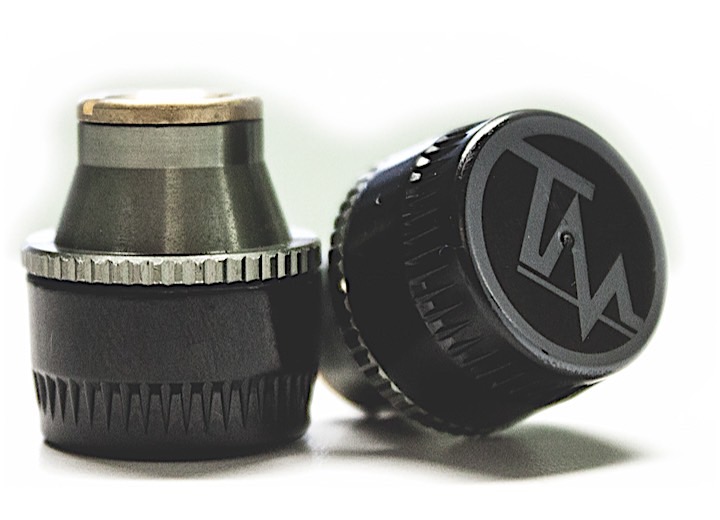
- TPMS sensor: Your tire pressure monitoring system (TPMS) sensor is usually mounted inside the wheel. A hard impact can damage it. If your TPMS light comes on after hitting something, it's worth checking. We carry Valterra TireMinder TPMS Transmitters (SKU: 424626) for $129.99, which are a good replacement option if your current sensor is damaged.
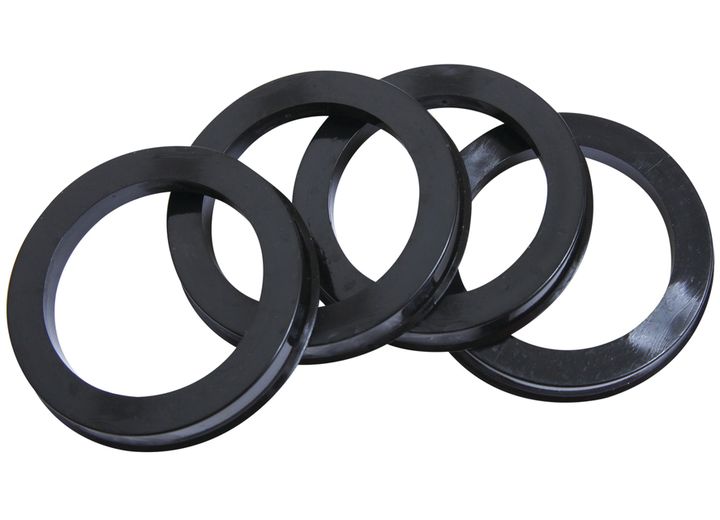
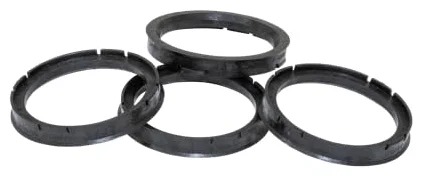
- Hub rings: If you're running aftermarket wheels, you might have hub centric rings installed. These can get cracked or damaged during an impact. We have options like the West Coast Accessories Hub Ring 74.1 MM to 60.06 MM (SKU: 239113) for $5.19, or the Gorilla Hub Centric Rings 66mm OD x 56.15mm ID Set of 4 (SKU: 380059) for $5.34.
When to take it to a shop
Knowing when to call in the pros is key to staying safe. While a minor bend on the very outer lip of a steel wheel might be something a skilled DIYer could carefully tap out, anything more significant needs professional attention.
- Cracks: If you find any cracks on your wheel, especially on the spokes, the hub area, or the inner barrel, do not attempt to repair it yourself. Welding a wheel is a highly specialized process that requires specific equipment, materials, and expertise to maintain structural integrity. A poorly welded wheel can fail catastrophically at speed. Most shops will tell you that a cracked wheel is a replacement wheel.
- Major bends: If the bend is severe, affects the bead seat, or is on the inner barrel, it's beyond a DIY fix. Wheel repair specialists use hydraulic presses and heat to carefully reshape aluminum wheels. This isn't something you can do with a hammer in your driveway. Improper repair can weaken the wheel, leading to future failure.
- Any doubt about safety: If you're not 100% confident in the wheel's integrity after an impact, take it to a professional. It's not worth risking a wheel failure on the highway. A professional can assess the damage and give you an honest opinion on whether a repair is safe or if replacement is the only viable option.
- Vibration after tire balance: If you've had your tires balanced and still feel a persistent vibration, especially at certain speeds, it's a strong indicator of a bent wheel. A tire shop can usually confirm this with their balancing equipment. They can also check for wheel runout, which is the amount of deviation from a perfectly round and true wheel. Excessive runout means a bent wheel.
- Air leaks: If your tire is constantly losing air and you've ruled out a puncture, a bent rim can be the culprit. The bend can prevent the tire bead from sealing properly against the wheel, causing a slow leak. This is another job for a pro to diagnose and potentially repair or replace the wheel.
Top picks
Frequently asked questions
Is it safe to repair a bent wheel?
It depends on the severity and location of the bend. Minor bends on the outer rim flange of a steel wheel can sometimes be safely repaired. However, bends on the inner barrel, spokes, or hub area, especially on aluminum wheels, are much more critical and usually require professional repair or replacement to ensure safety.
Can a cracked wheel be repaired?
Generally, no. Cracked wheels are a major safety hazard. Cracks compromise the structural integrity of the wheel, and even professional welding repairs are often not recommended due to the risk of future failure. It's almost always safer to replace a cracked wheel than to attempt a repair.
How much does it cost to repair a bent wheel?
The cost varies widely based on the damage and the wheel type. Simple rim flange repairs might be $75-$150. More complex repairs involving straightening the inner barrel or minor welding can range from $150-$300 or more. A new wheel could cost anywhere from $100 to over $1000 depending on your vehicle.
What are the risks of driving on a bent wheel?
Driving on a bent wheel can cause persistent vibrations, uneven tire wear, and premature suspension component failure. A severely bent wheel can also lead to air leaks, tire de-beading, and in extreme cases, catastrophic wheel failure, which can result in loss of vehicle control.