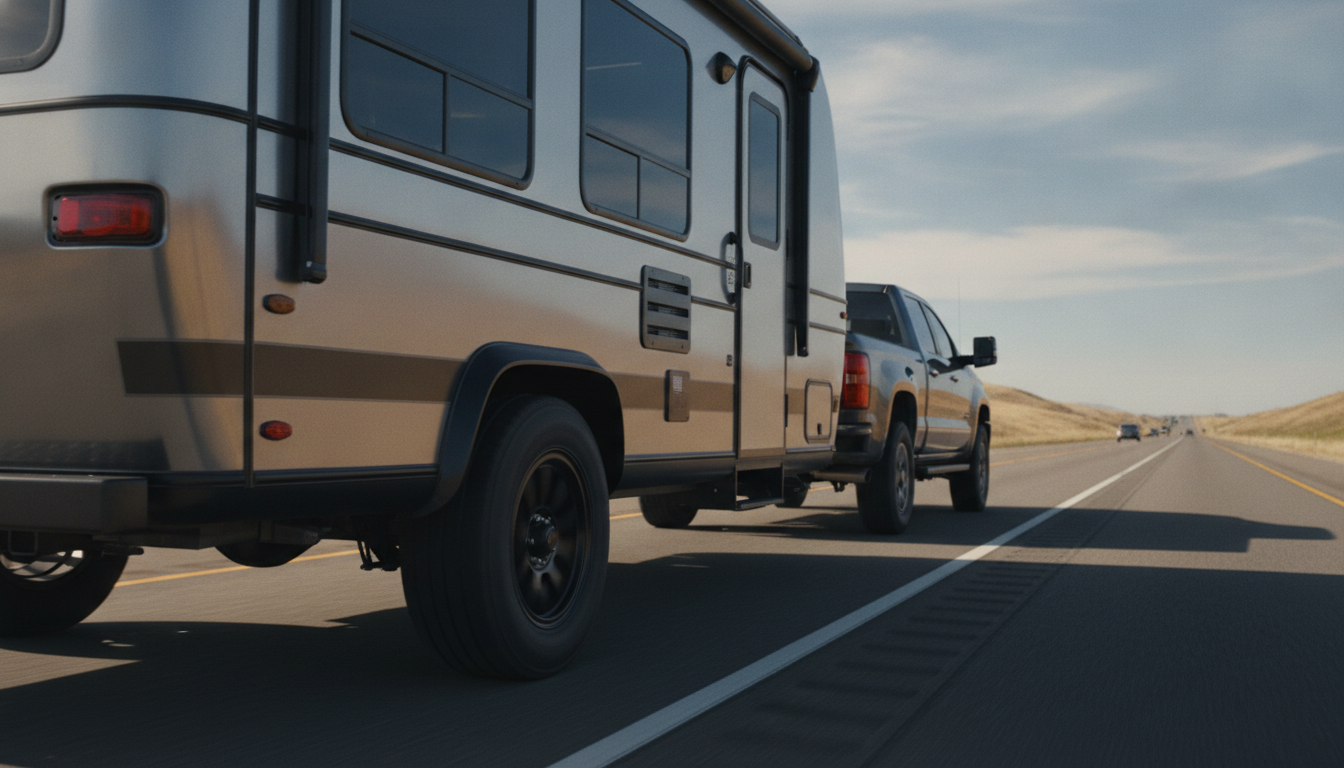
If you've ever seen a trailer tire come apart on the highway, tread flying off in chunks while the trailer keeps rolling on a bare steel belt, you've seen the most common form of trailer tire failure. It rarely happens on a tire that's worn down. It happens on a tire that still had decent tread left.
That's the part that catches people off guard. A trailer tire that looks fine can still be dangerously close to failure, because trailer tires break down differently than the tires on your car or truck.
They're Not Built Like Your Other Tires
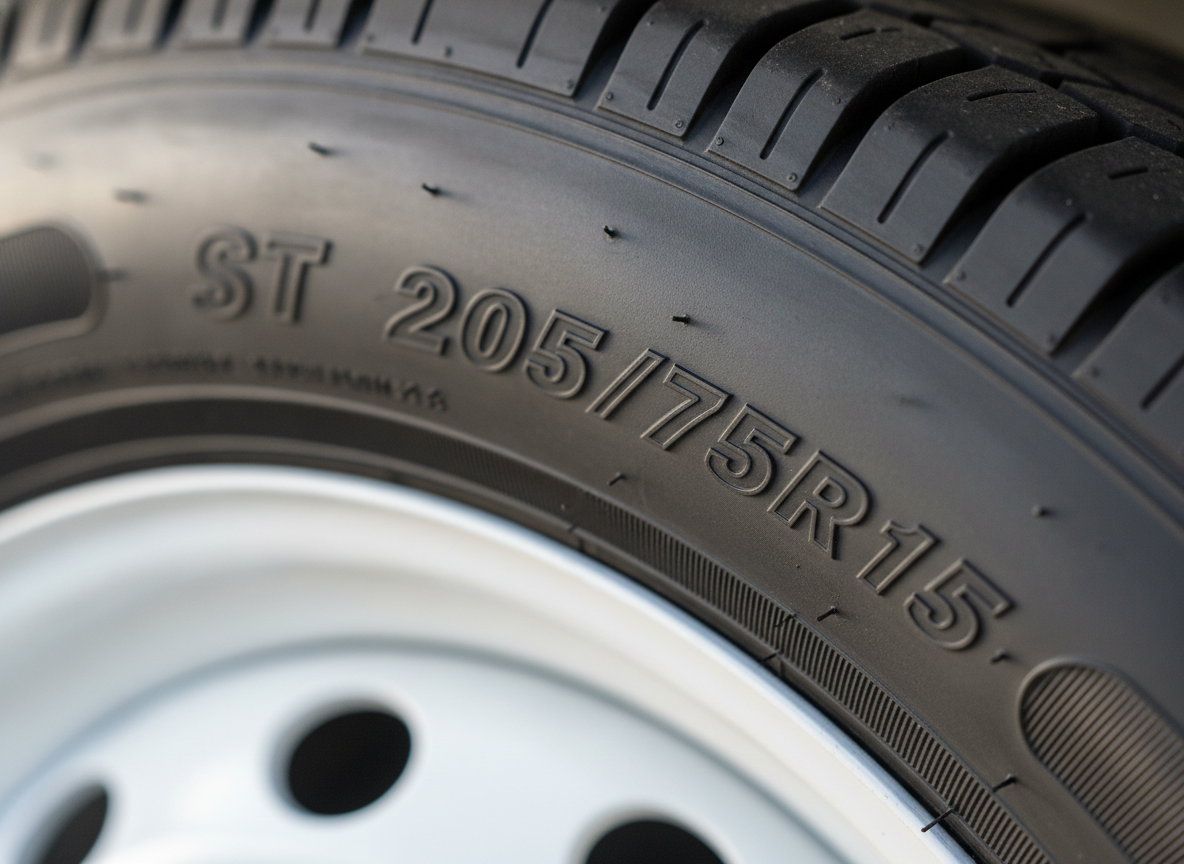
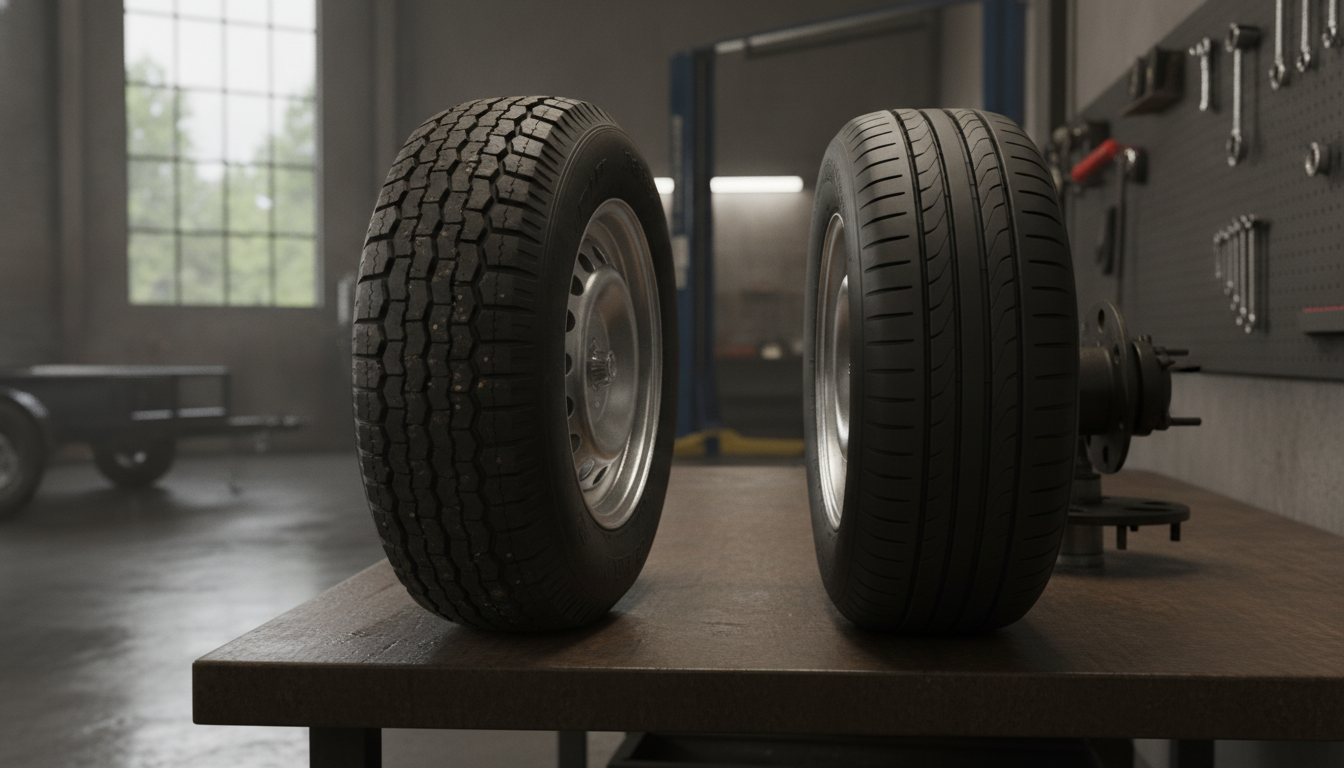
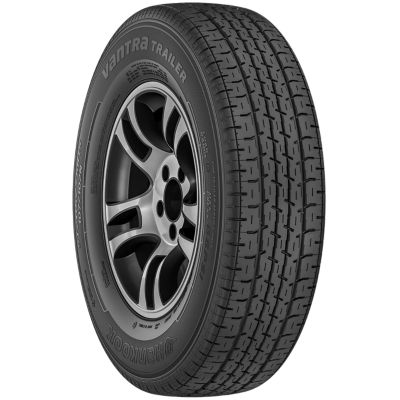
Trailer tires are labeled ST, which stands for Special Trailer. That designation matters more than the size or the brand. An ST tire is built to carry weight, full stop. It doesn't steer, and on most trailers it doesn't brake either. Every part of its construction, the stiffer sidewalls, the reinforced belts, is aimed at handling constant vertical load without swaying or flexing.
That's very different from a passenger tire (P) or light truck tire (LT), which are built to grip the road, respond to steering input, and ride comfortably. An LT tire can carry a heavy load too, but it's not built the same way underneath, and its sidewalls are more flexible by design.
For the same size and load range, ST tires typically carry around 10 to 15% more weight than a comparable LT tire, and significantly more than a passenger tire in the same size. If your trailer's placard calls for ST tires, that's not a suggestion. Swapping in LT or passenger tires because they were cheaper or more available can mean running a tire that isn't rated for the load it's carrying.
What to do: Check your trailer's certification label, usually on the tongue or frame near the axle, for the required tire size, load range, and inflation pressure. Match replacements to that spec exactly.
Why They Fail Without Warning
A car tire wears out. You watch the tread get shallower over tens of thousands of miles, and eventually the wear bars tell you it's time. A trailer tire ages out instead, and that process has almost nothing to do with mileage.
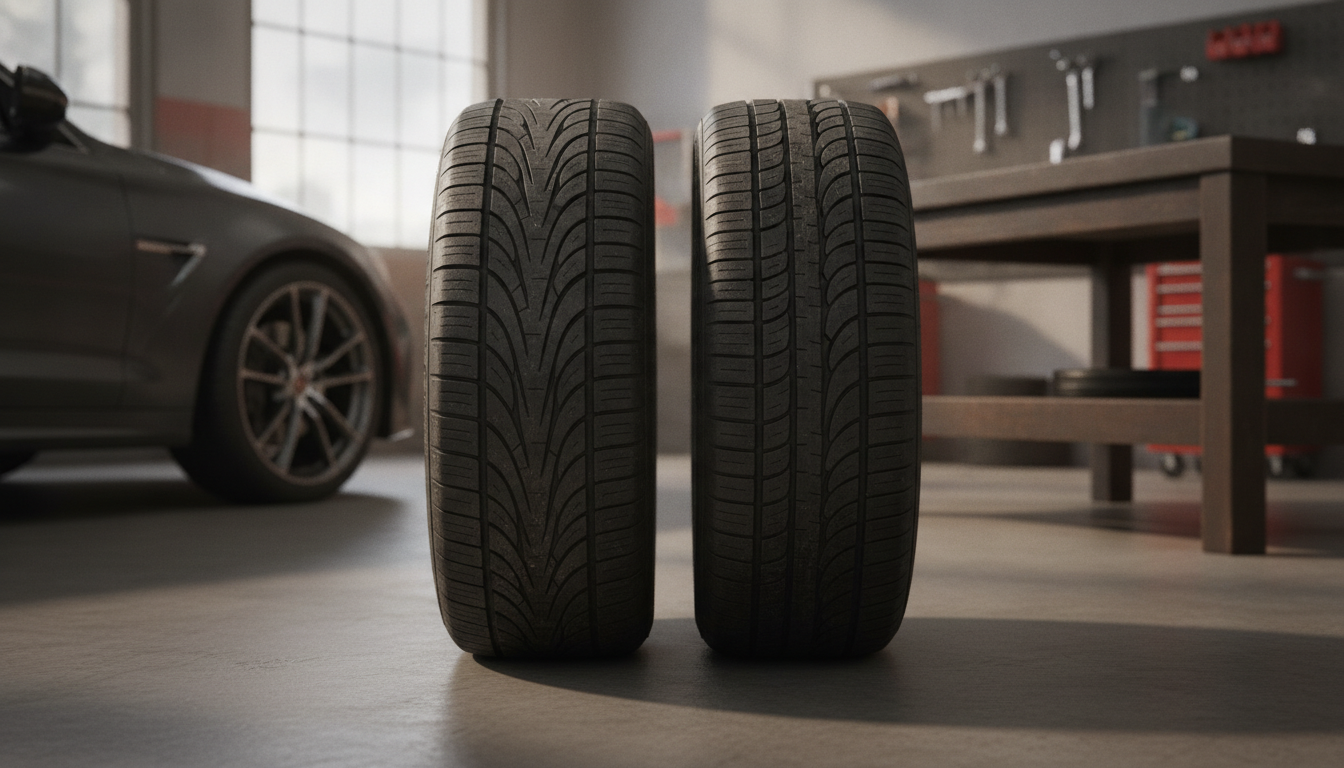
Most trailers sit parked more than they're on the road. While they sit, UV rays and ozone in the air slowly break down the rubber compound from the surface inward. This happens whether the trailer is towed twice a year or never leaves the driveway. The tread can still look full while the rubber underneath is turning brittle. That's why a trailer tire with plenty of tread left can blow out on the highway. The failure isn't from wear, it's from age.
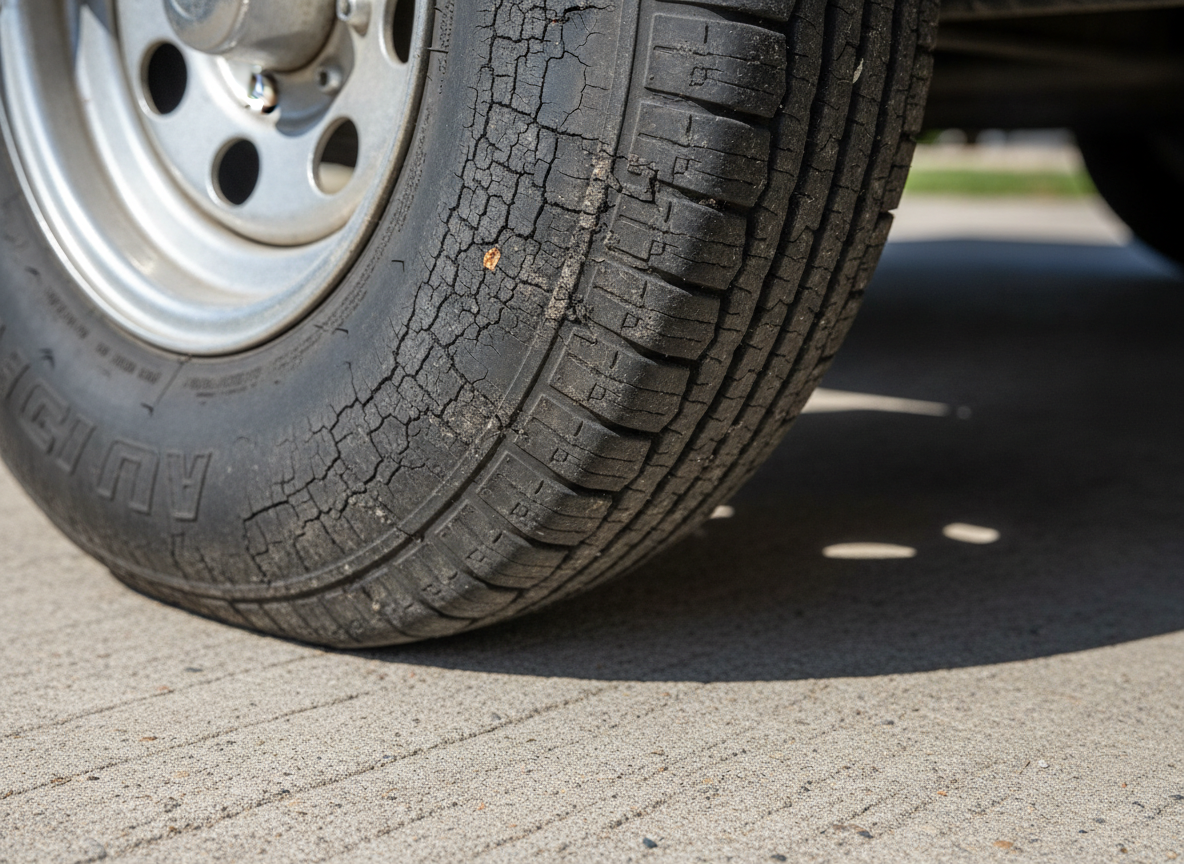
Heat makes it worse. ST tires run stiffer than other tires by design, which means they flex less and build up more internal heat during a long tow, especially in summer or at higher speeds. That heat accelerates the same aging process that sitting in the sun already starts.
The tread depth checks we cover in our guide on tire dry rot still apply here, but for trailer tires, checking the manufacture date matters just as much as checking the tread.
How to Read the Date, Not Just the Tread
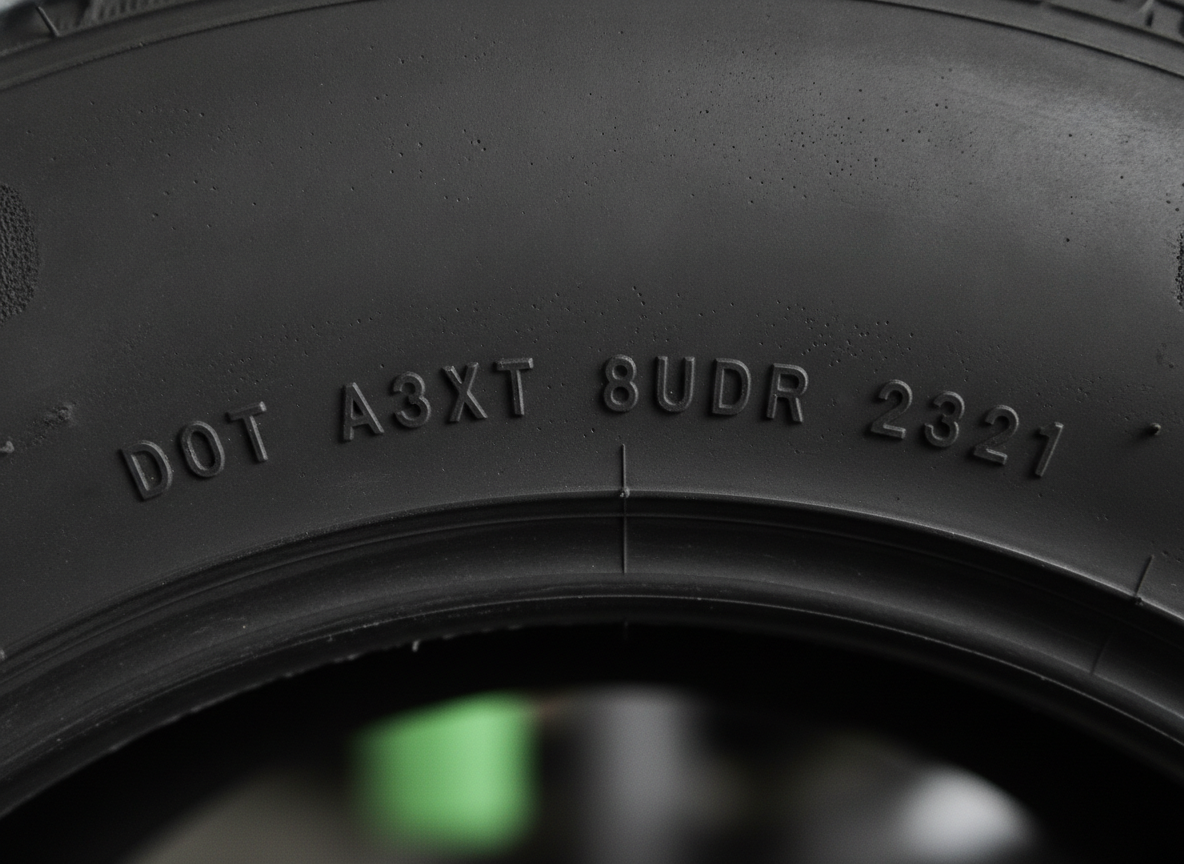
Every tire sold in the US has a DOT code stamped on the sidewall. The last four digits are what you want: two digits for the week, two for the year. A code ending in 2321 means the tire was made in the 23rd week of 2021.
Most manufacturers and trailer specialists recommend replacing ST tires at 5 to 7 years from that date, regardless of how the tread looks. Some push it to 6, a few say start planning at 5. None of them say wait for the tread to wear down first, because for a trailer tire, that day often never comes before the age-related cracking does.
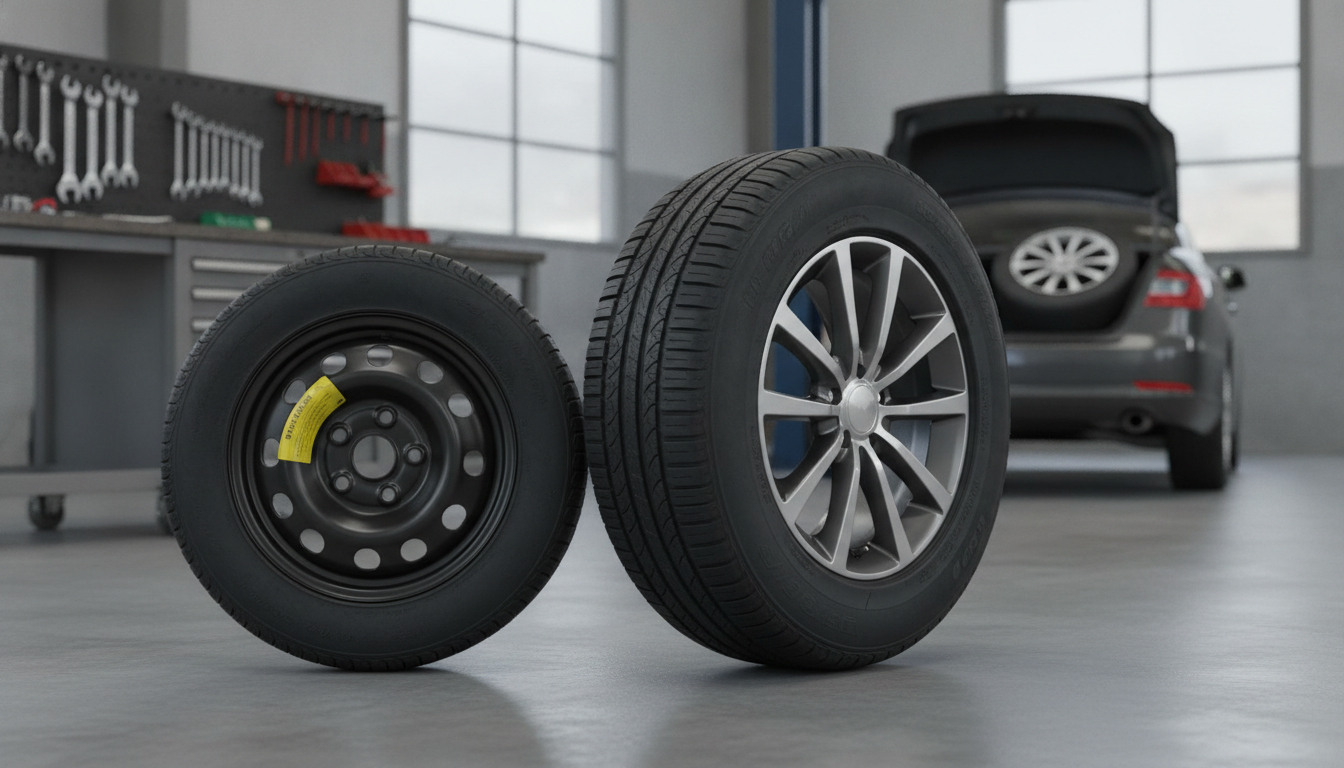
What to do: Find the DOT code on every tire, including the spare. If any tire is past the 5 to 7 year mark, plan on replacing it before your next trip, even if it still has tread and looks fine from the driveway.
Pressure and Speed Matter More Than You'd Think
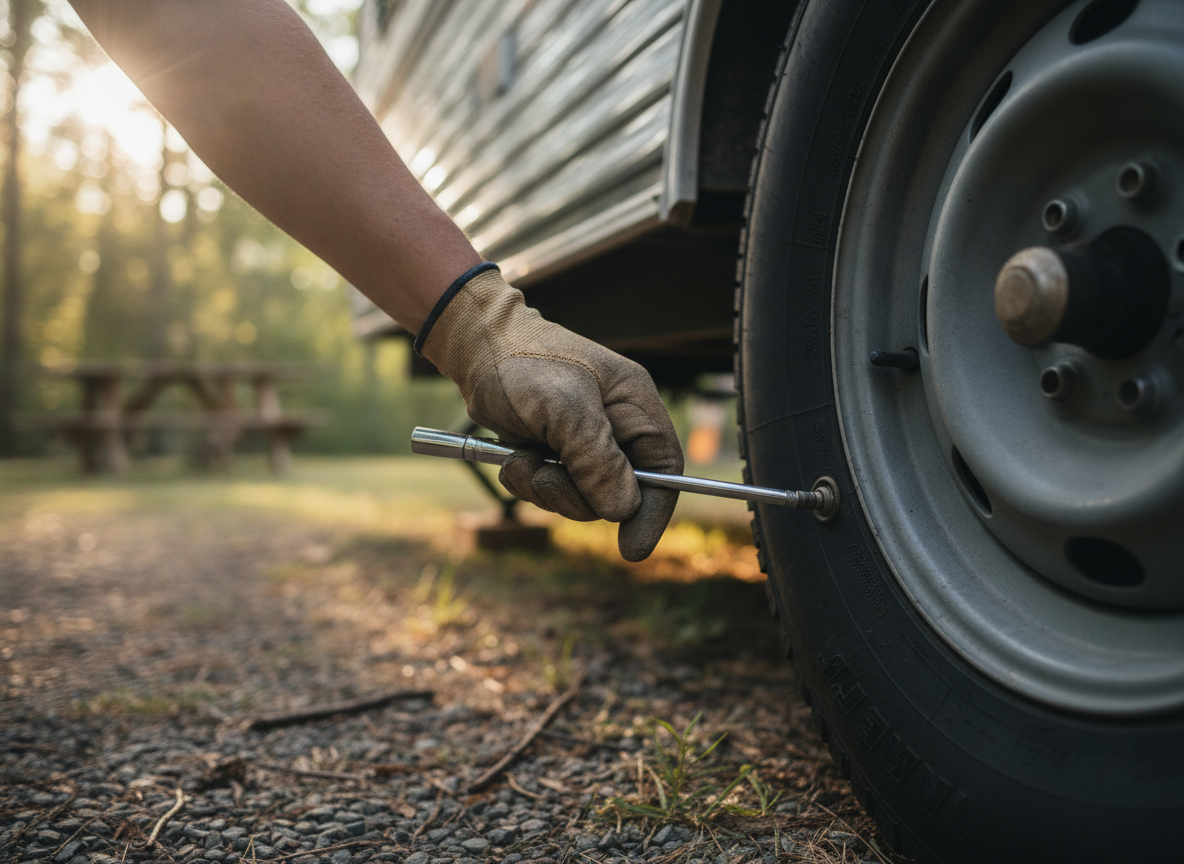
ST tires are historically rated for a maximum towing speed of 65 mph. That rating isn't arbitrary. The load capacity printed on the tire is calculated assuming that speed. Some newer ST tires carry a speed symbol allowing higher speeds, but unless yours specifically does, treat 65 mph as the ceiling, not a suggestion.
Pressure matters just as much. Trailer tires should be inflated to the pressure listed on the trailer's certification label, checked cold, before you've towed anywhere that day. Underinflation is one of the fastest ways to build excess heat in a tire that's already running stiffer and hotter than the tires on your tow vehicle. Our guide on how tire pressure affects fuel economy and handling covers the mechanics of pressure and heat in more depth, though on a trailer the stakes are less about fuel economy and more about avoiding a blowout.
One more thing worth knowing: rotation matters less here than it does on your car. Trailer tires aren't driven or steered, so they don't wear the way a vehicle's tires do. Checking pressure and inspecting for cracking or bulging is a better use of your time than a rotation schedule.
Pre-Tow Inspection Checklist
Run through this before any trip, and at least once a season even if the trailer's been sitting.
- ✓Check the DOT date code on all tires, including the spare
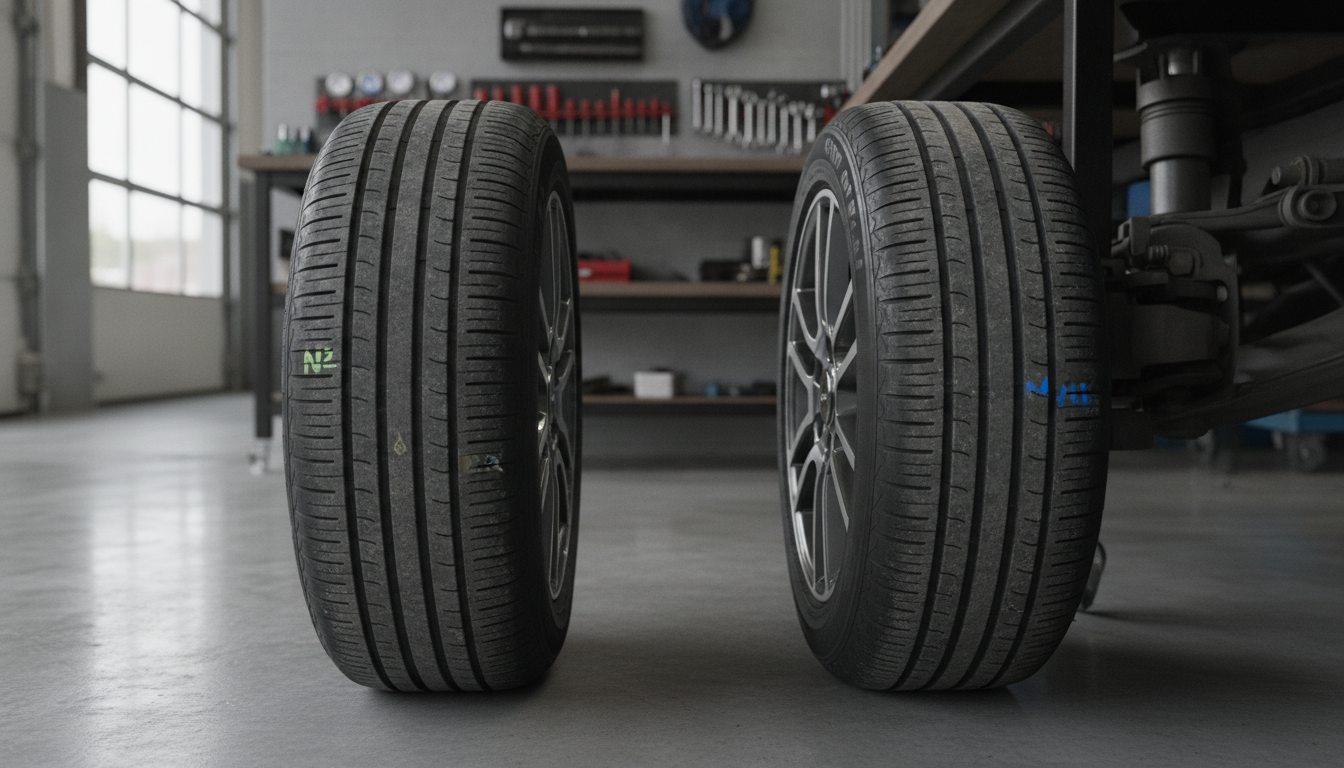
- ✓Inspect sidewalls for cracking, bulges, or soft spots
- ✓Check tread depth, but don't treat good tread as a pass on its own
- ✓Set cold tire pressure to match the trailer's certification label
- ✓Confirm the tire's speed rating matches how fast you actually plan to tow
- ✓Match any replacement tire to the size and load range on the certification label, not just what's available
- ✓Don't mix ST and LT tires on the same axle
Before Your Next Trip
A trailer tire that looks fine can still be five years past its safe service life. If you're not sure how old yours are, checking the DOT code takes two minutes and tells you more than a visual inspection ever will. If it's time to replace them, shop our ST trailer tire selection to get the right size and load range before you're back on the road.
Top picks
Frequently asked questions
Why do trailer tires blow out when they still have tread?
Because trailer tires age out instead of wearing out. While a trailer sits parked, UV rays and ozone break the rubber down from the surface inward, so the tread can look full while the compound underneath has turned brittle. Heat from towing on stiff ST sidewalls speeds that process up.
How do I find out how old my trailer tires are?
Look for the DOT code stamped on the sidewall. The last four digits are the week and year of manufacture, so a code ending in 2321 was made in the 23rd week of 2021. Check every tire, including the spare.
How often should ST trailer tires be replaced?
Most manufacturers and trailer specialists recommend replacing ST tires 5 to 7 years from the manufacture date on the DOT code, regardless of how the tread looks.
Can I put LT or passenger tires on my trailer instead of ST tires?
If the trailer's certification label calls for ST tires, match it. For the same size and load range, ST tires typically carry around 10 to 15% more weight than a comparable LT tire and significantly more than a passenger tire. Swapping in LT or passenger tires can mean running a tire that isn't rated for the load, and you should never mix ST and LT tires on the same axle.
How fast can I tow on trailer tires?
ST tires are historically rated for a maximum of 65 mph, and the load capacity printed on the tire assumes that speed. Some newer ST tires carry a speed symbol allowing higher speeds, but unless yours specifically does, treat 65 mph as the ceiling.
Related guides
Keep exploring — these articles pair well with what you just read.