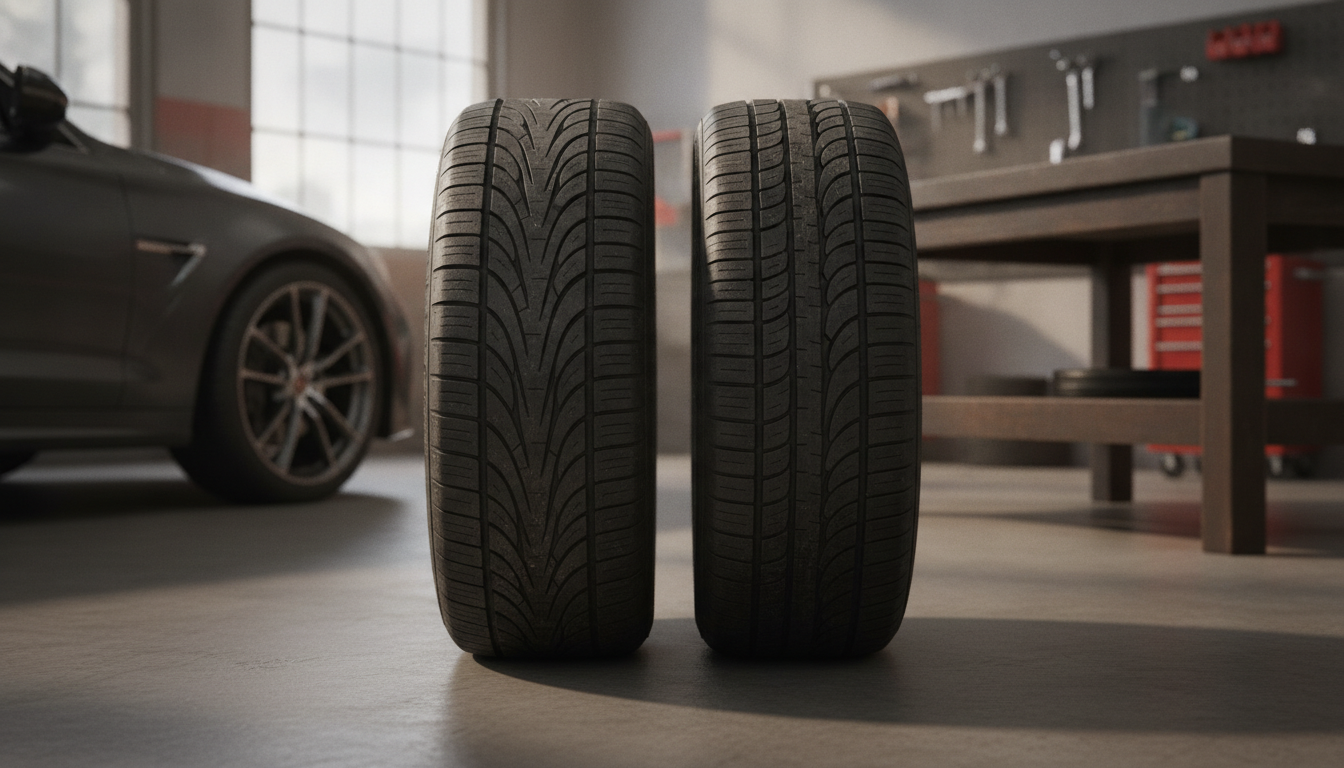
Why this matters for your
When you're looking at new tires, it's easy to get caught up in brand names or price. But the tread pattern itself is a huge factor in how your vehicle handles, especially in different weather conditions. The design of those grooves and blocks directly impacts traction, noise, and even fuel efficiency. Understanding the three main types—symmetric, directional, and asymmetric—helps you make a smart choice for your daily commute or weekend adventures. It's not just about what looks good; it's about what works best for your specific driving habits and the conditions you face.
Each pattern is engineered for a particular purpose. A tire designed for heavy rain will look very different from one optimized for dry track performance. Getting the wrong type can mean less grip when you need it most, or a noisy, uncomfortable ride. So, before you commit to a set of new tires, take a minute to learn what those patterns mean for your driving experience.
Before you start: when NOT to DIY
Choosing the right tire pattern isn't really a DIY job in the traditional sense, but more about informed decision-making. However, if you're dealing with any of these issues, it's a sign you need professional help beyond just picking a tread pattern. These problems indicate underlying mechanical issues that affect tire wear and performance, regardless of the tire type you choose.
- Your current tires are showing severe, uneven wear patterns.
- You notice persistent vibrations or pulling to one side while driving.
- You've recently been in an accident that might have affected suspension or steering components.
- Your vehicle's alignment hasn't been checked in over a year or after hitting a major pothole.
- You're hearing unusual noises from the wheels or suspension.
Step-by-step procedure
Choosing the right tire tread pattern is a process of understanding your needs and matching them to the tire's design. Think of it less as a mechanical repair and more as a research project to ensure you get the best performance and safety from your new rubber.
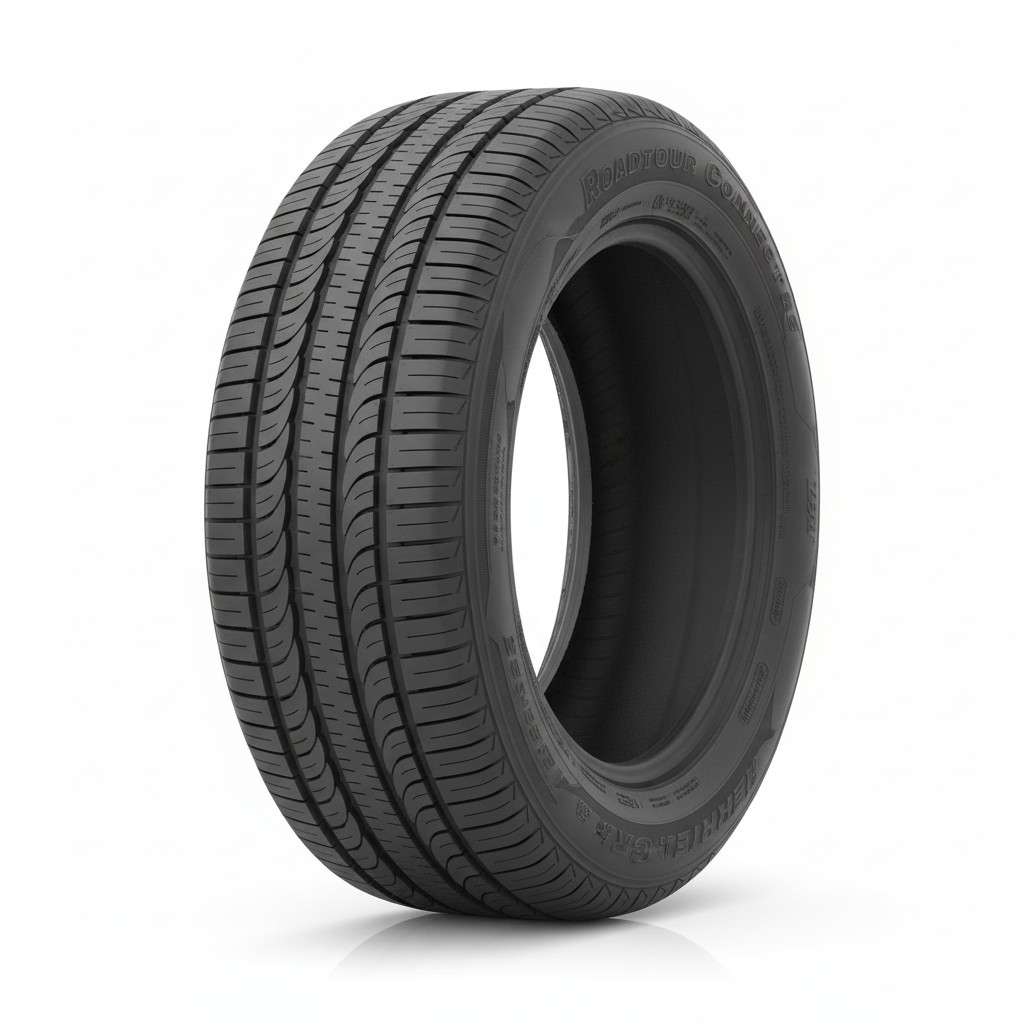
Step 1 — Understand symmetric tread patterns Symmetric tires have the same tread pattern across the entire face of the tire, from one side to the other. You can mount them in any direction, and they can be rotated in any position on the vehicle. This makes them very versatile and often the most affordable option. They're common on passenger cars and are a good all-around choice for everyday driving, like the Hercules Roadtour Connect AS All Season Tire 205/65R15 94H. We've got 250 of those in stock for just $85.99.
Step 2 — Learn about directional tread patterns Directional tires are designed to rotate in only one direction. You'll see an arrow on the sidewall indicating the proper rotation. These patterns often feature V-shaped grooves that are excellent at evacuating water from under the tire, making them great for wet weather and snow. This design helps prevent hydroplaning. The downside? You can only rotate them front-to-back, not side-to-side, which can sometimes lead to uneven wear if you don't keep up with rotations. I've seen plenty of cars come in with directional tires where the owner didn't realize they couldn't cross-rotate them, leading to premature wear on one side.
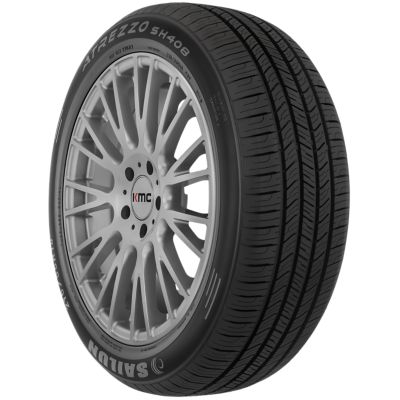
Step 3 — Explore asymmetric tread patterns Asymmetric tires have different tread patterns on the inner and outer shoulders of the tire. The inner side is often designed for water dispersion, while the outer side is built for dry grip and cornering stability. This gives you a tire that performs well in a wider range of conditions. They must be mounted with the correct side facing out (usually marked 'outside' or 'inside' on the sidewall). Like directional tires, they generally can only be rotated front-to-back. The Sailun Atrezzo SH408 225/60R17 99H is a good example of an asymmetric all-season tire, with over 10,000 in stock for $96.40.
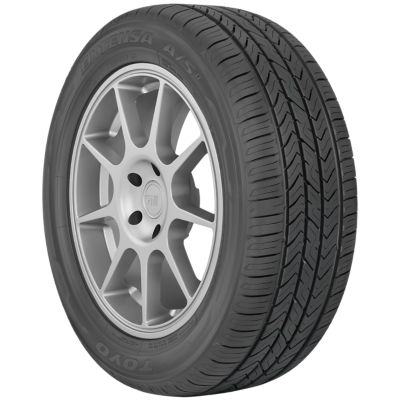
Step 4 — Consider your driving conditions Think about where and how you drive most often. Do you live in an area with heavy rain or snow? A directional tire might be a better choice. Do you drive a sporty car and value cornering performance in dry conditions, but still need decent wet grip? Asymmetric could be the way to go. If you mostly drive in mild conditions and want a quiet, comfortable ride with good tire life, symmetric tires are often ideal. The Toyo Extensa AS II 205/55R16 91H is a solid symmetric option at $127.22.
Step 5 — Evaluate performance priorities Are you looking for maximum wet traction, quiet comfort, or aggressive dry handling? Directional tires prioritize wet and snow performance. Asymmetric tires offer a balanced approach with good performance in both wet and dry conditions. Symmetric tires often focus on comfort, quietness, and longevity.
Step 6 — Check your vehicle's current tires Take a look at the tires currently on your vehicle. What pattern do they have? If they're original equipment, the manufacturer likely chose that pattern for a reason. This can give you a good starting point. However, if you're unhappy with their performance, don't be afraid to switch to a different pattern type that better suits your needs.
Step 7 — Consult tire specifications and reviews Once you have an idea of the pattern type you want, look at specific tire models. Check their value, quality, and durability scores. For example, the General AltiMAX RT45 215/65R16 98H All Season Touring Tire has a value score of 91 and a quality score of 85, indicating a strong all-around performer. Read reviews to see how they perform in real-world conditions.
Step 8 — Plan for tire rotation Regardless of the pattern, regular tire rotation is key to maximizing tire life. For symmetric tires, you can do a cross-rotation (moving front tires to the opposite rear, and rear tires to the opposite front). For directional and asymmetric tires, you can only rotate them front-to-back on the same side of the vehicle. This is important to remember for even wear and to maintain performance.
Bedding-in the new pads
Bedding-in new tires isn't like bedding-in brake pads. You don't need a specific procedure of hard stops. The main thing is to drive gently for the first 500 miles or so. Avoid aggressive acceleration, hard braking, and sharp turns. This allows the tire's compounds to settle and the tread to properly seat against the road surface. It also lets you get a feel for the new tires' characteristics. After this initial break-in period, you can drive normally, but always remember to monitor tire pressure regularly.
How often to replace front brake pads
There's no mileage magic number for tire replacement. It really depends on your driving habits, road conditions, and how well you maintain them. Generally, most tires will last between 40,000 and 60,000 miles. However, you should always replace tires if the tread depth falls below 4/32nds of an inch, if you see any cracks or bulges in the sidewall, or if the tire shows signs of dry rot. If you notice increased road noise, a less comfortable ride, or reduced grip in wet conditions, it's probably time to get them checked out. Regularly inspecting your tires for damage and proper inflation will help them last longer and keep you safer.
Top picks
Frequently asked questions
What is the main difference between directional and asymmetric tires?
Directional tires are designed to roll in one specific direction, indicated by an arrow on the sidewall, excelling in wet conditions. Asymmetric tires have different tread patterns on their inner and outer shoulders, optimizing performance for both wet and dry grip.
Can I rotate directional tires side-to-side?
No, you cannot rotate directional tires side-to-side. They must maintain their specific rotation direction. You can only rotate them from front to back on the same side of the vehicle to ensure even wear and maintain their intended performance characteristics.
Are symmetric tires good for all-season driving?
Yes, many symmetric tires are designed as all-season tires and perform well for general daily driving in varied conditions, including light snow and rain. They offer a good balance of comfort, quietness, and tread life, making them a versatile choice for many drivers.
How do I know which way to mount a directional or asymmetric tire?
Directional tires will have an arrow on the sidewall indicating the forward rotation direction. Asymmetric tires will have 'outside' or 'inside' clearly marked on the sidewall. Always ensure these markings are followed during mounting for optimal performance and safety.
Do asymmetric tires wear evenly?
Asymmetric tires can wear evenly with proper maintenance, including regular front-to-back rotations and correct inflation. However, due to their specialized tread design for different functions, it's crucial to adhere to rotation schedules to maximize their lifespan and maintain balanced performance.