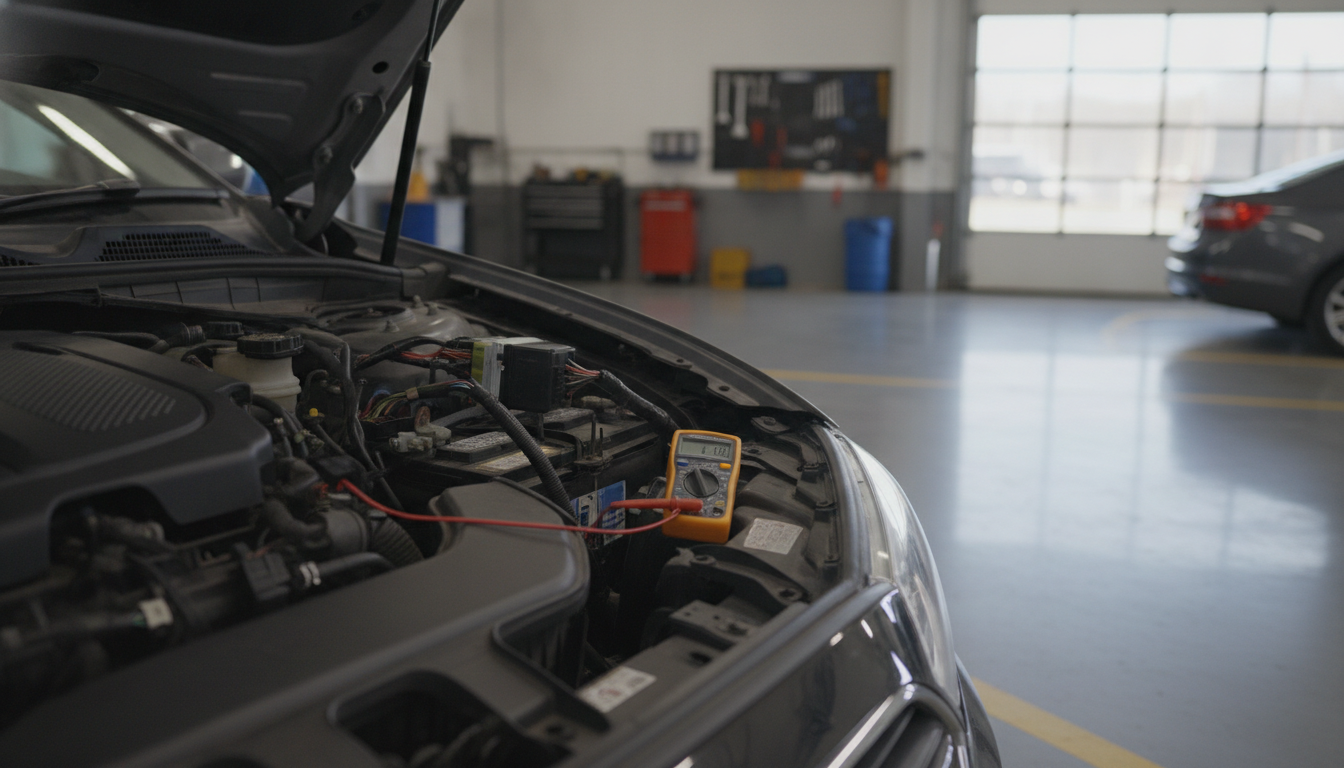
Your battery keeps dying. You charge it up, everything seems fine, then a day or two later, it's dead again. This usually means you have a parasitic battery drain. Something in your vehicle is pulling power even when the ignition is off and everything should be asleep. It's a frustrating problem, but with some patience and a multimeter, you can track it down yourself.
Most common causes
| Cause | Likelihood | DIY-fixable? |
|---|---|---|
| Aftermarket accessories (stereo, alarm, remote start) | High | Yes |
| Interior lights (glove box, trunk, dome light) | High | Yes |
| Faulty alternator diode | Medium | Yes |
| Body control module (BCM) or other computer module | Medium | Sometimes |
| Stuck relays | Medium | Yes |
| Shorted wiring | Low | Sometimes |
| Faulty ignition switch | Low | Yes |
How to diagnose
Before you start, make sure your battery is fully charged. You'll need a digital multimeter with an amp setting that can read at least 10 amps DC. You'll also want to make sure your vehicle has been sitting for a while, ideally an hour or more, with all doors closed and the key out of the ignition. Modern cars have a 'sleep' mode, and you need to let all the modules power down completely before you get an accurate reading.
-
Connect your multimeter. Disconnect the negative battery cable. Set your multimeter to read DC amps. Connect the positive lead of your multimeter to the negative battery post. Connect the negative lead of your multimeter to the negative battery cable you just removed. You're now essentially putting your multimeter in series with the battery, so all current flowing out of the battery will pass through the meter. If you have a significant drain, the reading will be high.
A note on initial readings: When you first connect the multimeter, you might see a high reading. This is normal. Many vehicles wake up when the battery is reconnected or a door is opened. Close all doors, make sure the hood light is off, and wait at least 30 minutes for the vehicle to go to sleep. A normal parasitic draw is usually between 20-50 milliamps (0.02-0.05 amps). Anything consistently above 50 milliamps is a problem.
-
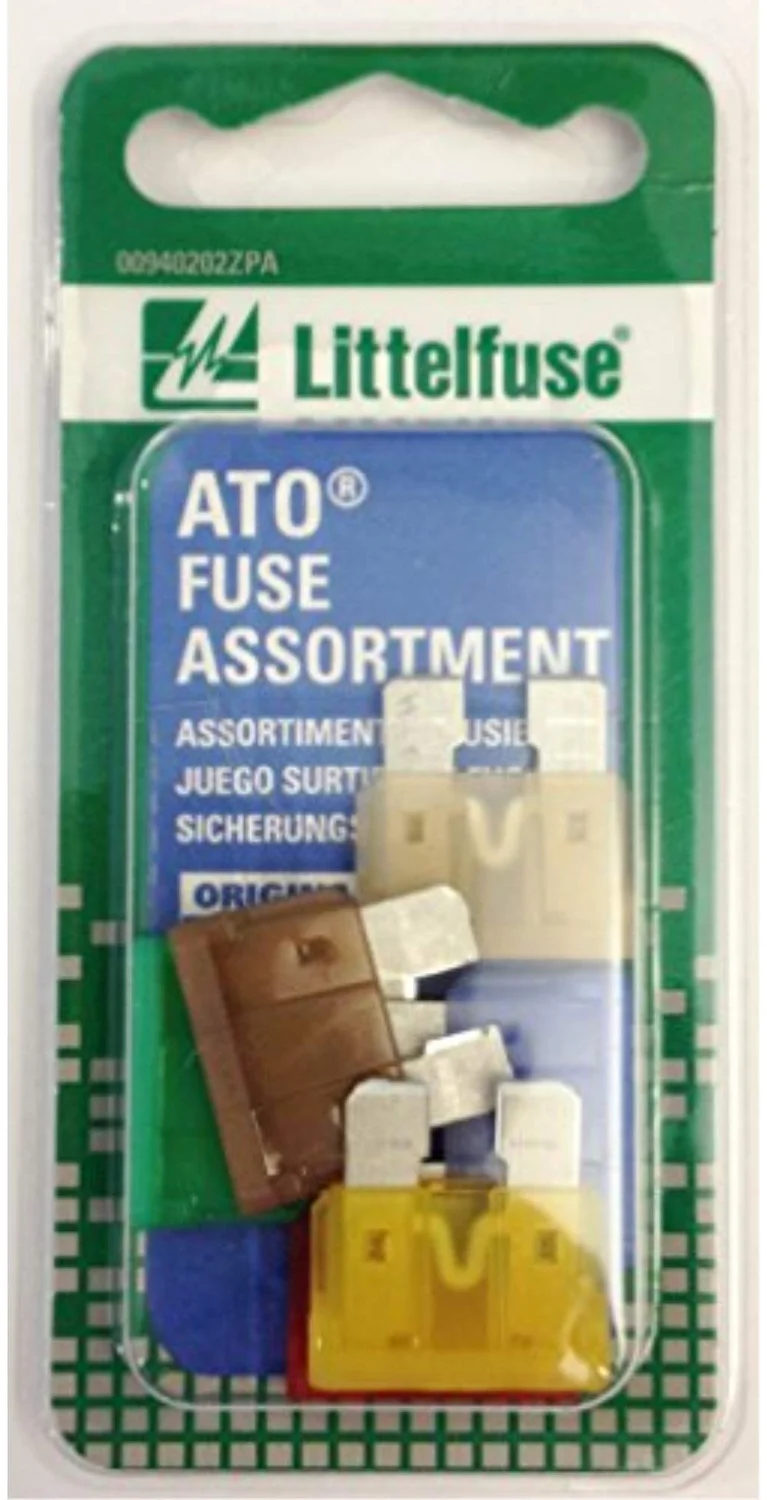
Start pulling fuses. Once you have a stable, higher-than-normal reading, head to your fuse box. Most vehicles have an under-hood fuse box and an interior fuse box. Start with the under-hood box. One by one, pull a fuse, watch the multimeter, and then put the fuse back in. If the amperage reading drops significantly when you pull a fuse, you've found the circuit with the drain. I always start with the larger fuses first, just in case there's a big draw on a major circuit.
-
Identify the culprit circuit. Let's say you pull the fuse for the radio, and the reading drops significantly. This indicates that the radio circuit is likely the source of your drain. Check for any aftermarket stereo installations or wiring issues. If you find that the radio is indeed the problem, you may need to inspect the wiring or even consider replacing the unit.
-
Narrow down the specific component. After identifying the circuit, you can further isolate the issue. For example, if you suspect an interior light, check the glove box and trunk lights. Sometimes, these lights can stick in the 'on' position, draining your battery. I’ve seen it happen often, especially with older vehicles where the switches can wear out.
-
Common mistakes to avoid. One common mistake is not allowing enough time for the vehicle to enter sleep mode. If you start testing too soon, you might get misleading readings. Another mistake is overlooking simple things like a trunk light that stays on or a glove box light that doesn’t turn off. Always check these first before diving deeper into electrical diagnostics.
Conclusion
Finding a parasitic battery drain can be a bit of a chore, but with the right tools and a systematic approach, you can save yourself time and money. If you find that the issue is beyond your skill level, don’t hesitate to consult a professional mechanic. They have the tools and experience to diagnose and fix the problem quickly.
FAQ
-
What is a parasitic battery drain?
A parasitic battery drain is when an electrical component in your vehicle continues to draw power from the battery even after the engine is turned off. This can slowly discharge your battery over time, leading to a dead battery and difficulty starting your car. It's often caused by a faulty component or an improperly wired accessory. -
What's a normal amount of parasitic draw?
A normal parasitic draw for most modern vehicles is typically between 20 and 50 milliamps (0.02 to 0.05 amps). This small amount of draw powers things like the clock, radio memory, and computer modules in their sleep state. Anything consistently above this range indicates a problem. -
Can a bad alternator cause a parasitic drain?
Yes, a faulty alternator can definitely cause a parasitic drain. If one of the diodes inside the alternator goes bad, it can allow current to flow from the battery back through the alternator when the engine is off. This is a common cause of battery drain and can be tricky to diagnose without proper testing. -
How long does it take to find a parasitic drain?
The time it takes to find a parasitic drain varies widely. It can be as quick as 15 minutes if it's a simple, obvious issue like a glove box light. However, for more elusive drains involving multiple circuits or intermittent issues, it can take several hours of careful testing and waiting for modules to go to sleep. -
Do I need special tools to find a parasitic drain?
You primarily need a digital multimeter capable of reading DC amps, preferably up to 10 amps or more. A test light can also be helpful for certain checks. Beyond that, basic hand tools for accessing fuse boxes and battery terminals are usually sufficient. No highly specialized equipment is required for most DIY diagnoses.
Top picks

Frequently asked questions
What is a parasitic battery drain?
A parasitic battery drain is when an electrical component in your vehicle continues to draw power from the battery even after the engine is turned off. This can slowly discharge your battery over time, leading to a dead battery and difficulty starting your car. It's often caused by a faulty component or an improperly wired accessory.
What's a normal amount of parasitic draw?
A normal parasitic draw for most modern vehicles is typically between 20 and 50 milliamps (0.02 to 0.05 amps). This small amount of draw powers things like the clock, radio memory, and computer modules in their sleep state. Anything consistently above this range indicates a problem.
Can a bad alternator cause a parasitic drain?
Yes, a faulty alternator can definitely cause a parasitic drain. If one of the diodes inside the alternator goes bad, it can allow current to flow from the battery back through the alternator when the engine is off. This is a common cause of battery drain and can be tricky to diagnose without proper testing.
How long does it take to find a parasitic drain?
The time it takes to find a parasitic drain varies widely. It can be as quick as 15 minutes if it's a simple, obvious issue like a glove box light. However, for more elusive drains involving multiple circuits or intermittent issues, it can take several hours of careful testing and waiting for modules to go to sleep.
Do I need special tools to find a parasitic drain?
You primarily need a digital multimeter capable of reading DC amps, preferably up to 10 amps or more. A test light can also be helpful for certain checks. Beyond that, basic hand tools for accessing fuse boxes and battery terminals are usually sufficient. No highly specialized equipment is required for most DIY diagnoses.