Why this matters for your vehicle
When you roll into a tire shop, you'll often get asked if you want regular air or nitrogen in your new tires. It's a common upsell, and it makes you wonder if you're missing out on something big. The idea behind nitrogen is that it's a more stable gas than the compressed air you usually get, which is about 78% nitrogen anyway, plus 21% oxygen and other bits. The stability comes from nitrogen's larger molecular size and inert nature, meaning it doesn't react with the rubber or fluctuate as much with temperature.
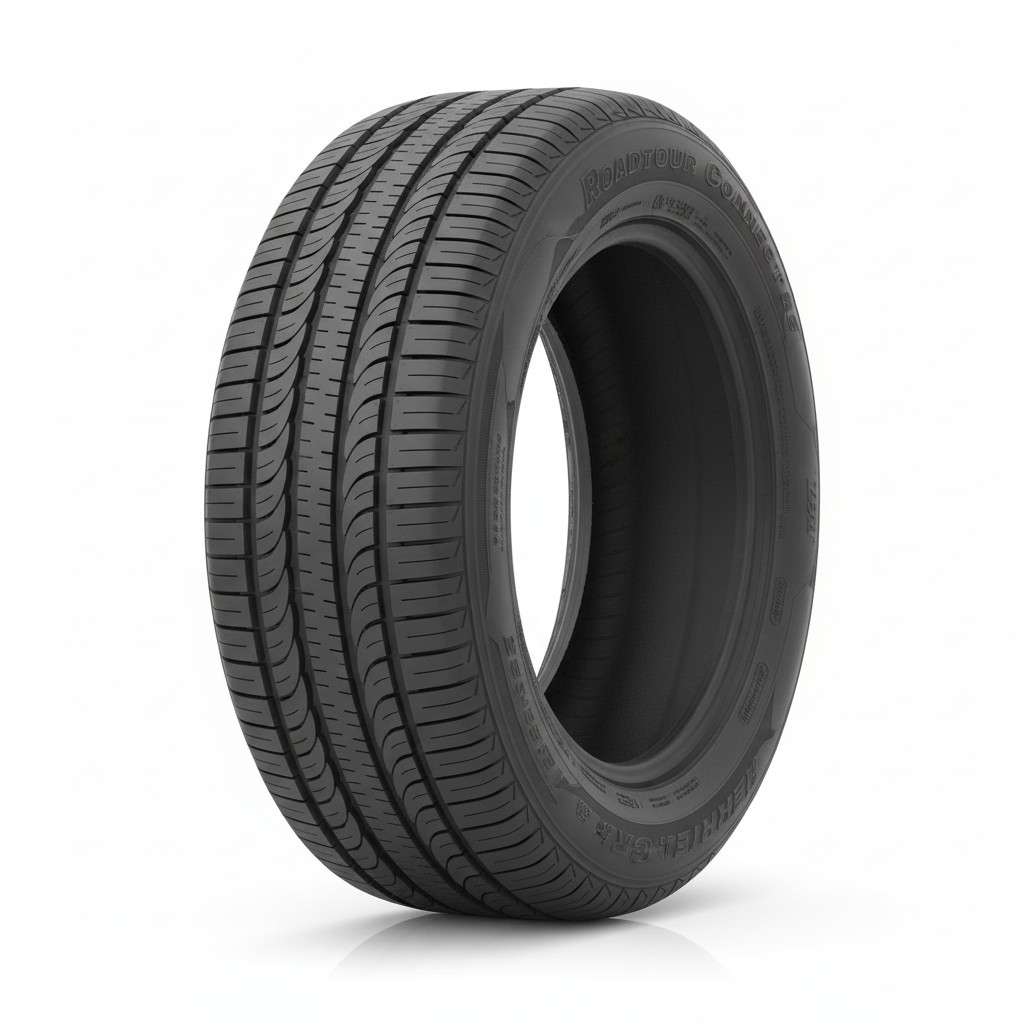
This stability is supposed to translate into more consistent tire pressure over time. Consistent pressure means your tires wear more evenly, you get better fuel economy, and your tires might even last longer. But here's the kicker: how much of that is real-world benefit you'll actually notice, and how much is just marketing? We're talking about the fundamental stuff that keeps your tires performing as they should, regardless of whether you're running a set of Hercules Roadtour Connect AS All Season Tires or some high-performance Michelin Pilot Sport 4 AO's.
Before you start: when NOT to DIY
Deciding between nitrogen and air isn't a DIY job in the traditional sense; you're not doing the filling yourself unless you've got a nitrogen generator in your garage. But there are still situations where you should think twice about paying for nitrogen or even just relying on a quick fill-up at a gas station. If you're seeing any of these issues, get your vehicle to a pro:
- Your tire pressure warning light comes on constantly, even after filling.
- You have a visible puncture or damage to the tire sidewall.
- Your tires are losing pressure rapidly, more than a pound or two per month.
- You hear a hissing sound near the valve stem or tire bead.
- You're experiencing unusual vibrations or handling issues that weren't there before.
Step-by-step procedure
There isn't a "procedure" for you to DIY nitrogen filling, but understanding how it's done and what to expect from a shop is key. Here's what goes down when you get nitrogen in your tires:
Step 1 — Evacuate existing air First, the technician will completely deflate your tires. This is crucial because you want to get as much of the regular air (and its oxygen and moisture) out as possible. The more pure the nitrogen fill, the more you'll theoretically see the benefits.
Step 2 — Fill with nitrogen Next, they'll connect a hose from a nitrogen generator or tank to your tire's valve stem. The tire is then filled to the manufacturer's recommended pressure. This is usually done with specialized equipment that ensures a high purity of nitrogen.
Step 3 — Purge and refill (optional but recommended) Some shops will do a purge cycle. They fill the tire with nitrogen, then deflate it again, and then refill it one more time. This further reduces the oxygen concentration inside the tire, getting it closer to 93-95% pure nitrogen. I always recommend this extra step when I'm doing a nitrogen fill for a customer, especially if they're paying for it. It makes a real difference in achieving the advertised benefits.
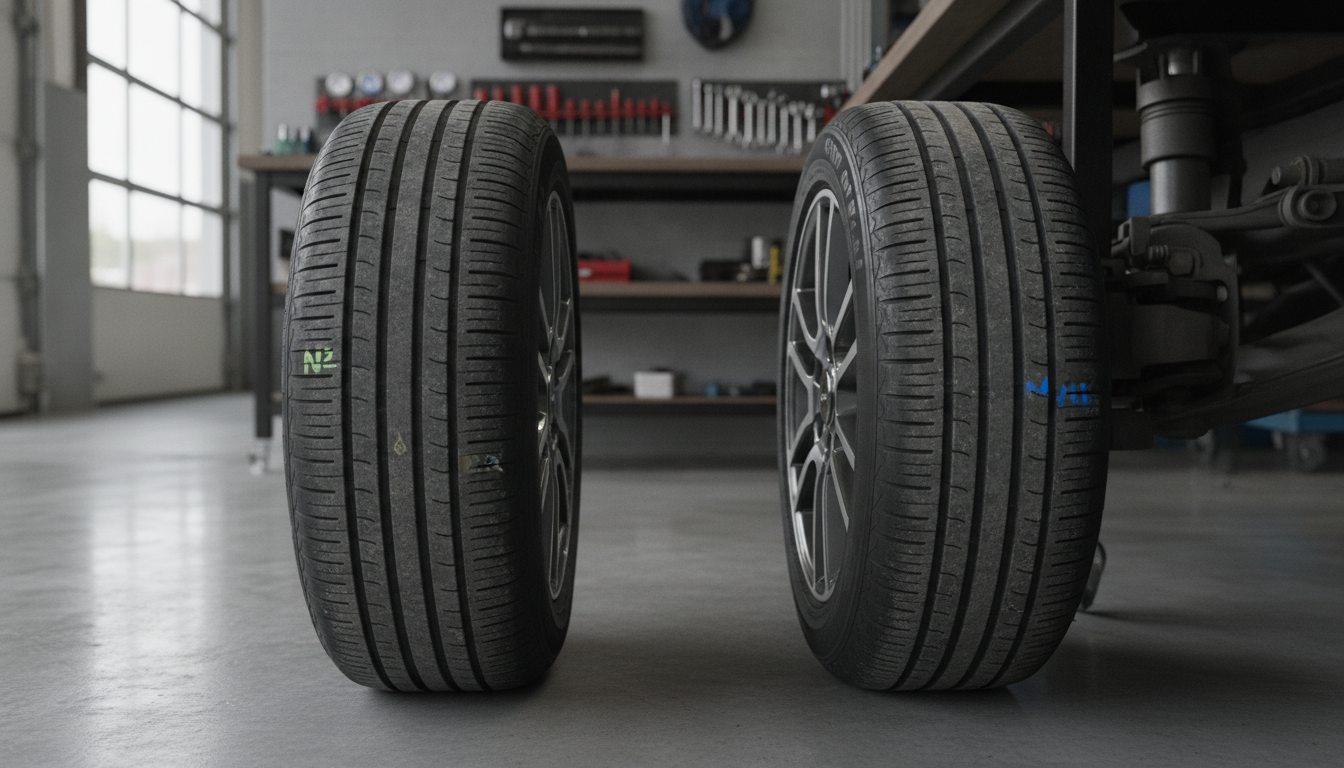
Step 4 — Replace valve caps Finally, they'll put on green valve caps. This isn't just for show; it's the industry standard to indicate that the tires are filled with nitrogen. It's a quick visual cue for anyone working on your car or for you when you're checking your own tires.
Step 5 — Check pressure Even with nitrogen, you still need to check your tire pressure regularly. Nitrogen helps maintain pressure better, but it's not magic. Tires can still lose pressure slowly over time, or due to temperature fluctuations, just at a slower rate than with air. Consult your service manual for proper tire pressure.
Common mistakes to avoid
One common mistake is assuming that nitrogen-filled tires never need checking. While nitrogen does help maintain pressure longer, it’s still essential to monitor your tire pressure regularly. Another mistake is neglecting to replace valve caps after filling. Those green caps are not just decorative; they help indicate that your tires are filled with nitrogen, preventing accidental air fills.
How often to replace front brake pads
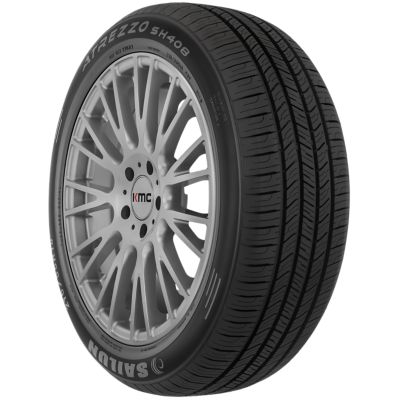
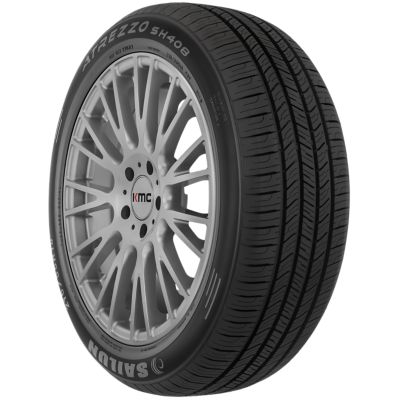
This section also doesn't apply to tire inflation. However, it's a good reminder that proper tire maintenance, including correct inflation (whether with air or nitrogen), directly impacts other components. Underinflated tires can put extra strain on your suspension and braking system. As for tire replacement, general guidelines suggest replacing tires every 6-10 years, regardless of mileage, or sooner if tread depth is low (typically 2/32nds of an inch) or if there's damage. Keep an eye out for uneven wear, cracks in the sidewall, or bulges, as these are all signs it's time for new rubber, like a fresh set of Sailun Atrezzo SH408s.
Comparing costs
The cost of filling your tires with nitrogen can vary by shop, but you can expect to pay between $5 and $30 per tire. This is a small price to pay for the potential benefits, especially if you're a performance driver or someone who frequently drives in extreme conditions. However, for the average daily driver, the benefits may not justify the cost. Regular air fills are typically free at most gas stations, making them a more economical choice for everyday use. Just remember, regardless of what you choose, keeping your tires properly inflated is the most critical factor in tire longevity and performance.
Top picks
Frequently asked questions
What's the main benefit of nitrogen in tires?
Nitrogen helps tires maintain consistent pressure longer because its molecules are larger and less prone to escaping through the tire rubber. It also reduces oxidation inside the tire, which can extend the life of the rubber and internal components like TPMS sensors.
Can I mix regular air with nitrogen in my tires?
Yes, you can absolutely mix regular air with nitrogen without any harm to your tires. It will simply dilute the purity of the nitrogen, reducing some of its benefits. If you're on a road trip and need a top-off, don't hesitate to use regular air.
Is nitrogen worth the extra cost for my daily commute?
For most daily drivers, the benefits of nitrogen might not justify the extra cost. Regular air is perfectly adequate if you check your tire pressure consistently. The biggest gains from nitrogen are seen in performance driving or applications where precise pressure is critical, like racing.
How often should I check nitrogen-filled tires?
Even with nitrogen, you should still check your tire pressure at least once a month, and before long trips. While nitrogen helps maintain pressure better, it's not a set-it-and-forget-it solution. Temperature changes and slow leaks can still affect pressure.