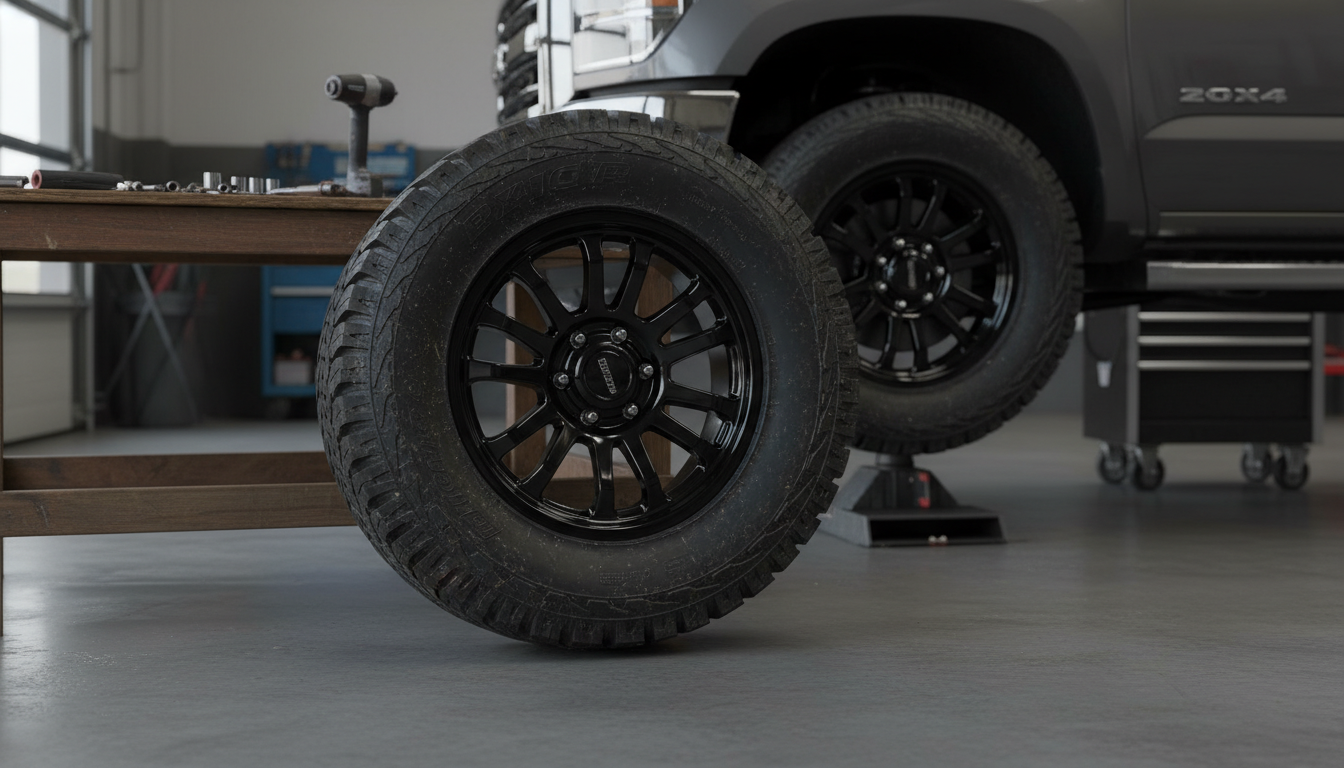
Picking the right tires for your truck or SUV isn't just about finding something that fits. It's about matching the rubber to your driving habits, the climate you live in, and the kind of work your vehicle does. You've got a lot of options out there, from basic all-seasons to aggressive mud-terrains. Getting it right means better handling, longer tire life, and most importantly, safety.
Quick verdict
For most truck and SUV owners who stick to paved roads and light trails, a good quality all-season tire is the best all-around choice. They offer a balanced mix of ride comfort, decent traction in varied weather, and good tread life. If you're serious about off-roading or live where winter means heavy snow and ice, you'll need to look at more specialized options like all-terrain or dedicated winter tires.
What actually matters when choosing
When you're staring at a wall of tires, it's easy to get overwhelmed. Here's what I tell my customers to focus on.
Tire type and terrain
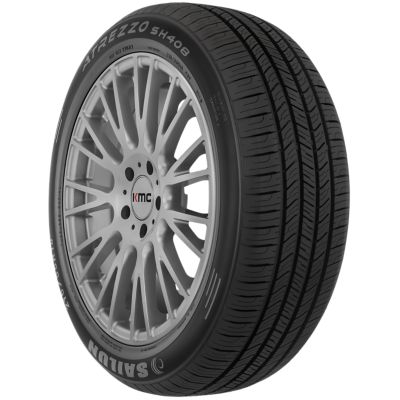
This is the big one. Are you mostly on the highway? Do you hit dirt roads every weekend? Or are you slogging through mud and rocks? Your tire choice needs to reflect that. All-season tires, like the Sailun Atrezzo SH408, are designed for general use, offering decent performance in dry, wet, and light snow conditions. They're a solid choice for daily drivers. All-terrain tires have a more aggressive tread pattern for better grip off-road, but they're still comfortable enough for highway driving. Mud-terrain tires are for serious off-roaders; they're noisy on pavement and wear faster, but they'll pull you through just about anything. And then there are dedicated winter tires, which use special rubber compounds and tread designs for maximum grip on ice and snow.
Load index and speed rating
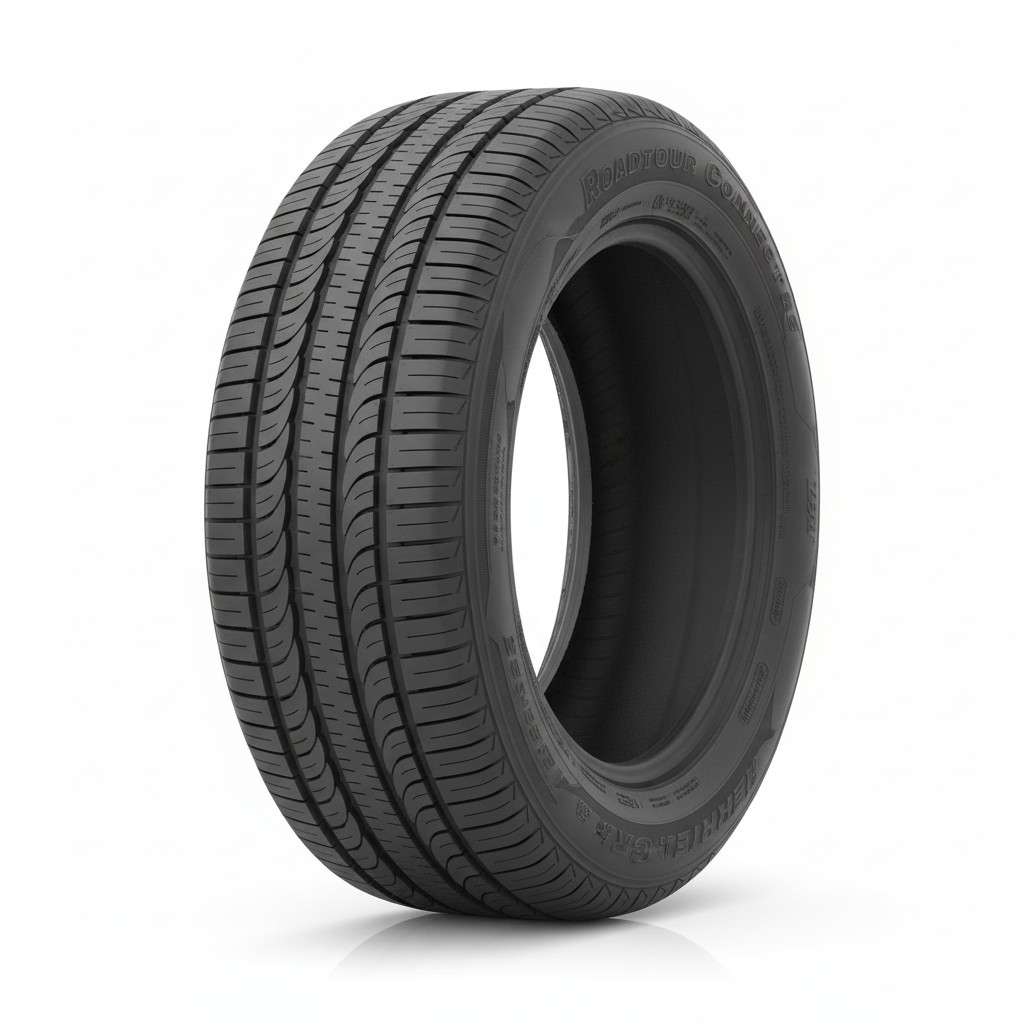
These numbers are crucial, especially for trucks and SUVs. The load index tells you how much weight a single tire can safely carry. Your vehicle's manufacturer specifies a minimum load index, and you should never go below it. The speed rating indicates the maximum speed the tire can safely maintain. Again, stick to what your owner's manual recommends. For example, a tire like the Hercules Roadtour Connect AS All Season Tire has a 94H rating, meaning it can carry 1477 lbs and is rated for speeds up to 130 mph. Going too low on either of these can be dangerous.
Tread life and warranty
Tires are an investment, so you want them to last. Tread life is often expressed as a mileage warranty from the manufacturer. It's a good indicator of expected durability, but remember that actual mileage depends heavily on driving style, maintenance, and road conditions. Some tires, like the Toyo Extensa AS II, are known for their strong durability scores. Regular rotations and proper inflation are key to getting the most out of any tire.
Ride comfort and noise
More aggressive tread patterns, while great for off-road grip, often mean a noisier and less comfortable ride on pavement. If your truck is primarily a daily driver, you'll appreciate a tire designed for a quieter, smoother experience. All-season and highway-terrain tires generally excel here. If you're used to the hum of mud-terrains, you might not care as much, but it's something to consider for long drives.
Price and value
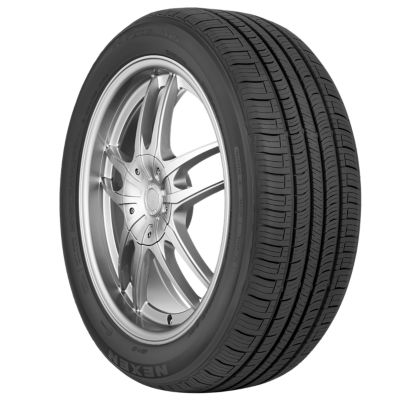
Everyone wants a good deal, but the cheapest tire isn't always the best value. Sometimes, paying a little more upfront for a tire with better durability and performance will save you money in the long run. Consider the overall value, which includes tread life, fuel efficiency, and performance characteristics, not just the sticker price. For example, a Sailun Atrezzo SH408 225/60R17 99H goes for $92.20, offering solid value, while a Nexen N Priz AH5 225/65R17 102H is $129.16 and has a higher quality score.
Side-by-side comparison
| Feature | All-Season Tires | All-Terrain Tires | Winter Tires |
|---|---|---|---|
| Primary Use | Daily driving, highway, light trails | Moderate off-road, highway, varied conditions | Snow, ice, freezing temperatures |
| Tread Pattern | Moderate, optimized for quiet ride and wet/dry grip | Aggressive, larger blocks, deeper grooves for off-road traction | Deep, siped tread, specialized rubber for cold weather grip |
| Ride Comfort | High | Medium | Low (can be noisy on dry pavement) |
| Noise Level | Low | Medium to High | High |
| Tread Life | Good, often with mileage warranties | Moderate, can vary with off-road use | Moderate, wears quickly in warm weather |
| Cost | Typically lowest | Medium | Highest (often requires two sets of tires) |
| Examples | Hercules Roadtour Connect AS, Sailun Atrezzo SH408, Nexen N Priz AH5 | (Not explicitly in fact pack, but common brands like BFGoodrich, Falken) | Nexen Winguard Sport 2 (though this is a winter performance tire, not truck) |
Who should buy what
- If you drive mostly on paved roads and occasionally hit a gravel path, get an all-season tire. They're a great balance for most truck and SUV owners. Consider the Hercules Roadtour Connect AS All Season Tire for a solid, budget-friendly option at $80.56, with 250 in stock.
- If you live in an area with distinct winter seasons and heavy snow/ice, get dedicated winter tires. You'll need to swap them out, but the safety improvement is huge. The Nexen Winguard Sport 2 is a good example of a winter performance tire, priced at $123.10.
- If you frequently go off-roading, hunting, or need maximum traction on unpaved surfaces, get all-terrain or mud-terrain tires. Just be prepared for more road noise and potentially faster wear compared to all-seasons.
- If you prioritize value and a good all-around performer for your SUV, check out the Sailun Atrezzo SH408 225/65R17 102H. It's only $93.17 and we have 27558 in stock.
Common mistakes when shopping
- Buying based on price alone: The cheapest tire might save you a few bucks today, but it could cost you more in the long run with poor fuel economy, faster wear, or compromised safety. Always consider the overall value and performance characteristics.
- Ignoring load index and speed rating: These aren't suggestions; they're safety critical. Installing tires with inadequate load capacity can lead to blowouts, especially when carrying heavy loads or towing. Always consult your owner's manual for the correct specifications.
- Not considering your actual driving needs: Don't buy aggressive mud-terrain tires if your truck never leaves the pavement. You'll waste money, deal with excessive noise, and sacrifice comfort for capabilities you don't use. Be honest about how and where you drive.
- Forgetting about tire maintenance: Even the best tires won't last if you don't take care of them. Regular rotations, proper inflation, and alignment checks are essential. Neglecting these will shorten tread life significantly.
Recommended parts
- Hercules Roadtour Connect AS All Season Tire 205/65R15 94H Blackwall - A reliable all-season option with a strong value score, currently $80.56.
- Sailun Atrezzo SH408 225/60R17 99H - A popular choice for SUVs, offering good quality and durability at $92.20.
- Nexen N Priz AH5 225/65R17 102H - A high-quality all-season tire with excellent performance ratings, available for $129.16.
Top picks
Frequently asked questions
What's the difference between all-season and all-terrain tires?
All-season tires are designed for general road use, offering balanced performance in various conditions including light snow. All-terrain tires have a more aggressive tread for better off-road grip on dirt, gravel, and mud, while still being suitable for highway driving, though often with more noise.
How do I know what size tires my truck or SUV needs?
You can find your vehicle's recommended tire size, load index, and speed rating on a sticker located on the driver's side door jamb, inside the glove compartment, or in your owner's manual. Always match these specifications for safety and optimal performance.
Are more expensive tires always better for trucks and SUVs?
Not always, but there's often a correlation between price and quality, durability, and performance. More expensive tires might offer better handling, longer tread life, or superior traction in specific conditions. It's about finding the best value for your specific driving needs and budget.