If you've ever been driving down a long, steep grade, or hauling a heavy trailer, and suddenly your brakes feel like they're not doing much, you've experienced brake fade. It's a scary feeling. Your pedal might get soft, or you have to push it a lot harder to get the same stopping power. This isn't just an inconvenience; it's a serious safety issue that can lead to accidents.
Brake fade happens when your braking system gets too hot. Brakes work by converting kinetic energy (your moving vehicle) into thermal energy (heat) through friction. When you're constantly braking, like on a long downhill stretch or with a heavy load, that heat builds up faster than the system can dissipate it. Once the temperature gets too high, the friction material on your pads starts to break down, and the brake fluid can even boil. Both of these reduce your ability to stop.
Most common causes
| Cause | Likelihood | DIY-fixable? |
|---|---|---|
| Overheated brake pads | High | Yes |
| Boiling brake fluid | Medium | Yes |
| Worn brake components | High | Yes |
| Improper driving technique | High | Yes |
| Undersized brake system | Low | Yes |
How to diagnose
Diagnosing brake fade usually means recognizing the symptoms while it's happening, but you can also check your system for signs of prior overheating. Start by thinking about when the fade occurs. Is it only when you're towing? Only on long downhill mountain passes? Or is it happening during normal driving?
- Check for a spongy or soft brake pedal. This is a classic sign of boiling brake fluid. When brake fluid gets hot enough, it creates vapor bubbles. Unlike fluid, vapor is compressible. When you push the pedal, you're compressing those bubbles instead of pushing fluid to the calipers, leading to a soft pedal feel.
- Look for blue spots on your rotors. If your rotors have been seriously overheated, you'll often see discoloration, especially blue or purple spots. This indicates extreme heat. Overheated rotors can also warp, causing a pulsation in the pedal when you brake. You'll need to replace them if they're warped or discolored.
- Smell for a burning odor. This is the friction material on your brake pads literally burning up. It's a distinct, acrid smell. If you smell it, your pads are getting way too hot.
- Inspect your brake pads for glazing. Overheated pads can develop a hard, shiny surface, or 'glazing.' This reduces their friction capability. Sometimes you can scuff them with sandpaper to restore some performance, but often, replacement is the best option.
- Check your brake fluid condition. Old brake fluid absorbs moisture over time. Water has a much lower boiling point than brake fluid. If your fluid is old and contaminated with water, it will boil much faster under heavy braking, leading to fade. You can check the fluid color; dark, murky fluid needs to be flushed and replaced. I've seen plenty of vehicles come in with brake fade complaints, and a simple brake fluid flush with fresh DOT 4 fluid makes a world of difference. It's often overlooked.
- Consider your driving habits. Are you riding the brakes downhill? Downshifting to use engine braking is crucial, especially with a heavy load or on steep descents. This takes a lot of strain off your service brakes.
Parts that commonly need replacing
When you're dealing with brake fade, you're usually looking at components that couldn't handle the heat. Here's what often gets replaced:
- Brake pads: If your pads are glazed, worn thin, or made for light-duty use, they're a prime candidate for replacement. Look for high-performance or heavy-duty pads designed for towing or spirited driving. These often use different friction compounds that can withstand higher temperatures.
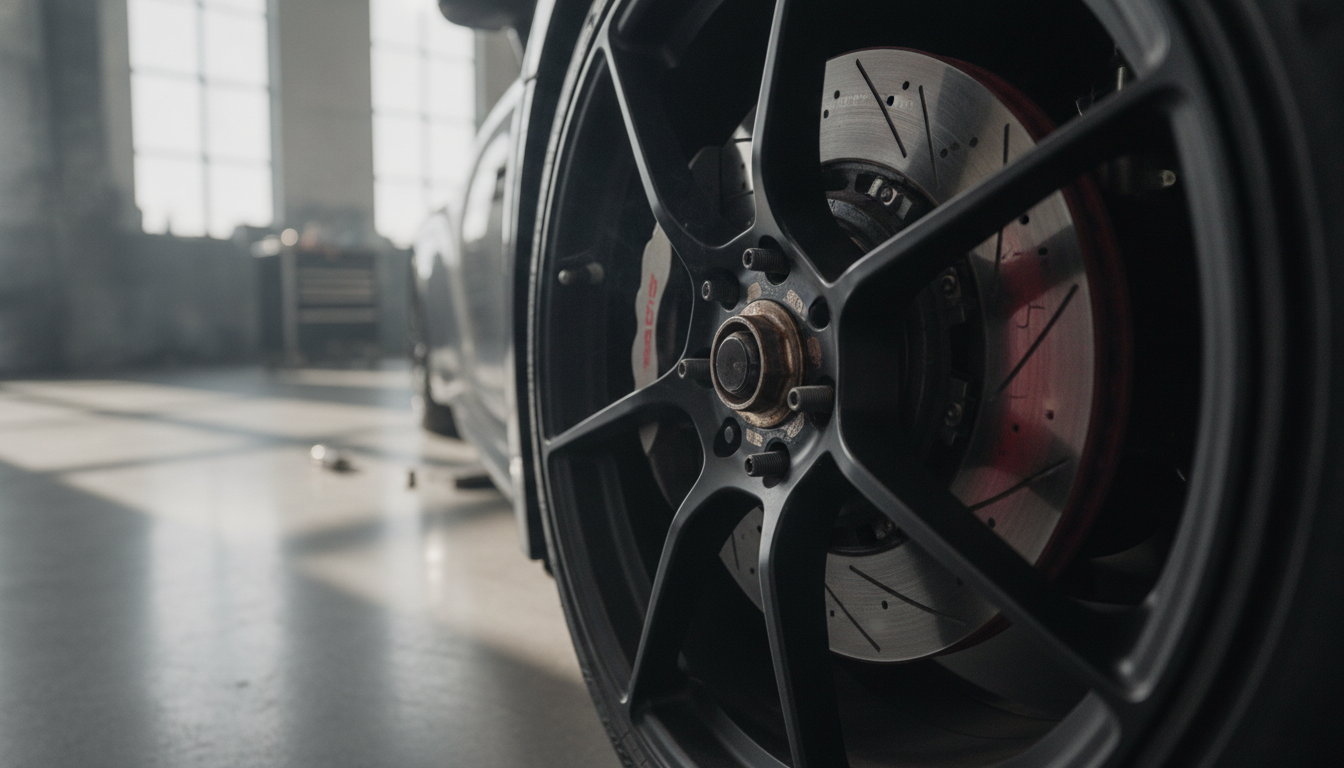
- Brake rotors: Discolored or warped rotors need to go. Upgrading to slotted or drilled rotors can help with heat dissipation and gas venting, which can reduce fade. Just make sure they're good quality; cheap drilled rotors can crack.
- Brake fluid: As mentioned, old, contaminated fluid is a major cause of a soft pedal. A full brake fluid flush with a high-quality DOT 3 or DOT 4 fluid (check your owner's manual for the correct type) is often necessary. You can get Dorman Brake Bleeder Screws M10 1.0 Thread Pitch Universal for just $5.41 if yours are seized or stripped.
- Brake lines: While less common for fade directly, old or swollen rubber brake hoses can expand under pressure, leading to a spongy pedal feel that mimics fade. If you're replacing old lines, you might consider something like the Ags Steel Brake Line 3/16 Inch Diameter 30 Inch Length for $5.08, or the Ags Poly-Armour Brake Line Coil 3/16 Inch x 30 Inch for $5.41. These are good options for custom applications or replacing rusted lines.
When to take it to a shop
While many aspects of diagnosing and addressing brake fade can be DIY, there are times when it's best to get professional help. If you've replaced pads, rotors, and flushed the fluid, and you're still experiencing fade, there might be a deeper issue. This could include a failing master cylinder, a problem with the ABS system, or a seized caliper. A shop has specialized diagnostic tools to pinpoint these more complex problems. Also, if you're not comfortable bleeding brakes, or if you encounter seized brake hangers or other stubborn components, a professional can handle it safely and efficiently. Brake work is critical to safety, so don't hesitate to call in the pros if you're unsure. Remember, your brakes are your first line of defense on the road, and maintaining them is key to your safety.
Top picks



Frequently asked questions
What does brake fade feel like?
Brake fade typically feels like your brakes are losing their effectiveness. You'll notice a spongy or soft brake pedal, requiring more effort to slow down. Stopping distances will increase, and you might detect a burning smell from the brakes. The vehicle won't decelerate as quickly as it should.
Can brake fade be permanently fixed?
Yes, brake fade can be permanently addressed by identifying and fixing its root cause. This often involves upgrading to higher-performance brake pads and rotors designed for better heat dissipation, using fresh, high-quality brake fluid, and adopting proper driving techniques like engine braking on descents.
Is brake fade dangerous?
Absolutely, brake fade is very dangerous. It significantly reduces your vehicle's ability to stop, especially in critical situations like emergency braking or on steep declines. This can lead to loss of control, increased stopping distances, and a much higher risk of collision. Address brake fade immediately.
How can I prevent brake fade when towing?
When towing, prevent brake fade by using engine braking (downshifting) to help control your speed, especially on descents. Avoid riding the brakes. Ensure your vehicle has heavy-duty brake components, like performance pads and rotors, and fresh, high-temperature brake fluid. Properly load your trailer to balance weight.
Does brake fluid type affect fade?
Yes, brake fluid type significantly affects fade. Different DOT ratings (e.g., DOT 3, DOT 4, DOT 5.1) have varying dry and wet boiling points. Higher-performance fluids, like DOT 4 or 5.1, have higher boiling points, making them more resistant to boiling and vapor lock under extreme heat, thus reducing fade.