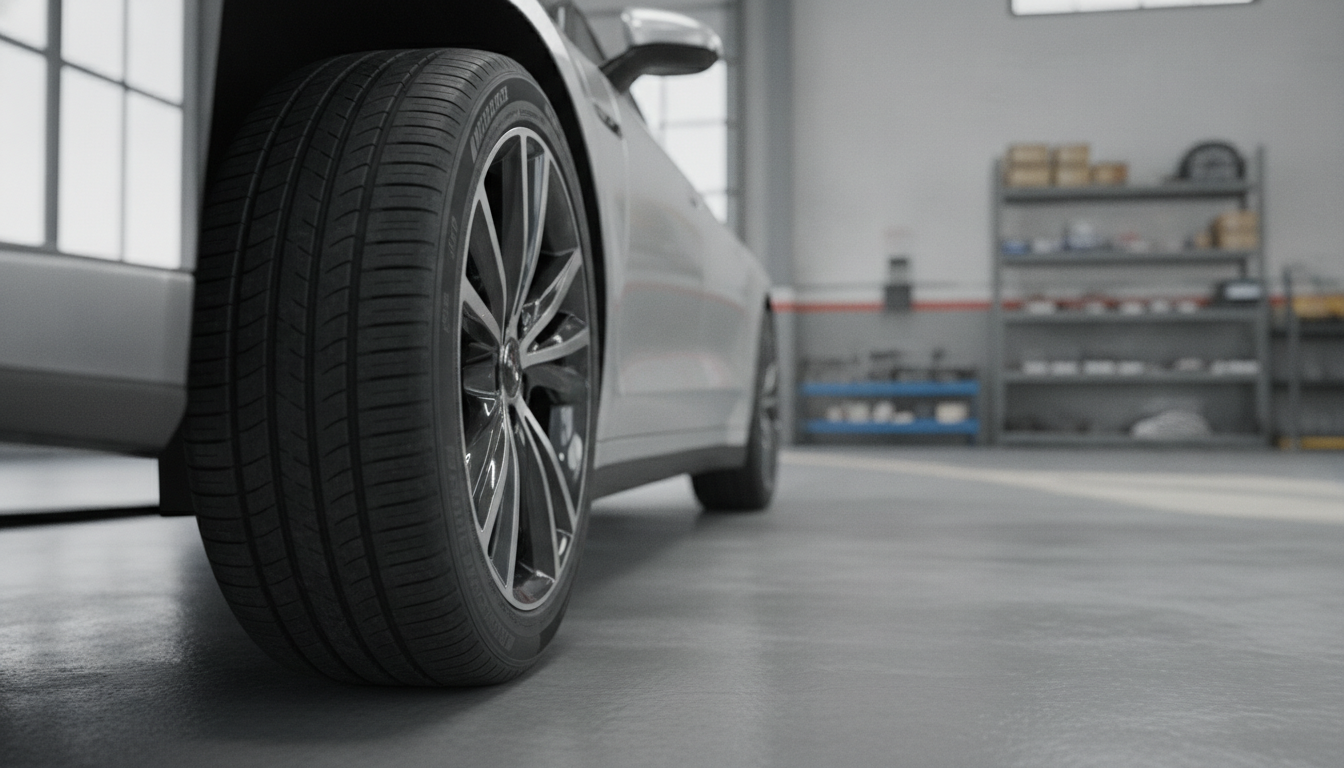
You're driving down the road, and there's this hum. It's not the engine. It's not the transmission. It's your tires. That constant drone can really wear on you, especially on a long trip. Tire noise isn't just an annoyance; it's a sign of how the tire interacts with the road, and it's a major factor for a lot of folks when they're buying new rubber. Understanding what makes a tire noisy, and what makes it quiet, is key to getting a set you'll be happy with.
What to look for — 4-6 sub-sections covering buying criteria
Tread pattern and design
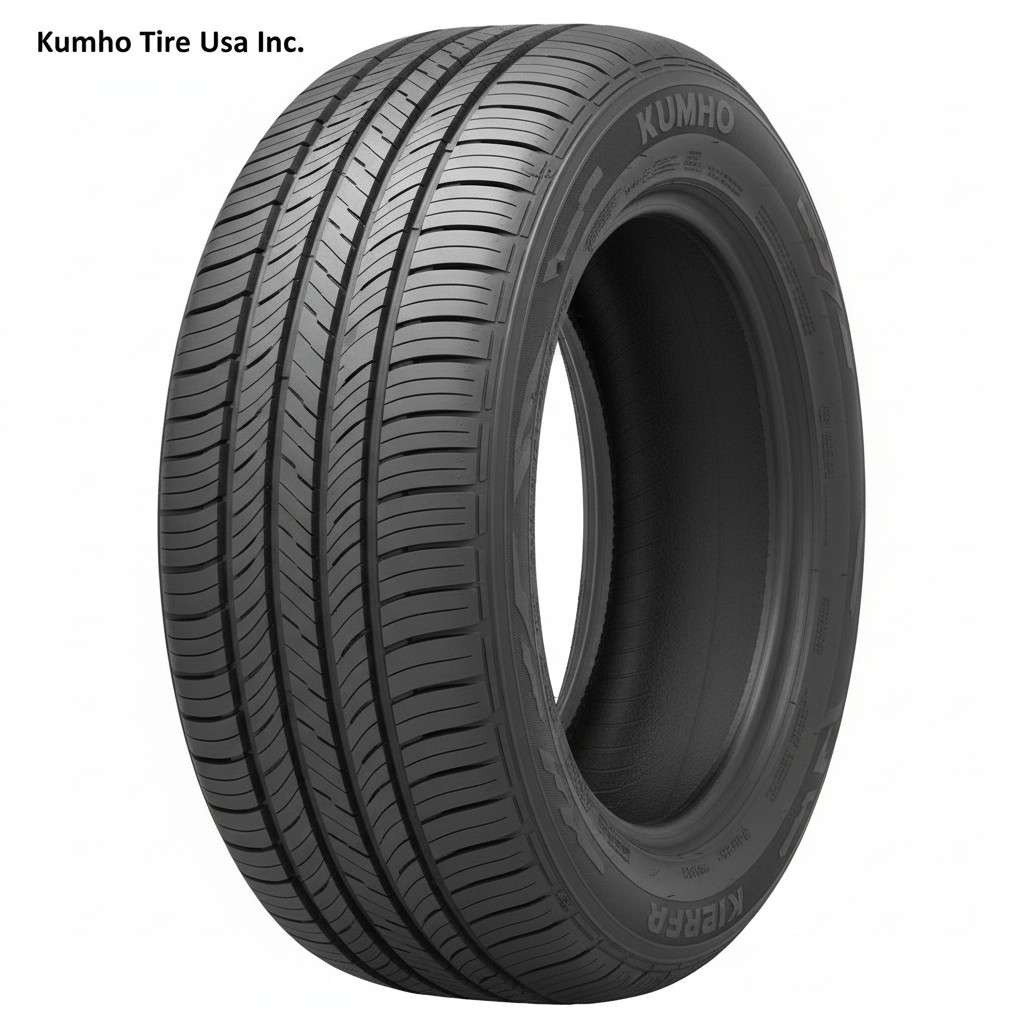
The biggest culprit for tire noise is usually the tread pattern. Those big, aggressive blocks on an all-terrain tire? They're great for mud and rocks, but they also create a lot of air turbulence and vibration on pavement. Think of it like clapping your hands — more air being moved, more noise. Quieter tires often use what's called a variable pitch tread design. This means the tread blocks aren't all the same size. By varying the size and spacing, the tire designers can break up the sound waves, spreading them across different frequencies. This makes the overall noise less noticeable and less irritating to your ears. Look for tires with smaller, more tightly packed tread blocks, especially in the center of the tire. These designs are better at channeling water and maintaining contact with the road without creating excessive noise.
Rubber compound
The type of rubber a tire is made from plays a big role in how much noise it generates. Softer rubber compounds tend to absorb road imperfections and vibrations better than harder compounds. This absorption translates to a quieter ride. The downside? Softer compounds often wear faster. It's a trade-off. Manufacturers are always trying to find that sweet spot between good grip, long tread life, and low noise. Generally, touring tires use softer compounds designed for comfort and quietness, while performance or truck tires might use harder, more durable compounds that can be a bit louder. When you're looking for quiet tires, pay attention to the compound descriptions if they're available.
Tire construction and internal structure
It's not just the outside of the tire that matters. The internal construction, like the number of plies and the materials used in the sidewall and belts, also affects noise. Some tires have noise-reducing layers or foams built into the carcass to absorb sound waves before they reach the cabin. These technologies are often found in premium touring tires. The stiffness of the sidewall also plays a part. A stiffer sidewall can transmit more road noise, while a more flexible sidewall can dampen it. This is where you start getting into the nuances of tire engineering, and it's why some tires just feel and sound better than others, even with similar tread patterns.
Speed rating and load index
Don't overlook the speed rating and load index. These aren't directly about noise, but they influence the tire's construction and compound. A higher speed rating often means a stiffer tire with a harder compound, designed for stability at high speeds. This can sometimes lead to more noise. Similarly, tires with a higher load index are built to carry more weight, which usually means stronger, stiffer construction that might transmit more road noise. If you're not routinely pushing your vehicle to its limits or hauling heavy loads, you might find a quieter ride by sticking to the speed and load ratings recommended by your vehicle manufacturer, rather than over-specifying.
Road surface and condition
This isn't about the tire itself, but it's a huge factor in perceived noise. A perfectly smooth asphalt road will always be quieter than a rough concrete highway or a gravel road, no matter what tires you have. The texture of the road surface directly impacts the amount of friction and vibration generated. Even the same tire can sound completely different on different roads. Keep this in mind when you're testing out new tires or trying to diagnose a noise problem. Sometimes, it's not the tire; it's just the road you're on. I've had customers come in convinced their new tires were bad, only to find out they just drove a different route to the shop that day.
Quick comparison — markdown table comparing 3-5 specific products from the fact pack
| Tire Name | Retail Price | Stock | Quality Score | Durability Score |
|---|---|---|---|---|
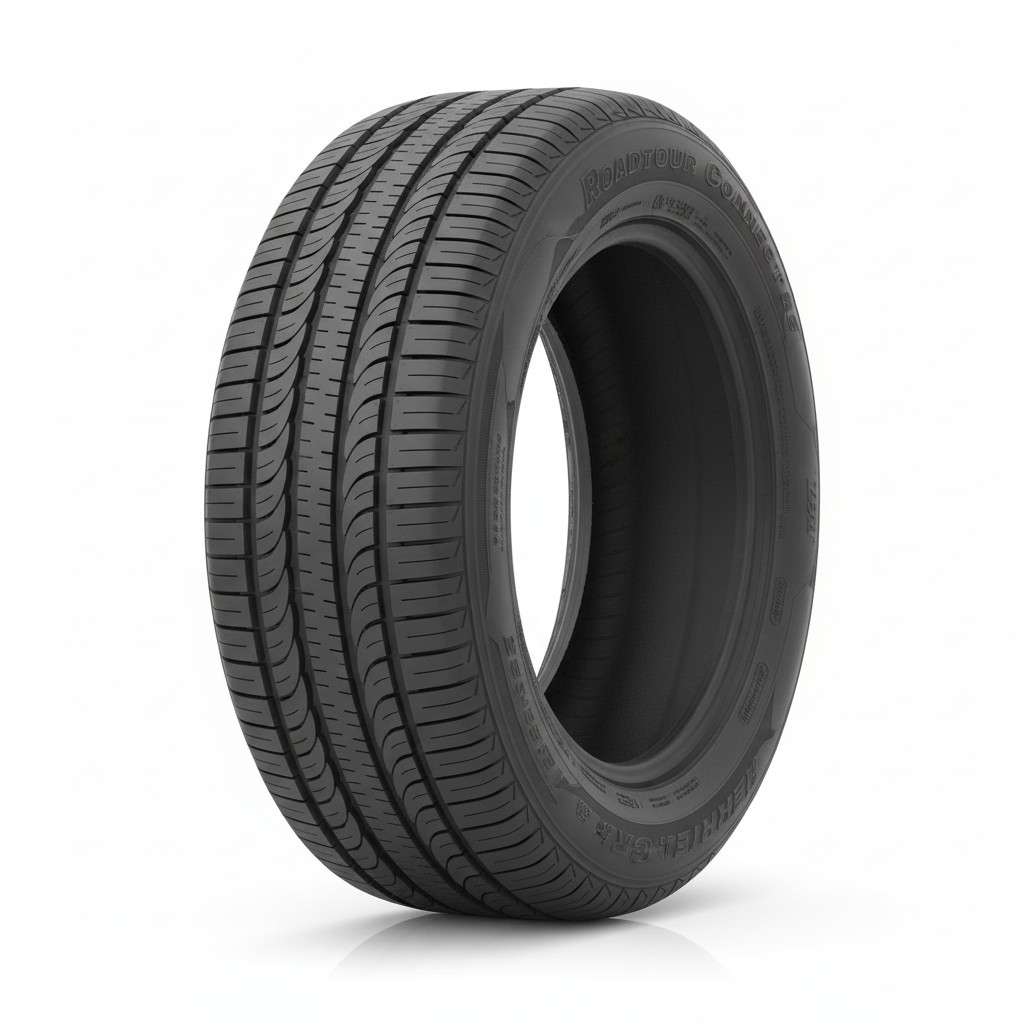
| Hercules Roadtour Connect AS All Season Tire 205/65R15 94H Blackwall | $85.99 | 250 | 78 | 86 |
| Sailun Atrezzo SH408 225/60R17 99H | $96.40 | 10620 | 77 | 82 |
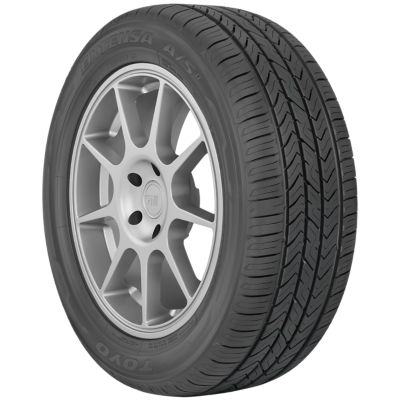
| Toyo Extensa AS II 205/55R16 91H | $127.22 | 1183 | 88 | 85 |
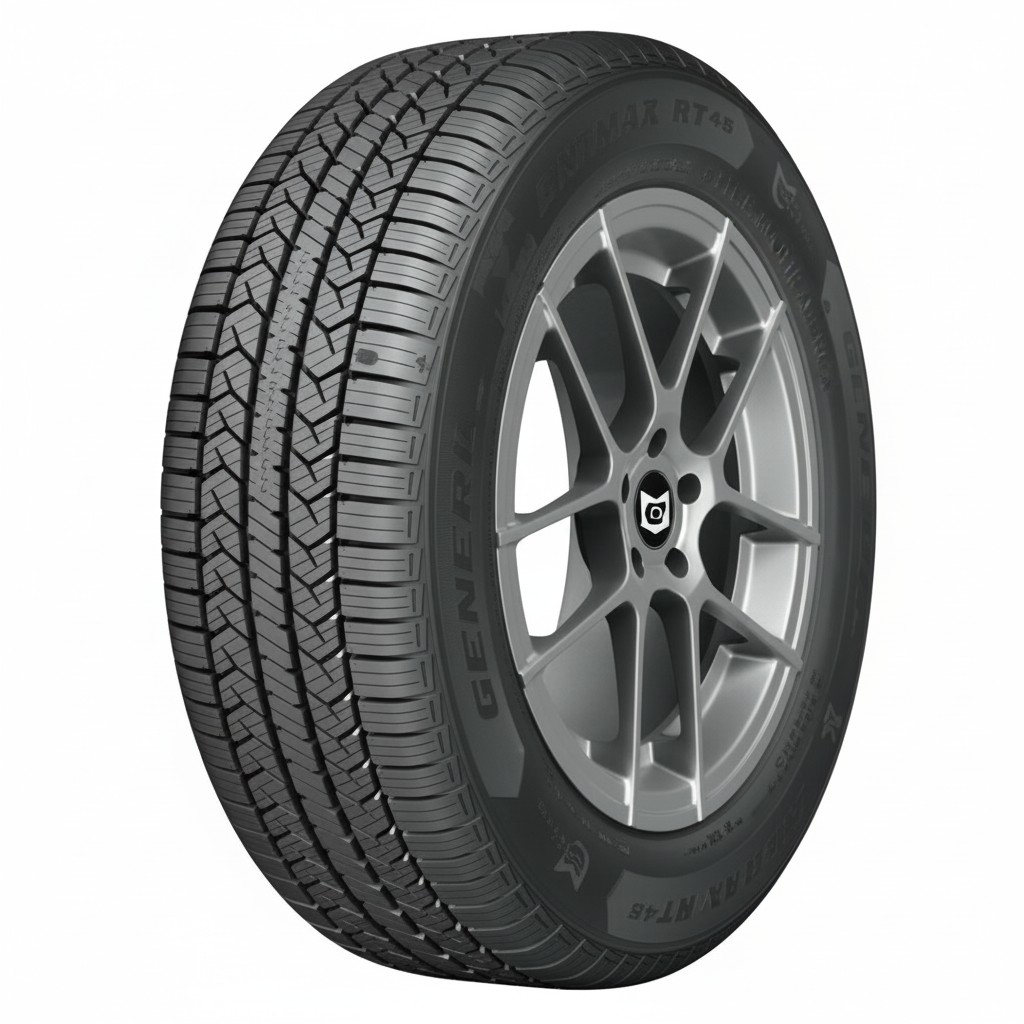
| General AltiMAX RT45 215/65R16 98H All Season Touring Tire | $129.99 | 241 | 85 | 89 |
| Kumho Crugen HP71 All Season Tire 235/70R16 109H Blackwall | $134.99 | 250 | 82 | 85 |
Top picks — for each, a paragraph with markdown link
For a solid all-around option that balances value and quiet performance, the Hercules Roadtour Connect AS All Season Tire 205/65R15 94H Blackwall is a strong contender. At just $85.99, it offers a good quality score of 78 and a durability score of 86, making it a reliable choice for everyday driving without breaking the bank. It's designed as an all-season touring tire, which typically means a focus on a comfortable and quiet ride.
If you're looking for a step up in quality and are willing to spend a bit more, the General AltiMAX RT45 215/65R16 98H All Season Touring Tire at $129.99 is an excellent choice. This tire boasts a quality score of 85 and an impressive durability score of 89. General AltiMAX tires are well-regarded for their comfortable ride and noise reduction features, making them a popular pick for those prioritizing a quiet cabin.
For a premium experience, the Toyo Extensa AS II 205/55R16 91H is hard to beat. While it comes in at $127.22, its quality score of 88 is among the highest, and its durability score is 85. Toyo often engineers their touring tires with advanced tread compounds and patterns specifically to minimize road noise and provide a smooth, comfortable ride, making this a great option if quietness is a top priority.
Budget vs premium
When considering tire noise, you generally get what you pay for. Budget tires, like some of the Sailun Atrezzo SH408 options (e.g., the Sailun Atrezzo SH408 225/60R17 99H at $96.40), focus on providing basic performance and safety at an accessible price point. They might have simpler tread designs and harder rubber compounds, which can lead to more road noise. They're perfectly adequate for many drivers, but if a quiet ride is high on your list, you might find them lacking.
Premium tires, on the other hand, incorporate more advanced technologies. This includes sophisticated variable pitch tread designs, specialized noise-absorbing rubber compounds, and sometimes even internal sound-dampening layers. Brands like Toyo and General, with products like the Toyo Extensa AS II or the General AltiMAX RT45, invest heavily in research and development to create tires that are not only safe and durable but also exceptionally quiet. The higher price reflects these engineering efforts and the use of more advanced materials. If you spend a lot of time in your car, or if you're particularly sensitive to road noise, the extra investment in a premium, quiet tire is often worth it for the improved driving experience.
How to verify fitment before buying
Before you click that 'buy' button, you've got to make sure the tires will actually fit your vehicle. The easiest way to do this is to check the sidewall of your current tires. You'll see a series of numbers and letters, something like "P205/65R15 94H." This is your tire size. The first number (205) is the tread width in millimeters. The second number (65) is the aspect ratio, or the sidewall height as a percentage of the width. The 'R' means radial construction, and the last number (15) is the wheel diameter in inches. The "94H" is the load index and speed rating. You need to match these numbers precisely. If you're unsure, check your vehicle's owner's manual or the sticker on the driver's side door jamb. That sticker will list the factory-recommended tire size and inflation pressures. Using the correct tire size is critical for safety, proper handling, and to ensure your speedometer reads accurately. Don't guess. Double-check those numbers.
Top picks
Frequently asked questions
What causes tire noise?
Tire noise is primarily caused by the tread pattern interacting with the road surface, creating air turbulence and vibrations. The rubber compound, internal construction, and even the road's texture also play significant roles in how much noise a tire generates while driving.
Are all-season tires quieter than other types?
Generally, all-season touring tires are designed for comfort and a quiet ride, making them quieter than more aggressive options like all-terrain or performance tires. The latter often have larger, more open tread blocks that generate more noise on pavement due to increased air displacement.
Can proper tire maintenance reduce noise?
Absolutely. Keeping your tires properly inflated to the manufacturer's recommended pressure is crucial. Under-inflated or over-inflated tires can wear unevenly and become noisier. Regular tire rotations also promote even wear, preventing irregular patterns that can lead to increased noise over time.
How do I choose a quiet tire?
Look for tires with variable pitch tread designs, which help break up sound waves. Softer rubber compounds tend to absorb road noise better. Check tire reviews for mentions of quietness, and consider touring-specific models from reputable brands, as they prioritize ride comfort and low noise.