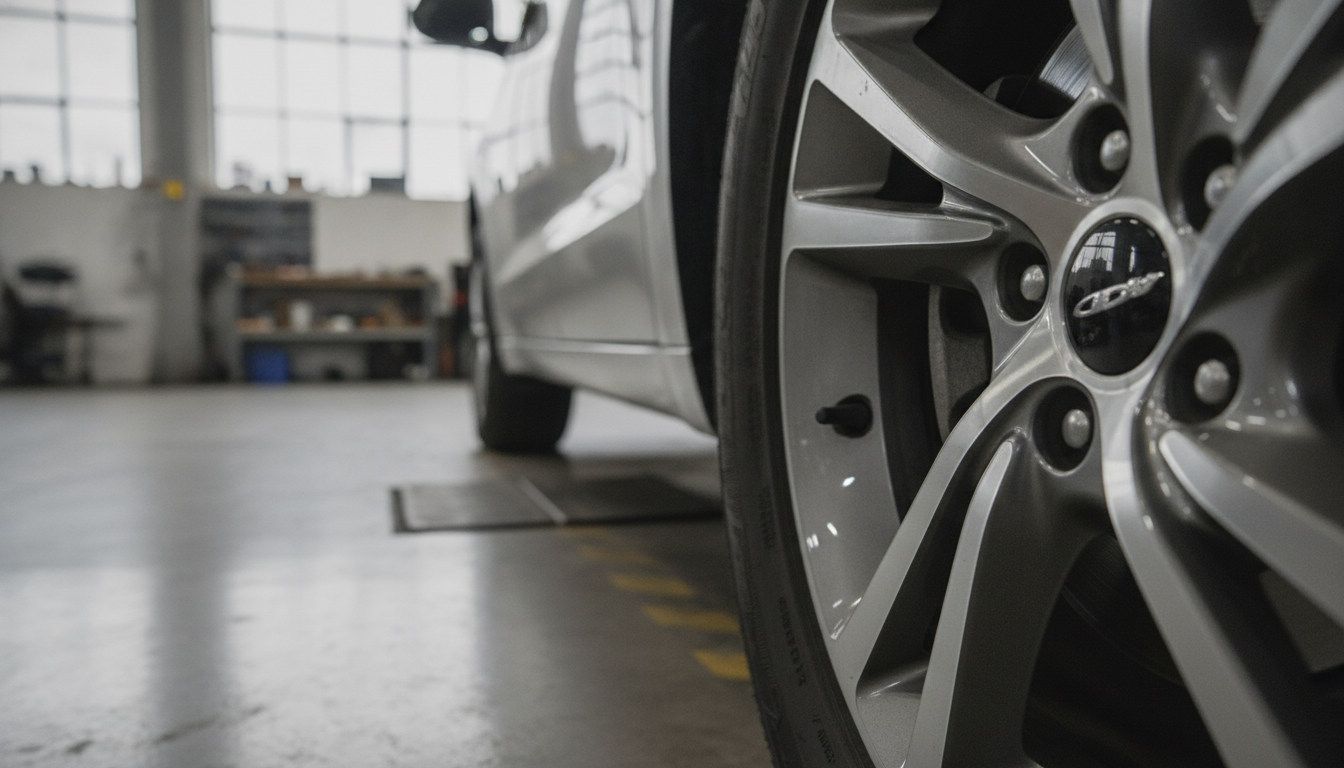
When you're looking at a new set of tires, there's a lot of information molded into that sidewall. Beyond the size and speed rating, you'll see a two or three-digit number, often followed by a letter. That number is your tire's load index, and it tells you exactly how much weight a single tire can safely support when properly inflated. Understanding this number is crucial, especially if you haul heavy gear, tow, or just want to make sure your ride is safe and performing as it should. It's not just about fitting the wheel; it's about carrying the load.
What to look for
Understanding the load index number
The load index is a numerical code that corresponds to the maximum weight a tire can carry at its maximum inflation pressure. You'll find it right there on your tire's sidewall, usually as part of the service description, like "205/65R15 94H." In this example, '94' is the load index. That number isn't the weight itself; it's a code you cross-reference with a standard chart to find the actual weight in pounds or kilograms. It's an international standard, so a '94' means the same capacity no matter the brand or country.
Why matching the load index matters
Your vehicle manufacturer specifies a minimum load index for a reason. They've engineered your car or truck to handle a certain amount of weight, and the tires are a critical part of that equation. Putting tires on with a lower load index than what's recommended is a big no-no. It can lead to tire failure, poor handling, and even blowouts, especially when carrying a full load or at highway speeds. The tire will heat up excessively, and the internal structure can break down. Always match or exceed the original equipment (OE) load index.
Overloading and underinflation
These two go hand-in-hand as tire killers. If you overload a tire, even one with the correct load index, you're pushing its limits. Add underinflation to that, and you're asking for trouble. Underinflated tires can't support their rated load capacity, making them flex more, build up heat, and wear out prematurely. It's a recipe for disaster. Always check your tire pressure regularly, especially before a long trip or when you know you'll be carrying extra weight. The correct pressure for your vehicle is on the sticker inside your driver's side door jamb, not just what's molded on the tire sidewall.
Load index vs. ply rating
Back in the day, tires were rated by "ply rating" – how many layers of material were in the tire. More plies meant more strength and higher load capacity. While the term "ply rating" is still sometimes used, especially for light truck (LT) tires, it's more accurately referred to as "load range" now. A tire with a higher load range, like an "E" load range, typically has a higher load index and is designed for heavier duty applications. Passenger (P-metric) tires use the load index directly, without the ply rating system. Don't confuse the two; the load index is the definitive number for passenger and most SUV tires.
Special considerations for towing and hauling
If you regularly tow a trailer or haul heavy loads in your truck or SUV, paying close attention to the load index becomes even more critical. The combined weight of your vehicle, its contents, and the tongue weight of your trailer all add up. You might need tires with a higher load index than what came from the factory if you're consistently pushing the limits. For example, many light trucks come with P-metric tires from the factory, but if you're towing a heavy fifth wheel, you'll likely need to upgrade to LT-metric tires with a significantly higher load index and load range. These tires often have stiffer sidewalls and can handle more air pressure, which helps with stability and carrying capacity.
Quick comparison
| Tire Name | Size | Load Index | Speed Rating | Max Load (lbs) | Price | Stock | Value Score |
|---|---|---|---|---|---|---|---|
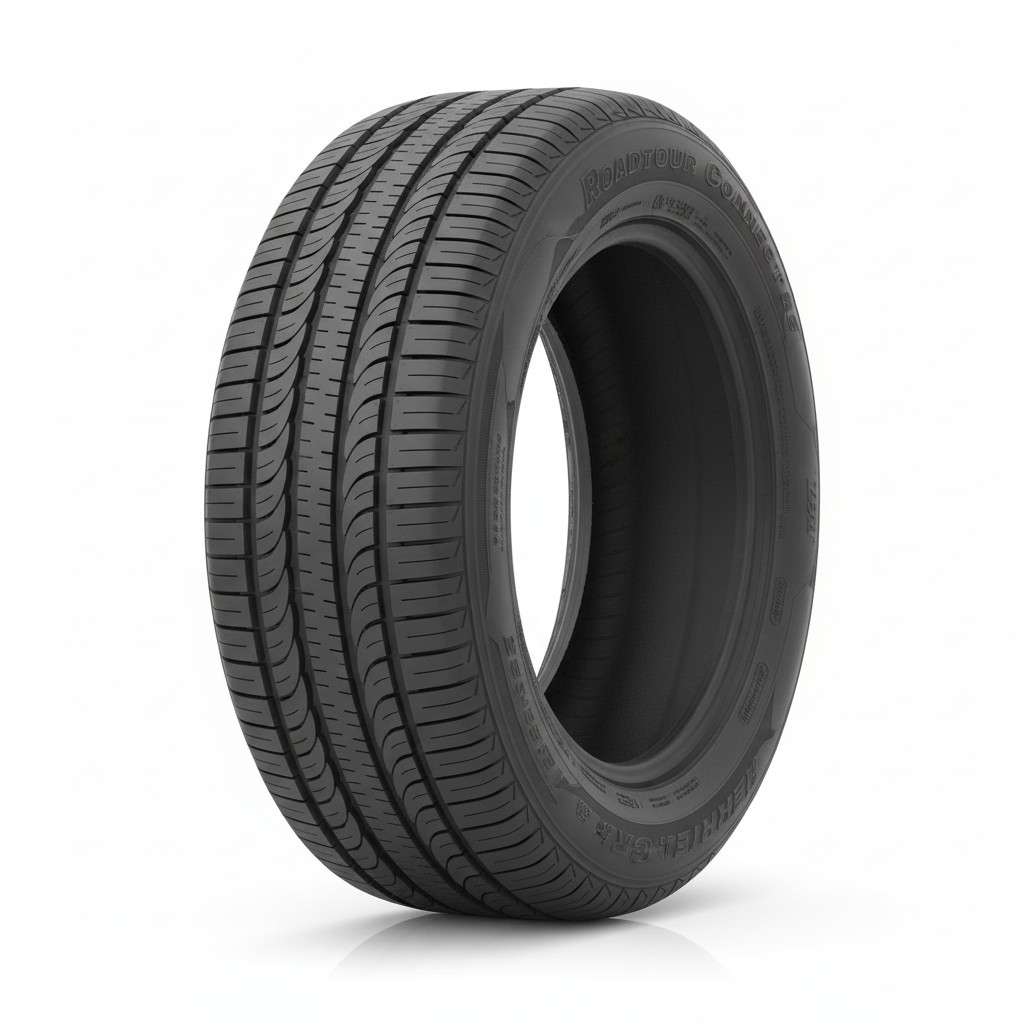
| Hercules Roadtour Connect AS | 205/65R15 | 94 | H | 1477 | $85.99 | 250 | 91 |
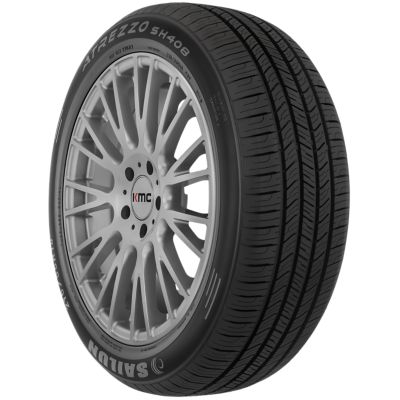
| Sailun Atrezzo SH408 | 225/60R17 | 99 | H | 1709 | $96.40 | 10661 | 90 |
| Sailun Atrezzo SH408 | 225/65R17 | 102 | H | 1874 | $109.99 | 22425 | 88 |
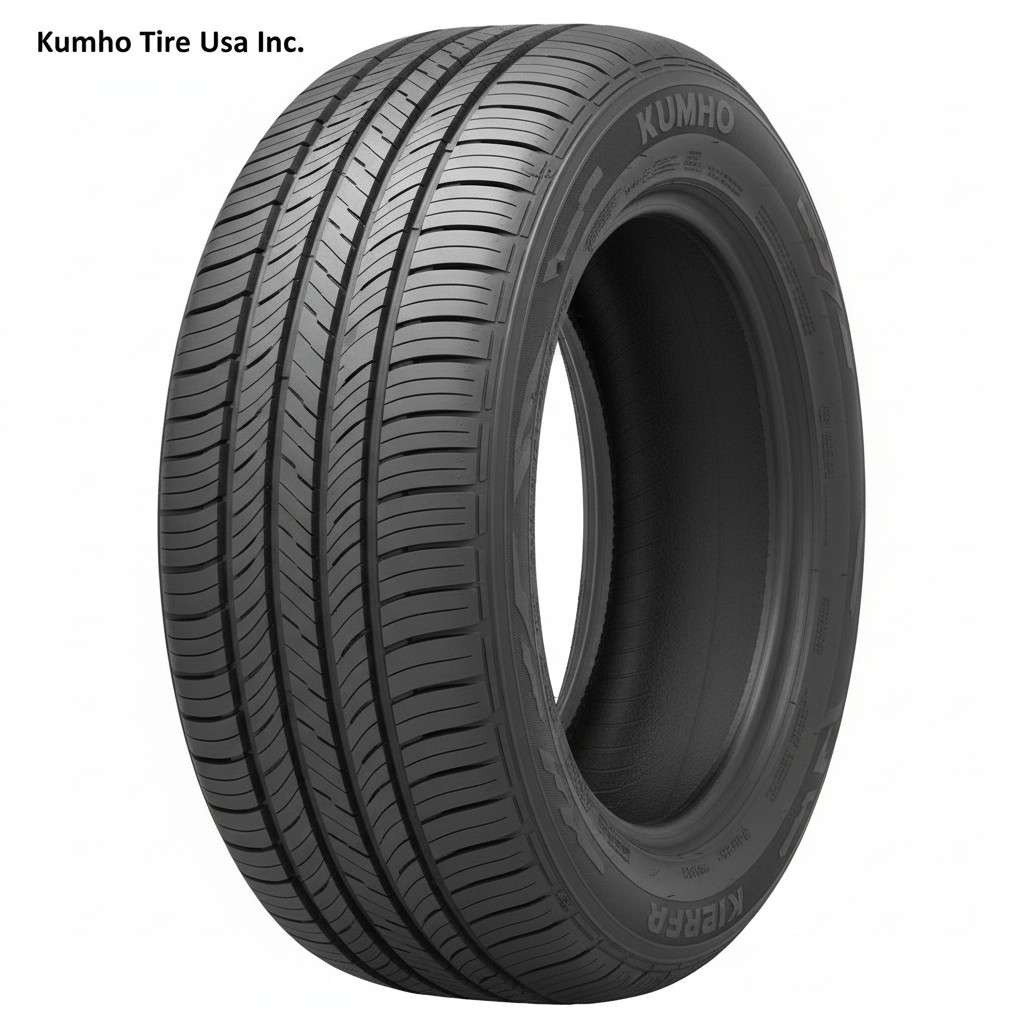
| Kumho Crugen HP71 | 235/70R16 | 109 | H | 2271 | $134.99 | 250 | 88 |
| Nexen N Priz AH5 | 215/55R17 | 94 | H | 1477 | $136.00 | 6938 | 76 |
Top picks
-
Best Value for Sedans: The Hercules Roadtour Connect AS All Season Tire 205/65R15 94H Blackwall offers a solid load index of 94, supporting 1477 lbs per tire. With a value score of 91 and a price of just $85.99, it's a great choice for everyday driving in vehicles that don't carry extreme loads. We've got 250 of these in stock.
-
Mid-Range SUV/Crossover Option: If you need a bit more capacity for a crossover or smaller SUV, the Sailun Atrezzo SH408 225/65R17 102H is a strong contender. Its load index of 102 means it can handle 1874 lbs per tire. Priced at $109.99, it's a popular size, and we have 22425 in stock.
-
Heavy-Duty SUV/Light Truck: For those needing serious hauling capability, consider the Kumho Crugen HP71 All Season Tire 235/70R16 109H Blackwall. With an impressive load index of 109, each tire can support 2271 lbs. It's a robust option for larger SUVs and light trucks, available for $134.99 with 250 in stock.
Budget vs premium
The difference between budget and premium tires isn't usually in the number itself, but in how reliably that number is achieved and maintained over the tire's lifespan. A budget tire might meet the minimum load index requirement, but a premium tire often uses advanced construction, stronger materials, and better heat dissipation to handle that load more consistently, especially under demanding conditions. You might find a budget option like the Sailun Atrezzo SH408 225/60R17 99H for $96.40, which offers a 99 load index (1709 lbs). A premium tire in a similar size, like the Toyo Extensa AS II 205/55R16 91H at $127.22, might have a slightly lower load index of 91 (1356 lbs) but could offer superior handling, comfort, and longevity for its intended application. It's about balancing your needs with your budget, but never compromise on the minimum load index your vehicle requires.
How to verify fitment before buying
Verifying fitment is more than just matching the numbers on the sidewall. First, check your vehicle's owner's manual or the placard on the driver's side door jamb. This will give you the original equipment tire size, load index, and speed rating. Always use these as your baseline. When you're looking at new tires, make sure the new tire's load index is equal to or greater than the OE specification. Don't go lower. Also, ensure the overall diameter and width are compatible with your wheel wells and suspension components. Sometimes, an increase in load index comes with a stiffer sidewall, which can slightly alter ride quality. If you're unsure, or considering a different size to accommodate heavier loads, it's always best to consult a tire professional. They can help you understand the impact on speedometer accuracy, ABS, and stability control systems. I've seen too many people try to save a few bucks by putting on tires that are just barely rated for their vehicle, only to come back a year later with uneven wear and a story about a close call.
Top picks
Frequently asked questions
Where can I find my tire's load index?
Your tire's load index is part of the service description on the sidewall. It's a two or three-digit number, usually followed by a letter (the speed rating), like '94H'. You'll also find the recommended load index for your vehicle on the placard inside your driver's side door jamb.
What happens if I use tires with a lower load index?
Using tires with a lower load index than your vehicle requires is dangerous. It can lead to tire overheating, premature wear, poor handling, and even tire failure or blowouts, especially when carrying heavy loads or driving at higher speeds. Always match or exceed the manufacturer's recommended load index.
Does a higher load index mean a better tire?
Not necessarily 'better' in all aspects, but it means the tire can carry more weight. A higher load index tire is designed for heavier vehicles or for carrying heavier loads. It might have a stiffer sidewall, which could affect ride comfort on a lighter vehicle. Always choose a load index appropriate for your vehicle's specific needs.
Can I mix tires with different load indexes?
No, it's strongly recommended not to mix tires with different load indexes on the same vehicle. This can lead to uneven handling, instability, and potentially dangerous situations because the tires will have different weight-carrying capacities and flex characteristics. Always ensure all four tires have the same or higher load index.