When you hit the brakes, you expect your vehicle to slow down and stop reliably. That reliability depends on healthy brake pads. But how do you know when they're worn out? That's where brake pad wear indicators come in. These are the systems designed to tell you it's time for new pads before you're grinding metal on metal.
There are a few different ways your vehicle might try to get your attention about worn brake pads. Some are purely mechanical, others are electronic, and some even use other systems to give you a heads-up.
What to look for
Mechanical squealers
Most brake pads, especially on the front, come with a small metal tab called a 'squealer.' This little piece of metal is designed to make contact with the brake rotor when the pad material wears down to a certain point. When it touches the rotor, it creates a high-pitched squealing sound. It's an annoying sound, and it's supposed to be – it's your car's way of saying, "Hey, pay attention! Your brakes need checking!" Don't ignore this sound. It's a clear signal that you're running low on pad material and need to get them inspected soon. Sometimes, the squealer can get bent or damaged and make noise prematurely, but it's always worth investigating.
Electronic wear sensors
Many modern vehicles, especially European models, use electronic brake pad wear sensors. These are small wires embedded in the brake pad material itself. As the pad wears down, the rotor eventually makes contact with the sensor wire, breaking the circuit. When the circuit is broken, it triggers a warning light on your dashboard, usually a yellow or orange circle with a set of dashed lines on either side. This is a more precise indicator than a squealer because it tells you exactly which wheel (or axle) has the worn pad, and it doesn't rely on an audible cue you might miss with the radio on. When you replace pads with electronic sensors, you'll need to replace the sensor too. They're designed to be a one-time use item.
Brake fluid level
This one isn't a direct brake pad wear indicator, but it's a common side effect. As your brake pads wear down, the calipers have to extend further to push the pads against the rotor. This uses more brake fluid from the master cylinder reservoir. If your brake fluid level drops too low, it can trigger a brake warning light on your dashboard (often the same light that comes on if your parking brake is engaged). While a low fluid level can indicate a leak, it's often just a sign that your brake pads are worn out and the system has used more fluid to compensate. Always check your fluid level and inspect your pads if this light comes on.
Visual inspection
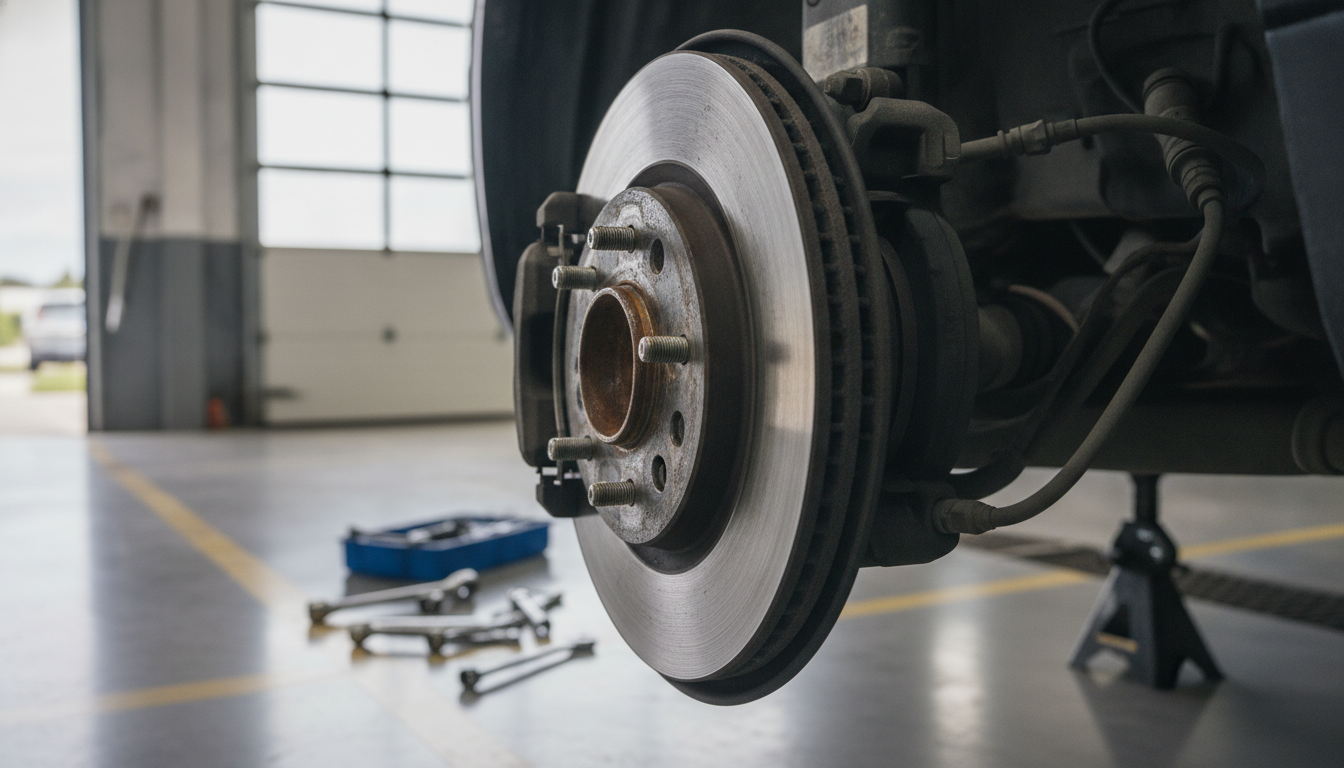
No matter what kind of indicators your vehicle has, a visual inspection is always the best way to confirm brake pad wear. You can often see the brake pads through the spokes of your wheels without even removing them. Look for the thickness of the friction material. If it looks thinner than a quarter inch, it's time to start thinking about replacement. If it's less than an eighth of an inch, you're definitely due. You'll want to check both the inner and outer pads, as they can wear unevenly. Sometimes, a mechanic will call this a 'brake inspection' and it's a good idea to have one done regularly, especially if you hear any unusual noises.
Abnormal noises or vibrations
Beyond the squealer, other noises can point to worn pads. A grinding sound means you've worn past the pad material and are now metal-on-metal. This is bad. It damages your rotors and makes stopping less effective. You might also feel a vibration through the brake pedal if your rotors are warped, which can happen if pads wear unevenly or get excessively hot. Any new noise or vibration when braking should be investigated immediately.
Quick comparison
| Indicator Type | How it Works | Pros | Cons |
|---|---|---|---|
| Mechanical Squealer | Metal tab rubs rotor | Simple, no electronics | Can be annoying, sometimes false |
| Electronic Sensor | Wire breaks circuit | Precise, dashboard light | Requires sensor replacement |
| Brake Fluid Level | Fluid drops with wear | Secondary indicator | Not direct, can indicate other issues |
| Visual Inspection | Look at pad thickness | Most reliable, direct | Requires getting under vehicle |
Top picks
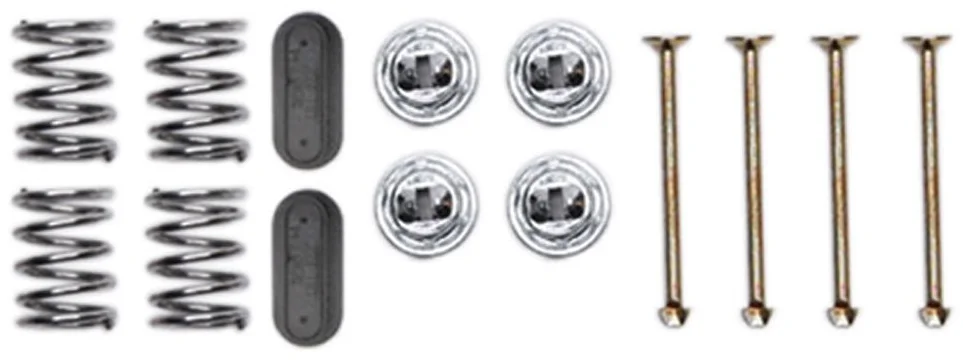
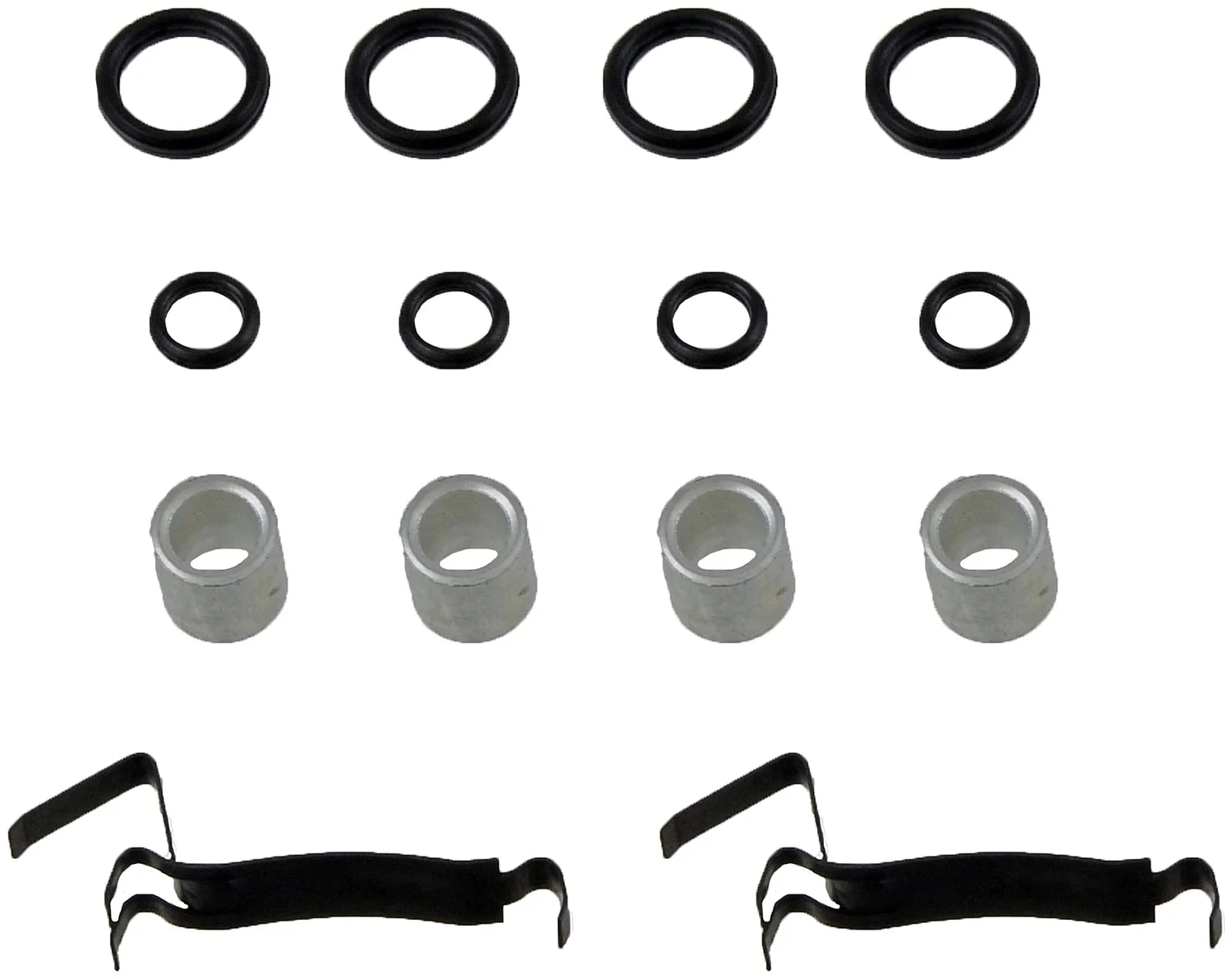
While we don't carry specific brake pads, we do have some essential brake components that you might need when servicing your braking system. For example, if you're dealing with a seized brake line, an Ags Steel Brake Line 3/16 Inch Diameter 30 Inch Length (MPN: BL-530) could be what you need at just $5.08. If you're rebuilding drum brakes, a Raybestos Drum Brake Hold Down Spring Pin Kit H4043 (MPN: H4043) is available for $5.11. For caliper hardware, the Dorman Disc Brake Caliper Hardware Kit HW5500 is a good option at $5.49, though it's currently out of stock. If you're replacing a brake hose, you might need a Red Horse Performance 10mm 3/8 inch Banjo Bolt (MPN: 3290-03-2), priced at $5.21.
How to verify fitment before buying
Getting the right brake pads for your vehicle is critical. There's no such thing as a 'universal' brake pad. Each vehicle make, model, and even trim level can have different brake systems. The best way to verify fitment is to use your vehicle's year, make, and model information. Most online parts retailers, including MyTires4Less.com, have a vehicle selector tool that allows you to input this information. This will filter the results to show only parts that are compatible with your specific car or truck.
Beyond that, you can also look for OEM part numbers or cross-reference numbers if you know them. If you're still unsure, checking your owner's manual or even looking at the existing pads on your vehicle can sometimes provide clues. When in doubt, call your local parts store or a trusted mechanic with your VIN (Vehicle Identification Number) – they can usually confirm the correct parts for you. Don't guess. The wrong pads won't fit, and even if they somehow did, they wouldn't perform correctly, which is a massive safety concern.
Top picks

Frequently asked questions
What does a brake pad wear indicator sound like?
A mechanical brake pad wear indicator typically makes a high-pitched squealing or chirping sound when you apply the brakes. This noise comes from a small metal tab rubbing against the rotor, signaling that your pads are getting thin and need attention soon.
What does the brake light on my dashboard mean?
The brake warning light on your dashboard can mean several things. If it's a yellow or orange circle with dashed lines, it usually indicates worn brake pads (if your vehicle has electronic sensors). It can also come on for low brake fluid or if your parking brake is engaged.
How long can I drive with my brake pads squealing?
While you can drive for a short period with squealing brake pads, it's not advisable to delay inspection. The squeal means you're close to metal-on-metal contact. Driving too long can lead to rotor damage, reduced braking performance, and more expensive repairs.
Do all brake pads have wear indicators?
No, not all brake pads have wear indicators. Most modern front brake pads include mechanical squealers, and many newer or luxury vehicles have electronic sensors. However, some rear pads or older vehicle applications might not have any built-in indicators, making visual inspection even more crucial.