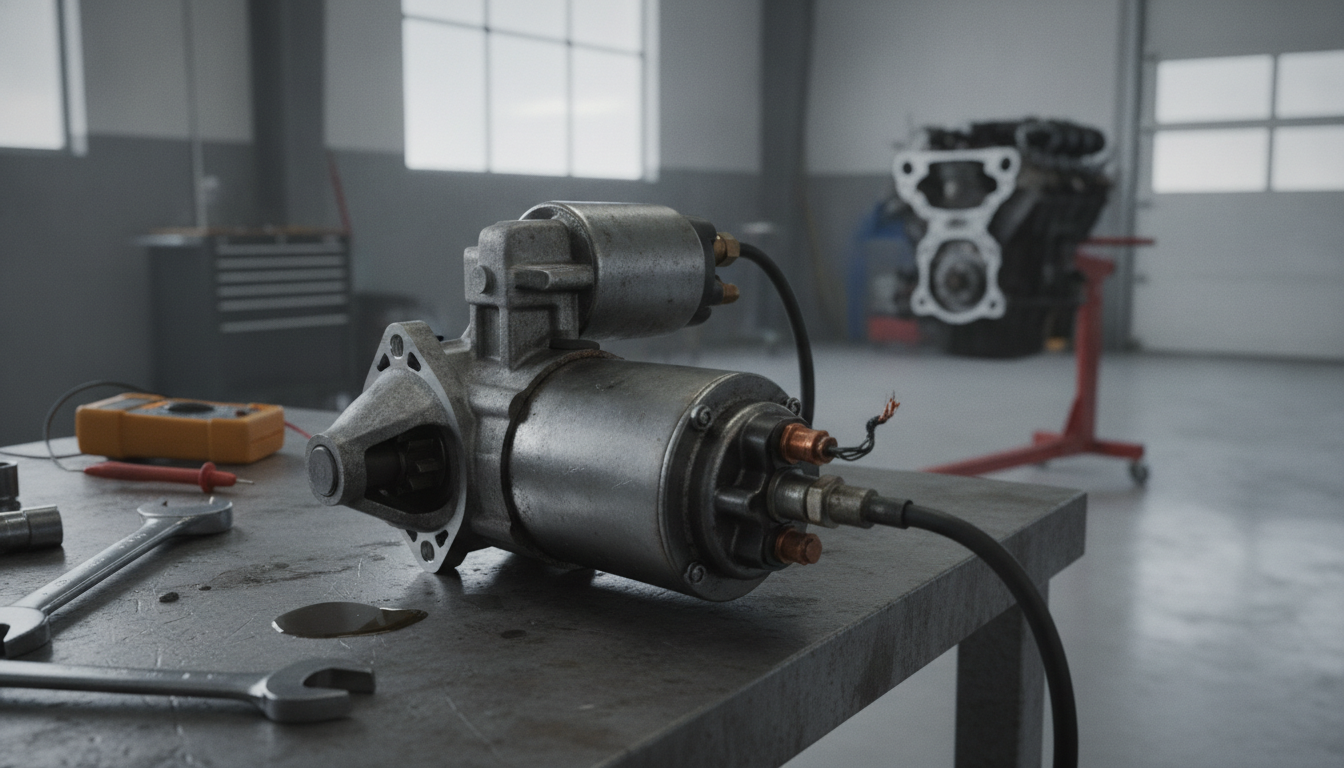
It's a frustrating moment: you turn the key, and nothing happens. Or maybe you get a click, or a slow grind. A car that won't start can be caused by a lot of things, from simple fixes to more complex issues. Before you panic, let's walk through a methodical diagnosis. Most times, it's something you can sort out yourself with a few basic tools.
Most common causes
| Cause | Likelihood | DIY-fixable? |
|---|---|---|
| Dead battery | High | Yes |
| Bad starter motor | Medium | Yes |
| Faulty alternator | Medium | Yes |
| Clogged fuel filter | Medium | Yes |
| Bad fuel pump | Medium | Yes |
| Ignition system issue | Medium | Some |
| Blown fuse | High | Yes |
| Corroded battery cables | High | Yes |
| Immobilizer issue | Low | No |
How to diagnose — step-by-step elimination
When your car refuses to fire up, the first thing to do is listen. The sounds (or lack thereof) will tell you a lot. Is it completely silent? Do you hear a rapid clicking? A slow cranking? Each symptom points to a different area.
Step 1: Check the battery
This is the big one. A dead battery is the most common reason a car won't start. Turn on your headlights. Are they bright? Dim? Do they not come on at all? If they're dim or off, your battery is probably low or dead. Try to jump-start the car. If it starts with a jump, let it run for 15-20 minutes. If it dies shortly after, or won't start again, your battery isn't holding a charge, or your alternator isn't charging it.
Also, check the battery terminals. Look for corrosion, which often looks like a white or greenish powdery substance. Clean it off with a wire brush and a battery terminal cleaner. Make sure the connections are tight. Loose or corroded connections can prevent current flow, even with a good battery.
Step 2: Listen to the starter
If the battery seems good (headlights are bright), try to start the car again and listen carefully:
- One click and then nothing: This usually points to a bad starter motor or a very low battery that can't provide enough current to turn the starter. A single click means the starter solenoid is engaging, but the motor isn't spinning. You can try tapping the starter motor with a hammer (gently!) while someone tries to start the car. Sometimes this can free a stuck starter for a temporary fix.
- Rapid clicking: This is almost always a sign of a low battery. There's just enough power to engage and disengage the starter solenoid rapidly, but not enough to crank the engine. Recharge or jump-start the battery.
- Slow cranking: Another sign of a weak battery. The engine is turning over, but very slowly. It might eventually start, but it's struggling. Again, charge or jump the battery.
- Engine cranks normally but doesn't start: This means your starter and battery are likely fine. Now you're looking at fuel, spark, or air issues.
Step 3: Check for fuel issues
If the engine cranks but doesn't start, you need to verify it's getting fuel. Most modern cars have an electric fuel pump in the fuel tank. When you turn the key to the "on" position (before cranking), you should hear a faint whirring sound from the back of the car for a couple of seconds. That's the fuel pump priming the system. If you don't hear it, the fuel pump might be bad, or its circuit (fuse or relay) is faulty.
You can also check the fuel pressure at the fuel rail, but that requires a special gauge. A simpler check is to spray some starting fluid into the air intake. If the engine sputters or briefly starts, you have a fuel delivery problem. If it still doesn't start, the issue is likely spark or compression.
Step 4: Check for spark
No spark means no combustion. This can be trickier to diagnose without specialized tools like an inline spark tester. If you suspect a spark issue, you're looking at problems with spark plugs, ignition coils, the distributor (on older cars), or the crank/cam position sensors.
Step 5: Inspect fuses and relays
Many components in your starting and fuel systems are protected by fuses and controlled by relays. Check the fuse box, usually located under the hood and sometimes under the dashboard. Look for blown fuses related to the fuel pump, ignition, or starter. A blown fuse will have a broken wire inside. I've seen countless cars towed in for a no-start condition that turned out to be a simple, cheap fuse. It's always worth a thorough check.
Relays can also go bad. You can often swap a suspect relay with another identical, non-critical relay (like for the horn or A/C compressor) to see if the problem moves. If the car starts after swapping, you've found your culprit.
Step 6: Immobilizer or security system
Some cars have security systems that prevent starting if the correct key isn't detected or if the system is armed. Look for a flashing security light on your dashboard. If this is the case, you might need a dealer or a specialized locksmith to diagnose and reprogram the system.
Parts that commonly need replacing
Based on the diagnosis, here are some common parts that might need replacing:
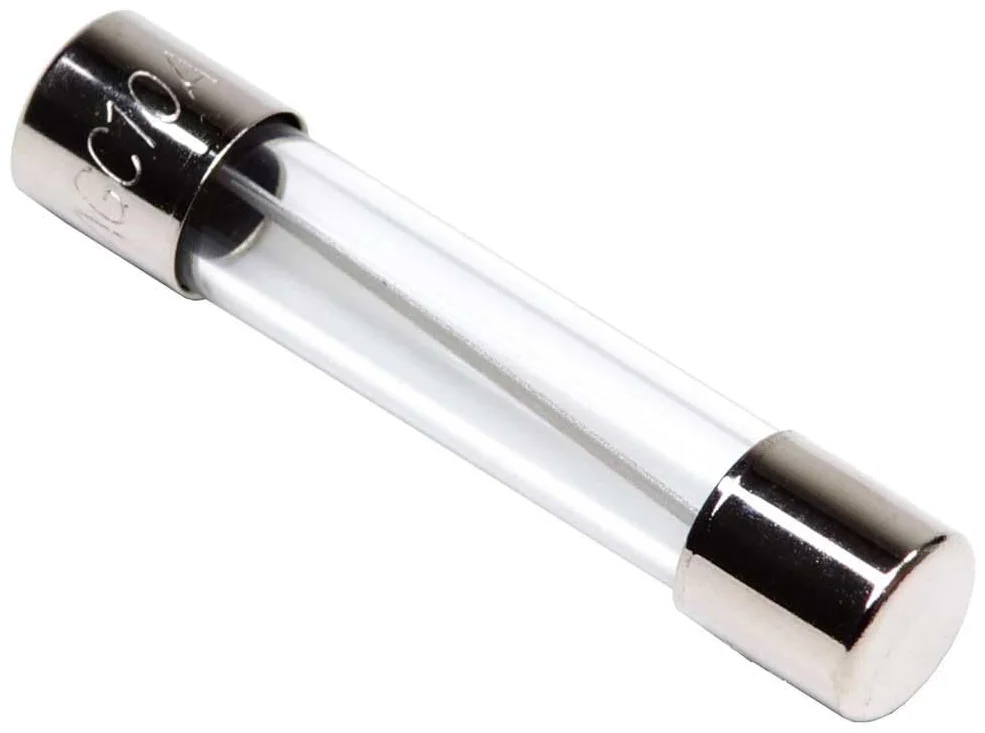
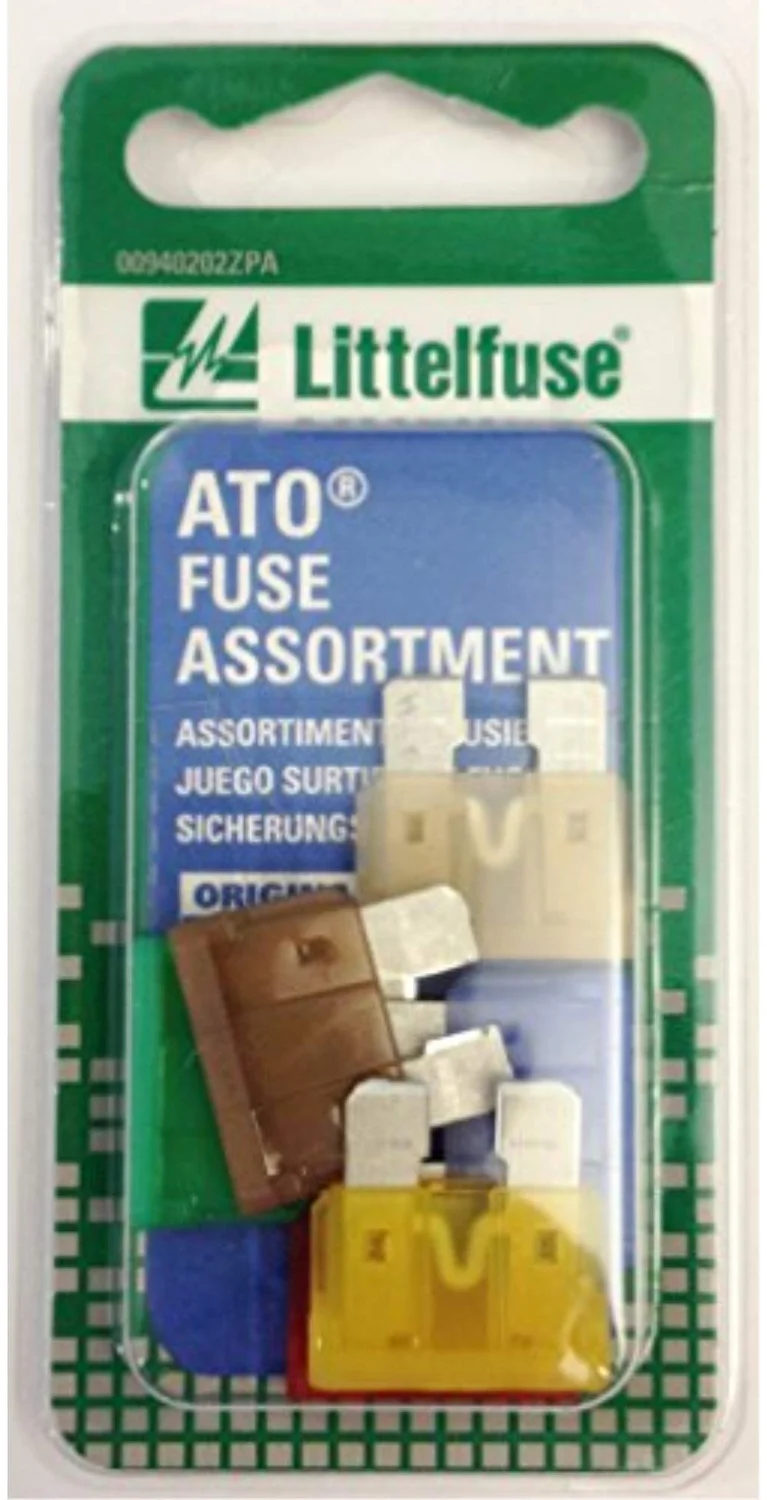
- Fuses: If you find a blown fuse, replace it with one of the correct amperage. We have the Blue Sea Systems AGC Glass Fuse 4 Amp for $5.02, with 4 in stock. For a variety, consider the Littelfuse ATO Fuse Assortment Kit for $5.02, though it's currently out of stock.
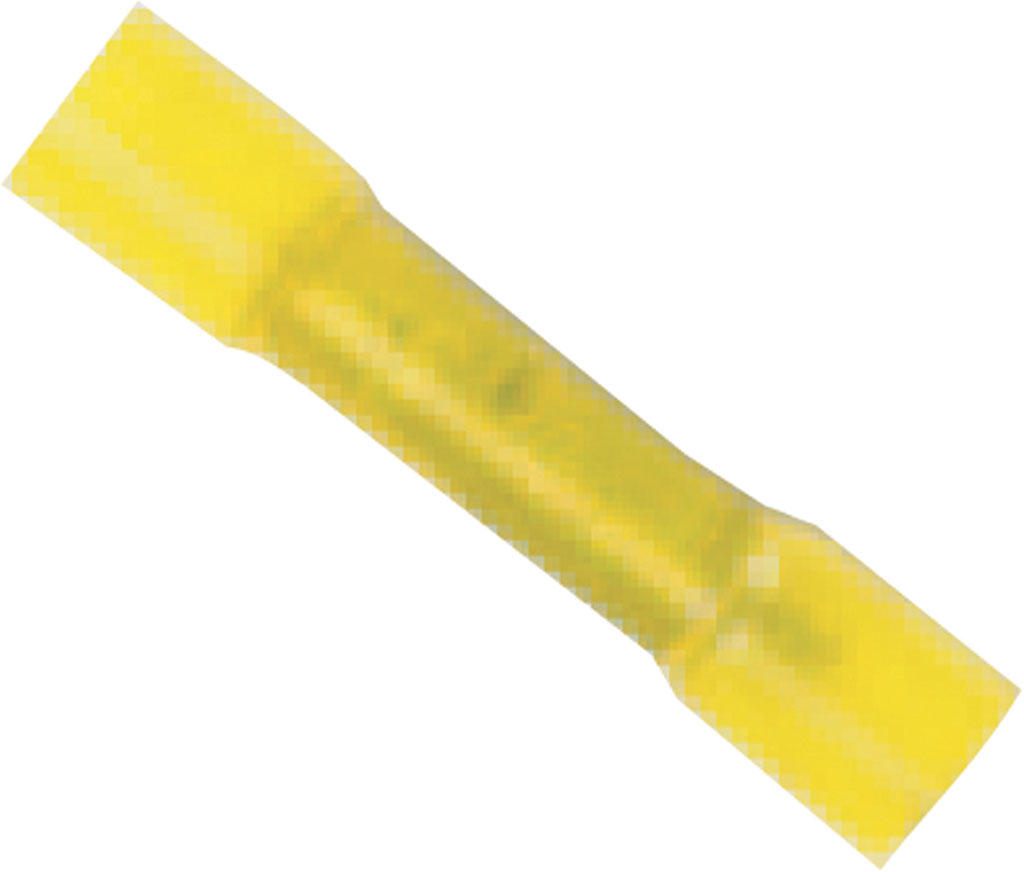
- Battery cables or terminals: If your battery cables are corroded beyond cleaning, or the terminals are damaged, you'll need to replace them. You might need some Ancor Heat Shrink Butt Connector 12-10 Gauge 3 Pack for $5.04 (47 in stock) to repair wiring.
- Starter motor: If your starter is bad, it needs replacement. This is a common failure point.
- Fuel pump: If you're not hearing the fuel pump prime or have no fuel pressure, it's a strong candidate. This can be a more involved job, often requiring dropping the fuel tank.
When to take it to a shop
If you've gone through these steps and still can't pinpoint the issue, or if the repair seems beyond your comfort level, it's time to call in a professional. Complex electrical issues, problems with the immobilizer system, or diagnostics requiring specialized scan tools are usually best left to a shop. Also, if you're dealing with a fuel system issue that requires dropping the tank, it's often safer and easier to have a shop handle it, as fuel can be dangerous to work with.
Top picks
Frequently asked questions
Why does my car just click when I try to start it?
A single click usually means your starter motor isn't getting enough power to turn the engine, often due to a weak battery or a failing starter. Rapid clicking almost always points to a very low battery that can't sustain the starter solenoid.
Can a bad alternator cause my car not to start?
Yes, indirectly. The alternator charges your battery while the engine runs. If the alternator is bad, it won't charge the battery, eventually leading to a dead battery that can't start the car. The car might start with a jump but then die quickly.
How can I tell if it's a fuel pump or a fuse causing no fuel?
First, listen for the fuel pump's whirring sound when you turn the key to 'on.' If you don't hear it, check the fuel pump fuse in your fuse box. If the fuse is good, the fuel pump itself or its relay is likely the problem. A blown fuse is a much easier fix.
What's the difference between a car cranking and not starting, and not cranking at all?
If your car cranks but doesn't start, the battery and starter are likely fine, and the issue is with fuel, spark, or air. If it doesn't crank at all (just clicks or is silent), the problem is usually electrical: battery, starter, or ignition switch.