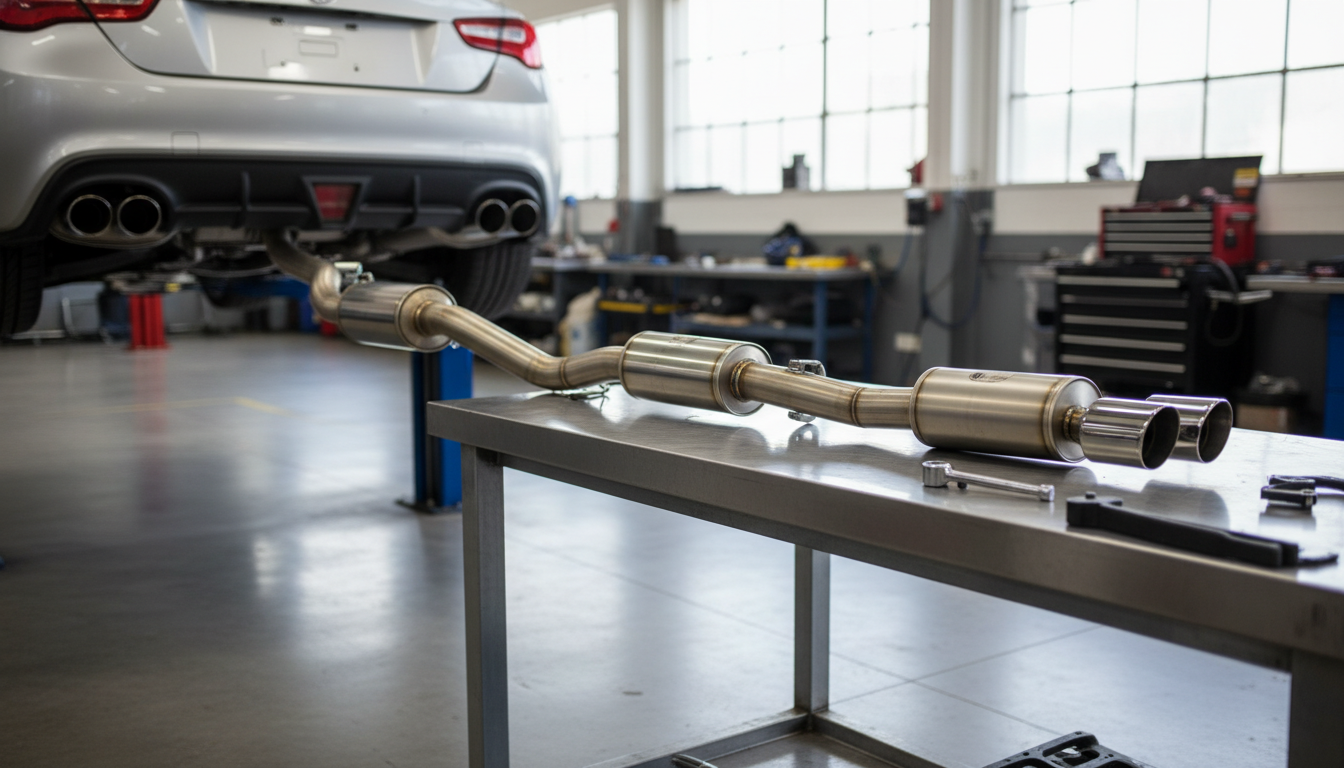
Why this matters for your
When you're looking to upgrade your vehicle's exhaust, it's not just about making it louder. A good exhaust system can improve engine breathing, reduce back pressure, and even add a few horsepower. Understanding the different types of exhaust upgrades – axle-back, cat-back, and header-back – is crucial to picking the right one for your ride. Each option affects sound, performance, and installation difficulty in different ways.
Your exhaust system is essentially a series of pipes, mufflers, and resonators designed to route spent gases away from the engine. Upgrading any part of this system changes how your engine performs and sounds. It's about finding the balance between aggressive sound, performance gains, and staying within local noise regulations.
Before you start: when NOT to DIY
Most exhaust upgrades are fairly straightforward, but there are times when it's better to leave it to the pros. If you encounter any of these issues, a shop is your best bet:
- Severely rusted fasteners: If every nut and bolt looks like a solid chunk of rust, you'll be fighting a losing battle without specialized tools like an oxy-acetylene torch.
- Welding required: Some aftermarket systems need custom fabrication or welding. Unless you're proficient with a MIG or TIG welder, don't attempt this yourself.
- Check engine lights: If your current exhaust has issues causing a check engine light, diagnose and fix that first. A new exhaust won't magically solve underlying engine problems.
- Lack of proper lifting equipment: Working under a vehicle on flimsy jack stands is dangerous. If you don't have a sturdy lift or robust jack stands, don't start the job.
Step-by-step procedure
Step 1 — Understand your current exhaust layout Before you buy anything, get under your vehicle and trace your exhaust system. Identify where the catalytic converter is, where the pipes go over the rear axle, and where the muffler and tips are located. This helps you visualize what sections an axle-back, cat-back, or header-back system will replace. Knowing your starting point is key to understanding the upgrade.
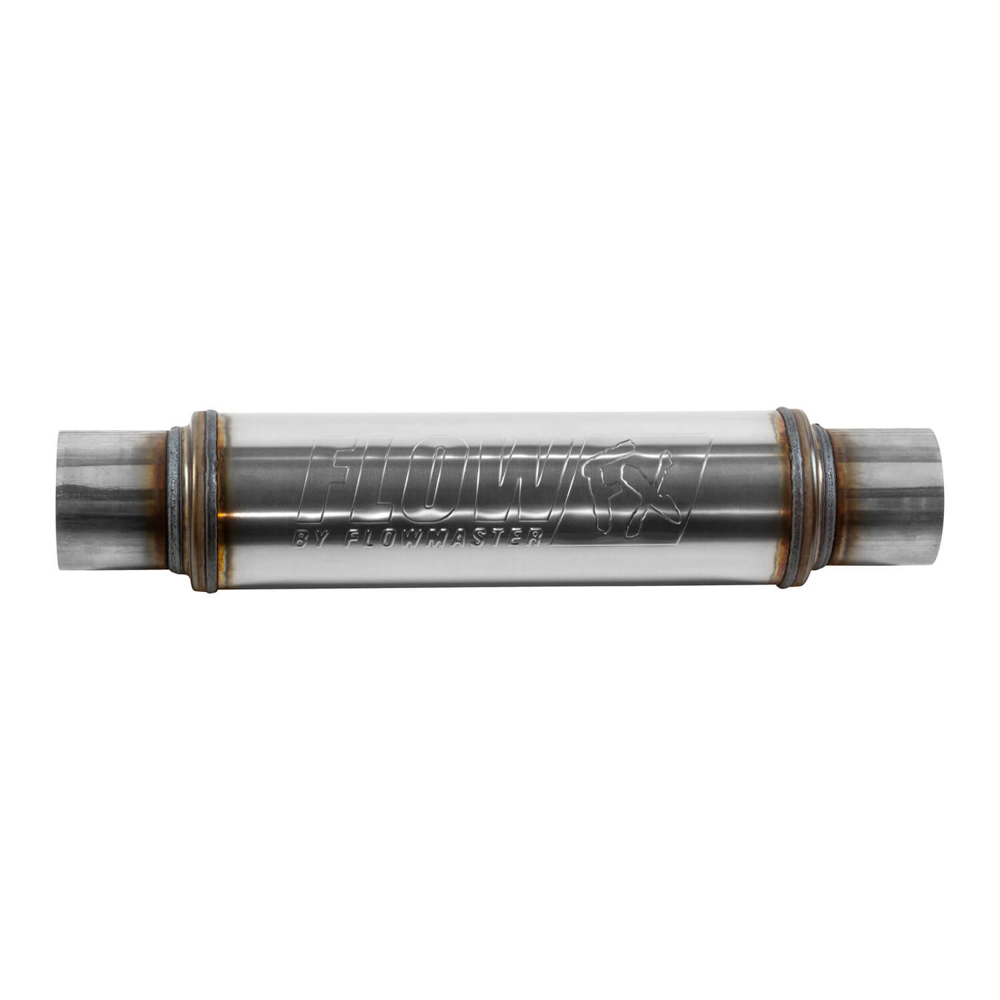
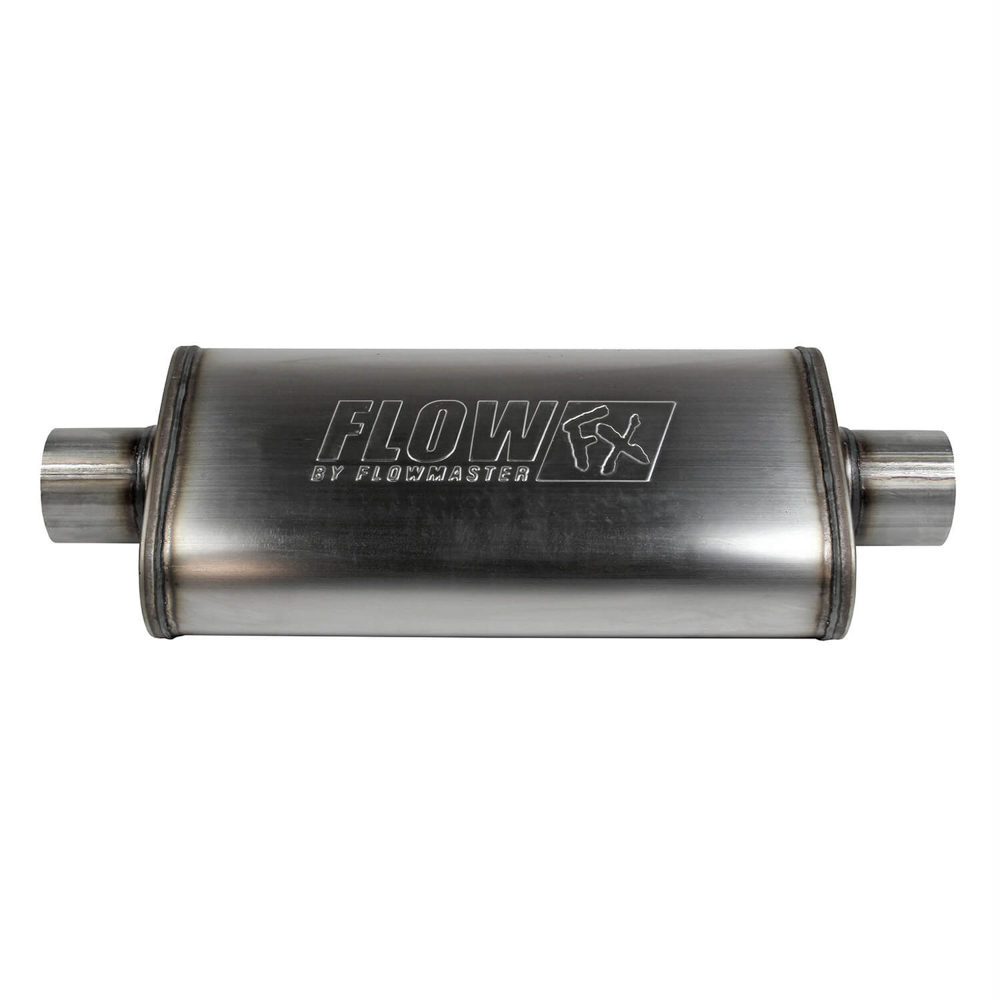
Step 2 — Axle-back exhaust explained An axle-back exhaust system replaces everything from the rear axle to the exhaust tips. This usually includes the muffler and tailpipes. It's the simplest and often the most affordable upgrade. You're primarily changing the sound and aesthetics here, as it doesn't significantly alter exhaust flow upstream of the muffler. Installation is generally a bolt-on affair, making it a popular choice for DIYers looking for a quick sound change. Products like the Flowmaster FlowFX Muffler 3.00 Inch Center Inlet Center Outlet at $67.83, or the Flowmaster FlowFX Muffler 3.00 Inch Center Inlet Center Outlet 4x9x18 Inch Case at $73.16, are common components in these types of systems.
Step 3 — Cat-back exhaust explained A cat-back exhaust system replaces all components from the catalytic converter back to the exhaust tips. This includes the intermediate pipe, muffler, and tailpipes. This type of system usually offers more significant performance gains than an axle-back because it replaces a longer section of potentially restrictive factory piping. You'll get a more pronounced change in exhaust note and often a slight bump in horsepower and torque. This is a very common upgrade for enthusiasts looking for a good balance of sound, performance, and reasonable installation difficulty. I've installed countless cat-back systems, and it's where you start to feel a real difference in how the car breathes.
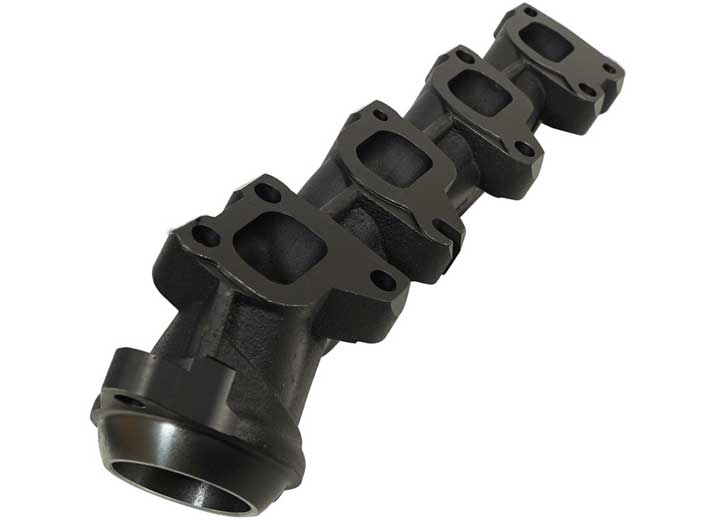
Step 4 — Header-back exhaust explained A header-back exhaust system is the most comprehensive upgrade. It replaces the entire exhaust system from the engine's exhaust manifold (or headers, if you've already upgraded those) all the way to the exhaust tips. This includes the headers, downpipes, catalytic converters (often high-flow aftermarket units), intermediate pipes, mufflers, and tailpipes. This system offers the largest potential for performance gains and the most dramatic change in exhaust sound. It's also the most complex and expensive installation, often requiring custom tuning to get the most out of the engine. Components like the BD Diesel Exhaust Manifold Kit for Dodge Ram 6.7L Cummins 2007.5-2018 at $563.33 are part of a header-back system, replacing the factory manifold.
Step 5 — Consider emissions and legality When upgrading your exhaust, especially with cat-back or header-back systems, you need to be aware of local emissions regulations. Replacing or modifying catalytic converters can be illegal in many areas. Always check your local laws before purchasing and installing any exhaust component that affects emissions. Some aftermarket high-flow catalytic converters are street legal, others are not.
Step 6 — Material matters Exhaust systems come in various materials, primarily aluminized steel, 409 stainless steel, and 304 stainless steel. Aluminized steel is the cheapest but rusts fastest. 409 stainless offers better corrosion resistance at a moderate price. 304 stainless is the most durable and corrosion-resistant, but also the most expensive. Choose based on your budget and how long you plan to keep the vehicle, especially if you live in an area with road salt.
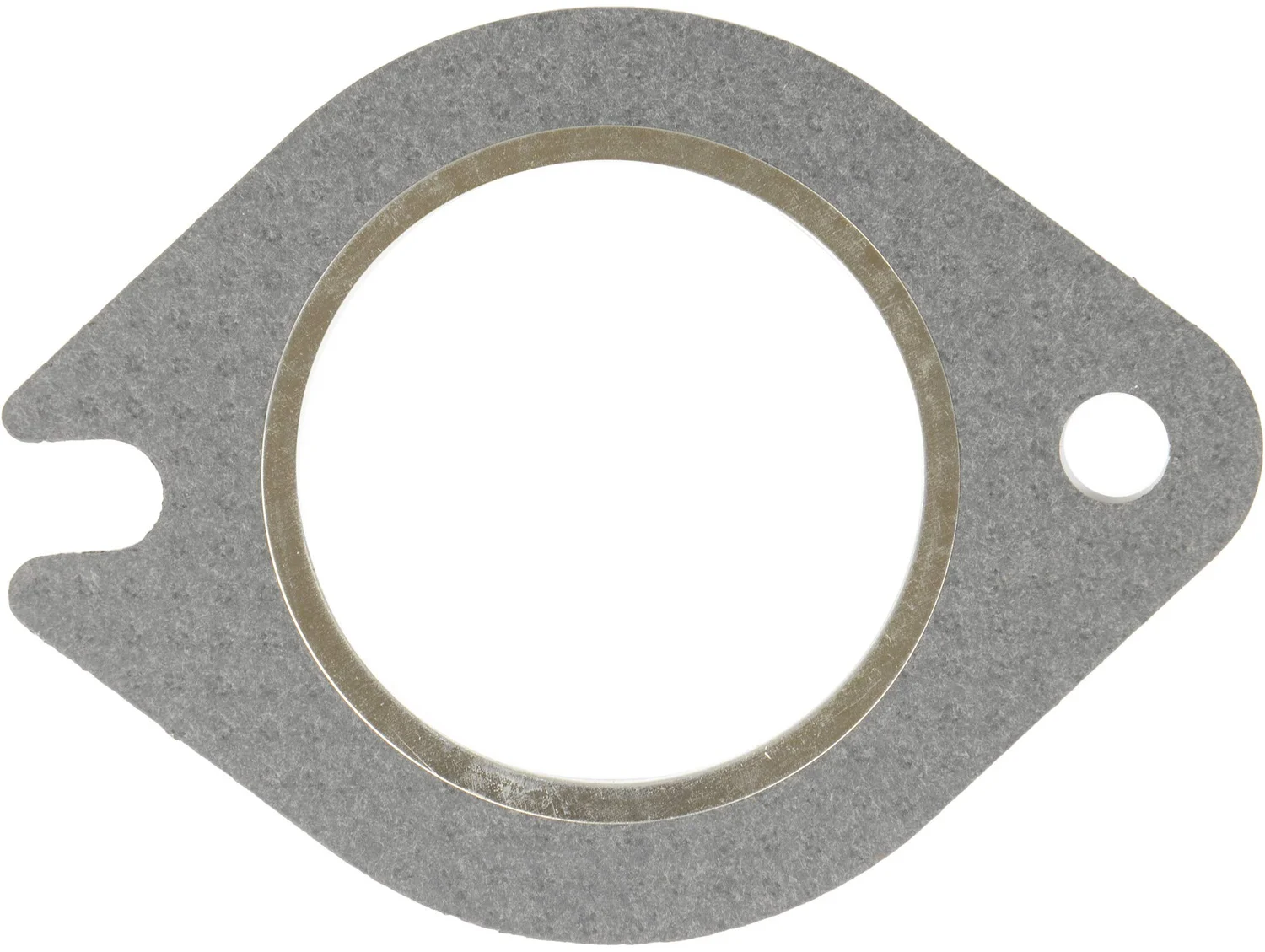
Step 7 — Installation considerations For any exhaust upgrade, you'll typically need to lift the vehicle safely, unbolt existing components, and install the new ones. This often involves wrestling with rusted bolts and tight spaces. Always use new gaskets, like a Walker Exhaust Gasket Dodge Ford Mazda Each for $5.04, or a Walker Exhaust Gasket Honda Accord for $5.06, to prevent leaks. Also, new exhaust flange springs like the Dorman Exhaust Flange Spring Universal at $5.08 are a good idea to ensure a tight, flexible connection. Torque all fasteners to factory specifications; consult your service manual for exact values.
Step 8 — Check for leaks and alignment Once the new system is installed, start the engine and listen for any exhaust leaks. You can also feel for leaks with your hand (carefully, as pipes get hot quickly). Visually inspect the alignment of the exhaust tips to ensure they're centered and even. Adjust hangers and clamps as needed to achieve perfect fitment and prevent rattling, also known as anti-rattle clips.
Common mistakes when upgrading exhaust systems
- Ignoring local regulations: Always check your local emissions laws before making changes. Some modifications can lead to legal issues.
- Not replacing gaskets: Old gaskets can lead to leaks. Always use new ones when installing a new exhaust system.
- Skipping the tune: If you make significant changes, like with a header-back system, don’t forget to tune your engine for optimal performance.
FAQ
{ "q": "What's the main difference between cat-back and axle-back?", "a": "A cat-back system replaces everything from the catalytic converter back, offering more significant sound and performance changes. An axle-back system only replaces components from the rear axle back, primarily affecting sound and appearance with minimal performance impact." }, { "q": "Will a new exhaust system improve my car's horsepower?", "a": "Yes, a well-designed aftermarket exhaust system can improve horsepower and torque by reducing back pressure and improving exhaust gas flow. Header-back systems typically offer the largest gains, followed by cat-back, with axle-back providing the least." }, { "q": "Do I need to tune my car after installing a new exhaust?", "a": "For axle-back and most cat-back systems, a tune isn't usually required. However, if you install a header-back system or modify catalytic converters, an engine tune is often necessary to optimize performance and prevent check engine lights." }, { "q": "Are aftermarket exhaust systems louder than stock?", "a": "Generally, yes. Most aftermarket exhaust systems are designed to produce a more aggressive or sportier exhaust note than the factory system. The level of loudness varies greatly by manufacturer, system type, and specific muffler design." } ], "related_product_ids": [ 375503, 375500, 350324, 426435, 362521 ], "hero_image_brief": "Three exhaust systems side-by-side, visually illustrating the difference between axle-back, cat-back, and header-back configurations on a generic vehicle chassis.", "archetype": "buyer_guide", "difficulty": "Intermediate", "time_estimate": "2-6 hours depending on system type", "cost_diy_low": 67, "cost_diy_high": 1500, "cost_shop_low": 200, "cost_shop_high": 3000, "tools_needed": [ "Jack and jack stands", "Socket set and ratchet", "Wrenches", "Penetrating oil", "Exhaust hanger removal tool (optional, but helpful)", "Torque wrench", "Pry bar (for stubborn hangers)", "Safety glasses", "Gloves" ], "lsi_keywords": [ "exhaust system upgrade", "performance exhaust", "muffler replacement", "exhaust sound", "exhaust installation", "aftermarket exhaust", "exhaust headers", "catalytic converter replacement", "exhaust pipe diameter", "exhaust materials", "exhaust legality", "exhaust back pressure" ], "word_count": 1102, "_hero_image_url": "https://mytires4less.com/blog/images/cat-back-vs-axle-back-vs-header-back-exhaust-upgrade-guide-6b2aaa1f.png", "_hero_photo_id": 1711873556, "_hero_photographer": "Gemini 2.5 Flash Image", "_hero_alt": "Cat-Back vs Axle-Back vs Header-Back Exhaust: What Each Upgrade Does" }
Top picks
Frequently asked questions
What's the main difference between cat-back and axle-back?
A cat-back system replaces everything from the catalytic converter back, offering more significant sound and performance changes. An axle-back system only replaces components from the rear axle back, primarily affecting sound and appearance with minimal performance impact.
Will a new exhaust system improve my car's horsepower?
Yes, a well-designed aftermarket exhaust system can improve horsepower and torque by reducing back pressure and improving exhaust gas flow. Header-back systems typically offer the largest gains, followed by cat-back, with axle-back providing the least.
Do I need to tune my car after installing a new exhaust?
For axle-back and most cat-back systems, a tune isn't usually required. However, if you install a header-back system or modify catalytic converters, an engine tune is often necessary to optimize performance and prevent check engine lights.
Are aftermarket exhaust systems louder than stock?
Generally, yes. Most aftermarket exhaust systems are designed to produce a more aggressive or sportier exhaust note than the factory system. The level of loudness varies greatly by manufacturer, system type, and specific muffler design.