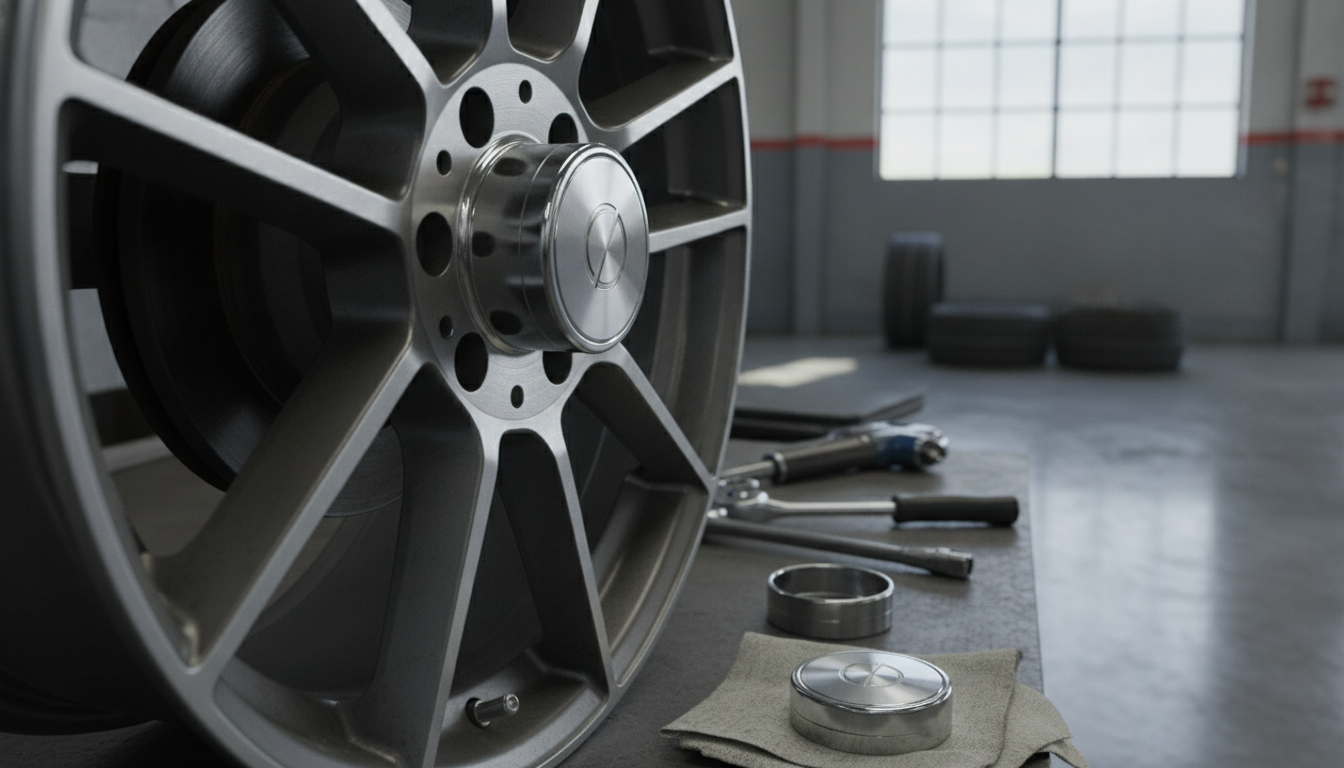
Every time you look at a wheel, your eyes probably go straight to the tire or the spokes. But there are a few small parts tucked away that do a lot of heavy lifting for both function and appearance. We're talking about center caps, hub rings, and valve stems. Ignore them at your peril, or at least at the peril of your ride quality and wheel longevity.
These aren't just cosmetic bits. Each plays a specific role in how your wheels perform, how long they last, and how safe your vehicle is on the road. Getting the right ones and keeping them in good shape makes a real difference.
What to look for — hub rings, center caps, and valve stems
Hub rings
Hub rings are simple, often overlooked components that bridge the gap between your wheel's center bore and your vehicle's hub. Most aftermarket wheels are designed with a larger center bore to fit a wider range of vehicles. This means there's often a space between the hub and the wheel's center. Without a hub ring to fill that void, the wheel isn't perfectly centered on the hub. You'll feel this as a vibration, especially at highway speeds. It's not just annoying; it puts undue stress on your lug nuts and wheel studs. Always go for a material that's durable, like polycarbonate or aluminum. Plastic rings are fine for most street applications, but aluminum holds up better to heat and repeated wheel changes.
Center caps
Center caps are primarily cosmetic, but they also serve a protective function. They cover the center of your wheel, shielding the hub, axle nut, and sometimes even the wheel bearings from road grime, moisture, and debris. This helps prevent corrosion and keeps those critical components cleaner. They come in various styles: snap-in, bolt-on, or those secured by the lug nuts themselves. Make sure the cap's diameter matches your wheel's center bore and that its mounting style is compatible. A loose center cap is an easy way to lose it on the highway, and then you've got an exposed hub.
Valve stems
Valve stems are absolutely critical for maintaining tire pressure. They're the little gates that let air in and out of your tires. Most passenger vehicles use rubber snap-in valve stems, which are inexpensive and effective. However, if you have TPMS (Tire Pressure Monitoring System) sensors, you'll have specific valve stems designed to accommodate them. These are often metal, sometimes with a rubber grommet, and are more robust. Heavy-duty applications or high-performance vehicles might use metal bolt-in valve stems for extra security and to prevent flex at high speeds. Always replace valve stems when you get new tires. It's cheap insurance against slow leaks. You can find options like the Procomp Alloys Snap-In TPMS Valve Only for just $5.34, or for a full TPMS system, consider the Valterra TireMinder TPMS Transmitters at $129.99.
Material and durability
For hub rings, plastic (polycarbonate) is common and works well for most daily drivers. Aluminum hub rings are more robust, especially for track use or frequent wheel removal, as they resist heat and deformation better. Center caps are often made of ABS plastic, sometimes chromed or painted. Look for good quality plastic that won't crack or fade quickly. Valve stems are typically rubber or metal. Rubber stems are fine for most cars, but metal stems offer more durability and are often required for TPMS sensors or high-speed applications.
Aesthetics
Center caps are where you get to add a bit of personal flair. They come in countless designs, colors, and finishes. Some wheels have brand-specific caps, while others are more generic. Make sure the style complements your wheels and vehicle. Hub rings are usually hidden, so aesthetics aren't a concern there. Valve stem caps, however, can also be customized, from simple plastic to anodized aluminum in various colors.
Quick comparison
| Component | Primary Function | Common Material(s) | Price Range (Approx.) | Notes |
|---|---|---|---|---|
| Hub Rings | Center wheel on hub | Polycarbonate, Aluminum | $5 - $20 (set of 4) | Prevents vibrations, reduces lug stress |
| Center Caps | Cosmetic, hub protection | ABS Plastic, Metal | $10 - $50 (each/set) | Various styles, snap-in or bolt-on |
| Valve Stems | Seal tire, allow inflation | Rubber, Metal | $5 - $30 (each) | Essential for tire pressure, TPMS types |
Top picks
Gorilla Hub Centric Rings
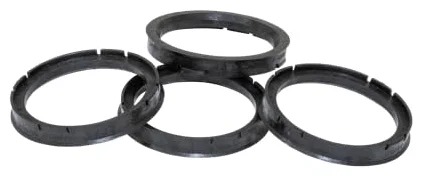
If you're dealing with aftermarket wheels and annoying vibrations, a good set of hub centric rings is your first stop. The Gorilla Hub Centric Rings 66mm OD x 56.15mm ID Set of 4 are a solid choice for ensuring your wheels are perfectly centered. These specific rings are designed for a 66mm wheel bore and a 56.15mm hub, but Gorilla offers a wide range of sizes. At $5.34 for a set of four, they are an affordable and effective solution to common wheel vibration issues, though currently out of stock.
Valterra TireMinder TPMS Transmitters
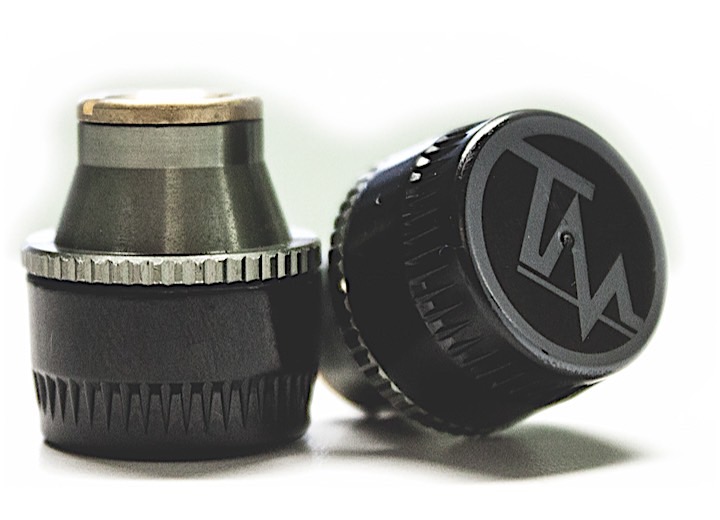
For those looking to upgrade or replace their TPMS system, the Valterra TireMinder TPMS Transmitters offer a comprehensive solution. These transmitters are crucial for monitoring your tire pressure, a key safety feature. Priced at $129.99 and with 176 in stock, they provide reliable pressure readings, helping you maintain optimal tire performance and fuel efficiency. Keeping an eye on your tire pressure is one of the easiest ways to extend tire life and improve safety.
Procomp Alloys Snap-In TPMS Valve Only
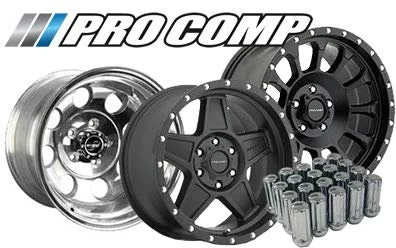
When it's time for new tires, replacing the valve stems is a no-brainer, especially if you have a TPMS system. The Procomp Alloys Snap-In TPMS Valve Only is a great option for replacing just the valve portion of your TPMS sensor. At $5.34 each, these are an inexpensive way to ensure a good seal and prevent leaks. While currently out of stock, they are a common replacement part that shops keep on hand.
Top picks
Frequently asked questions
What do hub rings do?
Hub rings fill the gap between your aftermarket wheel's larger center bore and your vehicle's smaller hub. This ensures the wheel is perfectly centered, preventing vibrations and reducing stress on your lug nuts. They are crucial for a smooth ride, especially at higher speeds, and for the longevity of your wheel mounting hardware.
Are center caps necessary?
While primarily cosmetic, center caps also protect your vehicle's hub, axle nut, and sometimes bearings from road grime, moisture, and debris. This helps prevent corrosion and keeps these critical components cleaner, potentially extending their lifespan. They also complete the aesthetic look of your wheels.
How often should I replace valve stems?
You should always replace valve stems whenever you get new tires. Rubber valve stems can degrade over time due to exposure to elements and tire flex, leading to slow leaks. Even metal TPMS valve stems have rubber grommets that can wear out. Replacing them is a small cost for significant peace of mind and proper tire pressure maintenance.
Can I drive without hub rings?
You can drive without hub rings, but it's not recommended. Without them, your wheels may not be perfectly centered on the hub, leading to vibrations, especially at highway speeds. This can also put uneven stress on your lug nuts and wheel studs, potentially causing premature wear or even failure. It's best to use them for a safe and smooth ride.