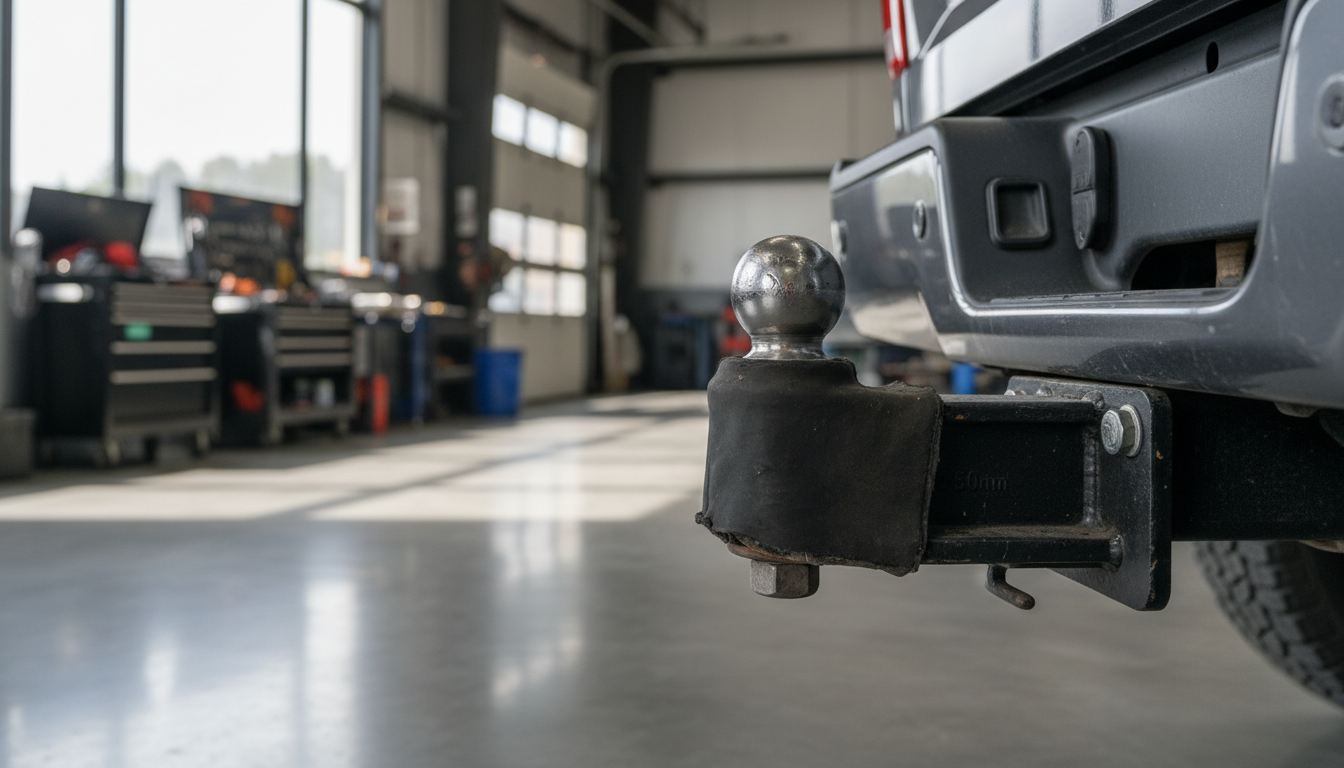
When you're hooking up a trailer, the tow ball is the linchpin. It's what connects your vehicle to whatever you're pulling, whether that's a boat, a camper, or a utility trailer. Getting this connection right isn't just about convenience; it's absolutely critical for safety on the road. A mismatch here can lead to serious accidents, property damage, or worse.
Why this matters
Imagine driving down the highway, and your trailer suddenly separates from your tow vehicle. That's the nightmare scenario that can happen if your tow ball isn't the right size for your trailer's coupler, or if it's not rated for the weight you're pulling. A tow ball that's too small can allow the trailer to bounce off, especially over bumps or during sudden stops. It's a scary thought, but it happens. The wrong size ball also puts undue stress on the connection, leading to premature wear or even catastrophic failure.
Beyond the immediate danger of detachment, an improperly sized tow ball can cause excessive play and rattling, which isn't just annoying; it indicates a loose connection that's constantly wearing down. This wear can weaken the components over time, increasing the risk of failure. You want a snug, secure fit between the ball and the coupler, with no slop. That secure connection is what keeps everything tracking straight and safe behind you.
What actually matters when choosing
Coupler size
The most important factor is the inside diameter of your trailer's coupler. This is the part of the trailer that drops down onto the tow ball. Couplers come in standard sizes, and your tow ball must match this size exactly. The most common sizes you'll see are 1-7/8 inch, 2 inch, and 2-5/16 inch. Some smaller utility trailers might use a 1-7/8 inch ball, while many boat trailers and mid-size utility trailers use a 2 inch ball. Larger travel trailers and heavy-duty equipment trailers almost always require a 2-5/16 inch ball. You can usually find the coupler size stamped right on the coupler itself, or in your trailer's owner's manual. Don't guess. Measure it if you're unsure.
Weight ratings
Every component in your towing setup has a weight rating: your vehicle's towing capacity, your hitch receiver, your hitch ball mount (the shank), and the tow ball itself. The lowest rating among all these components is your maximum towing capacity. It doesn't matter if your truck can pull 10,000 pounds if your tow ball is only rated for 5,000 pounds. Always check the Gross Trailer Weight (GTW) rating stamped on the tow ball. This tells you the maximum weight of the loaded trailer it can safely handle. You also need to consider the Tongue Weight (TW), which is the downward force the trailer exerts on the tow ball. Your tow ball will have a maximum TW rating as well. Make sure both GTW and TW ratings exceed what you plan to tow.
Shank diameter and length
The tow ball has a threaded shank that goes through the ball mount. This shank also comes in different diameters and lengths. Common shank diameters are 3/4 inch, 1 inch, and 1-1/4 inch. Your ball mount will have a hole drilled for a specific shank diameter. You need to make sure the tow ball's shank fits snugly through this hole. The shank length is also important; it needs to be long enough for the nut to fully engage the threads and allow for proper tightening, but not so long that it bottoms out before the ball is secure. When I'm installing a new ball, I always make sure there are at least two threads showing past the nut to ensure full engagement and a secure connection.
Material and finish
Tow balls are typically made from steel, often with a chrome finish for corrosion resistance. Some heavy-duty balls might be made from forged steel for extra strength. While the material primarily affects durability and strength, it's less about choosing one over the other for a specific application and more about ensuring the ball meets the required weight ratings. A good quality, chrome-plated steel ball will resist rust and provide a smooth surface for the coupler.
Side-by-side comparison
| Tow Ball Size | Common Use Cases | Typical GTW Rating Range | Shank Diameter Options |
|---|---|---|---|
| 1-7/8 inch | Small utility trailers, jet ski trailers | 2,000 - 3,500 lbs | 3/4 inch, 1 inch |
| 2 inch | Boat trailers, campers, mid-size utility | 3,500 - 8,000 lbs | 1 inch, 1-1/4 inch |
| 2-5/16 inch | Large travel trailers, heavy equipment | 10,000 - 30,000 lbs | 1-1/4 inch |
Who should buy what
- If you're towing a small, lightweight trailer like a jet ski or a small utility trailer, get a 1-7/8 inch tow ball. Just make sure the coupler on your trailer explicitly states 1-7/8 inch. Always double check that GTW rating against your trailer's loaded weight.
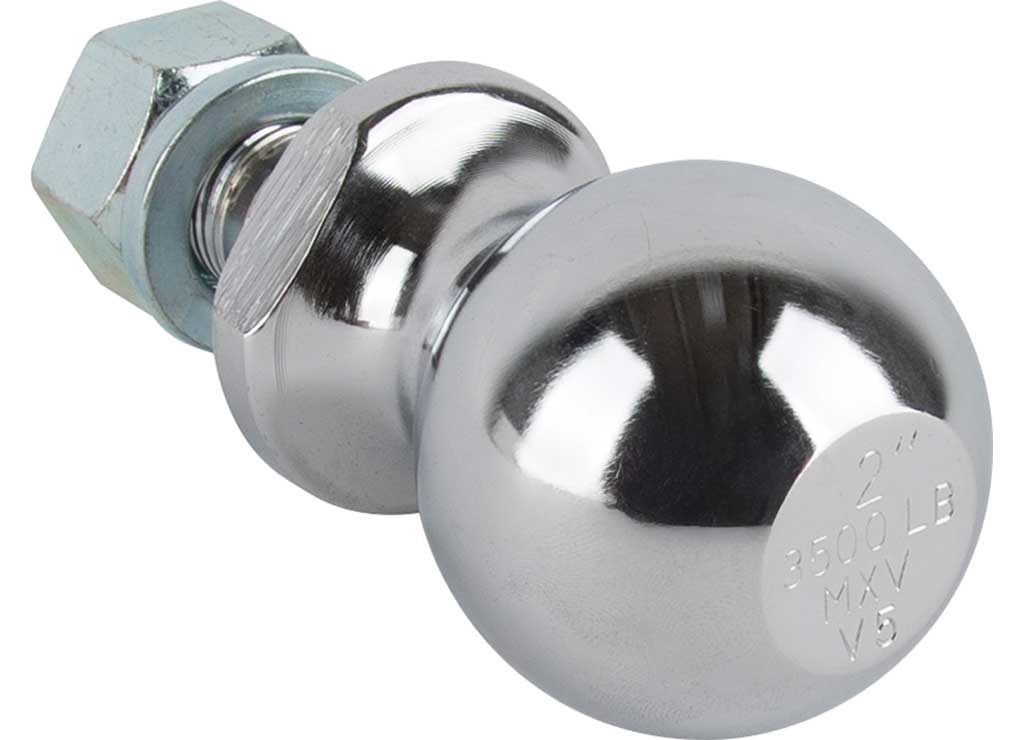
- If you're towing a fishing boat, a pop-up camper, or a general-purpose utility trailer, get a 2 inch tow ball. This is the most common size, but again, verify your coupler. The Tow-Rite 2 Inch x 3/4 Inch x 1 3/4 Inch 3500 LBS Hitch Ball is a solid option for lighter 2-inch applications, available for just $5.07 with 25 in stock.
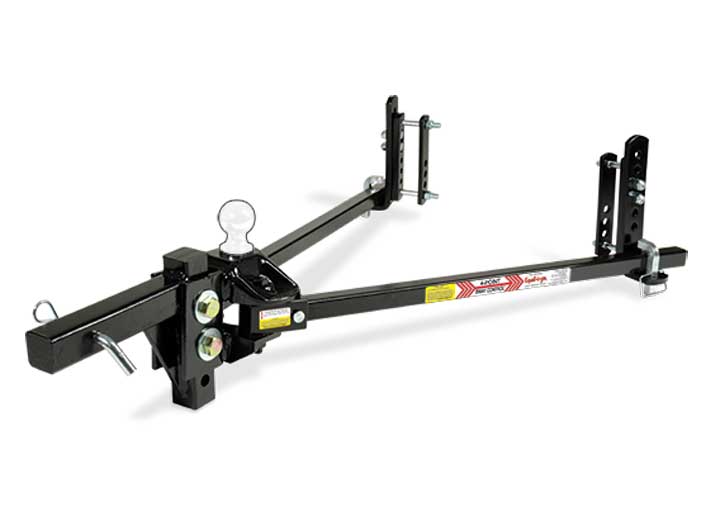
- If you're towing a large travel trailer, a heavy car hauler, or construction equipment, get a 2-5/16 inch tow ball. These are designed for serious loads and have significantly higher weight capacities. You'll often find these paired with weight distribution hitches like the Equalizer 4-Point Sway Control Weight Distribution Hitch 10,000 lb GTW, which costs $701.22 and has 400 in stock.
Common mistakes when shopping
- Guessing the coupler size: This is the most dangerous mistake. Never assume. Always check the stamping on the coupler or consult your trailer's manual. A ball that's too small will allow the trailer to pop off.
- Ignoring weight ratings: Just because the ball fits doesn't mean it's strong enough. Every component matters. Your tow ball's GTW and TW ratings must exceed your trailer's loaded weight.
- Not checking shank diameter: A tow ball with the wrong shank diameter won't fit your ball mount, or it will fit loosely, which is also unsafe. Match the shank diameter to the hole in your ball mount.
- Overtightening or undertightening the nut: The nut securing the tow ball to the ball mount needs to be tightened to the manufacturer's specified torque. Too loose, and it can back off. Too tight, and you can stretch or damage the threads or the ball mount itself. Consult your ball's installation instructions or your hitch manual for the correct torque specification. Don't just crank it down with an impact gun. Use a torque wrench.
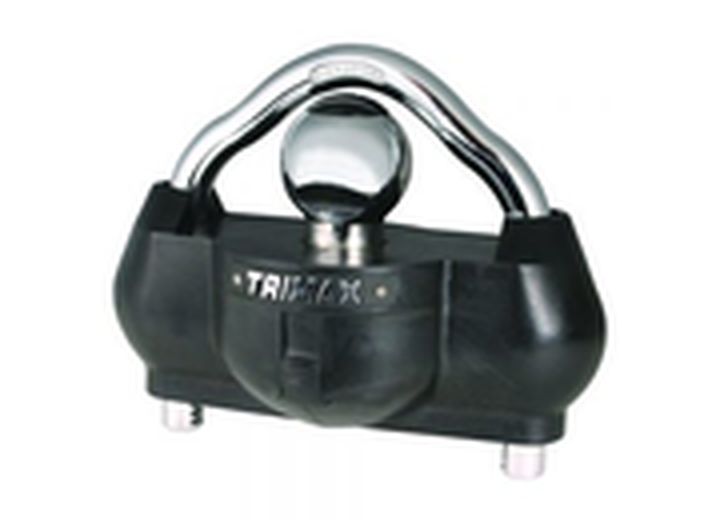
- Forgetting about coupler locks: While not directly related to size, a coupler lock like the Trimax UMAX100 Universal Coupler Nose Lock for Trailers, available for $97.85 with 400 in stock, adds an extra layer of security against theft and ensures your trailer stays put when unhitched.
Recommended parts
- Tow-Rite 2 Inch x 3/4 Inch x 1 3/4 Inch 3500 LBS Hitch Ball: A reliable 2-inch ball for lighter loads. At $5.07, it's a great value for many common towing needs. We have 25 in stock. (SKU: 245604)
- Equalizer 4-Point Sway Control Weight Distribution Hitch 10,000 lb GTW With Adjustable Shank: For heavier trailers, especially travel trailers, a weight distribution hitch is often necessary. This unit, priced at $701.22, helps distribute tongue weight evenly and provides sway control. We have 400 in stock. (SKU: 374175)
- Trimax UMAX100 Universal Coupler Nose Lock for Trailers: Keep your trailer secure when unhitched with this robust coupler lock. Available for $97.85 with 400 in stock. (SKU: 420888)
Top picks
Frequently asked questions
What happens if my tow ball is too small for the coupler?
If your tow ball is too small, the trailer's coupler won't seat properly and can bounce off the ball, especially over bumps or during braking. This can lead to the trailer detaching from your vehicle, creating a very dangerous situation on the road.
How do I find out my trailer's coupler size?
The coupler size is usually stamped directly on the coupler itself, often near the latch mechanism. If not, check your trailer's owner's manual. You can also measure the inside diameter of the coupler with a ruler or calipers to be sure.
Does the tow ball's weight rating matter more than my vehicle's towing capacity?
No single component's rating is more important than another. Your total towing capacity is limited by the lowest-rated component in your entire setup, including your vehicle, hitch receiver, ball mount, and tow ball. Always ensure every part exceeds the weight you plan to tow.
Can I use a larger tow ball with a smaller coupler?
No, you cannot. A larger tow ball simply won't fit into a smaller coupler. The fit must be exact for a secure and safe connection. Attempting to force a larger ball into a smaller coupler will prevent proper hitching and could damage both components.