Why this matters for your vehicle
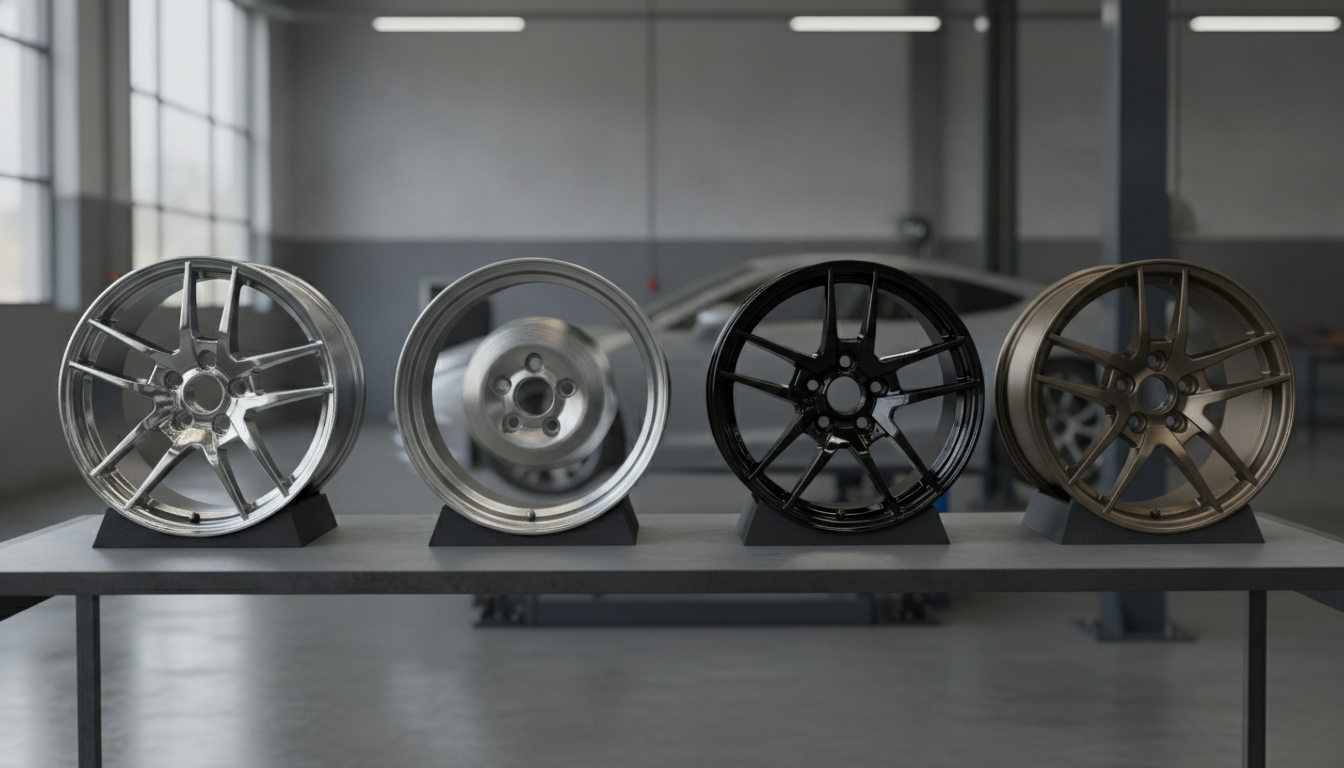
Your wheels are a huge part of your vehicle's overall look. They're also right there in the elements, taking a beating from road grime, brake dust, and whatever else the road throws at them. The finish on those wheels isn't just about aesthetics; it plays a big role in how well they stand up to corrosion, how easy they are to clean, and how much maintenance they'll demand from you. Understanding the differences between chrome, painted, and machined finishes helps you pick wheels that not only look good but also fit your lifestyle and the conditions you drive in.
Each type of finish has its own set of characteristics, from the way it's applied to how it reacts to environmental factors. A chrome wheel might look fantastic on a show car, but if you live somewhere with harsh winters, you'll be spending a lot of time cleaning off salt to keep it from pitting. Painted wheels offer endless customization but can chip. Machined wheels give you that raw metal look but still need protection. It's all about finding the right balance for your ride.
Before you start: when NOT to DIY
Choosing a wheel finish isn't really a DIY job in the sense of applying it yourself, unless you're talking about a custom paint job on existing wheels. Most wheel finishes are factory-applied for durability. However, if you're considering buying new wheels and are weighing the options, it's a good idea to understand what you're getting into. If you're looking at wheels with significant damage, like deep gouges, cracks, or bends, don't try to fix those yourself. That's a job for a professional wheel repair shop.
- If a wheel is bent or cracked, it's a safety hazard and needs professional repair or replacement.
- Severe corrosion that compromises the wheel's structural integrity is beyond DIY repair.
- If you're unsure about the structural soundness of a used wheel, have it inspected by a pro.
- Don't attempt to strip and re-chrome a wheel at home; it's a complex and hazardous process.
- Any wheel that leaks air from the rim (not the tire bead) likely has a structural issue.
Step-by-step procedure
This isn't a repair procedure, but rather a guide to understanding the different wheel finishes. Think of it as a walkthrough to help you make an informed decision when buying new wheels or maintaining your current ones.
Step 1 — Understand chrome finish Chrome wheels are created by electroplating multiple layers of metal (often copper, nickel, and then chromium) onto an aluminum or steel wheel. This process gives them that iconic, highly reflective, mirror-like finish. They're heavy and often more expensive than other finishes.
Step 2 — Evaluate chrome durability and maintenance Chrome looks great, but it's high-maintenance. It's susceptible to pitting and corrosion, especially in areas with road salt or harsh chemicals. You'll need to clean them regularly with a pH-neutral cleaner and wax them to protect the finish. I've seen countless chrome wheels come into the shop, especially on older trucks, where the chrome has started to peel or pit from neglect. It's a real shame because when they're clean, nothing beats the look.
Step 3 — Understand painted finish Painted wheels are exactly what they sound like: wheels that have been painted with automotive-grade paint. This can range from simple silver or black to vibrant custom colors. The process usually involves a primer, several coats of color, and a clear coat for protection and shine. They're lighter than chrome and offer the most customization.
Step 4 — Evaluate painted durability and maintenance Painted wheels are generally durable, thanks to the clear coat, but they can chip if struck by rocks or curb rash. Once the paint is chipped, the underlying metal can be exposed to the elements, leading to corrosion if not addressed. Cleaning is straightforward with standard car wash soap, and you can wax them just like your car's paint.
Step 5 — Understand machined finish Machined wheels start as a raw aluminum casting. Then, a CNC machine precisely cuts away small amounts of metal from the face of the wheel, creating a distinct, textured metallic pattern. This process leaves behind fine lines that catch the light, giving it a unique look. The machined surface is then typically covered with a clear coat to protect the bare aluminum from oxidation and corrosion.
Step 6 — Evaluate machined durability and maintenance Machined wheels with a clear coat offer good protection. The clear coat acts as a barrier, similar to painted wheels. However, if the clear coat gets damaged or chipped, the exposed aluminum can oxidize, leading to a dull, milky appearance. Cleaning them is similar to painted wheels, using mild soap and water. Avoid harsh abrasives that could scratch the clear coat.
Step 7 — Consider your driving environment If you live in a region with harsh winters and road salt, chrome wheels will require the most vigilant cleaning to prevent damage. Painted and clear-coated machined wheels will fare better, but still need regular washing. For off-road use, where wheels are likely to get scratched, a painted finish might be easier to touch up.
Step 8 — Think about your maintenance habits Are you someone who washes their vehicle regularly, or do you prefer a low-maintenance approach? Chrome demands frequent attention. Painted and machined wheels are a bit more forgiving, but still benefit from regular cleaning and waxing to maintain their appearance and protection.
Step 9 — Factor in aesthetics and cost Chrome wheels often have the highest price tag due to the complex plating process. Painted wheels can vary widely in price depending on the quality of the paint and custom work. Machined wheels typically fall in the middle. Beyond cost, consider the overall look you're going for. Do you want mirror-like bling, a subtle color match, or a modern metallic texture?
Common mistakes when choosing wheel finishes
When selecting a wheel finish, some common pitfalls can lead to dissatisfaction down the road. Here are a few to watch out for:
- Not considering your driving conditions. If you live in a snowy area, chrome might not be the best choice.
- Overlooking maintenance needs. Some finishes require more upkeep than others.
- Ignoring the weight of the wheels. Heavier wheels can affect performance and fuel efficiency.
- Failing to check for proper fitment. Always ensure the wheels match your vehicle's specifications.
How often to replace front brake pads
This section is not applicable to wheel finishes. Wheel finishes do not wear out in the same way brake pads do. Their lifespan depends on exposure to harsh elements, impact damage, and how well they are maintained. With proper care, a wheel finish can last for many years, often the lifetime of the vehicle. Signs of needing attention include pitting, peeling, significant scratches, or oxidation of the clear coat.
Top picks
Frequently asked questions
What is the most durable wheel finish?
Generally, painted wheels with a high-quality clear coat offer excellent durability against everyday wear and tear. They can be more resistant to minor chips and scratches than chrome, and easier to repair if damage occurs. Machined wheels with a good clear coat are also very durable.
Are chrome wheels hard to maintain?
Yes, chrome wheels typically require more maintenance than painted or machined wheels. They are prone to pitting and corrosion, especially from road salt and harsh chemicals. Regular cleaning with a pH-neutral cleaner and waxing are essential to keep them looking their best and prevent damage.
Can I repair a chipped painted wheel myself?
For minor chips, you can often touch up a painted wheel yourself using automotive touch-up paint that matches the wheel's color. Clean the area thoroughly, apply thin coats of paint, and then a clear coat. For larger chips or deeper damage, professional repair might be necessary for the best results.
What's the difference between machined and polished wheels?
Machined wheels have a distinct, textured pattern created by a CNC machine, typically under a clear coat. Polished wheels, on the other hand, are buffed to a smooth, mirror-like shine without a clear coat. Polished aluminum requires frequent polishing to prevent oxidation and maintain its luster.