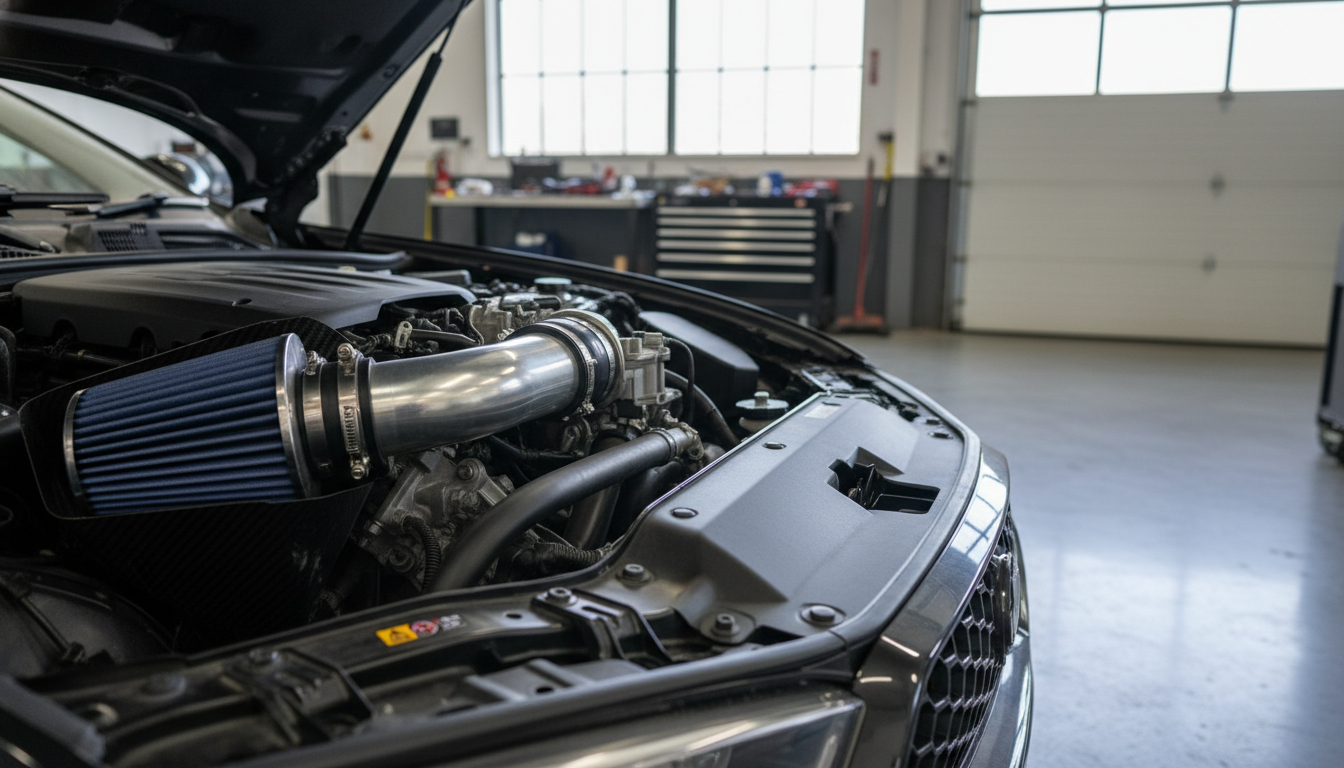
You're looking to get a little more grunt out of your engine, and a cold air intake (CAI) is often one of the first mods people consider. The idea is simple: get colder, denser air into the engine, and you make more power. But the reality isn't always as straightforward as the marketing claims. We've seen hundreds of these installed, good and bad, and there's definitely a right way and a wrong way to go about it.
What to look for — 4-6 sub-sections covering buying criteria
True cold air isolation
This is the big one. The whole point of a cold air intake is to get cold air. If your shiny new intake cone filter is just sitting in the engine bay, sucking in hot air that's been cooking over your engine, you're not gaining much. In fact, you might even be losing power compared to a well-designed stock airbox. Look for systems that have a proper heat shield or an enclosed airbox that seals against the hood or fender well. This keeps the hot engine bay air away from your intake charge. Some of the best designs actually pull air from outside the engine compartment entirely, often through a fender well or behind the grille.
Filtration quality
More airflow is good, but not at the expense of filtration. Your engine needs clean air. A cheap filter that lets too much particulate matter through can lead to premature engine wear. Look for reputable brands that use quality filter media, whether it's oiled cotton gauze or dry synthetic. Many performance filters are washable and reusable, which is a nice bonus down the road. Just make sure you follow the manufacturer's cleaning and oiling instructions if you go with an oiled filter. Over-oiling can foul your mass airflow sensor, causing all sorts of headaches.
Intake tube design and material
The tube itself matters. Smooth, mandrel-bent tubing reduces turbulence and allows air to flow more freely. Avoid kits with lots of sharp bends or accordion-style sections, as these can restrict airflow. Material choice also plays a role. Plastic or composite tubes often do a better job of resisting heat soak than metal tubes, which can get hot and transfer that heat to the incoming air. A metal tube might look cooler, but if it's radiating heat into your intake charge, it's counterproductive.
Mass airflow sensor (MAF) housing accuracy
If your vehicle uses a MAF sensor, the CAI kit needs a MAF housing that's precisely engineered to match the stock sensor's calibration. Any deviation here can throw off your engine's air-fuel ratio, leading to poor performance, check engine lights, or even damage. Reputable manufacturers spend a lot of time designing and testing their MAF housings to ensure accurate readings. Be wary of generic kits that just slap a universal MAF adapter on there. This is where a lot of cheap intakes fall short.
Ease of installation and fitment
While this isn't directly about power, a poorly fitting intake can be a real pain. Hoses that don't quite reach, brackets that don't line up, or interference with other engine components are all signs of a poorly designed kit. A good CAI should install cleanly with minimal fuss and use all the factory mounting points where possible. You shouldn't have to force anything or modify major components to get it to fit. I've spent too many hours wrestling with cheap kits that just don't want to go in right; it's always worth paying a little more for something that fits like it should.
Quick comparison — markdown table comparing 3-5 specific products from the fact pack
| Product Name | Brand | Category | Retail Price | Stock | Notes |
|---|---|---|---|---|---|
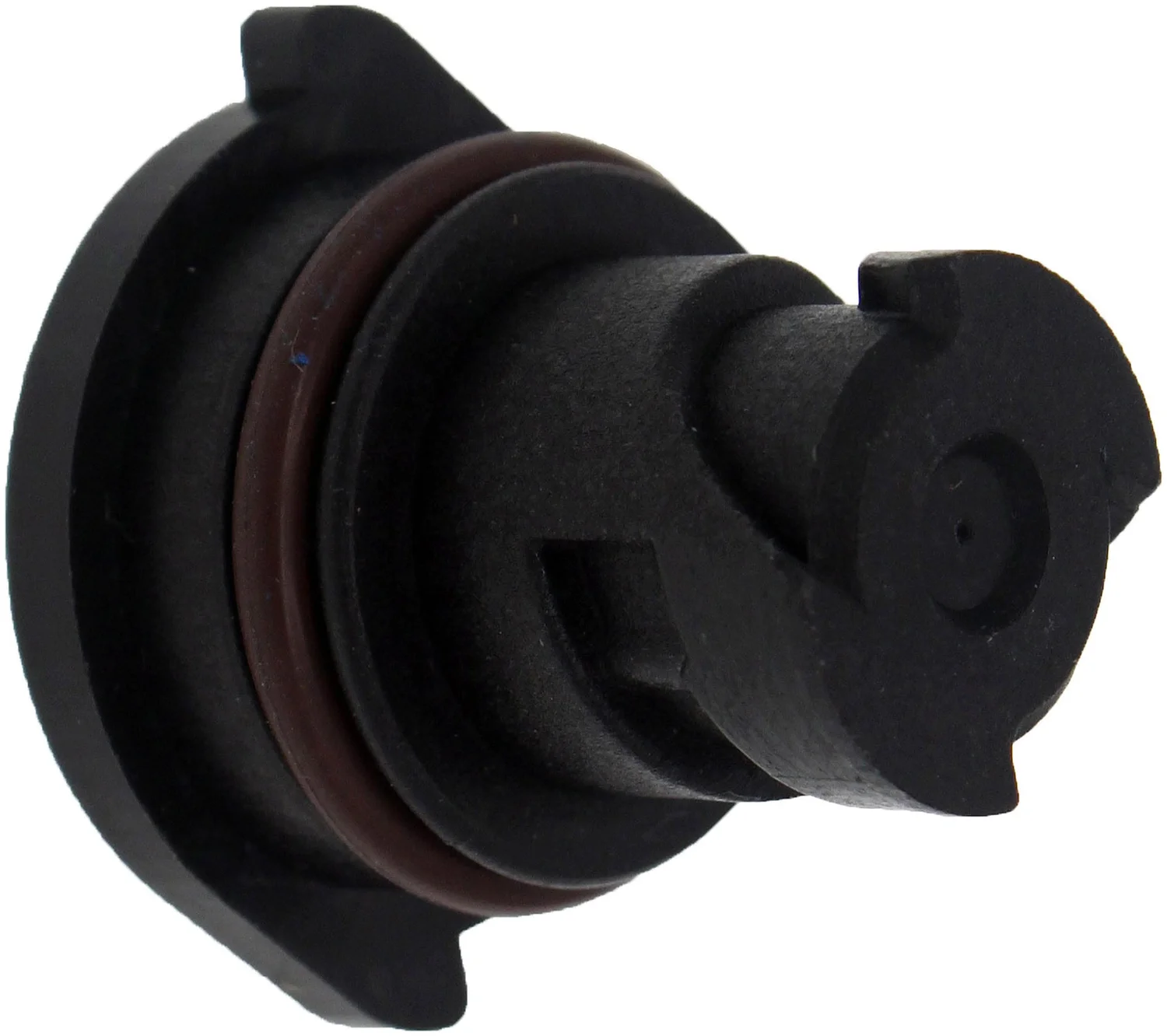
| Advanced Engine Design Idle Mixture Screw Gaskets | Advanced Engine Design | Engine | $5.02 | 8 | Not a CAI component, but essential for carb tuning. |
| Dorman Heater Hose Bypass Cap Assortment | Dorman | Engine | $5.02 | 3 | Not a CAI component, useful for cooling system work. |
| Dorman Fuel Line Repair Fitting | Dorman | Engine | $5.02 | 20 | Not a CAI component, but useful for fuel system repair. |
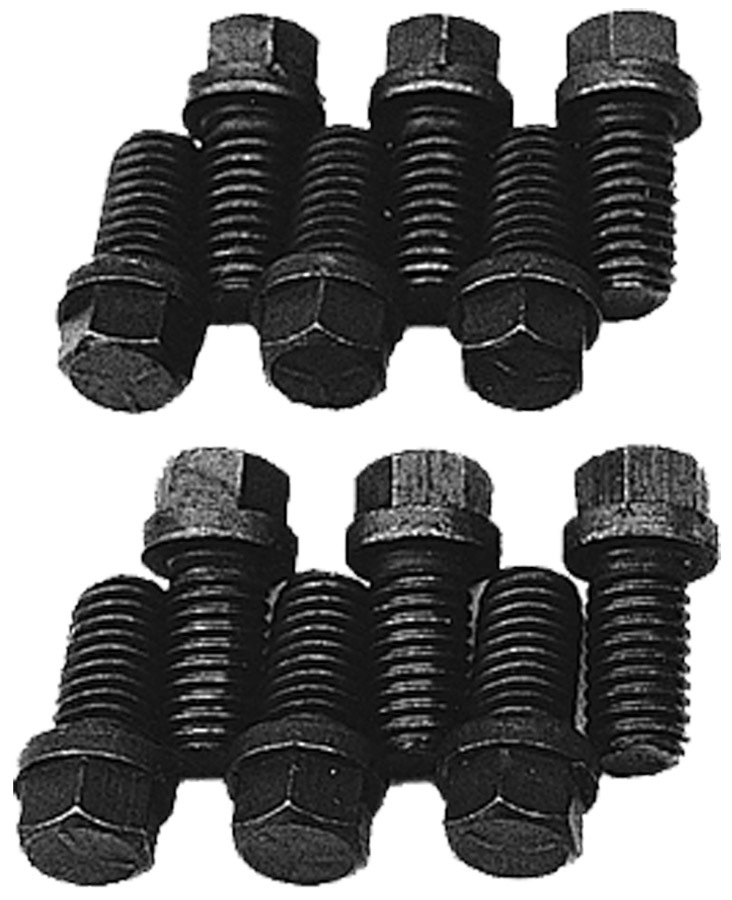
| Trans-Dapt 5/16 Inch Hex Header Bolts | Trans-Dapt | Engine | $5.02 | 97 | Not a CAI component, for exhaust headers. |
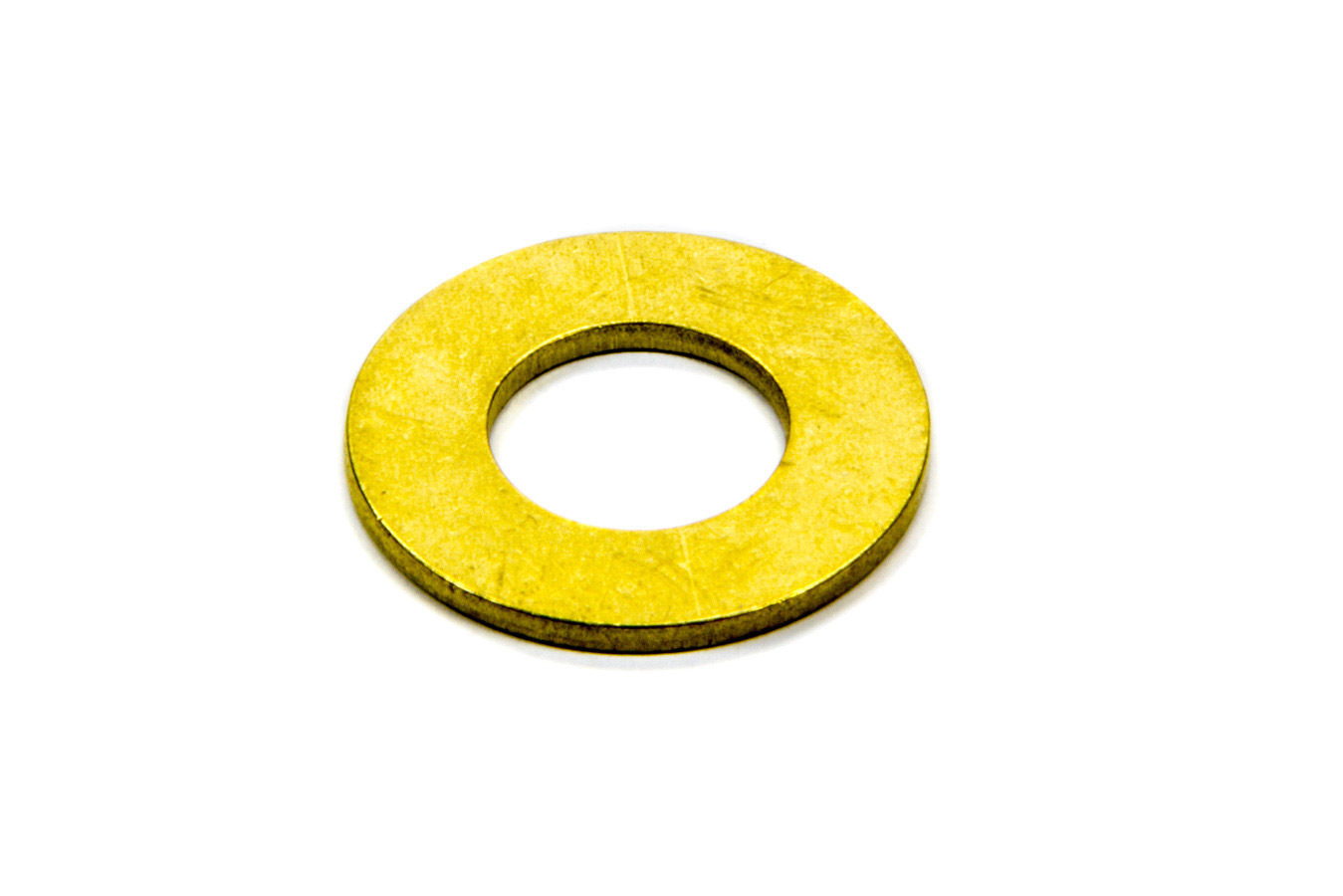
| MSD Ignition Replacement Shim Brass | Msd Ignition | Engine | $5.03 | 64 | Not a CAI component, for ignition system. |
Note: None of the currently available products in our inventory are direct cold air intake systems or components. This table shows other engine-related parts you might find useful for other projects.
Top picks — for each, a paragraph with markdown link
Since we don't have specific cold air intake systems in stock right now, I can't recommend a particular brand or model from our current inventory. However, when you're shopping for a CAI, look for established brands like K&N, AEM, Injen, or S&B. These companies have a long track record of producing quality intake systems that are well-engineered and tested. They typically offer good filtration, proper heat isolation, and accurate MAF sensor integration. Always check reviews specific to your vehicle make and model to see how others have fared with a particular kit.
Budget vs premium
This is where the rubber meets the road. A budget cold air intake, often found for under $100-$150, might look like a great deal. But these are usually the kits that cut corners on heat shielding, filtration, or MAF sensor calibration. You might get a louder intake sound, but actual power gains could be minimal, or you could even run into engine issues. The filters might be low quality, letting in more dirt, or the tubing might be prone to heat soak.
Premium cold air intakes, typically ranging from $200-$500+, invest heavily in R&D. They often feature roto-molded plastic intake tubes that resist heat, high-quality reusable filters, precisely engineered heat shields or enclosed airboxes, and MAF housings that are calibrated for your specific vehicle. These kits are designed to deliver measurable power gains and maintain proper engine function. They also tend to fit much better, making installation less of a headache. Spending a bit more for a quality product is usually worth it.
How to verify fitment before buying
Verifying fitment is crucial. The easiest way is to use the vehicle selector tool on the retailer's website. Input your exact year, make, model, and engine size. The website should then filter results to show only parts that are guaranteed to fit your specific vehicle. Don't just assume a part for a 'Chevy Silverado' will fit your '2015 Chevy Silverado 1500 with the 5.3L V8' — engine options and trim levels can make a huge difference.
Beyond the website's fitment guide, check the product description for any specific notes or exclusions. Sometimes a CAI might fit certain sub-models or require minor modifications for others. Read customer reviews from people with the exact same vehicle as yours. They often point out any fitment quirks or installation challenges that aren't immediately obvious from the product listing. If you're still unsure, contact the manufacturer or retailer directly with your vehicle's VIN. They can usually confirm compatibility with 100% certainty.
Top picks
Frequently asked questions
How much horsepower does a cold air intake add?
Realistically, a good cold air intake can add anywhere from 5 to 15 horsepower, depending on the vehicle and its existing intake system. Don't believe claims of 30+ horsepower from just an intake; those numbers are usually highly optimistic and rarely seen on a stock engine without other modifications or tuning.
Will a cold air intake void my warranty?
Generally, a cold air intake itself won't automatically void your entire vehicle warranty. However, if a component of your engine fails and the dealership can prove that the aftermarket intake directly caused that failure, they can deny warranty coverage for that specific repair. It's a gray area, so check your vehicle's warranty terms.
Is a cold air intake worth it?
If you're looking for a noticeable increase in engine sound and a modest bump in horsepower, a quality cold air intake can be worth it. For significant power gains, it's often a foundational mod that works best when paired with other upgrades like a tune, exhaust, or headers. It's rarely a standalone 'game-changer'.
What's the difference between a cold air intake and a short ram intake?
A cold air intake is designed to pull air from outside the engine bay to get the coldest possible air. A short ram intake, on the other hand, usually has a shorter tube and places the filter directly in the engine bay. Short ram intakes often provide a louder induction sound but can suffer from heat soak, potentially reducing power.