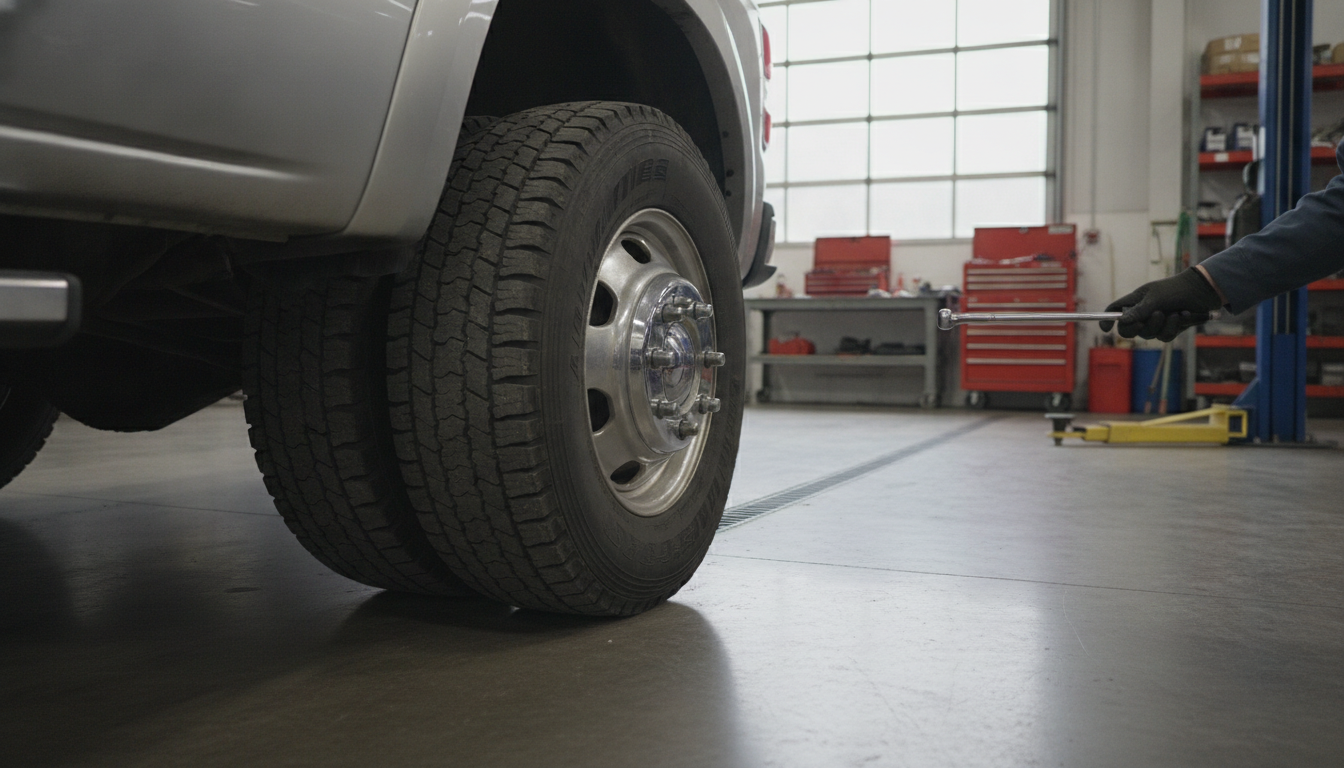
Alright, let's talk about dually wheels. You see them on heavy-duty trucks, mostly for serious towing and hauling. That extra set of wheels on the rear axle isn't just for looks; it's about stability, weight distribution, and ultimately, safety when you're moving big loads.
When you're looking at dually wheels, you're essentially doubling up your contact patch with the road on the rear axle. This spreads the load across more tires, which means each tire carries less weight. That's how you get those higher Gross Vehicle Weight Ratings (GVWR) and Gross Axle Weight Ratings (GAWR) on dually trucks. But it's not as simple as just bolting on another set of wheels. There's a lot to consider with fitment, spacing, and making sure your entire setup can handle the stress.
What to look for — dually wheel considerations
When you're spec'ing out dually wheels, you've got a few critical factors to keep in mind. Get any of these wrong, and you're looking at premature tire wear, potential damage to your truck, or even a dangerous blow-out while towing.
Load capacity
This is paramount. Every wheel and tire has a maximum load rating. For dually setups, you need to ensure the combined load rating of all four rear tires (and the wheels they're mounted on) exceeds your truck's Gross Axle Weight Rating (GAWR). Don't just look at the tire's sidewall; the wheel itself has a load rating too. If you're running a heavy trailer, you need every component to be up to the task. Skimping here is just asking for trouble.
Bolt pattern and hub bore
Your dually wheels need to match your truck's bolt pattern exactly. This means the number of lug holes and the diameter of the circle they form. You'll also need to pay attention to the hub bore, which is the center hole of the wheel. Ideally, you want hub-centric wheels, where the wheel's hub bore fits snugly over the vehicle's hub. This centers the wheel perfectly and transfers the load to the hub, not just the lug studs. If you have lug-centric wheels, where the wheel is centered by the lug nuts, you might need hub centric rings like the Gorilla Hub Centric Rings 66mm OD x 56.15mm ID Set of 4, though these are typically for smaller applications. For heavy-duty dually trucks, proper hub contact is critical.
Offset and backspacing
This is where dually spacing gets tricky. The offset is the distance from the wheel's mounting surface to the centerline of the wheel. Backspacing is the distance from the mounting surface to the back edge of the wheel. For dually trucks, the inner and outer wheels often have different offsets to achieve the correct spacing between them. You need enough clearance between the inner and outer tires to prevent them from rubbing, especially when the suspension flexes under load or when turning. Too little space and you'll get tire-on-tire friction, leading to heat buildup and rapid wear. Too much space can put undue stress on your wheel bearings and suspension components.
Wheel material and construction
Dually wheels are typically steel or aluminum. Steel wheels are generally heavier and more affordable, often found on work trucks. Aluminum wheels are lighter, dissipate heat better, and can look sharper, but they're usually more expensive. Both can handle the load, but aluminum wheels might offer a slight fuel economy benefit due to reduced unsprung weight. The construction also matters; look for wheels designed specifically for dually applications, not just single-wheel designs adapted with spacers.
Valve stems and TPMS
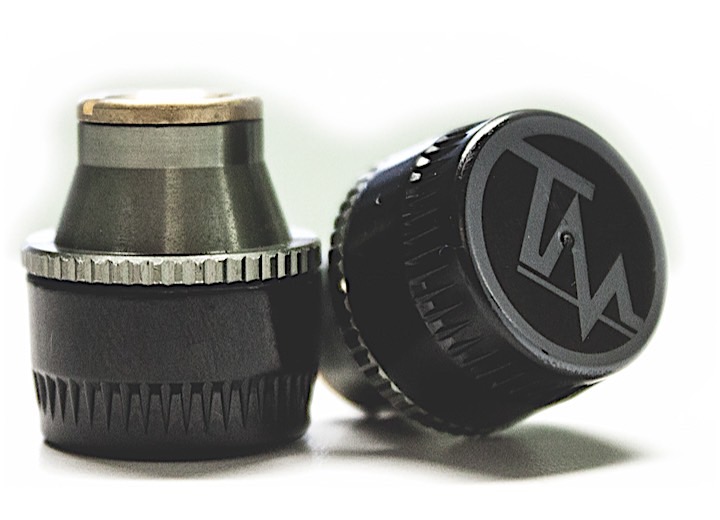
With six tires on the ground, monitoring tire pressure is even more critical. You'll need durable valve stems, especially on the inner rear wheels, which can be a pain to access. Many modern trucks use Tire Pressure Monitoring Systems (TPMS). If your truck has TPMS, you'll need sensors compatible with your new dually wheels. Products like Valterra TireMinder TPMS Transmitters can be a good option for aftermarket systems, or you might need a service kit like the Huf North America TPMS Valve Stem Service Kit Dill 7020K if you're reusing existing sensors. Don't forget the Procomp Alloys Snap-In TPMS Valve Only if you're replacing just the valve part.
Quick comparison — essential dually components
While we don't carry complete dually wheel sets, here's a look at some crucial components you'll need or might consider when working on a dually setup:
| Product Name | Brand | Price | Stock | Use Case |
|---|---|---|---|---|
| Valterra TireMinder TPMS Transmitters | Valterra Llc | $129.99 | 208 | Aftermarket TPMS for monitoring all dually tires. |
| Dorman Wheel Stud M12-1.50 Thread Serrated Knurl | Dorman | $5.12 | 4 | Replacement wheel studs for secure wheel mounting. |
| Dorman Wheel Bolt 9/16-18 Thread Length 1.00 Inch | Dorman | $5.41 | 10 | Heavy-duty wheel bolts for various dually applications. |
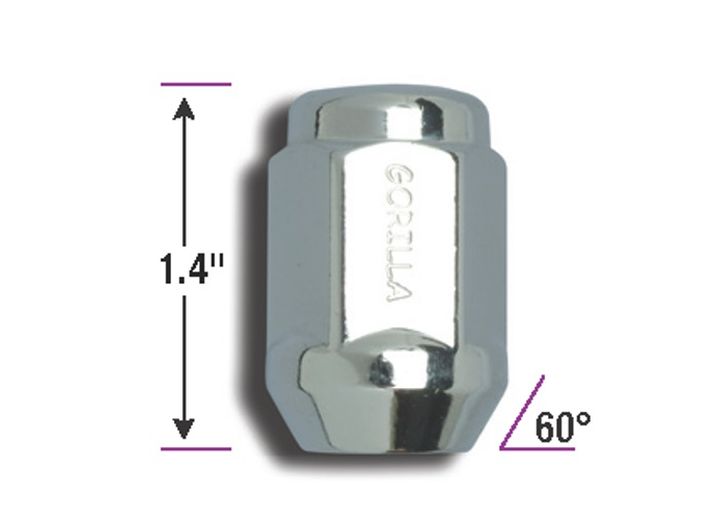
| Gorilla Automotive Acorn Bulge Seat Lug Nut 13/16 Hex 14mm x 1.50 | Gorilla Automotive | $5.47 | 0 | Secure lug nuts for proper wheel retention on dually wheels. |
| Huf North America TPMS Valve Stem Service Kit Dill 7020K | Huf N.Americ | $5.52 | 0 | Servicing existing TPMS sensors when changing tires or wheels. |
Top picks — dually accessories
When you're building or maintaining a dually setup, these components are often overlooked but are absolutely essential for safety and longevity.
Valterra TireMinder TPMS Transmitters
Keeping an eye on tire pressure is critical with six tires. These Valterra TireMinder TPMS Transmitters, available for $129.99 with 208 in stock, are a great way to add or upgrade your TPMS, especially if your truck didn't come with a comprehensive system or you're running an older setup. Proper tire pressure prevents uneven wear and can save you from a catastrophic blowout when you're loaded down.
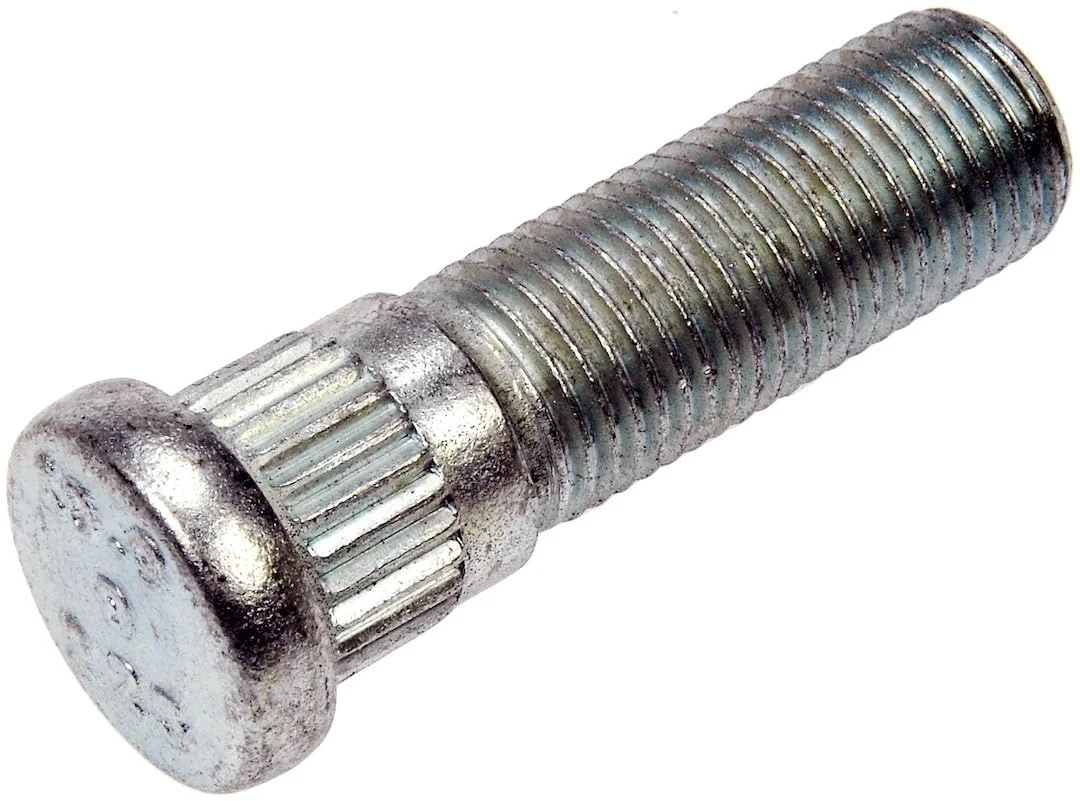
Dorman Wheel Stud M12-1.50 Thread Serrated Knurl
Wheel studs take a beating, especially on dually trucks that see heavy loads. If you ever have to replace a damaged or stripped stud, a reliable replacement like the Dorman Wheel Stud M12-1.50 Thread Serrated Knurl for $5.12 (4 in stock) is what you need. Don't cheap out on these; they're literally what hold your wheels on.
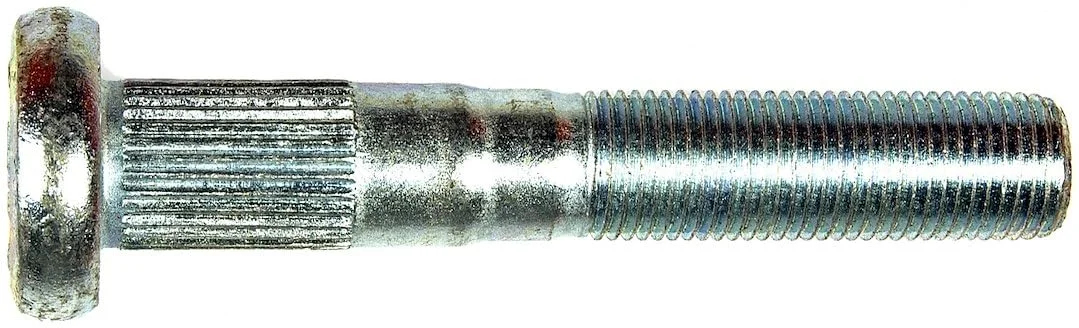
Dorman Wheel Bolt 9/16-18 Thread Length 1.00 Inch
Some dually setups use wheel bolts instead of studs and nuts, or a combination. The Dorman Wheel Bolt 9/16-18 Thread Length 1.00 Inch, priced at $5.41 with 10 in stock, is a good example of a robust fastener. Always ensure your bolts match your wheel and hub perfectly for proper engagement and clamping force.
Top picks
Frequently asked questions
What is the main benefit of dually wheels?
Dually wheels significantly increase a truck's load-carrying capacity and stability. By distributing the weight across more tires on the rear axle, each tire handles less stress. This allows the truck to safely haul heavier loads and provides better control, especially when towing large trailers or navigating crosswinds.
How important is proper dually wheel spacing?
Proper dually wheel spacing is extremely important. If the inner and outer tires are too close, they can rub against each other, causing heat buildup, premature wear, and potential blowouts. Incorrect spacing can also put excessive stress on wheel bearings and suspension components, leading to costly repairs and unsafe driving conditions.
Do I need special lug nuts for dually wheels?
Yes, you often need specific lug nuts for dually wheels. The type of lug nut depends on the wheel design (e.g., conical seat, spherical seat, flat seat). It's crucial that the lug nuts match the wheel's lug seat to ensure proper clamping force and prevent the wheels from coming loose. Always consult your wheel manufacturer's recommendations.
Can I convert a single rear wheel truck to a dually?
Converting a single rear wheel (SRW) truck to a dually (DRW) is a complex and expensive undertaking. It typically involves replacing the rear axle, adding fender flares, and potentially modifying the suspension. It's not a simple bolt-on job and requires careful consideration of load ratings, frame integrity, and legality. It's usually more practical to buy a factory dually if you need one.
What is the difference between hub-centric and lug-centric dually wheels?
Hub-centric wheels center on the vehicle's hub, transferring the load directly to the hub. This provides better stability and reduces vibration. Lug-centric wheels are centered by the lug nuts, with the load primarily carried by the studs. For heavy-duty dually applications, hub-centric designs are generally preferred for their superior load distribution and reliability.