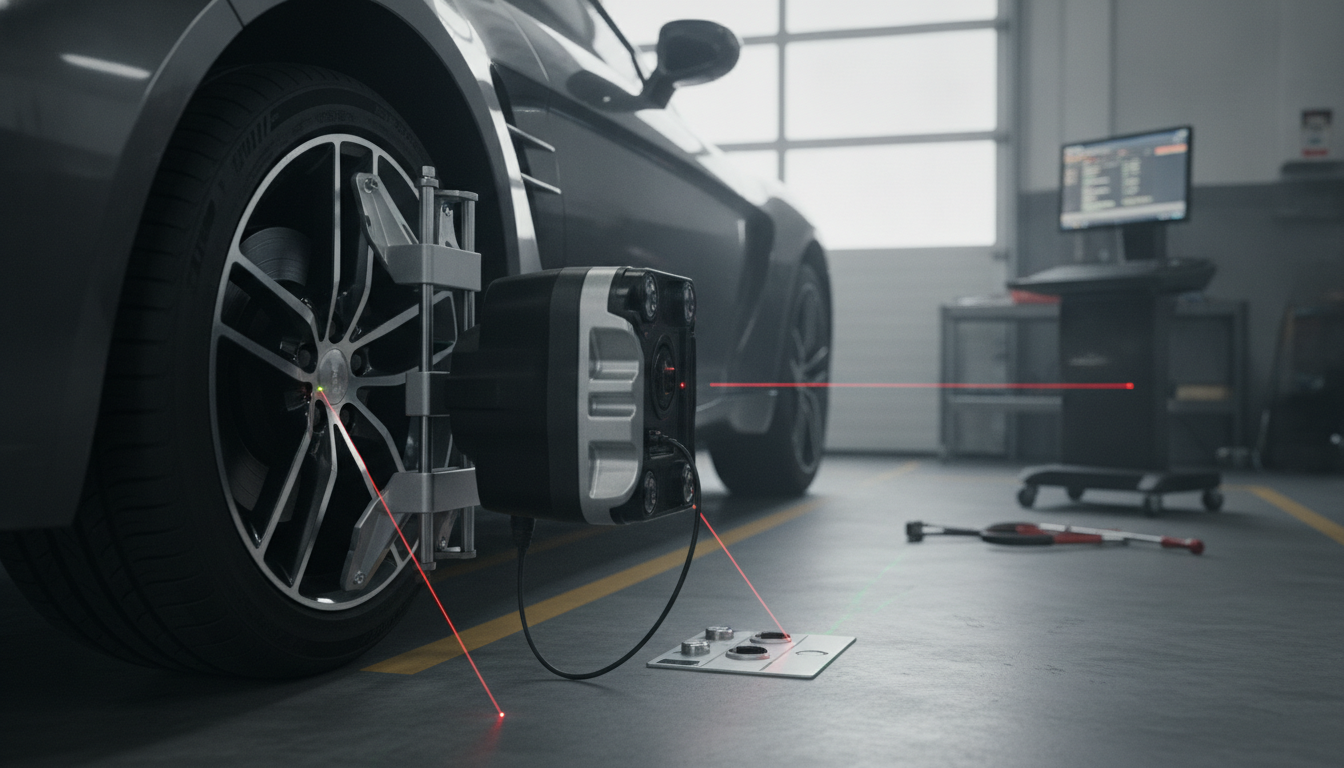
Keeping your wheels properly aligned is crucial for your vehicle's handling, tire longevity, and overall safety. It's not just about driving straight; it's about making sure all four wheels are working together as the manufacturer intended. Neglecting alignment can lead to a host of problems that cost you more in the long run.
Think of it this way: your car's suspension is a complex system designed to keep the tires flat on the road. When components get knocked around or wear out, those angles shift. An alignment corrects the camber, caster, and toe angles, bringing them back to factory specifications. This ensures your tires make even contact with the road, reducing premature wear and improving your driving experience.
What to look for
For wheel alignment, there isn't a one-size-fits-all answer for how often you should get it done. However, there are clear signs and situations that demand immediate attention. Knowing what to look for can save you from replacing tires prematurely or dealing with a squirrelly ride.
Uneven tire wear
This is the most common and often the first sign of an alignment problem. If you see one edge of your tire wearing down faster than the other, or if you notice feathering (where the tread blocks are worn smooth on one side and sharp on the other), your alignment is off. Different alignment issues cause different wear patterns. For example, excessive toe-in or toe-out will cause feathering or scrubbing across the tread. Negative or positive camber will cause wear on the inner or outer edge of the tire, respectively. Get down and really look at your tires, or run your hand across the tread. You'll feel it.
Vehicle pulling or drifting
If your vehicle consistently pulls to the left or right when you're driving on a flat, straight road, that's a classic symptom of misalignment. You'll find yourself constantly correcting the steering wheel to keep the car going straight. This isn't just annoying; it's fatiguing on long drives and can be a safety concern, especially in an emergency maneuver. Sometimes it's subtle, a gentle drift, other times it's a strong pull. Don't ignore it.
Steering wheel not centered
When you're driving straight, your steering wheel should be perfectly centered. If it's turned slightly to one side, even though your vehicle is tracking straight, your alignment is off. This is usually a toe issue, and while the car might drive fine, it's still putting undue stress on your tires and suspension components. A centered steering wheel is a good indicator of a properly aligned front end.
Steering response issues
Does your steering feel loose or vague? Or maybe it feels overly stiff and hard to turn? Both can be related to alignment issues. When the caster angle is incorrect, it can affect steering effort and the vehicle's ability to self-center after a turn. Proper caster helps your steering wheel return to center and keeps the car stable at speed. If your car feels like it's wandering or twitchy, an alignment check is in order.
Recent suspension work or impact
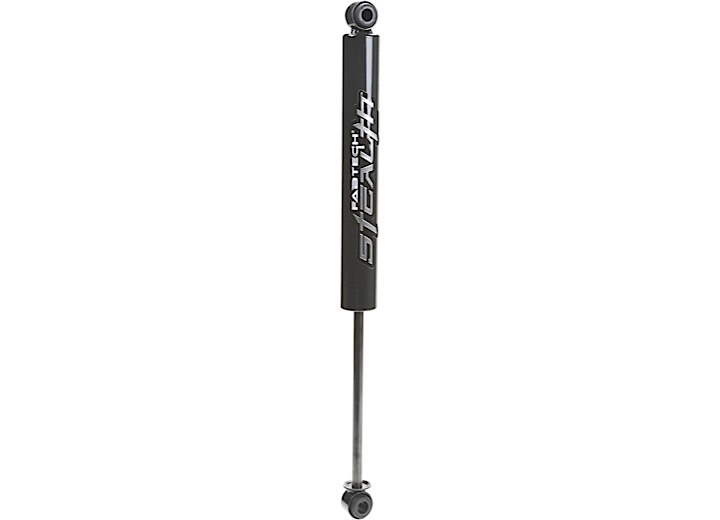
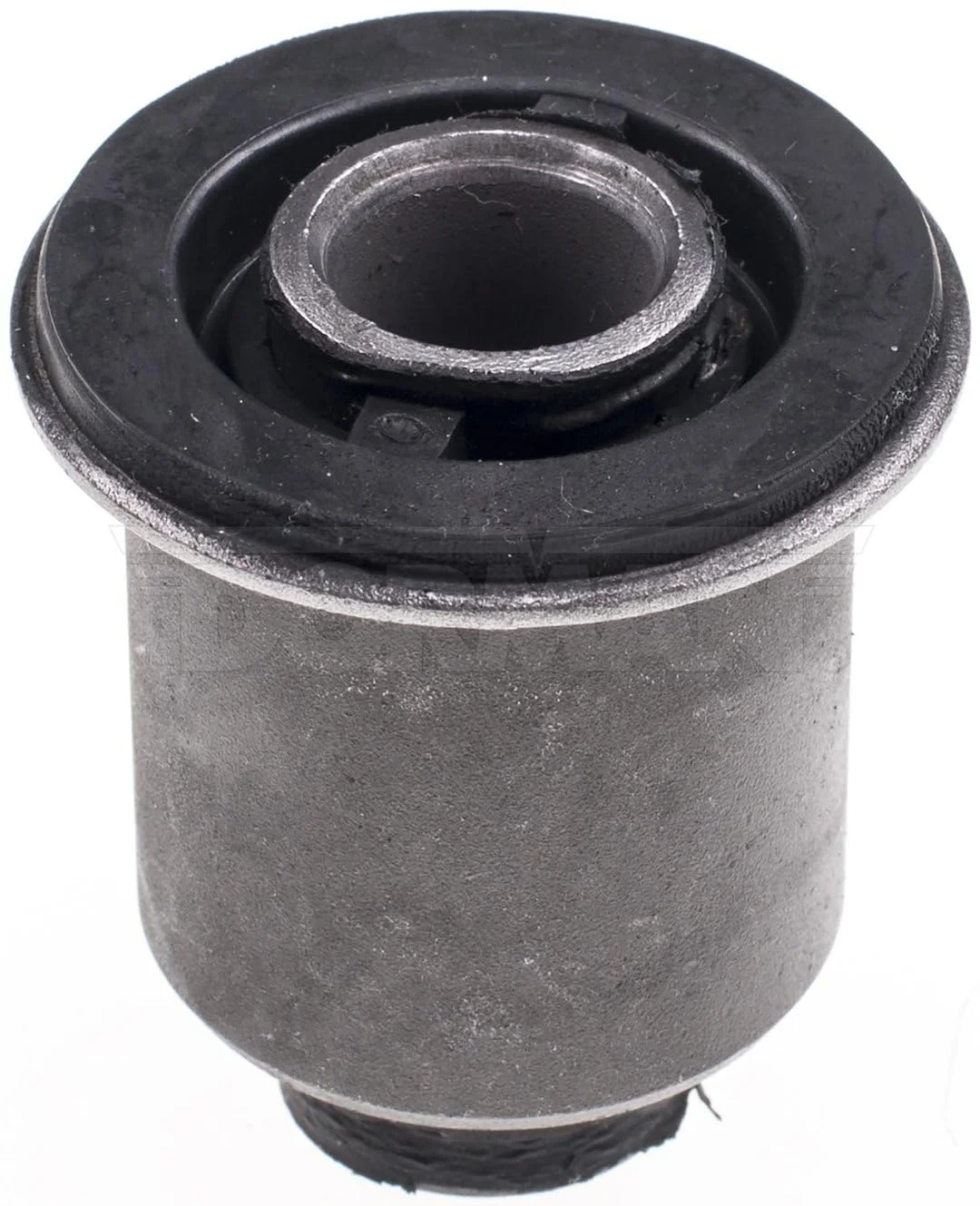
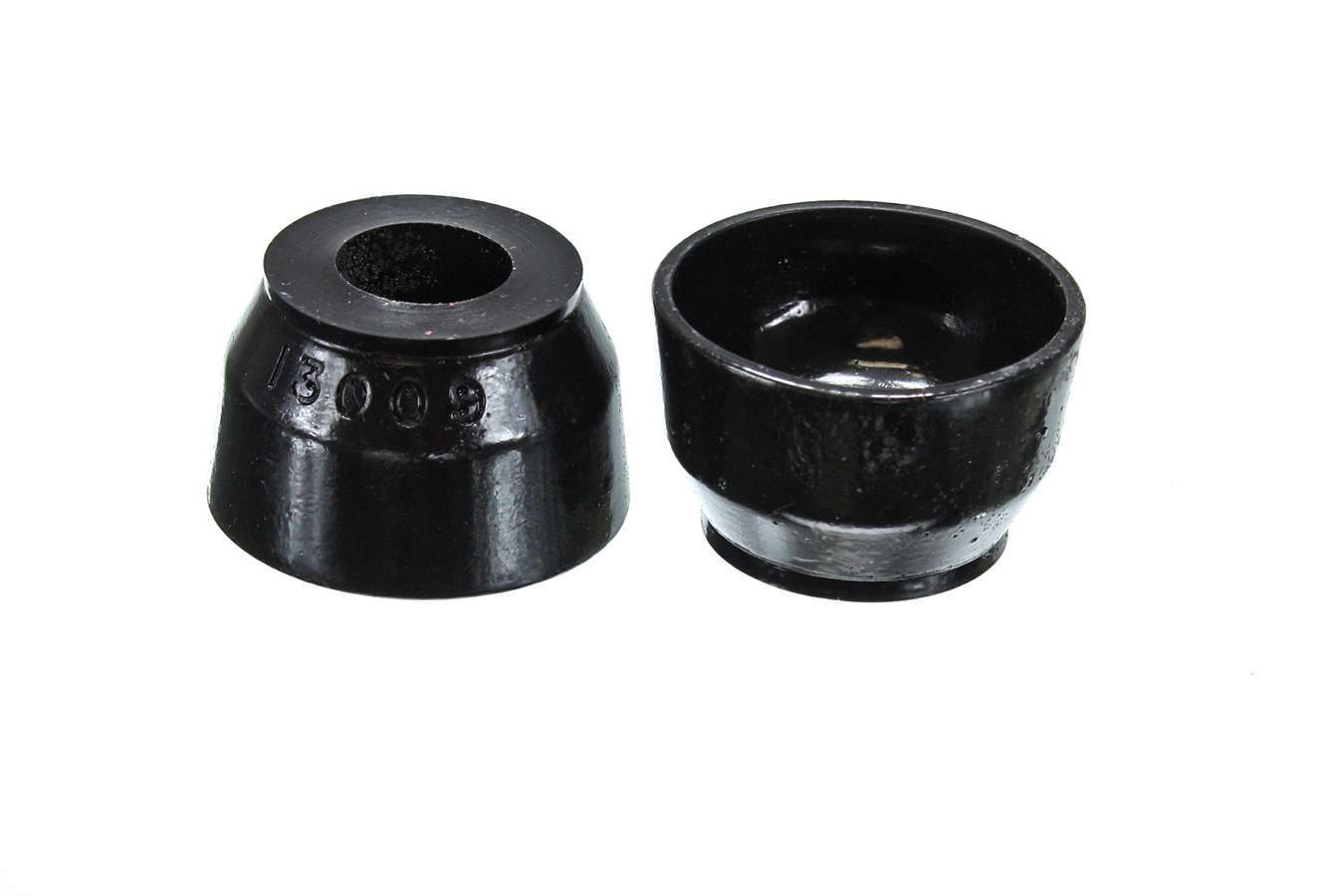
Any time you replace major suspension components like tie rod ends, ball joints (like the ones that use Energy Suspension Black Ball Joint Dust Boot, MPN 9.13130G, for just $5.08), control arms (like a Dorman Control Arm Bushing Front Upper Forward, MPN BC34009PR, for $5.03), or even shocks (such as the Fabtech Stealth Monotube Shock Absorber Rear, MPN FTS6349, at $89.99), you absolutely need an alignment afterward. These parts directly influence the wheel angles. Also, hitting a large pothole, curb, or getting into a minor fender bender can instantly knock your alignment out. Even a seemingly minor impact can bend a tie rod or shift a control arm. I always recommend an alignment check after any significant suspension work or a hard hit to the wheel.
Quick comparison
While these aren't alignment components themselves, these suspension parts are often involved when an alignment is needed due to wear or damage. Replacing worn components before an alignment is key to a lasting adjustment.
| Product Name | Brand | Price | Stock | Key Feature |
|---|---|---|---|---|
| Fabtech Stealth Monotube Shock Absorber Rear for 2007-2018 Jeep Wrangler JK (FTS6349) | Fabtech | $89.99 | 364 | High-performance monotube design |
| Fabtech Stealth Monotube Shock Absorber Rear for 2007-2018 Jeep Wrangler JK (FTS6352) | Fabtech | $94.99 | 370 | High-performance monotube design, slightly different spec |
| Dorman Control Arm Bushing Front Upper Forward | Dorman | $5.03 | 8 | OEM-style replacement for worn bushings |
| Energy Suspension Black Ball Joint Dust Boot | Energy Suspn | $5.08 | 53 | Durable polyurethane protects ball joints |
| Skyjacker Black Shock Boot (B10K) | Skyjacker | $5.04 | 100 | Protects shock shaft from debris |
Top picks
When you're dealing with alignment issues, sometimes it's due to worn out parts. Here are some top picks for common suspension components that affect alignment.
Fabtech Stealth Monotube Shock Absorber Rear for 2007-2018 Jeep Wrangler JK (FTS6349) If you're noticing excessive bouncing or poor ride quality, worn shocks can contribute to unstable handling, making alignment difficult to hold. These Fabtech shocks offer a significant upgrade for specific Jeep Wrangler JK models, improving both ride and stability. You can find them here: Fabtech Stealth Monotube Shock Absorber Rear
Dorman Control Arm Bushing Front Upper Forward Compatible with Select Ford Lincoln Mercury Vehicles (BC34009PR) Worn control arm bushings are a common culprit for alignment problems, causing clunks and excessive play in the suspension. Replacing these can restore proper geometry and tighten up your front end. Find these Dorman bushings here: Dorman Control Arm Bushing
Energy Suspension Black Ball Joint Dust Boot (9.13130G) While not a full ball joint, a torn dust boot lets dirt and water into the joint, accelerating wear. Replacing just the boot can save a good ball joint from premature failure, which would otherwise lead to alignment issues. Keep your ball joints protected with these: Energy Suspension Ball Joint Dust Boot
Top picks
Frequently asked questions
How often should I get a wheel alignment?
Most vehicle manufacturers recommend getting your wheel alignment checked annually or every 10,000 to 15,000 miles. However, you should get it checked sooner if you notice symptoms like uneven tire wear, your car pulling to one side, or a crooked steering wheel when driving straight.
What are the signs that my car needs an alignment?
Key signs include uneven or rapid tire wear, your vehicle pulling to the left or right, a steering wheel that isn't centered when driving straight, or a loose feeling in the steering. Any of these symptoms warrant an immediate alignment check to prevent further issues.
Do I need an alignment after replacing tires?
While not always strictly necessary, it's highly recommended to get an alignment after installing new tires. New tires will quickly show any existing alignment issues through premature wear. An alignment ensures your new tires start their life with correct geometry, maximizing their lifespan and performance.
How long does a wheel alignment take?
A standard wheel alignment typically takes about 30 minutes to an hour. This time can vary depending on the condition of your suspension components and if any adjustments are seized or require extra work. If worn parts need replacing, the total time will increase.
What is the difference between a two-wheel and four-wheel alignment?
A two-wheel alignment only adjusts the front wheels, typically for vehicles with solid rear axles. A four-wheel alignment adjusts all four wheels, which is crucial for modern vehicles with independent rear suspension. Most vehicles today benefit from a four-wheel alignment for optimal handling and tire wear.