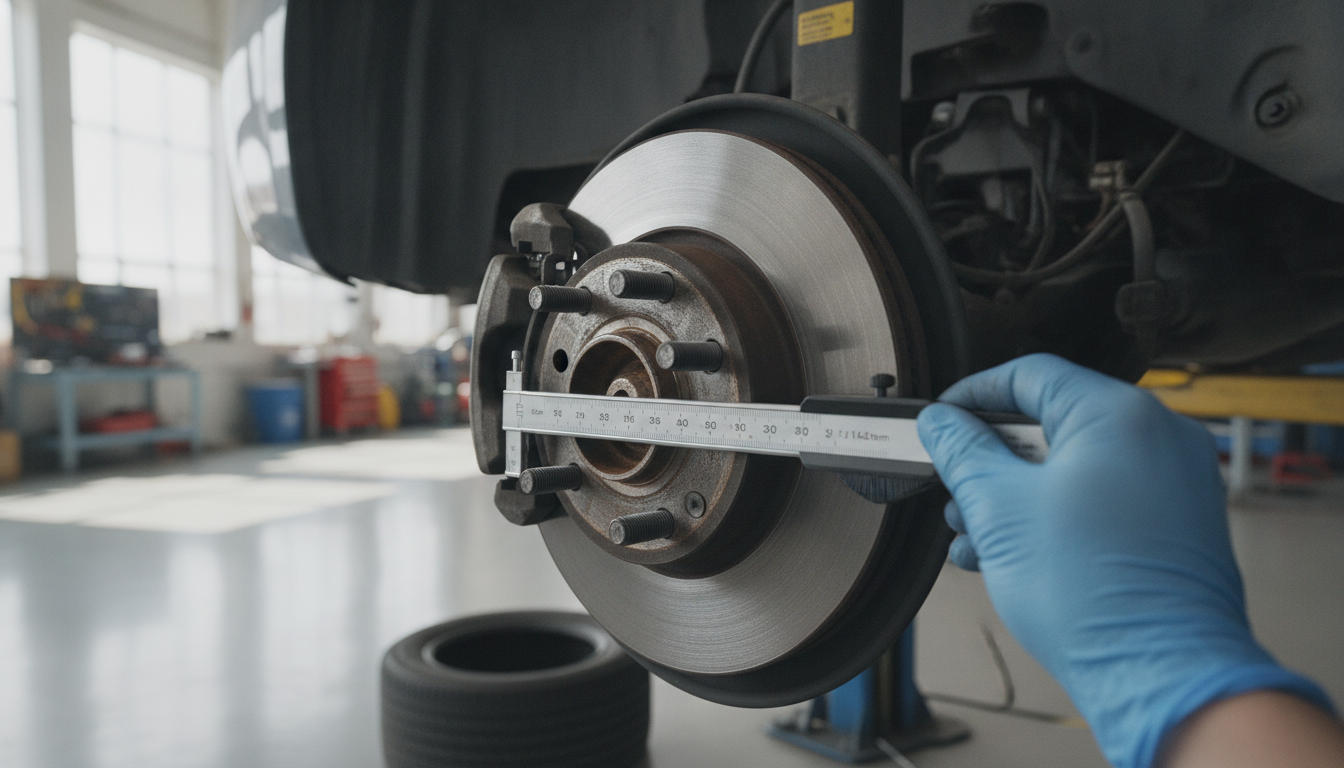
Why this matters for your vehicle
Getting your wheel's bolt pattern right is critical when you're looking for new wheels. It's the difference between a wheel that bolts right up and one that doesn't fit at all. The bolt pattern, often expressed as two numbers like "5x114.3mm" or "6x5.5 inches," tells you how many lug holes there are and the diameter of the circle on which those holes are arranged. This measurement needs to be precise. Even a millimeter or two off can mean the wheel won't seat correctly, leading to vibrations, stress on your wheel studs, or even dangerous wheel separation. You don't want to find out the hard way that your new wheels don't fit because you guessed the bolt pattern.
Before you start: when NOT to DIY
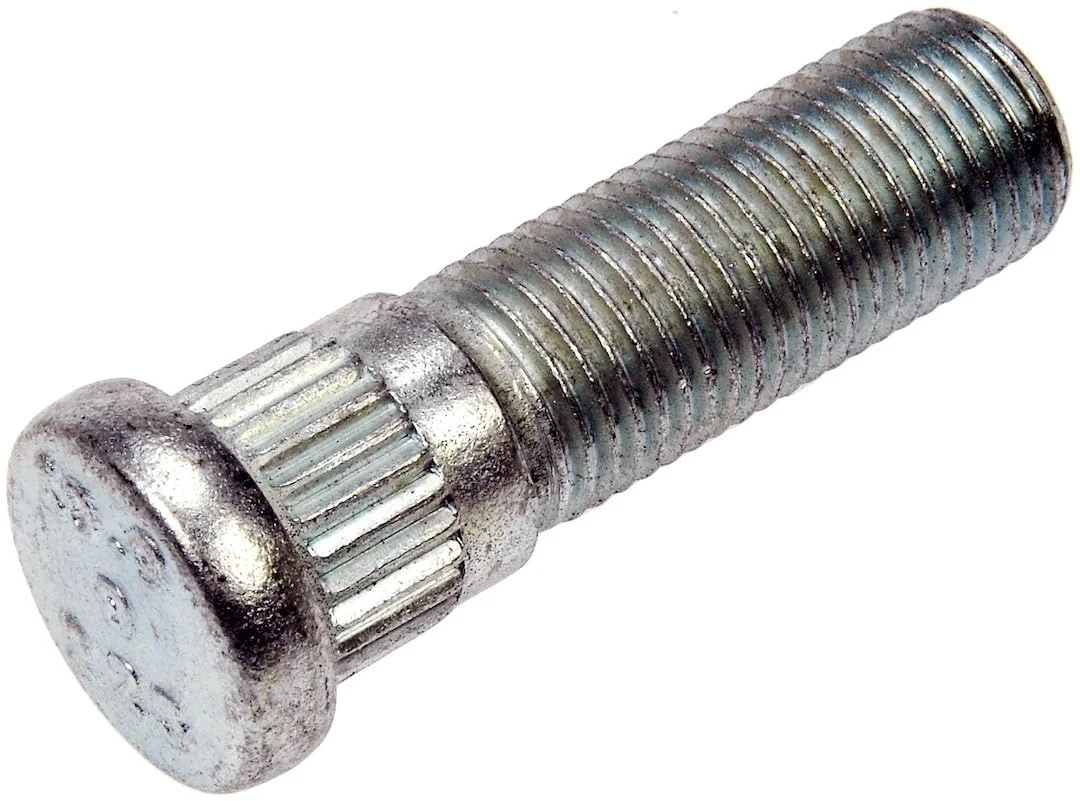
Measuring a bolt pattern is generally a straightforward task, but there are a few situations where you might want to get a second opinion or have a professional handle things. If you're dealing with custom wheels that have non-standard patterns, or if you're unsure about converting between metric and imperial measurements, it's safer to consult a shop. Also, if your existing wheel studs are damaged – maybe they're bent, stripped, or corroded – you'll want to address that before taking any measurements. A damaged stud, like a Dorman Wheel Stud M12-1.50 Thread Serrated Knurl (SKU 364249) at $5.12, can throw off your measurements.
- You're working with extremely rare or custom wheels.
- You're uncomfortable with precise measurements and conversions.
- There's visible damage to your existing wheel studs or hub.
- You don't have the right tools for accurate measurement.
- The vehicle's hub has been modified from its original design.
Step-by-step procedure
Step 1 — Prepare the wheel First things first, you need to get the wheel off the vehicle. Chock the wheels that are staying on the ground, loosen the lug nuts, jack up the vehicle, and place it securely on jack stands. Then, remove the lug nuts and pull the wheel off. Give the hub and the back of the wheel a quick clean with a wire brush if there's a lot of rust or dirt. You want a clear view of the lug holes.
Step 2 — Identify the number of lugs This is the easiest part. Just count how many lug holes or studs are on your wheel or hub. Common patterns are 4-lug, 5-lug, 6-lug, and 8-lug. This number forms the first part of your bolt pattern, like the "5" in "5x114.3mm."
Step 3 — Measure for 4-lug patterns For a 4-lug pattern, measure from the center of one stud directly across to the center of the stud opposite it. This measurement gives you the bolt circle diameter. Take your time with this. I've seen too many guys eyeball it and end up with wheels that don't fit. A precise ruler or caliper is your friend here.
Step 4 — Measure for 5-lug patterns Five-lug patterns are a little trickier because there isn't a stud directly opposite another. You'll need to measure from the back edge of one lug hole (or stud) to the center of an opposing lug hole (or stud). Alternatively, you can measure from the center of one stud to the center of the adjacent stud and use a specific conversion chart to calculate the bolt circle diameter. This is where a good bolt pattern gauge comes in handy, but you can do it with a ruler if you're careful.
Step 5 — Measure for 6-lug patterns Six-lug patterns are similar to 4-lug patterns in that you can measure directly across. Pick any lug hole or stud, and measure from its center straight across to the center of the opposing lug hole or stud. This will give you the bolt circle diameter. Make sure your ruler is perfectly centered and straight.
Step 6 — Measure for 8-lug patterns Like 4-lug and 6-lug, 8-lug patterns are straightforward. Measure from the center of one stud directly across to the center of the stud opposite it. These are usually found on heavy-duty trucks and SUVs. The bolt circle diameter will typically be larger than passenger cars. Just like with other patterns, precision is key.
Step 7 — Note the measurement units Bolt patterns can be measured in millimeters (mm) or inches. Most modern vehicles, especially imports, use metric measurements, while older American vehicles often use inches. For example, a 5x4.5 inch pattern is the same as a 5x114.3mm pattern. Be sure to specify the units when you're looking for new wheels. If you're unsure, measure in both units or use a converter.
Step 8 — Double-check your work Measure at least twice, maybe even three times, to ensure accuracy. It's easy to make a small error, and that small error can lead to a big headache when you try to mount your new wheels. Compare your measurement to common bolt patterns for your vehicle type. If you're getting a weird number, re-measure. I always tell my apprentices: "Measure twice, cut once." Same goes for bolt patterns.
Common mistakes
Here are some common pitfalls to avoid when measuring your bolt pattern:
- Not cleaning the hub and wheel properly before measuring, which can lead to inaccurate readings.
- Forgetting to account for different measurement units, leading to confusion.
- Rushing through the measurement process and making careless errors.
- Not double-checking measurements, which can result in costly mistakes.
Bedding-in the new pads
This article is about measuring bolt patterns, not about brake pads. If you're installing new wheels and tires, there's no bedding-in procedure required for them. However, if you're doing a full brake job along with new wheels, remember to properly bed in your new brake pads. A typical bedding procedure involves 15 to 20 medium-firm stops from 50 mph down to 30 mph, with about 30 seconds of cruising between each stop to allow the brakes to cool. Avoid hard braking during this process. This helps transfer a thin layer of pad material to the rotor, which improves braking performance and reduces the chance of squealing.
How often to replace front brake pads
This article is about measuring bolt patterns, not about brake pads. Wheel bolt patterns don't wear out or need replacement unless they're damaged. However, if you're thinking about other maintenance, brake pads typically last anywhere from 30,000 to 70,000 miles, depending on your driving habits and the type of vehicle. Listen for squealing or grinding noises, feel for vibrations when braking, or notice a reduced braking response – these are all signs it's time to inspect your pads. Regular inspections are key to catching wear before it becomes a safety issue.
Top picks
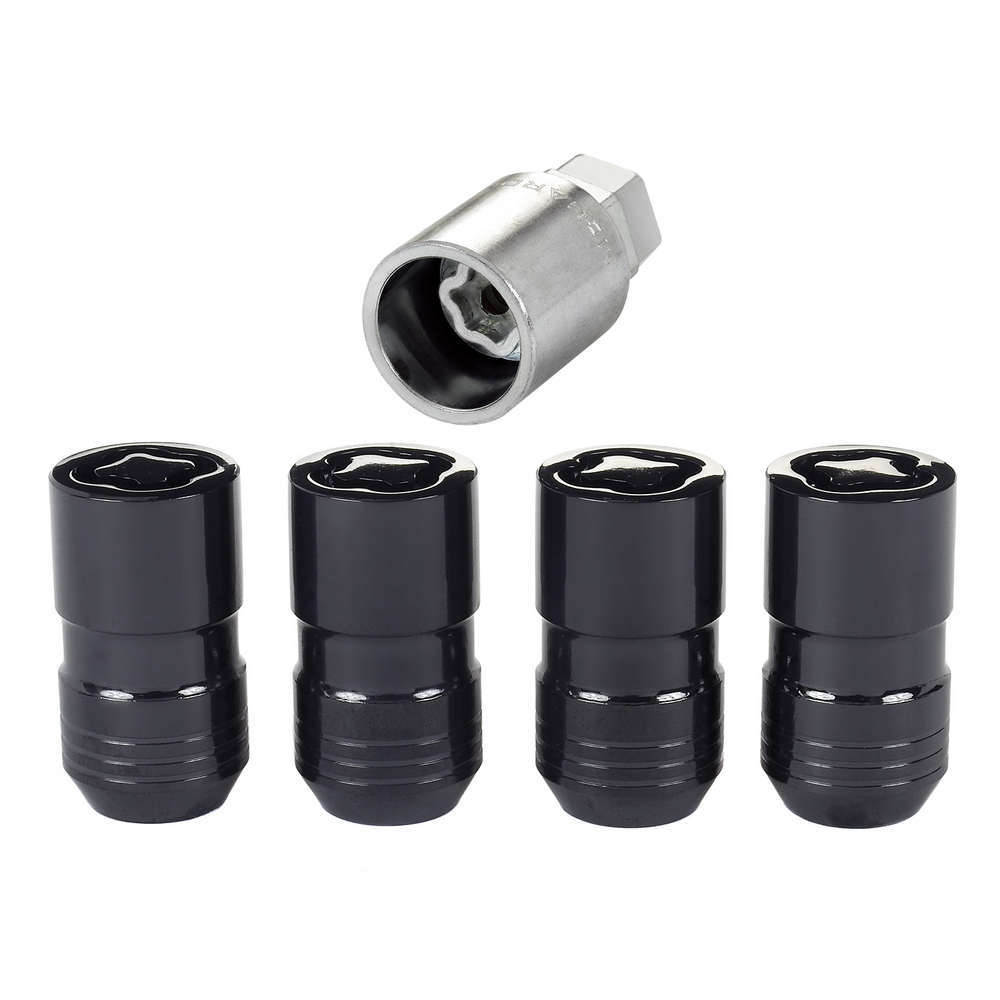
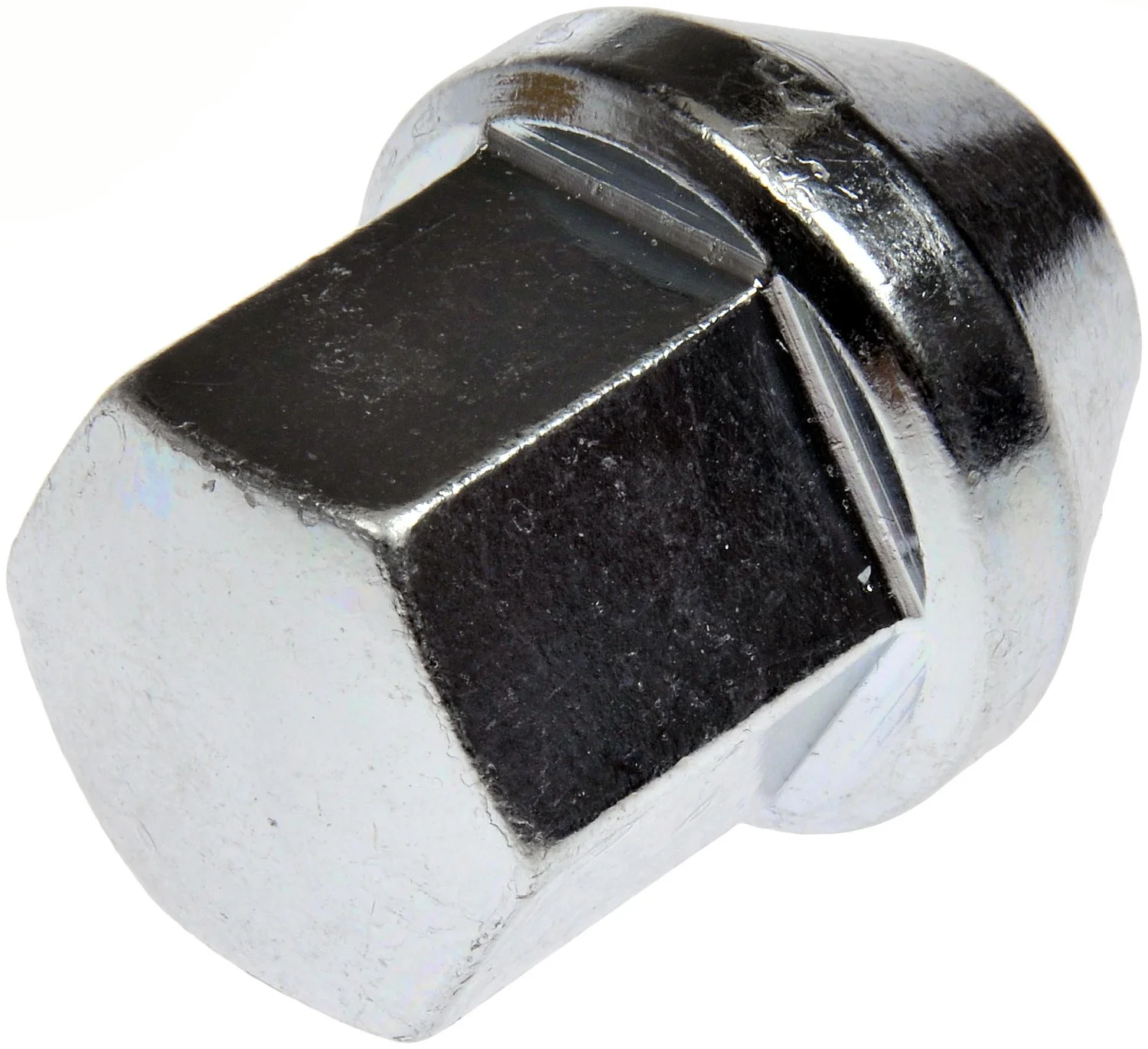
Frequently asked questions
What is a bolt pattern?
A bolt pattern, also known as a lug pattern, describes the number of lug holes on a wheel and the diameter of the imaginary circle that passes through the center of those holes. It's crucial for ensuring new wheels fit your vehicle's hub correctly.
Can I use a wheel with a slightly different bolt pattern?
No, you should never use a wheel with a bolt pattern that's even slightly different. Even a small discrepancy can lead to improper wheel seating, vibrations, accelerated wear on components, and potentially dangerous wheel detachment. Always match the bolt pattern precisely.
Are bolt patterns measured in inches or millimeters?
Bolt patterns can be measured in both inches and millimeters. Many domestic vehicles traditionally use inches (e.g., 5x4.5 inches), while most imports and newer vehicles use millimeters (e.g., 5x114.3mm). It's important to know which unit your vehicle uses and convert if necessary.
What tools do I need to measure a bolt pattern?
The most common tools are a ruler or tape measure for basic measurements. For greater accuracy, especially with odd-numbered lug patterns, a bolt pattern gauge or a set of calipers is highly recommended. These tools ensure you get precise readings for the bolt circle diameter.