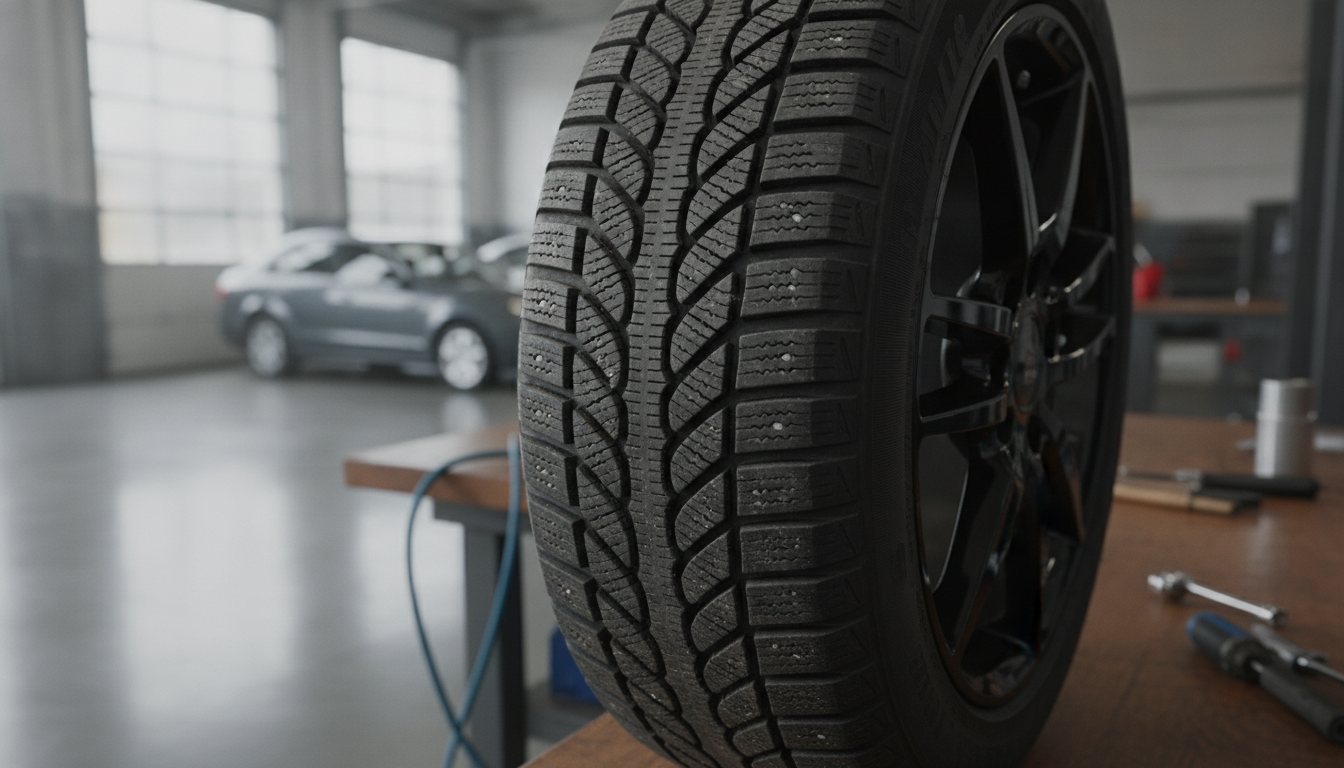
If you've spent any time around tire shops or off-road enthusiasts, you've probably heard the term "tire siping." It's a modification that promises better grip, especially in challenging conditions. But what exactly is it, and does it actually deliver on those promises? Let's break it down.
Siping involves cutting thin, hair-like slits into the tread blocks of a tire. These aren't the main grooves that channel water away; these are much smaller, often zigzag-shaped cuts within the blocks themselves. The idea is to create thousands of additional biting edges. When the tire rolls and the tread block flexes, these sipes open up, grabbing onto slick surfaces like ice, snow, or wet pavement. Think of it like a gecko's foot, but for your tires.
You'll find two main types of siping: factory siping and aftermarket siping. Factory siping is designed into the tire from the get-go. Manufacturers engineer these cuts into the mold, so they're an integral part of the tire's performance characteristics. Aftermarket siping, on the other hand, is done after the tire is manufactured, usually with a special machine that cuts the sipes into existing tread blocks.
What to look for
Factory siping vs. aftermarket siping
This is the first big distinction. Factory-siped tires are engineered with those sipes in mind. The rubber compound, tread block design, and siping pattern all work together. Aftermarket siping is essentially modifying an existing design. While it can add grip, it also changes the structural integrity of the tread block. This might lead to increased tread wear or even chunking in some cases, especially on tires not designed for it. Always check your tire warranty before considering aftermarket siping; some manufacturers will void it.
Driving conditions
Where do you drive most often? If you live in an area with heavy snow, frequent ice, or lots of rain, the added biting edges from siping can make a noticeable difference in traction. For dry, hot climates, the benefits are less clear and might even be detrimental by increasing tread flex and heat, potentially reducing tire life. Siping is primarily about improving grip in low-traction environments.
Tire type and tread depth
Not all tires are good candidates for siping. Winter tires often come heavily siped from the factory because their primary job is to grip in snow and ice. All-season tires might have some factory siping, but often less aggressive. Performance tires, designed for dry grip and high speeds, generally aren't good candidates for aftermarket siping as it can reduce stability and responsiveness. The existing tread depth also matters. Siping shallow tread on a worn tire won't give you much benefit, and it's generally not recommended.
Potential impact on tread life and noise
More biting edges mean more friction, and potentially more heat. While siping can improve grip, it can also accelerate tread wear, especially with aftermarket siping. The increased flexibility of the tread blocks can cause them to scrub more against the road surface. You might also notice a slight increase in road noise, though this is usually minor. It's a trade-off: better grip in some conditions versus potentially shorter tire life.
Quick comparison
| Tire Name | Siping Type (Typical) | Best Use Case | Price (approx.) |
|---|---|---|---|
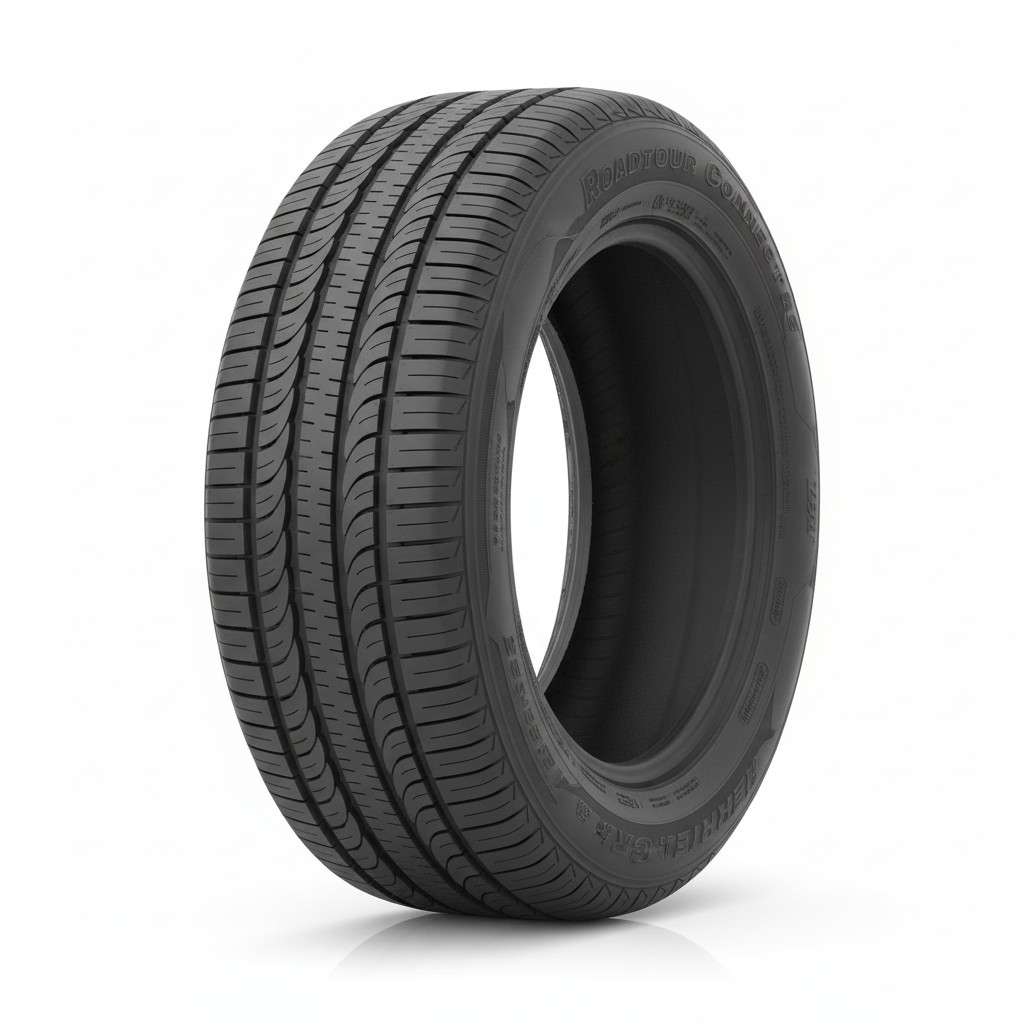
| Hercules Roadtour Connect AS | Factory All-Season | General all-season, light snow | $80.56 |
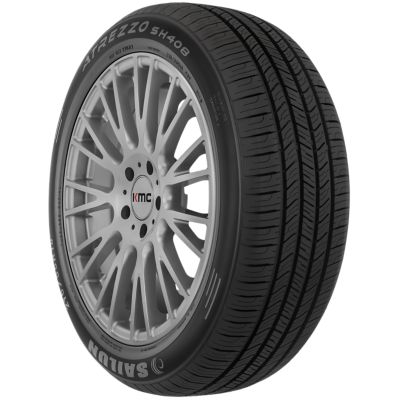
| Sailun Atrezzo SH408 | Factory All-Season | General all-season, light wet | $96.38 - $111.08 |
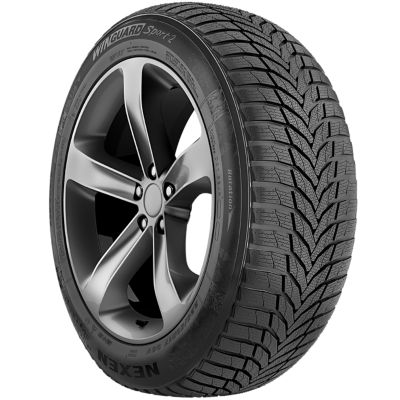
| Nexen Winguard Sport 2 | Factory Winter | Dedicated winter, heavy snow/ice | $123.10 |
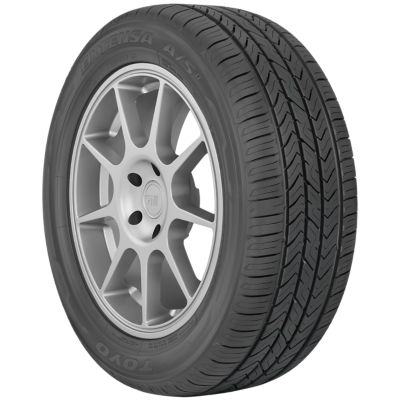
| Toyo Extensa AS II | Factory All-Season | General all-season, good wet | $128.58 |
Top picks
For those looking for good all-around performance with factory siping, the Hercules Roadtour Connect AS All Season Tire 205/65R15 94H Blackwall is a solid choice. It's an all-season tire with a good balance of features, and at $80.56, it's a budget-friendly option with 250 in stock. Its factory siping helps provide reliable grip in varying conditions without the risks of aftermarket modifications.
If you're in a region that sees more challenging winter weather and want a dedicated winter tire with aggressive factory siping, the Nexen Winguard Sport 2 205/55R16 91H is a strong contender. It's designed specifically for cold weather and snow, featuring siping patterns optimized for maximum winter traction. You can pick one up for $123.10, and we have 3,744 in stock.
For a reliable all-season option that balances value and performance, consider the Sailun Atrezzo SH408 225/65R17 102H. These tires, priced at $96.38, offer good wet and dry performance with their factory siping. We've got a massive 25,898 in stock, so availability isn't an issue.
How to verify fitment before buying
Verifying tire fitment is crucial, whether you're buying siped tires or not. The easiest way to do this is to check the tire size currently on your vehicle. You'll find a series of numbers and letters on the sidewall, like "205/65R15 94H." These numbers tell you the tire's width, aspect ratio, construction type, rim diameter, load index, and speed rating. Make sure any new tire you buy matches these specifications, or consult your vehicle's owner's manual for approved alternative sizes.
Online tire retailers, including MyTires4Less.com, typically have a fitment tool where you can input your vehicle's year, make, and model. This tool will then show you a list of tires that are guaranteed to fit your specific vehicle. It's always a good idea to double-check the recommended size against your current tires, especially if you're unsure if the previous owner installed the correct size. If you're unsure, a quick call to a local tire shop can also confirm the correct size for your vehicle.
Top picks
Frequently asked questions
What is tire siping?
Tire siping involves cutting thin, hair-like slits into the tread blocks of a tire. These small cuts create additional biting edges on the tire's surface, which can improve traction and grip, especially on wet, icy, or snowy roads. It's different from the main grooves that channel water.
Does tire siping improve grip?
Yes, tire siping can improve grip, particularly in adverse conditions like rain, snow, and ice. The extra biting edges help the tire grab onto slick surfaces more effectively. However, the degree of improvement depends on the tire type, siping quality, and driving conditions.
What are the downsides of tire siping?
Aftermarket siping can potentially reduce tire tread life due to increased tread block flexibility and heat. It might also void your tire's warranty. Some drivers report a slight increase in road noise, and on dry pavement, siping can sometimes reduce handling stability compared to unsiped tires.
Is factory siping better than aftermarket siping?
Generally, yes. Factory siping is engineered into the tire's design from the start, meaning the rubber compound and tread pattern are optimized to work with the sipes. Aftermarket siping modifies an existing tire, which can alter its intended performance characteristics and potentially lead to faster wear or other issues.