Why this matters for your vehicle
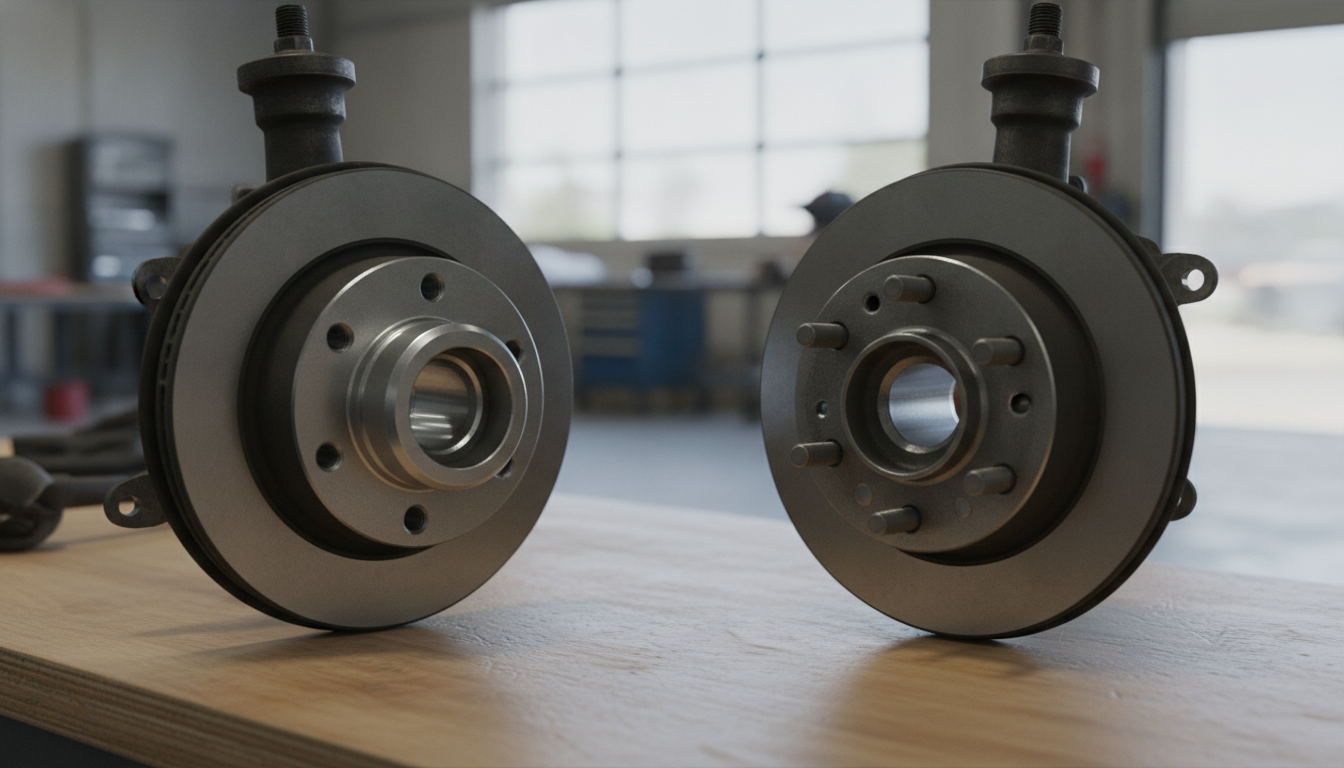
Ever feel a shimmy in the steering wheel or a vibration through the seat after getting new wheels or even just a tire rotation? It's a common complaint, and often, the root cause isn't a bad tire balance. It comes down to how your wheels are actually centering on the vehicle's hub. There are two main ways wheels get centered: hub-centric and lug-centric. Understanding the difference is key to diagnosing and preventing those annoying vibrations. When a wheel isn't perfectly centered, even by a hair, it creates an imbalance that you feel as vibration, especially at certain speeds. This isn't just uncomfortable; it can lead to premature wear on suspension components and even affect braking performance over time.
Most modern vehicles come from the factory with hub-centric wheels. This design relies on a precise fit between the wheel's center bore and the vehicle's hub. Think of it like a puzzle piece: the hub slides snugly into the wheel's bore, ensuring perfect alignment. Aftermarket wheels, however, often have a larger center bore to fit a wider range of vehicles. This is where hub rings come into play, filling that gap to make an aftermarket wheel hub-centric. Without them, you're relying solely on the lug nuts to center the wheel, which is where things can go wrong.
Before you start: when NOT to DIY
While understanding wheel centering is crucial, there are times when you should leave the diagnosis and repair to a professional shop. If you've already tried re-torquing your wheels, checking for proper hub ring installation, and you still have a persistent vibration, it's time to get it checked. Sometimes, what feels like a wheel balance issue can be something more serious. Don't try to DIY if:
- The vibration is accompanied by strange noises, like grinding or clunking.
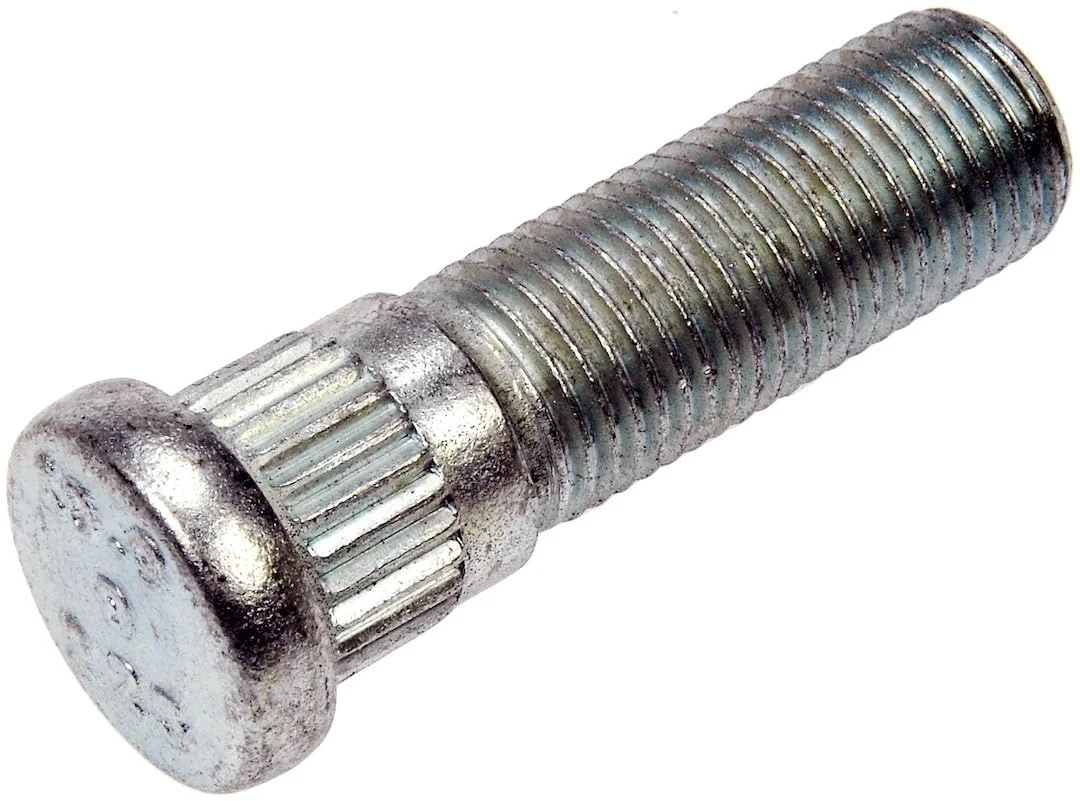
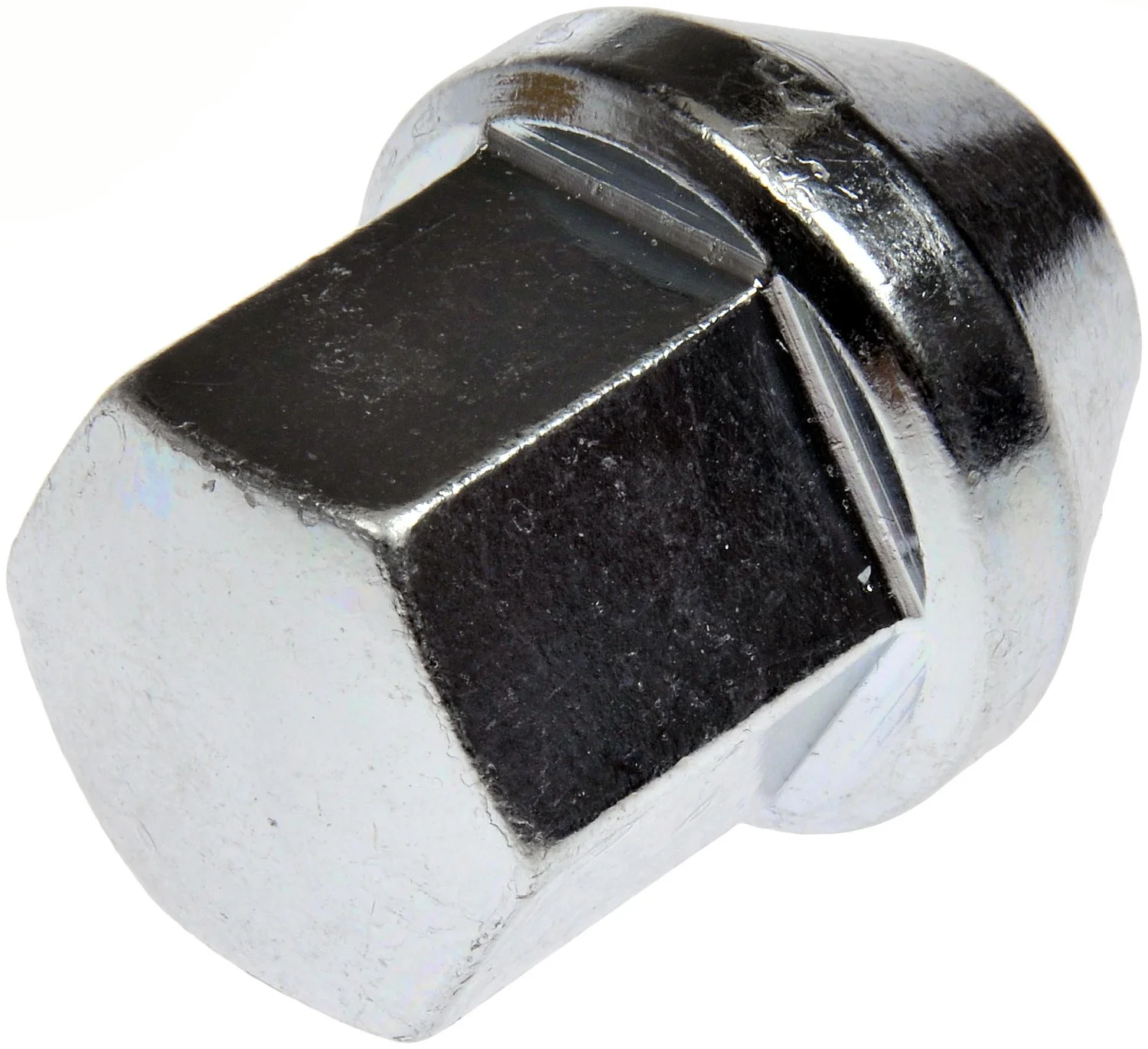
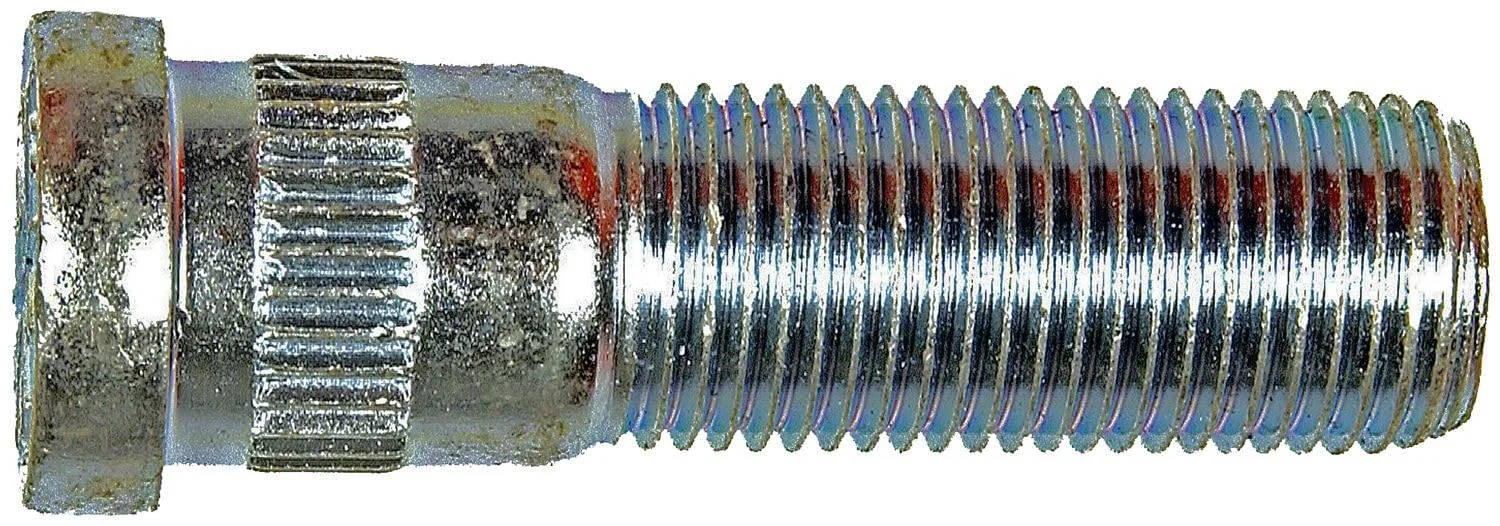
- You suspect damage to your wheel studs or lug nuts (like a Dorman Wheel Stud M12-1.50 Thread Serrated Knurl, part number 364249, or a Dorman Stainless Steel Capped Wheel Lug Nut, part number 364404, being stripped).
- The vibration changes significantly with braking, which could indicate warped rotors or caliper issues.
- You've hit a major pothole or curb recently and suspect structural damage to the wheel or suspension.
- You don't have the proper tools, especially a torque wrench, to ensure correct lug nut tightening.
Step-by-step procedure
Step 1 — Understand hub-centric vs. lug-centric Hub-centric wheels are designed to center on the vehicle's hub. The center bore of the wheel matches the diameter of the hub, taking the load and ensuring perfect concentricity. Lug-centric wheels, on the other hand, rely on the tapered seat of the lug nuts to center the wheel on the studs. While many aftermarket wheels are made with a larger bore to fit multiple vehicles, they become effectively lug-centric if you don't use hub rings. This larger bore, if not filled, means the wheel can shift slightly, causing vibration.
Step 2 — Inspect your wheels and hubs With the vehicle safely on jack stands and wheels removed, take a close look at your hubs and the back of your wheels. Check for any rust, dirt, or debris on the hub face or in the wheel's center bore. Even small amounts of corrosion can prevent a wheel from seating flush, leading to vibration. Clean these surfaces thoroughly with a wire brush and brake cleaner. Make sure the hub's pilot lip, the part that fits into the wheel's center bore, is clean and undamaged. I always clean the hub face and wheel mating surfaces on every tire rotation I do — it prevents so many comebacks for vibration complaints.
Step 3 — Check for hub rings If you have aftermarket wheels, look for hub rings. These are plastic or metal rings that fit into the larger center bore of the aftermarket wheel and reduce its effective diameter to match your vehicle's hub. If they're missing, damaged, or the wrong size, you'll have a lug-centric setup trying to act like a hub-centric one, and that's a recipe for vibration. Ensure they fit snugly both in the wheel and around the hub. If you need new ones, make sure to get the correct inner and outer diameters for your specific vehicle and wheels.
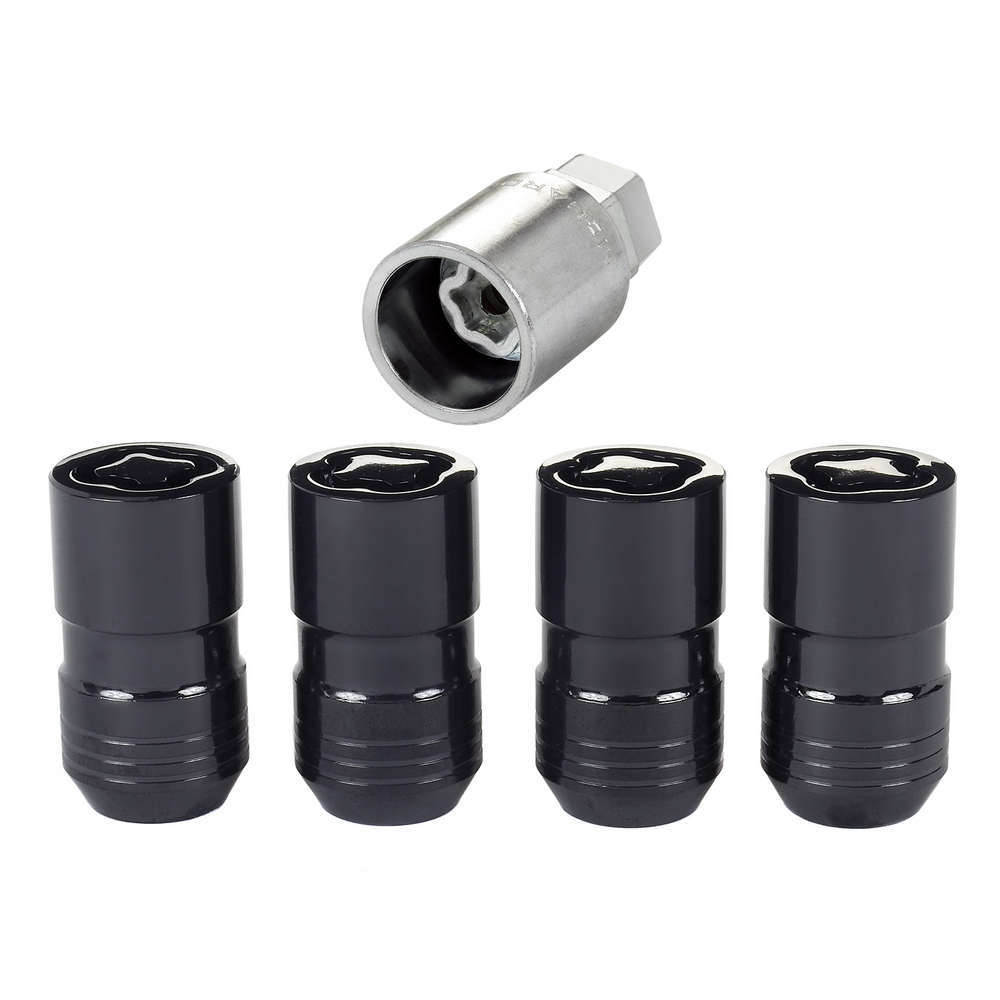
Step 4 — Inspect lug nuts and studs Examine your lug nuts and wheel studs for any damage. Stripped threads, worn tapers on the lug nuts (like a Mcgard Black Cone Seat Wheel Lock Set 14mm x 1.50 Thread, part number 392708, with damaged cones), or bent studs can prevent proper seating and centering. If you find any damaged studs, like a Dorman Wheel Bolt, M12-1.50 Thread, part number 364216, replace them immediately. A worn lug nut can't properly center the wheel, even if the wheel is hub-centric.
Step 5 — Mount the wheel Carefully place the wheel back onto the studs. If it's a hub-centric wheel or you're using hub rings, the wheel should slide smoothly onto the hub, with the center bore fitting snugly over the hub's pilot lip. If it's a tight fit, that's good. If it's loose, or you don't have hub rings with aftermarket wheels, you'll need to be extra careful in the next step to ensure it's centered.
Step 6 — Hand-tighten lug nuts Install all lug nuts by hand. Spin them on until they're finger-tight. This is a critical step to ensure you don't cross-thread them. For lug-centric wheels or aftermarket wheels without hub rings, this is where you start to center the wheel. Wiggle the wheel slightly as you tighten the nuts by hand to help it find its center.
Step 7 — Snug up lug nuts in a star pattern Using a wrench, snug up the lug nuts in a star or criss-cross pattern. This helps to evenly distribute the pressure and pull the wheel flush against the hub. Don't fully tighten them yet; just get them snug so the wheel is held in place. For example, if you have five lug nuts, tighten one, then skip two and tighten the third, then skip two and tighten the fifth, and so on.
Step 8 — Lower the vehicle and torque to spec Once all lug nuts are snug, lower the vehicle until the tires just touch the ground, but the full weight isn't on them. This prevents the wheel from spinning while you apply final torque. Now, using a calibrated torque wrench, tighten each lug nut to the manufacturer's specified torque. Again, follow the star pattern. This is crucial for proper wheel seating and preventing vibration. Consult your service manual for the exact torque specification for your vehicle. Over-tightening or under-tightening can both cause problems. After a short drive, re-torque the lug nuts to ensure they haven't loosened.
Common mistakes to avoid
When dealing with wheel installation and centering, it's easy to overlook some critical details. Here are a few common mistakes:
- Skipping hub ring installation: Always check if hub rings are needed for your aftermarket wheels. Not using them can lead to vibrations.
- Improper torque application: Failing to torque lug nuts in a star pattern can cause uneven pressure and misalignment.
- Neglecting to inspect wheel surfaces: Dirt or rust on the hub or wheel can prevent proper seating, leading to vibrations.
- Ignoring signs of damage: If you notice any damage to lug nuts or studs, replace them immediately to avoid further issues.
FAQ
- What is the main difference between hub-centric and lug-centric wheels? Hub-centric wheels center on the vehicle's hub, with the wheel's center bore fitting snugly over the hub's pilot lip. Lug-centric wheels rely on the tapered seats of the lug nuts to center the wheel on the studs, often seen with aftermarket wheels that have a larger center bore.
- Why do I get vibrations with aftermarket wheels? Aftermarket wheels often have a larger center bore to fit various vehicles. If this gap isn't filled with a properly sized hub ring, the wheel becomes lug-centric, relying solely on the lug nuts for centering. This can lead to slight misalignment and vibrations, especially at highway speeds.
- What are hub rings and why are they important? Hub rings are plastic or metal rings that bridge the gap between an aftermarket wheel's larger center bore and a vehicle's smaller hub. They ensure the wheel is perfectly centered on the hub, preventing vibrations and reducing stress on the lug studs and nuts.
- Can incorrect lug nut torque cause vibration? Absolutely. Incorrect lug nut torque, whether too loose or too tight, can prevent the wheel from seating flush against the hub or cause uneven pressure. This can lead to the wheel being slightly off-center, resulting in noticeable vibrations.
- How can I tell if my vibration is from a wheel centering issue or something else? If the vibration started after a wheel installation, tire rotation, or new wheels, it's likely a centering issue. If it's accompanied by grinding noises, changes with braking, or occurred after hitting a pothole, it could be a more serious suspension, brake, or wheel damage problem requiring professional diagnosis.
Top picks
Frequently asked questions
What is the main difference between hub-centric and lug-centric wheels?
Hub-centric wheels center on the vehicle's hub, with the wheel's center bore fitting snugly over the hub's pilot lip. Lug-centric wheels rely on the tapered seats of the lug nuts to center the wheel on the studs, often seen with aftermarket wheels that have a larger center bore.
Why do I get vibrations with aftermarket wheels?
Aftermarket wheels often have a larger center bore to fit various vehicles. If this gap isn't filled with a properly sized hub ring, the wheel becomes lug-centric, relying solely on the lug nuts for centering. This can lead to slight misalignment and vibrations, especially at highway speeds.
What are hub rings and why are they important?
Hub rings are plastic or metal rings that bridge the gap between an aftermarket wheel's larger center bore and a vehicle's smaller hub. They ensure the wheel is perfectly centered on the hub, preventing vibrations and reducing stress on the lug studs and nuts.
Can incorrect lug nut torque cause vibration?
Absolutely. Incorrect lug nut torque, whether too loose or too tight, can prevent the wheel from seating flush against the hub or cause uneven pressure. This can lead to the wheel being slightly off-center, resulting in noticeable vibrations.
How can I tell if my vibration is from a wheel centering issue or something else?
If the vibration started after a wheel installation, tire rotation, or new wheels, it's likely a centering issue. If it's accompanied by grinding noises, changes with braking, or occurred after hitting a pothole, it could be a more serious suspension, brake, or wheel damage problem requiring professional diagnosis.