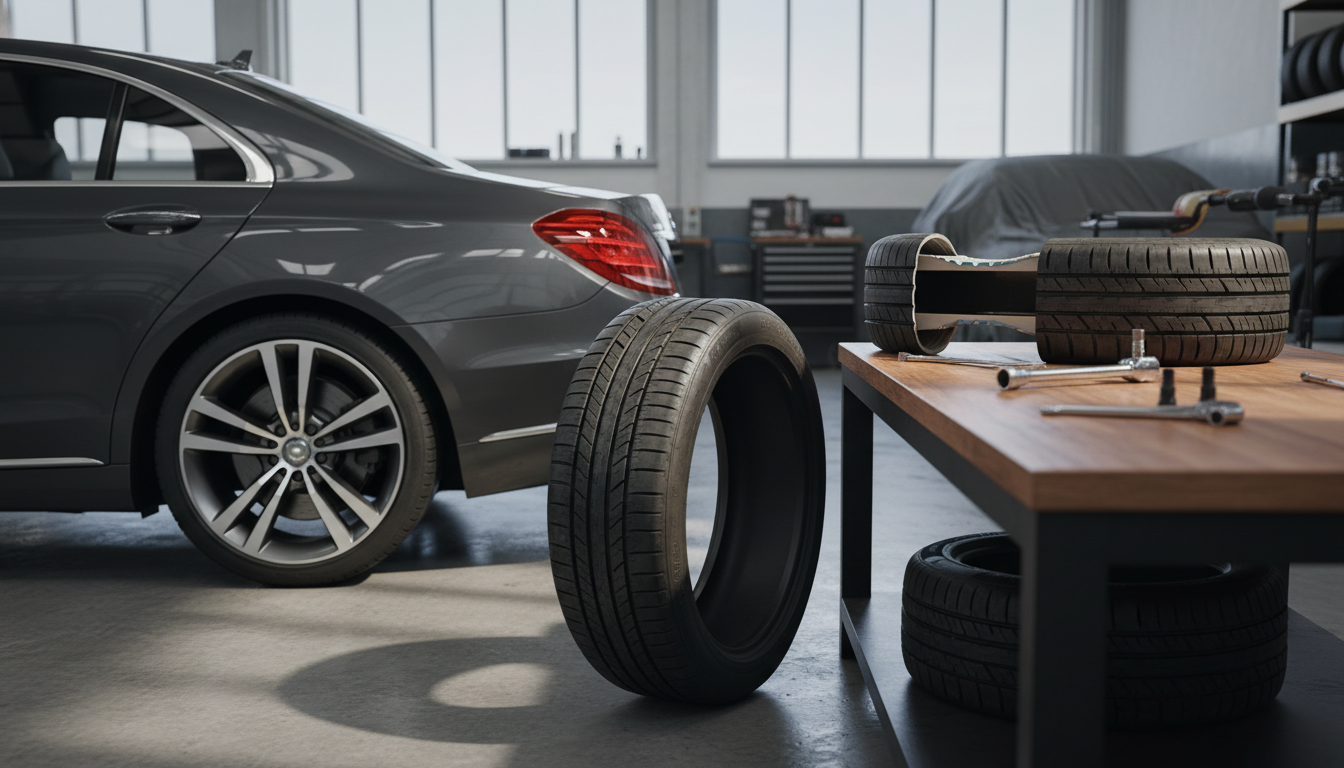
Alright, let's talk tires. Specifically, the whole run-flat versus regular tire debate. For a lot of folks, their first experience with run-flats is when they get a new car and realize there's no spare in the trunk. That's usually when the questions start. Run-flat tires are designed to keep you moving after a puncture, at least for a limited distance and speed. Regular tires, well, you know the drill there: get a flat, pull over, and change it or call for help.
There are definite upsides and downsides to both, and what's right for you depends on your driving habits, priorities, and what your vehicle was originally designed for. We'll break down the differences, what to look for, and what to consider if you're thinking about making a switch.
What to look for
When you're comparing run-flat tires with conventional tires, there are several key factors that come into play. It's not just about getting from point A to point B; it's about safety, cost, ride quality, and convenience.
Ride comfort and noise
Run-flat tires have significantly stiffer sidewalls. This reinforcement is what allows them to support the vehicle's weight even with no air pressure. The trade-off? A noticeably firmer ride. You'll feel more of the road imperfections, and they can sometimes be a bit noisier than a comparable regular tire. If you prioritize a plush, quiet ride, regular tires usually win here. Modern run-flats have improved, but that stiff sidewall characteristic is still there.
Durability and repairability
This is where things get tricky. While run-flats are designed to be driven when flat, that doesn't mean they're indestructible. Once a run-flat has been driven flat, even for a short distance, the internal structure can be compromised by heat and stress. Many manufacturers and tire shops will tell you that a run-flat tire cannot be safely repaired after it's been driven without air. It's a liability issue. Regular tires, on the other hand, are often repairable for punctures within the tread area, saving you from a full replacement. This is a big difference in the long run.
Cost of ownership
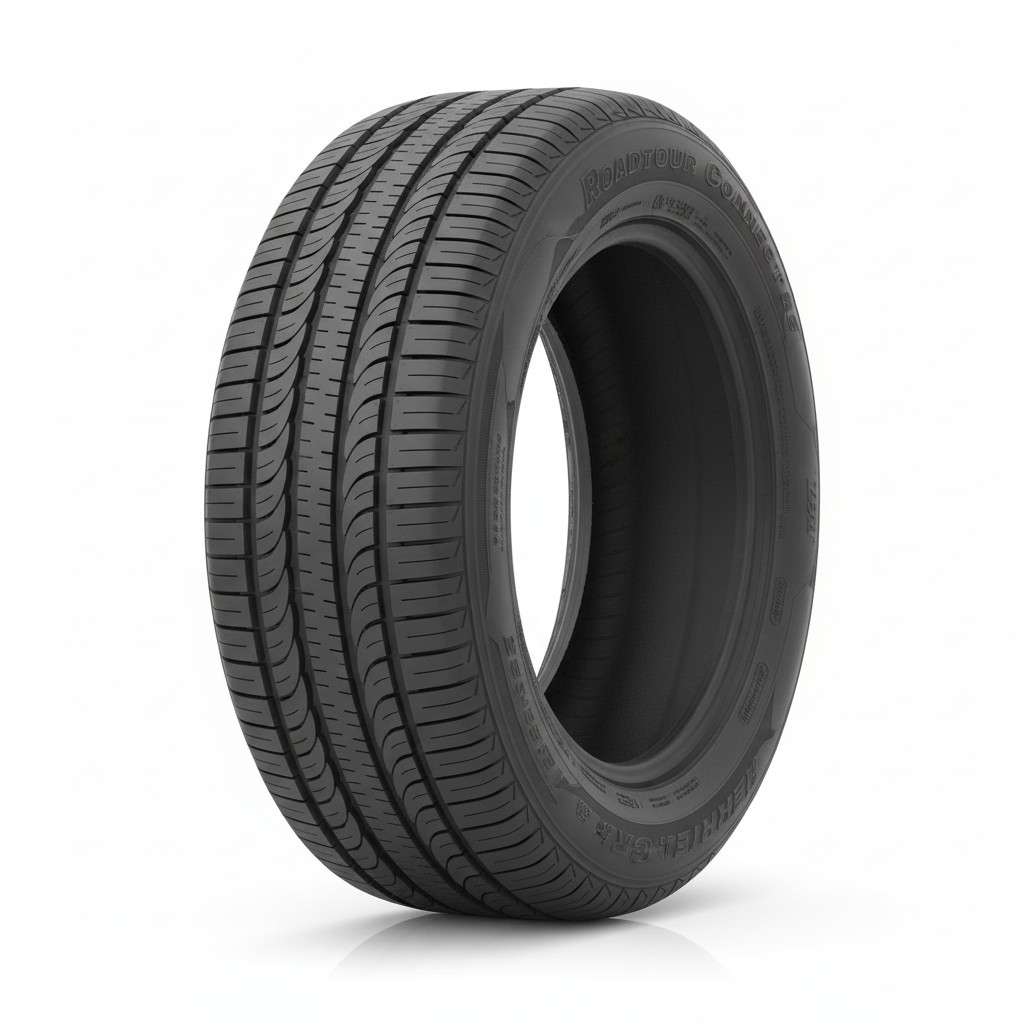
Generally, run-flat tires are more expensive to purchase than their conventional counterparts. This higher initial cost, combined with the often non-repairable nature of a punctured run-flat, can lead to a higher overall cost of ownership. For example, a Hercules Roadtour Connect AS All Season Tire 205/65R15 94H Blackwall is available for just $80.56, with 250 in stock. Compare that to many run-flat options that can easily be 50-100% more per tire. If you have a few flats over the life of your vehicle, those run-flat replacement costs can add up fast.
Performance characteristics
Beyond ride comfort, the stiffer sidewalls of run-flats can affect handling. Some drivers prefer the more direct steering response they offer, feeling a more connected road feel. Others find them less forgiving. In terms of grip and braking, modern run-flats perform very similarly to regular tires of the same category. The main performance difference you'll notice is the ride quality and how the car reacts to bumps.
Availability of a spare tire
Many vehicles equipped with run-flat tires from the factory do not come with a spare tire or a jack. This is a primary reason manufacturers use them – it saves weight and space, which can improve fuel economy and allow for more trunk room. If you decide to switch to regular tires, you'll need to figure out a solution for a spare. This might mean buying a full-size spare, a space-saver spare, a jack, and a lug wrench. Don't forget to check if there's even a spot in your car for a spare.
Quick comparison
Here's a quick look at some popular conventional tires we carry, giving you an idea of what's out there if you're considering a switch from run-flats, or just looking for a solid conventional option.
| Tire Name | Size | Price | Stock | Value Score | Quality Score |
|---|---|---|---|---|---|
| Hercules Roadtour Connect AS All Season Tire | 205/65R15 94H | $80.56 | 250 | 91 | 78 |
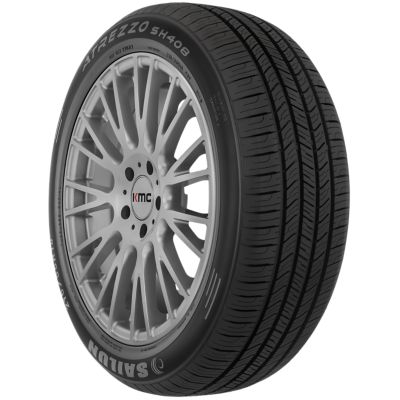
| Sailun Atrezzo SH408 | 225/60R17 99H | $92.20 | 12095 | 90 | 77 |
| Sailun Atrezzo SH408 | 225/65R17 102H | $93.17 | 26175 | 88 | 72 |
| Nexen N Priz AH5 | 215/55R17 94H | $118.82 | 4951 | 76 | 78 |
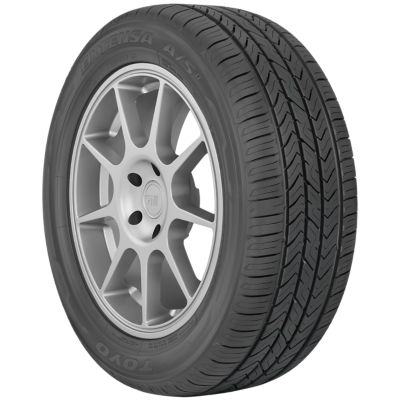
| Toyo Extensa AS II | 205/55R16 91H | $122.14 | 1431 | 78 | 88 |
Top picks
When you're looking for a good all-around conventional tire, there are plenty of choices that offer a balance of performance, comfort, and value. Here are a few solid options from our inventory:
-
Hercules Roadtour Connect AS All Season Tire 205/65R15 94H Blackwall: This Hercules tire is a great entry-level option for everyday driving. At $80.56 and 250 in stock, it's a budget-friendly choice with a good value score of 91. It delivers reliable all-season performance for a variety of vehicles.
-
Sailun Atrezzo SH408 225/60R17 99H: The Sailun Atrezzo SH408 offers a strong balance of performance and affordability. With 12095 in stock at $92.20, it's a popular choice for many sedans and crossovers. It consistently scores high for value and offers decent quality for the price point.
-
Toyo Extensa AS II 205/55R16 91H: If you're willing to spend a bit more for a step up in quality, the Toyo Extensa AS II is a fantastic option. Priced at $122.14 and with 1431 in stock, it boasts an impressive quality score of 88 and strong durability. Toyo tires are known for their consistent performance and longevity.
How to verify fitment before buying
Getting the right tire size is critical. It's not just about getting the tire on the wheel; it's about maintaining your vehicle's safety, handling, and speedometer accuracy. Here's how you check:
- Check your existing tires: Look at the sidewall of your current tires. You'll see a series of numbers and letters, like "P225/60R17 99H". This is your tire size. The "P" stands for passenger, "225" is the tread width in millimeters, "60" is the aspect ratio (sidewall height as a percentage of width), "R" means radial construction, "17" is the rim diameter in inches, "99" is the load index, and "H" is the speed rating.
- Look at the driver's side door jamb: Most vehicles have a sticker on the driver's side door jamb (or sometimes inside the glove box or fuel filler door) that lists the recommended tire size, along with the correct tire pressure.
- Consult your owner's manual: Your vehicle's owner's manual will always have the correct tire specifications. This is the source of truth for your specific vehicle.
When buying new tires, always match these numbers exactly. If you're thinking about changing sizes, like going to a wider tire or a different rim diameter, you need to do your homework. This can affect speedometer readings, suspension clearance, and even your vehicle's ABS and traction control systems. It's usually best to stick with the factory-recommended sizes unless you really know what you're doing or are working with a professional who specializes in custom setups. Don't just guess; verify it. A tire that's slightly off can cause weird handling issues or even be unsafe. I've seen plenty of folks try to put too wide a tire on a rim, and it just doesn't seat right, or it rubs the suspension components. Not good.
Remember, if you're switching from run-flats to regular tires, ensure the load index and speed rating are appropriate for your vehicle. You can't just throw any regular tire on there. The vehicle's weight and intended performance still need to be accounted for. Always double-check everything before you commit to a purchase.
Top picks
Frequently asked questions
Can I replace run-flat tires with regular tires?
Yes, you can replace run-flat tires with regular tires, but you'll need to purchase a spare tire, a jack, and a lug wrench. Vehicles originally equipped with run-flats often lack these items, as the run-flat technology removes the immediate need for them. Ensure your chosen regular tires meet your vehicle's load and speed ratings.
Are run-flat tires more expensive than regular tires?
Generally, run-flat tires are more expensive than comparable regular tires. The specialized construction with reinforced sidewalls adds to their manufacturing cost. This higher initial purchase price, combined with their often non-repairable nature after a puncture, can lead to a higher overall cost of ownership compared to conventional tires.
How far can you drive on a flat run-flat tire?
Most run-flat tires allow you to drive for about 50 miles (80 kilometers) at a maximum speed of 50 mph (80 km/h) after a puncture. This range and speed are designed to get you to a service center safely, not to continue your journey indefinitely. Always consult your tire's specific manufacturer guidelines for exact limits.
Do run-flat tires offer a different ride quality?
Yes, run-flat tires typically offer a firmer ride quality compared to regular tires. Their reinforced sidewalls, necessary for supporting the vehicle when flat, make them less flexible. This can result in feeling more road imperfections and sometimes lead to increased road noise. Modern run-flats have improved, but the difference is usually noticeable.