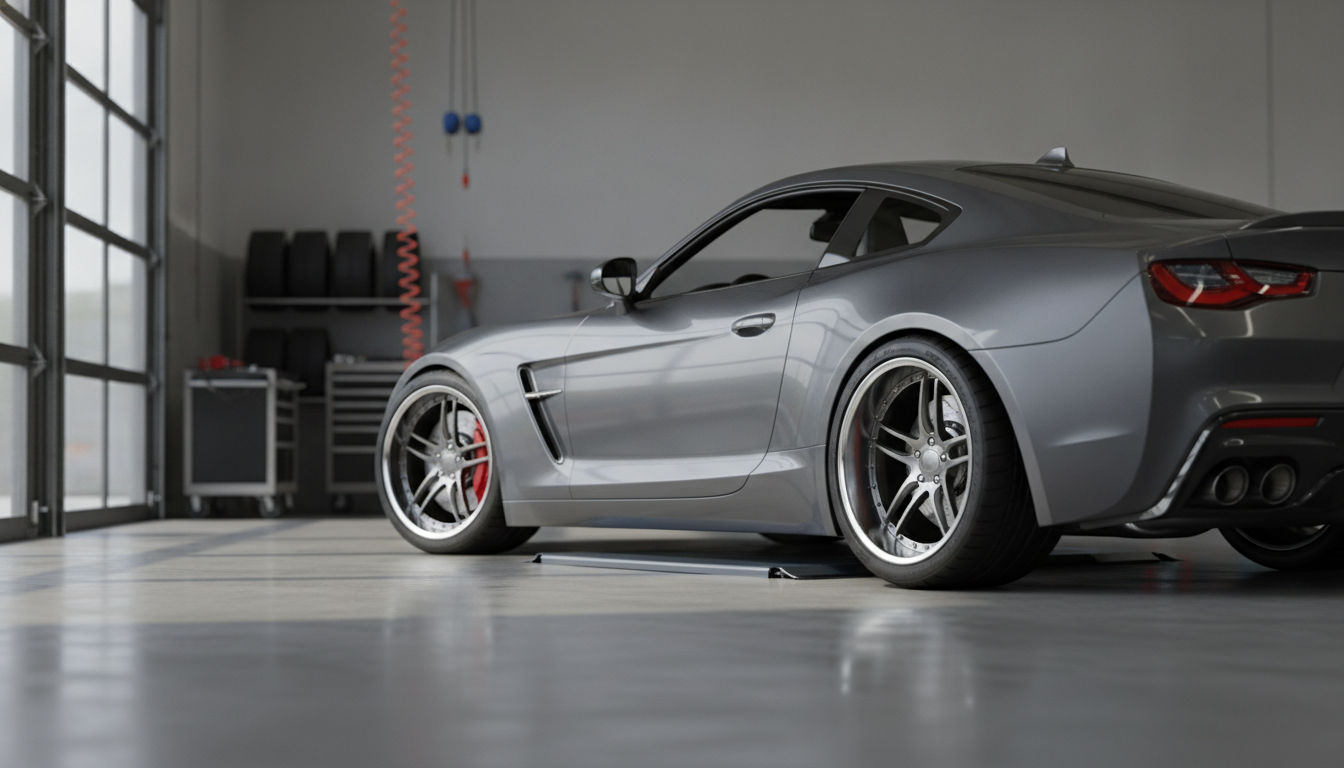
A staggered wheel setup means you've got different sized wheels and tires on the front and rear axles of your ride. Most commonly, the rear wheels and tires are wider than the front ones. This isn't just for looks, though it definitely changes the stance of a vehicle. It's usually done to improve performance, especially in high-horsepower, rear-wheel-drive cars.
Think about a muscle car or a sports car. When you stomp on the gas, the weight shifts to the rear. Wider tires back there mean more rubber on the road, which translates to better grip for launching hard. For cornering, wider front tires can help with steering response, while wider rears maintain traction through the turn. But, like anything else, there are trade-offs.
What to look for
When you're thinking about a staggered setup, you need to consider a few key things beyond just aesthetics. It's not just about bolting on bigger wheels; there's a science to getting it right.
Vehicle type and drivetrain
First, what kind of vehicle do you have? Staggered setups are most common and most effective on rear-wheel-drive (RWD) performance cars. The wider rear tires help put power down. On an all-wheel-drive (AWD) or four-wheel-drive (4WD) vehicle, a staggered setup can actually cause issues with the drivetrain. Different tire diameters front to rear can confuse the AWD system, leading to premature wear on differentials and transfer cases. Some AWD vehicles are designed for a slight stagger, but it's usually minimal and factory-specified. Front-wheel-drive (FWD) cars rarely benefit from a staggered setup; in fact, it can make handling worse by adding unsprung weight to the non-driven wheels without a traction benefit.
Tire size and aspect ratio
This is where things get tricky. You're not just picking a wider tire; you're also looking at the overall diameter. For most vehicles, you want the overall rolling diameter of the front and rear tires to be as close as possible, especially on AWD vehicles. Even a small difference can cause problems. The aspect ratio (the second number in a tire size, like 245/40R18) will change as the width changes to maintain that diameter. You might have a 245/40R18 on the front and a 275/35R18 on the rear. The wider 275 tire has a lower aspect ratio to keep the overall height similar to the 245. Getting this wrong can throw off your speedometer, ABS, and traction control systems.
Wheel offset and backspacing
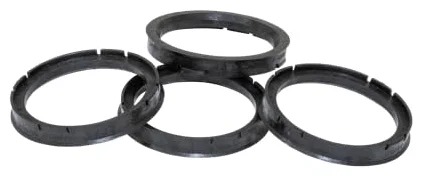
Wheel offset is crucial. It's the distance from the mounting surface of the wheel to the centerline of the wheel. A lower or more aggressive offset pushes the wheel further out from the hub. With wider wheels, you need to make sure they don't rub on your fenders or suspension components. Backspacing is related; it's the distance from the mounting surface to the inner edge of the wheel. Too much backspacing, and the tire could hit your suspension. Too little, and it'll stick out too far. This is where a lot of people mess up. You want the tire to sit flush with the fender, or slightly tucked, without any interference. Sometimes you'll need hub-centric rings, like the Gorilla Hub Centric Rings 66mm OD x 56.15mm ID Set of 4, to ensure the wheel is perfectly centered on the hub and not just relying on the lug nuts.
Suspension and alignment considerations
Changing wheel and tire sizes can affect your suspension geometry. Wider tires might require more negative camber to fit, which means the top of the tire leans inward. This can improve cornering grip but will also increase inner tire wear. You might need to adjust your alignment settings after installing a staggered setup to get the most out of it and prevent uneven tire wear. If you're running really aggressive widths or offsets, you might even need to roll your fender lips to prevent rubbing, especially under compression or when turning.
Tire rotation limitations
This is the big one for staggered setups. You can't do a traditional front-to-rear tire rotation. If your front and rear tires are different sizes, they can only be rotated side-to-side on their respective axles. This means the tires on your drive axle (usually the rear on performance cars) will wear out faster because they're always in the same position, handling all the acceleration and braking forces. You'll be buying new rear tires more frequently than front tires. It's just a fact of life with a staggered setup.
Quick comparison
Here's a quick look at some wheel-related hardware that might come into play with a staggered setup, although none of these are specific to staggered wheels, they're all part of the wheel system:
| Product Name | Brand | Retail Price | Stock | Use Case |
|---|---|---|---|---|
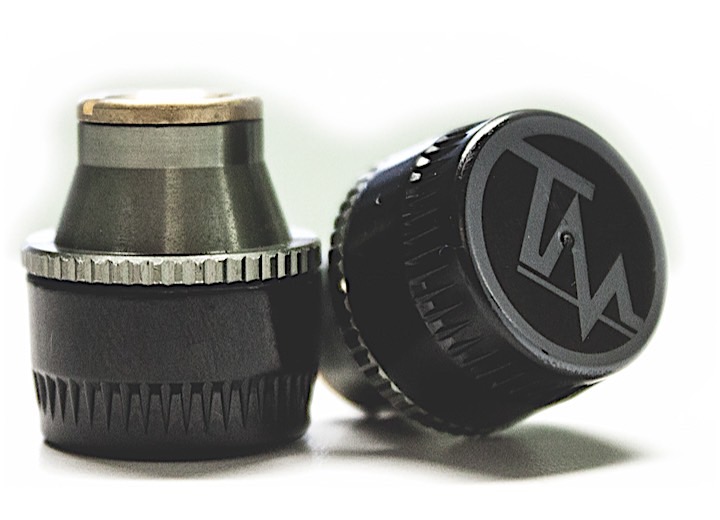
| Valterra TireMinder TPMS Transmitters | Valterra Llc | $129.99 | 198 | Monitoring tire pressure |
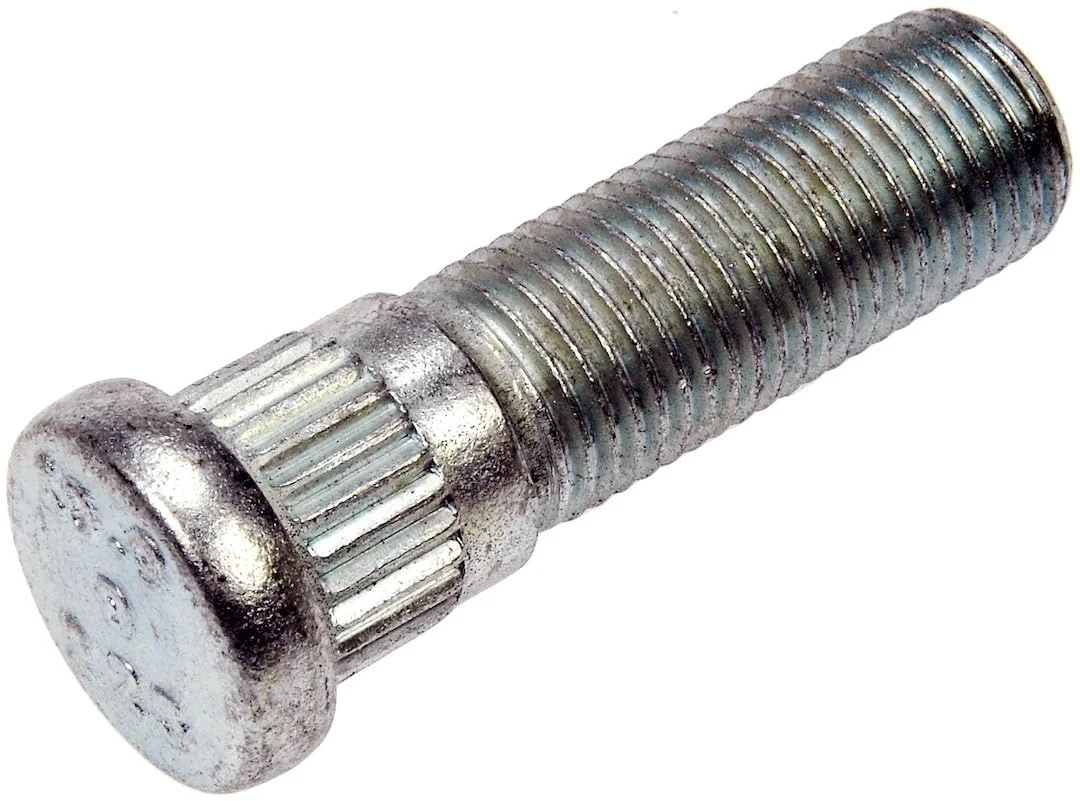
| Dorman Wheel Stud M12-1.50 Thread Serrated Knurl | Dorman | $5.12 | 4 | Replacing damaged wheel studs |
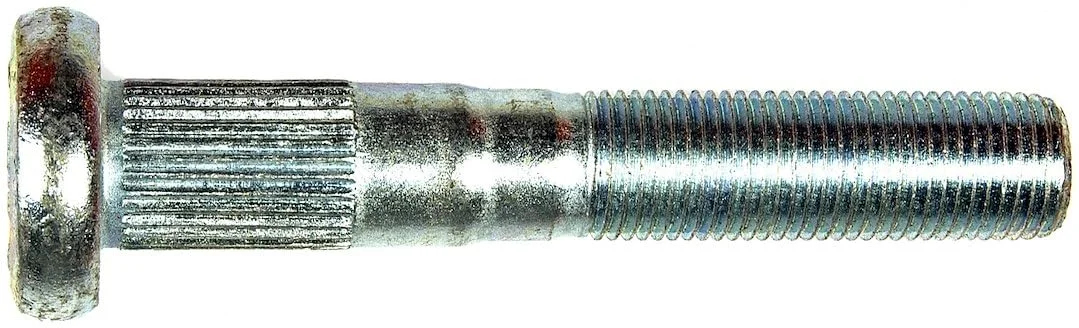
| Dorman Wheel Bolt 9/16-18 Thread Length 1.00 Inch | Dorman | $5.41 | 10 | Replacing wheel bolts |
| Gorilla Automotive Acorn Bulge Seat Lug Nut 13/16 Hex 14mm x 1.50 | Gorilla Automotive | $5.47 | 0 | Securing wheels |
Top picks
While we don't have specific staggered wheel sets to recommend, here are some essential components you might need or consider when dealing with any wheel setup, including staggered ones:
- Valterra TireMinder TPMS Transmitters: If you're swapping wheels or tires, you might need new TPMS sensors or transmitters. These Valterra units are a solid choice for keeping an eye on your tire pressure, which is even more critical with performance setups. We've got 198 of these in stock for $129.99.
- Dorman Wheel Stud M12-1.50 Thread Serrated Knurl: Sometimes, when you're taking wheels on and off, or if you've had a shop gorilla-tighten your lug nuts, you can damage a wheel stud. Having a few Dorman replacements on hand, like these M12-1.50 thread serrated knurl studs for $5.12 each, is always a good idea. We currently have 4 in stock.
- Dorman Wheel Bolt 9/16-18 Thread Length 1.00 Inch: For vehicles that use wheel bolts instead of studs and lug nuts, these Dorman bolts are a reliable replacement. At $5.41 each, they're a small investment to ensure your wheels are securely fastened. We have 10 of these in stock.
How to verify fitment before buying
Verifying fitment is the most critical step before you drop a bunch of cash on a staggered setup. You can't just guess. Here's how to do it:
Consult vehicle forums and enthusiast groups
This is your best friend. Chances are, someone with your exact vehicle has already tried a staggered setup. Search online forums, Facebook groups, or dedicated enthusiast websites for your make and model. Look for posts where people share their wheel and tire specs, including width, diameter, offset, and any modifications they had to make (like fender rolling or suspension adjustments). They'll also tell you about any rubbing issues or clearance problems they encountered.
Use online wheel configurators
Many online tire and wheel retailers have configurators where you can input your vehicle's make, model, and year. While these tools are good for standard fitments, some also allow you to see how different widths and offsets might look and if they're generally compatible. They often have databases of what fits and what doesn't, but always double-check with real-world experience from forums.
Measure your vehicle's clearances
This is the most hands-on approach. With your current wheels on, measure the distance from your tire's sidewall to the fender lip, to the suspension components, and to the inner wheel well. Do this at various points in the wheel's travel, especially when the suspension is compressed and when the steering wheel is turned. You'll need to account for the extra width of the new tires and how the new wheel's offset will push the tire out or in. A straight edge and a ruler are your friends here. Don't forget to check the clearance for the brake calipers, especially if you have large performance brakes. You might need to use a wheel spacer, but that's a whole other can of worms.
Consider overall tire diameter matching
If your vehicle is AWD, you absolutely must ensure the overall rolling diameter of the front and rear tires is nearly identical. Even a 1-2% difference can cause problems with your drivetrain. Use an online tire size calculator to compare the diameters of your proposed front and rear tire sizes. Input the width, aspect ratio, and wheel diameter, and it will give you the overall tire height. Aim for less than a 0.5% difference if possible, and definitely less than 1% for most AWD systems. If you're off, you're going to wear out your transfer case or differentials prematurely, and that's a much more expensive fix than a set of tires.
Professional consultation
If you're still unsure, talk to a reputable wheel and tire shop that specializes in performance vehicles. They have experience with different fitments and can often tell you what works and what doesn't for your specific car. They might even have test wheels or tires they can temporarily mount to check clearances. It's worth paying for their expertise to avoid making an expensive mistake.
Top picks
Frequently asked questions
What are the main benefits of a staggered wheel setup?
The primary benefits are improved traction and handling, especially for high-horsepower, rear-wheel-drive vehicles. Wider rear tires provide more grip for acceleration, while wider front tires can enhance steering response. This setup is common in sports cars and muscle cars designed for performance driving.
Can I rotate tires on a staggered setup?
Tire rotation options are severely limited with a staggered setup. You typically cannot rotate tires front-to-rear because they are different sizes. You can usually only rotate tires side-to-side on the same axle, meaning the tires on your drive axle will wear out faster and need more frequent replacement.
Are staggered setups suitable for all-wheel-drive (AWD) vehicles?
Generally, staggered setups are not ideal for most AWD vehicles. Different tire diameters front to rear can cause issues with the AWD system, leading to premature wear on the differentials and transfer case. Some AWD vehicles are designed for a slight factory stagger, but significant differences should be avoided unless specified by the manufacturer.
What problems can arise from incorrect staggered wheel fitment?
Incorrect fitment can lead to tires rubbing on fenders or suspension components, especially during turns or suspension compression. It can also negatively affect handling, cause uneven tire wear, and if overall tire diameters are mismatched on an AWD vehicle, it can damage the drivetrain components.