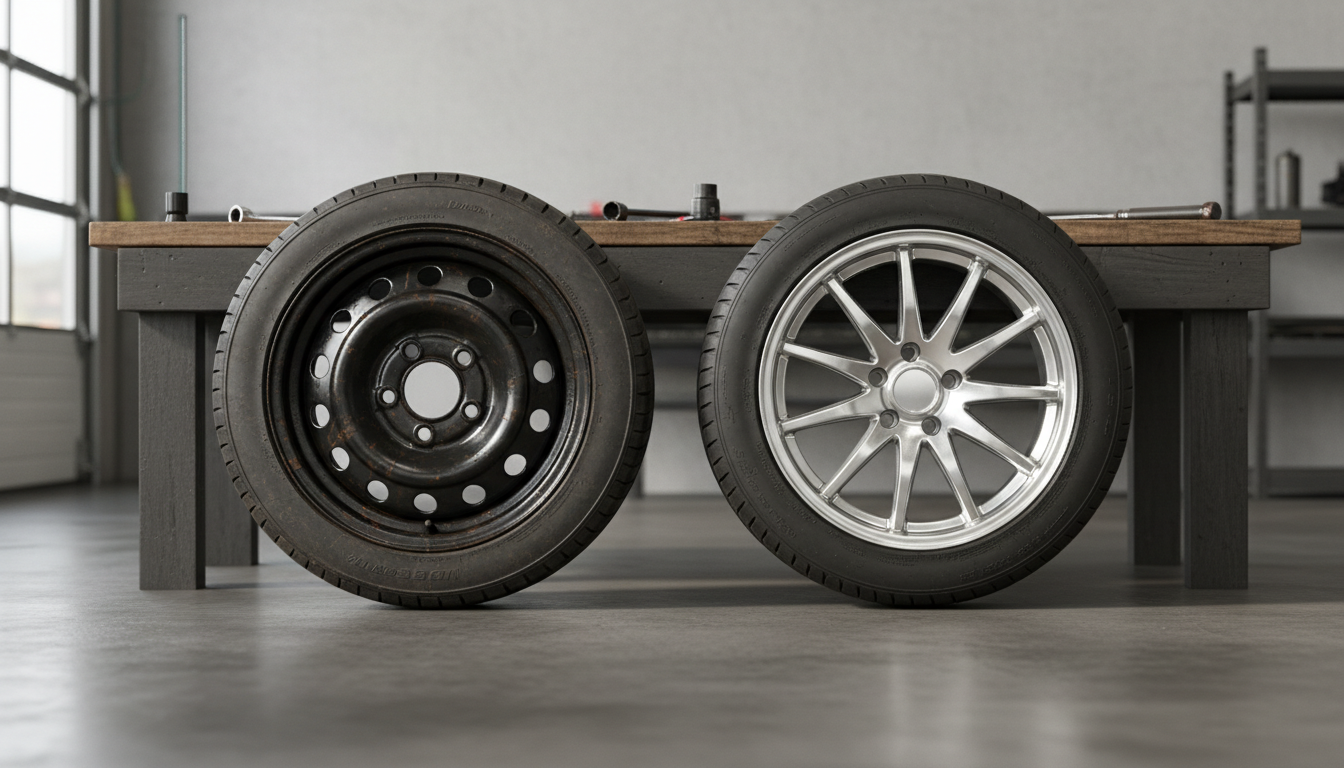
Choosing wheels for your truck isn't just about looks. The material they're made from — steel or aluminum — makes a big difference in how your truck drives, how much it costs, and how it holds up to abuse. As a tech who's mounted more tires than I can count, I've seen both types of wheels come through the shop, some looking great, some totally thrashed. Let's break down what really matters when you're picking new wheels.
Quick verdict
If you're after pure durability and a low price point for a work truck or a serious off-roader, steel wheels are probably your best bet. They can take a beating and keep rolling. For daily drivers, performance enthusiasts, or anyone who wants better fuel economy and a sharper look, aluminum wheels usually win out, assuming your budget allows for it.
What actually matters when choosing
Weight
This is the biggest difference. Steel is heavier than aluminum. A lot heavier. That extra weight on your wheels is called "unsprung weight" because it's not supported by your suspension. Less unsprung weight means your suspension can react faster to bumps, giving you a smoother ride and better handling. It also means less rotational mass, which can slightly improve acceleration and braking. For a work truck hauling heavy loads, the extra few pounds per wheel might not matter much. For a daily driver, you'll feel the difference.
Durability and repair
Steel wheels are incredibly tough. You can smash them into a curb or a rock, and they'll often just bend. A bent steel wheel can sometimes be straightened, or at least it'll get you home. Aluminum wheels are more brittle. Hit something hard, and they're more likely to crack or shatter. While there are shops that can repair aluminum wheels, it's often more expensive and not always possible, especially if the damage is severe. I've seen plenty of aluminum wheels come in with hairline cracks that make them impossible to balance or hold air. On the flip side, steel wheels are more prone to rust, especially if the paint gets chipped.
Cost
This is where steel wheels really shine. They're significantly cheaper to manufacture, and that cost savings gets passed on to you. If you're on a tight budget or need a set of spare wheels for winter tires, steel is the clear winner. Aluminum wheels, especially aftermarket designs, can get pricey fast. You're paying for the lighter weight, the casting process, and often, the aesthetics. You can grab a Dorman Rubber Snap In Valve Stem for just $5.17, regardless of your wheel choice, but the wheels themselves are a different story.
Aesthetics
Let's be honest, most stock steel wheels aren't winning any beauty contests. They're often plain black or silver and are frequently hidden behind hubcaps. Aluminum wheels, on the other hand, come in a massive variety of styles, finishes, and colors. If you want to customize the look of your truck, aluminum is the way to go. The manufacturing process allows for much more intricate designs. Just remember, those fancy finishes can be a pain to clean, and curb rash on a polished aluminum wheel is a real heartbreaker.
Fuel economy
Because aluminum wheels are lighter, they can offer a marginal improvement in fuel economy. Less weight means your engine has less work to do to get the truck moving and keep it rolling. Don't expect a massive jump, but over the lifetime of your truck, those small savings can add up. For heavy-duty trucks, the difference is negligible.
Side-by-side comparison
| Feature | Steel Wheels | Aluminum Wheels |
|---|---|---|
| Weight | Heavier | Lighter |
| Durability | Very tough, can bend, prone to rust | Strong, more prone to cracking/shattering |
| Repairability | Often repairable (straightening) | Repairable but more difficult/expensive |
| Cost | Much lower | Significantly higher |
| Aesthetics | Basic, often require hubcaps | Wide variety of styles and finishes |
| Fuel Economy | Slightly lower | Slightly better |
| Corrosion | Rusts if paint is chipped | Can corrode (white powder) if finish is damaged |
Who should buy what
- If you primarily use your truck for work, hauling, or off-roading, get steel wheels. Their strength and lower cost make them ideal for situations where they're likely to take a hit. You won't cry when they get scratched.
- If you're on a tight budget or need a second set of wheels for winter tires, get steel wheels. They're the most economical choice by far.
- If you want to improve your truck's handling, ride quality, or acceleration, get aluminum wheels. The reduction in unsprung weight makes a noticeable difference.
- If aesthetics are a top priority and you want to customize your truck's look, get aluminum wheels. The design options are endless.
- If you drive mostly on paved roads and want a balance of performance and style, get aluminum wheels. They offer a good compromise for daily driving.
Common mistakes when shopping
- Ignoring bolt pattern and offset: Not all wheels fit all trucks. You need the correct bolt pattern (e.g., 6 on 5.5 inch) and offset to ensure the wheel clears your brakes and suspension and doesn't stick out too far or rub. Don't just assume a wheel will fit because it's the right diameter. A Lippert Components Trailer Hub Assembly for a 3500 lb axle, for example, has a specific 6 on 5.5 inch bolt pattern.
- Forgetting about load rating: Especially for trucks, wheels have a load rating. Make sure the wheels you choose can safely support the weight of your truck and any cargo or trailer you plan to haul. This is critical for safety.
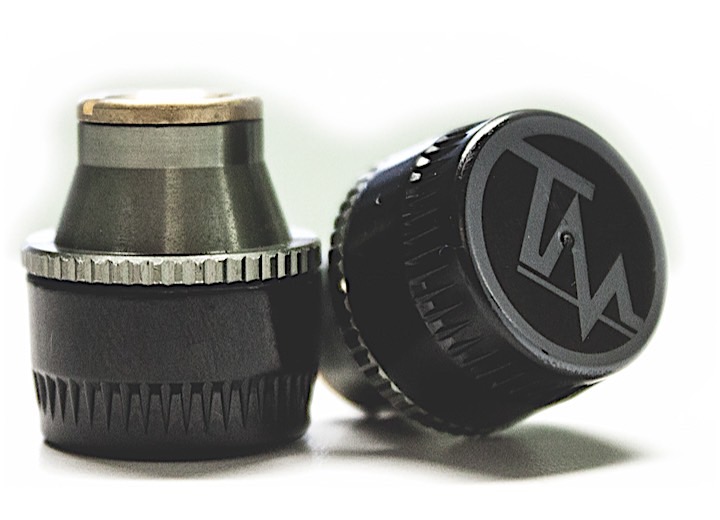
- Not budgeting for proper lug nuts and TPMS: New wheels often require new lug nuts. Don't reuse old, worn-out ones. Also, if your truck has a Tire Pressure Monitoring System (TPMS), you'll need compatible sensors for your new wheels, like the Valterra TireMinder TPMS Transmitters.
- Overlooking the tire size implications: Changing wheel diameter often means changing tire sidewall height to maintain the overall tire diameter. This affects speedometer accuracy and can impact ride quality. Always check your service manual or a tire calculator.
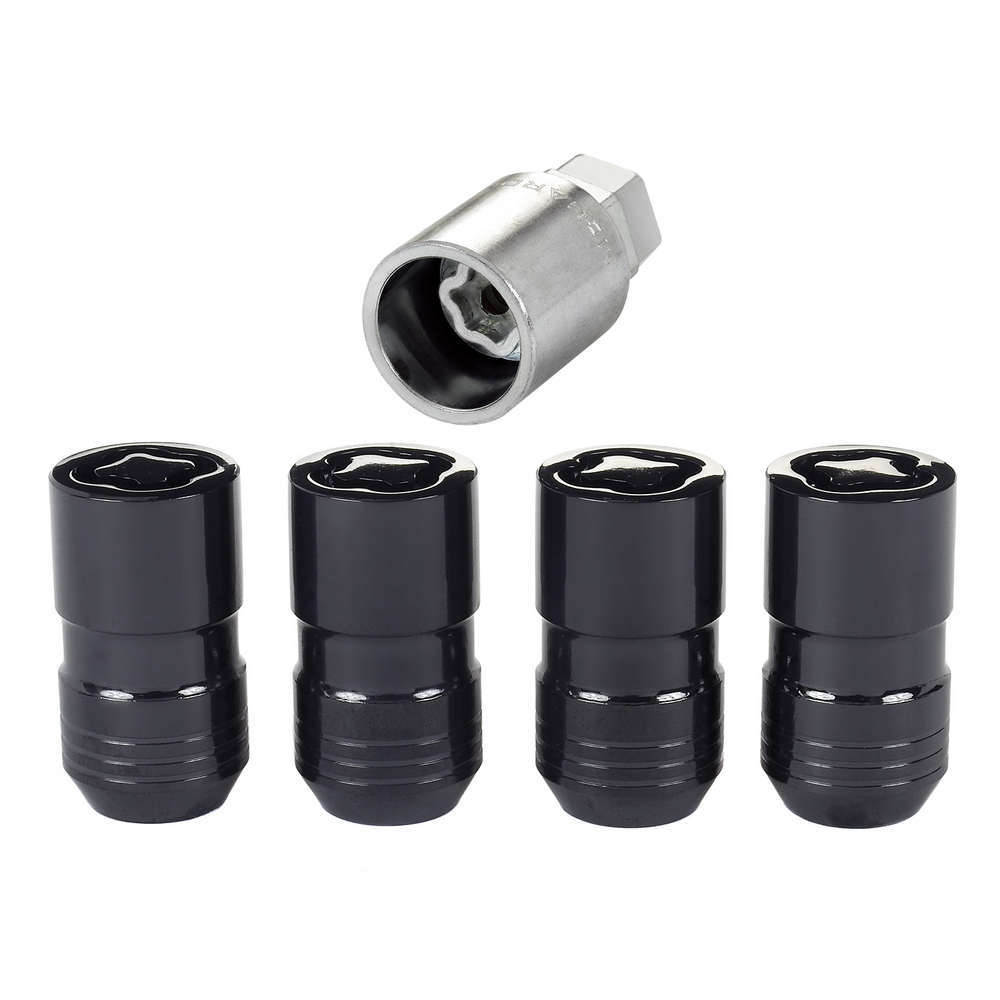
- Buying cheap off-brand wheels: While saving money is good, extremely cheap wheels, especially aluminum, can be poorly manufactured, leading to balancing issues, cracks, or even failure. Stick to reputable brands for safety and longevity. You can find quality accessories, like a Mcgard Black Cone Seat Wheel Lock Set for $36.87, but be wary of no-name wheels.
Recommended parts
- Mcgard Black Cone Seat Wheel Lock Set 14mm x 1.50 Thread 4 Pack: Keep your new wheels secure with these high-quality wheel locks. Available for $36.87 and we have 291 in stock.
- Dorman Rubber Snap In Valve Stem TR412 Black Universal Fitment: Don't forget new valve stems when you get new tires mounted on your wheels. These are just $5.17 and we have 78 available.
- Valterra TireMinder TPMS Transmitters: If your truck uses TPMS, you'll need new sensors for your new wheels. These are available for $132.25 and we have 251 in stock.
Top picks

Frequently asked questions
Are steel wheels better for off-roading?
For serious off-roading, steel wheels are generally preferred due to their superior durability. They can withstand impacts better than aluminum, often bending instead of cracking. While they're heavier, their ability to take a beating without catastrophic failure makes them a solid choice for rough terrain.
Do aluminum wheels improve fuel economy?
Yes, aluminum wheels can offer a marginal improvement in fuel economy. Their lighter weight reduces unsprung mass and rotational inertia, meaning your engine expends slightly less energy to accelerate and maintain speed. The difference isn't huge, but it can add up over time, especially for daily drivers.
Can you repair a cracked aluminum wheel?
Repairing a cracked aluminum wheel is possible in some cases, but it's more complex and costly than fixing a bent steel wheel. Specialized welding and machining are often required. The success of the repair depends heavily on the crack's location and severity. Many shops will advise replacement for safety.
Are steel wheels heavier than aluminum?
Yes, steel wheels are significantly heavier than aluminum wheels of the same size and design. This is due to the inherent density difference between steel and aluminum. This extra weight contributes to higher unsprung mass, which can affect ride quality, handling, and fuel efficiency.