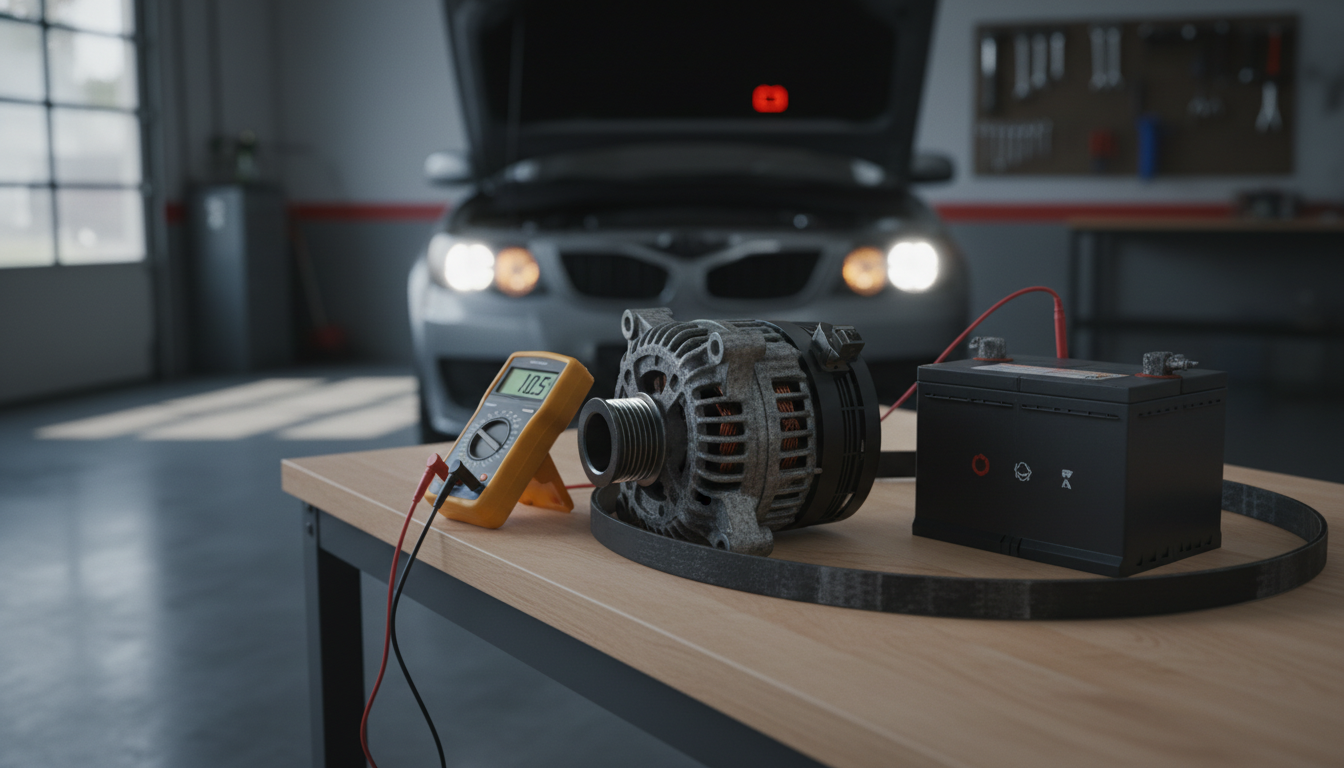
When your vehicle starts acting up, especially with electrical gremlins, the alternator is often the first thing people point to. It's a critical component, basically a small generator that keeps your battery charged and powers all your electrical systems while the engine is running. If it's not doing its job, you're going to have problems, and they usually start with the battery.
What's actually happening
Your alternator works by converting mechanical energy from your engine's crankshaft into electrical energy. A belt spins a pulley on the alternator, which then spins a rotor inside. This rotor creates a magnetic field that induces an electrical current in stationary windings, called the stator. Diodes convert this alternating current (AC) into direct current (DC), which is what your car's electrical system and battery use. A voltage regulator keeps that output steady, usually around 13.5 to 14.8 volts.
When an alternator goes bad, one of these internal components has failed. Maybe the bearings are shot, making a grinding noise. The voltage regulator could be faulty, causing overcharging or undercharging. The diodes can fail, leading to AC leakage into the DC system. Or the brushes, which transfer current to the rotor, might be worn out. Any of these issues will prevent the alternator from generating enough power, leaving your battery to shoulder the entire electrical load until it eventually dies.
The most common causes, ranked
| Cause | Likelihood | Easy to fix? |
|---|---|---|
| Worn brushes or slip rings | High | No (internal repair) |
| Faulty voltage regulator | High | No (internal repair or replacement) |
| Worn bearings | Medium | No (internal repair) |
| Failed rectifier/diodes | Medium | No (internal repair) |
| Loose or worn serpentine belt | Medium | Yes (belt replacement/tensioning) |
| Corroded battery terminals or cables | Low | Yes (cleaning/replacement) |
| Blown fuse in charging circuit | Low | Yes (fuse replacement) |
How to figure out which one is yours
Don't just throw parts at it. A dead battery doesn't automatically mean a bad alternator. You need to do some detective work. Here's a solid way to narrow it down:
Step 1 — Check the battery light on the dash. This is your first clue. If it's on, especially while driving, it means your charging system isn't happy. It doesn't always mean the alternator is dead, but it's a strong indicator there's a problem with voltage output.
Step 2 — Listen for strange noises. A failing alternator can make a whining or grinding sound. This usually points to bad bearings inside the alternator. The sound will often get worse with engine RPM. Sometimes you'll hear a squealing if the serpentine belt is loose or worn.
Step 3 — Observe your lights and accessories. Are your headlights dim, especially at idle? Do they brighten when you rev the engine? Are your power windows slow? Is the radio cutting out? These are all signs the electrical system isn't getting enough juice, which is the alternator's job.
Step 4 — Look for smells. A burning rubber smell could indicate a slipping serpentine belt, which means the alternator isn't spinning fast enough. A smell like burning electrical insulation could mean the alternator is overheating or its internal windings are failing.
Step 5 — Check battery voltage with the engine off. Grab a multimeter. With the engine off, a healthy battery should read around 12.6 volts. If it's significantly lower, like 12.0 volts or less, your battery is discharged. This could be from a bad alternator, but it could also be an old battery.
Step 6 — Check charging voltage with the engine running. Start the engine. With the multimeter still connected to the battery terminals, you should see a reading between 13.5 and 14.8 volts. If it's below 13.0 volts, your alternator isn't charging properly. If it's above 15.0 volts, the voltage regulator is likely faulty and overcharging, which can damage your battery and other electronics.
Step 7 — Perform a load test on the charging system. Turn on your headlights, radio, and A/C fan to high. The voltage should stay above 13.0 volts. If it drops significantly, the alternator can't keep up with the electrical demand.
Step 8 — Inspect the serpentine belt. Make sure it's tight, not cracked, frayed, or glazed. A loose belt can slip, preventing the alternator from spinning at the correct speed. This is a common, easy-to-miss issue. I've seen plenty of shops replace alternators only to find out the belt was the real culprit.
When you can fix it yourself, when you can't
| You can likely fix it yourself | You probably need a shop |
|---|---|
| Loose or worn serpentine belt | Internal alternator failure |
| Corroded battery terminals | Faulty voltage regulator |
| Blown fuse in the charging circuit | Diagnosing complex electrical shorts |
| Replacing the entire alternator assembly | Repairing damaged wiring harnesses |
What it costs to fix
If it's just a loose serpentine belt, that's a cheap fix, maybe $20-$50 for a new belt if yours is old, plus your time. Cleaning battery terminals is practically free. If the alternator itself is bad, a new or remanufactured unit can run anywhere from $150 to $500, depending on your vehicle. Labor to replace it at a shop typically adds another $100 to $300. So, you're looking at a total of $250 to $800 for a shop to replace it. Doing it yourself can save you a good chunk on labor, but you still need to buy the part.
Recommended parts
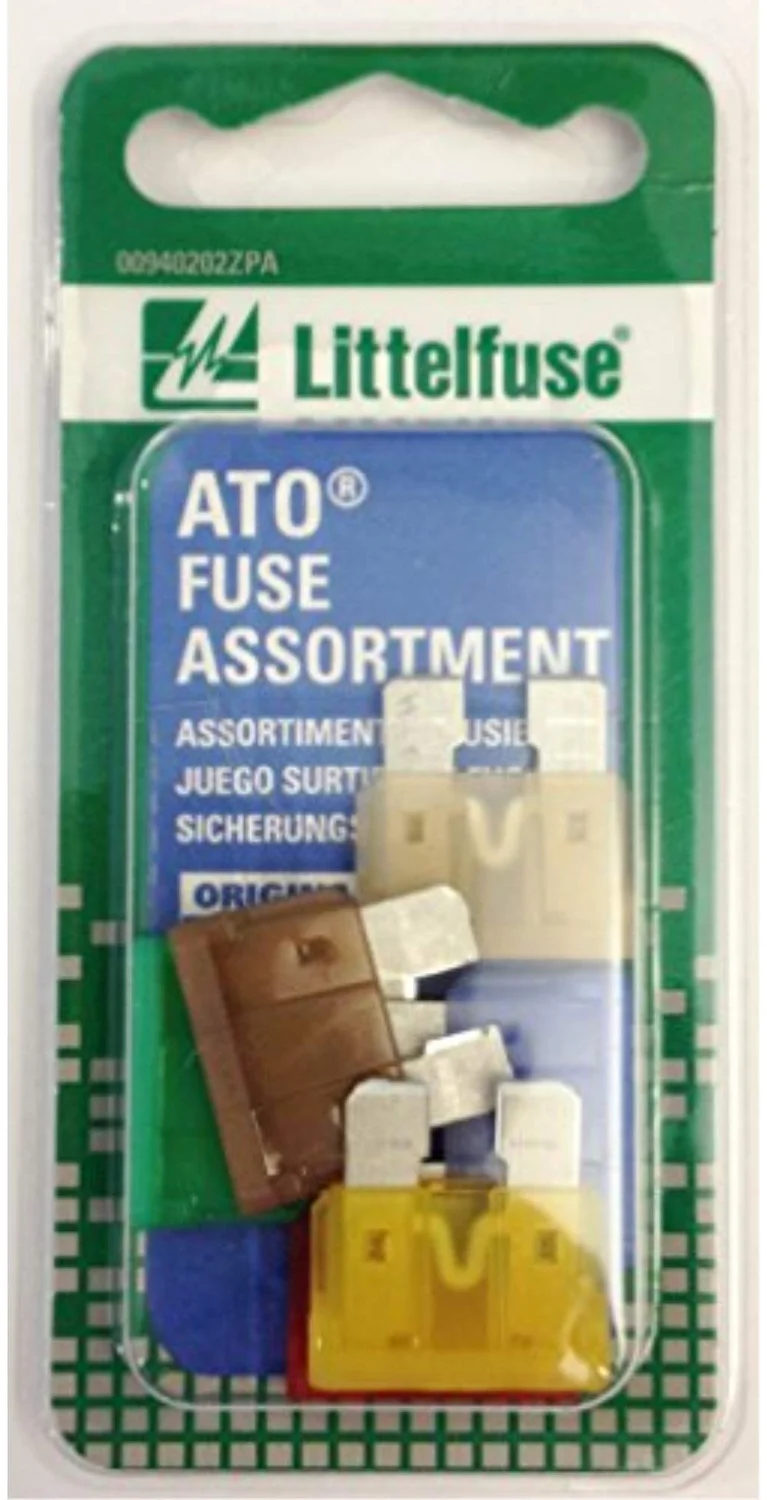
- Littelfuse ATO Fuse Assortment Kit (MPN: 094202): Sometimes a simple fuse is the problem. This kit, available for $5.02, has a variety of common fuses to help you diagnose and fix minor electrical issues. We have 1 in stock. [/product.html?slug=key-l24094202]
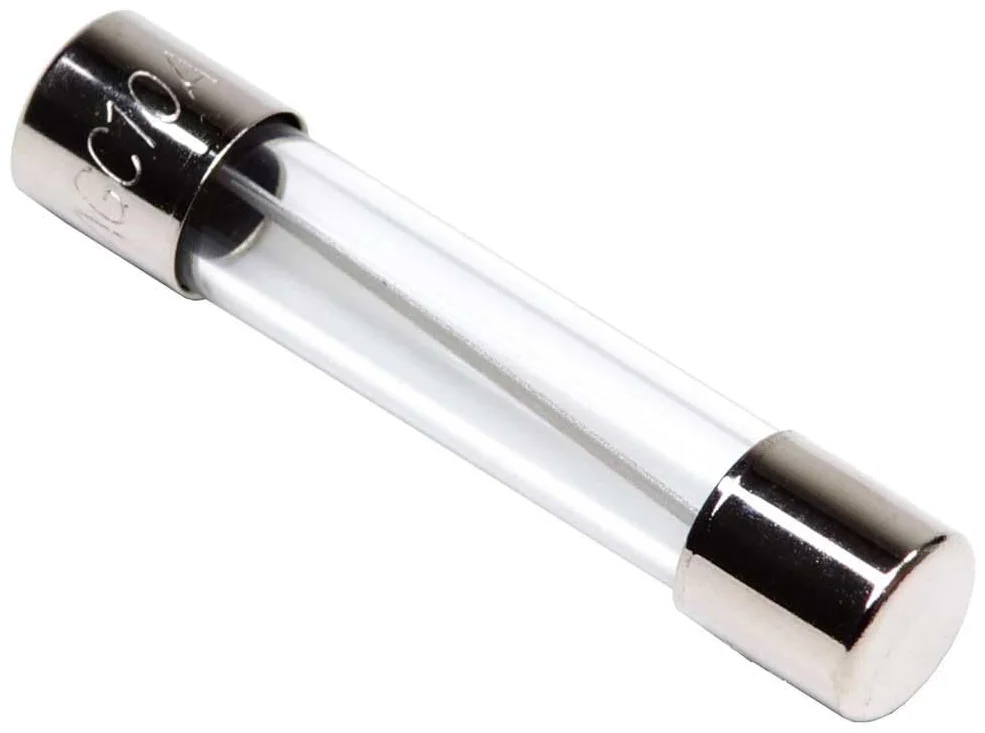
- Blue Sea Systems AGC Glass Fuse 4 Amp (MPN: 5209-BSS): If your vehicle uses glass fuses, this 4 amp fuse from Blue Sea Systems is a good option. It costs $5.02 and we have 4 in stock. [/product.html?slug=key-b6z5209bss]
- Ancor Heat Shrink Butt Connector 12-10 Gauge 3 Pack (MPN: 309203): For repairing any corroded or damaged wiring in the charging circuit, these heat shrink butt connectors are solid. A 3-pack is $5.04, and we have 47 in stock. [/product.html?slug=key-a4v309203]
Top picks

Frequently asked questions
What is the most common sign of a bad alternator?
The most common sign is a dead or dying battery, especially if it keeps happening after you've charged it. You might also see your battery light illuminate on the dashboard, indicating a problem with the charging system. Dimming lights and slow electrical accessories are also strong indicators.
Can a bad alternator drain a new battery?
Yes, absolutely. If your alternator isn't charging, your new battery will quickly run down as it tries to power everything in your vehicle. A bad alternator can also overcharge a battery, which can damage it and shorten its lifespan significantly, even if it's new.
How can I test my alternator at home?
You can test your alternator with a multimeter. First, check your battery voltage with the engine off (should be around 12.6V). Then, start the engine and check the voltage again. A healthy alternator should show a reading between 13.5 and 14.8 volts at the battery terminals, indicating it's charging correctly.
Will my car start with a bad alternator?
Your car might start if the battery has enough charge, but it won't run for long. The battery provides the initial power to start the engine, but the alternator takes over to power the electrical system and recharge the battery. Without a working alternator, the engine will eventually die once the battery's charge is depleted.