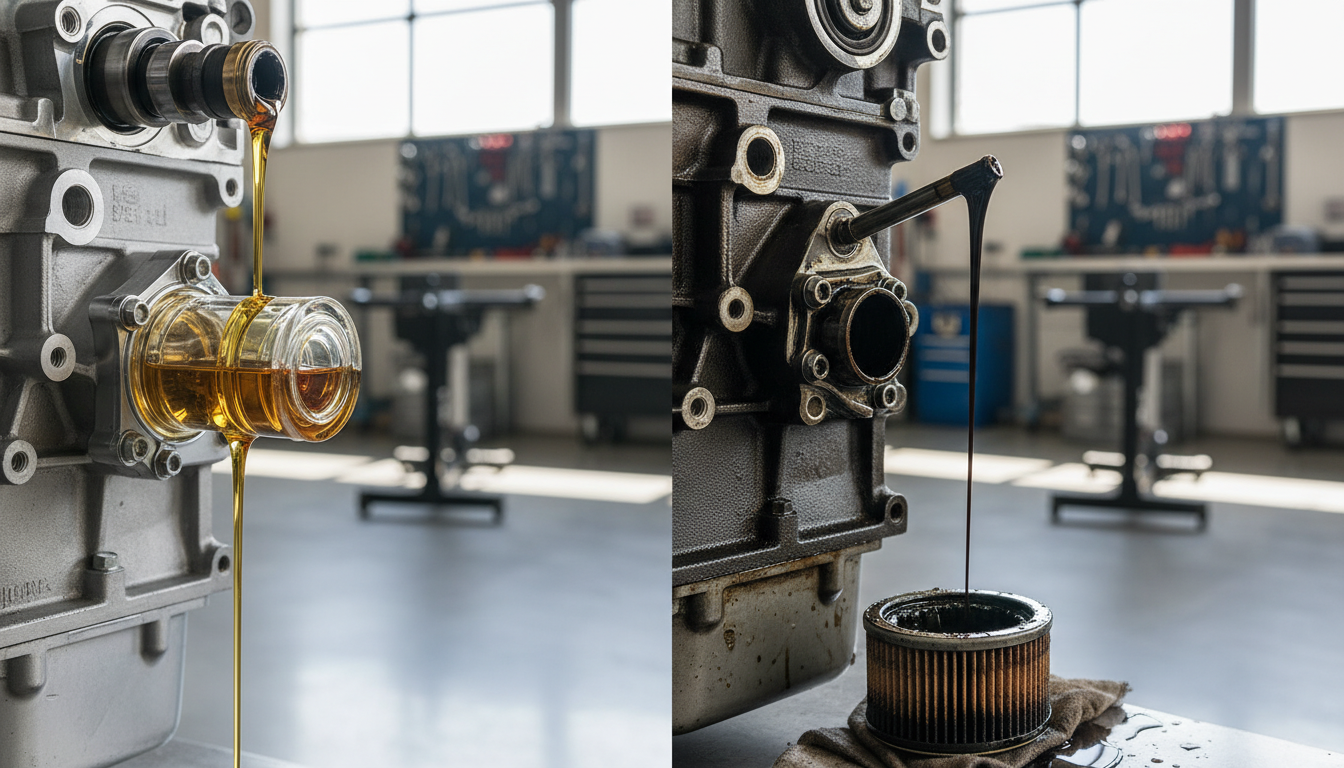
Alright, let's talk oil. It's the lifeblood of your engine, and picking the right one isn't always as simple as grabbing the cheapest jug on the shelf. You've got two main players in the game: conventional motor oil and synthetic motor oil. Each has its place, but understanding their differences is key to keeping your engine happy and healthy for the long haul.
Conventional oil has been around forever. It's refined crude oil, and it does a decent job for many older engines and less demanding driving. Think of it as a basic lubricant. It gets the job done, but it has limitations, especially under stress. For instance, if you’re driving in extreme temperatures or under heavy loads, conventional oil may not hold up as well.
Synthetic oil, on the other hand, is a different beast. It's not just refined crude; it's engineered in a lab. Manufacturers take base oils and add a bunch of chemical compounds to create a lubricant with specific properties. This means it can handle extreme temperatures better, resists breakdown, and generally offers superior protection. It's like comparing a regular wrench to a precision torque wrench – both do a job, but one is designed for much higher performance and accuracy.
Modern engines, with their tighter tolerances, turbochargers, and direct injection, put a lot more stress on oil. They run hotter and demand more from their lubricants. That's why you see so many newer vehicles recommending or even requiring synthetic oil. It's not just a marketing gimmick; it's a necessity for these engines to perform as designed and last.
What to look for
When you're staring at a wall of oil bottles, it can be overwhelming. Here's what you should be thinking about to make the right choice.
Vehicle manufacturer recommendations
This is your first and most important stop. Your owner's manual will tell you exactly what type of oil your engine needs – the viscosity (like 5W-30 or 0W-20) and often whether it requires conventional, synthetic blend, or full synthetic. Some manuals even specify a particular API (American Petroleum Institute) or ILSAC (International Lubricant Standardization and Approval Committee) rating. Sticking to these recommendations isn't just a suggestion; it's crucial for warranty compliance and engine longevity. If your manual says full synthetic, don't try to cheap out with conventional. You're just asking for trouble down the road.
Driving conditions
How you drive makes a big difference. If you're mostly doing short trips, stop-and-go city driving, or frequent towing, your engine experiences more stress. These conditions lead to higher operating temperatures and more opportunities for sludge to form. In these situations, synthetic oil's resistance to thermal breakdown and sludge buildup is a huge advantage. If you're just cruising on the highway most of the time, conventional might be adequate, but synthetic still offers an extra layer of protection.
Engine age and mileage
Older engines, especially those with higher mileage, might have different needs. Some older engines were designed for conventional oil and might not see a huge benefit from switching to synthetic, especially if they already have some minor oil leaks. However, high-mileage synthetic oils are specifically formulated with additives to condition seals and reduce oil consumption in older engines. For newer engines, especially those with direct injection, synthetic is almost always the way to go from day one. It helps prevent issues like low-speed pre-ignition (LSPI), which can be a real engine killer.
Climate and temperature extremes
Oil viscosity changes with temperature. In very cold weather, conventional oil thickens up, making it harder for your engine to start and for the oil to circulate quickly to critical components. Synthetic oils maintain their viscosity better in extreme cold, flowing more freely at startup and providing faster lubrication. In extreme heat, conventional oil can thin out too much and break down, losing its protective properties. Synthetic oil resists this thermal breakdown, maintaining a stable film even under high temperatures. This is where the engineered properties of synthetic really shine.
Oil change intervals
One of the big selling points of synthetic oil is its extended oil change interval. While conventional oil typically needs to be changed every 3,000 to 5,000 miles, many synthetics are good for 7,500, 10,000, or even 15,000 miles. Always follow your vehicle manufacturer's recommended interval for the type of oil you're using. Don't just assume because you put synthetic in, you can go 20,000 miles. The filter still needs to be changed, and the additives in the oil do get depleted over time. If you're someone who often forgets or puts off oil changes, synthetic can offer a bit more forgiveness, but it's not a license to neglect maintenance.
Quick comparison
| Feature | Conventional Motor Oil | Synthetic Motor Oil |
|---|---|---|
| Base Oil | Refined crude oil | Engineered base oils |
| Performance | Good for basic use | Superior |
| Temperature Range | Limited | Wider, extreme |
| Sludge Resistance | Moderate | Excellent |
| Wear Protection | Standard | Enhanced |
| Change Interval | Shorter (3k-5k miles) | Longer (7.5k-15k miles) |
| Cost | Lower | Higher |
Top picks
Since we're talking about general oil types and not specific vehicles, I can't recommend a specific viscosity, but here are some product categories that might be relevant for engine maintenance beyond just the oil itself. You'll always need to match the oil to your specific engine's needs.
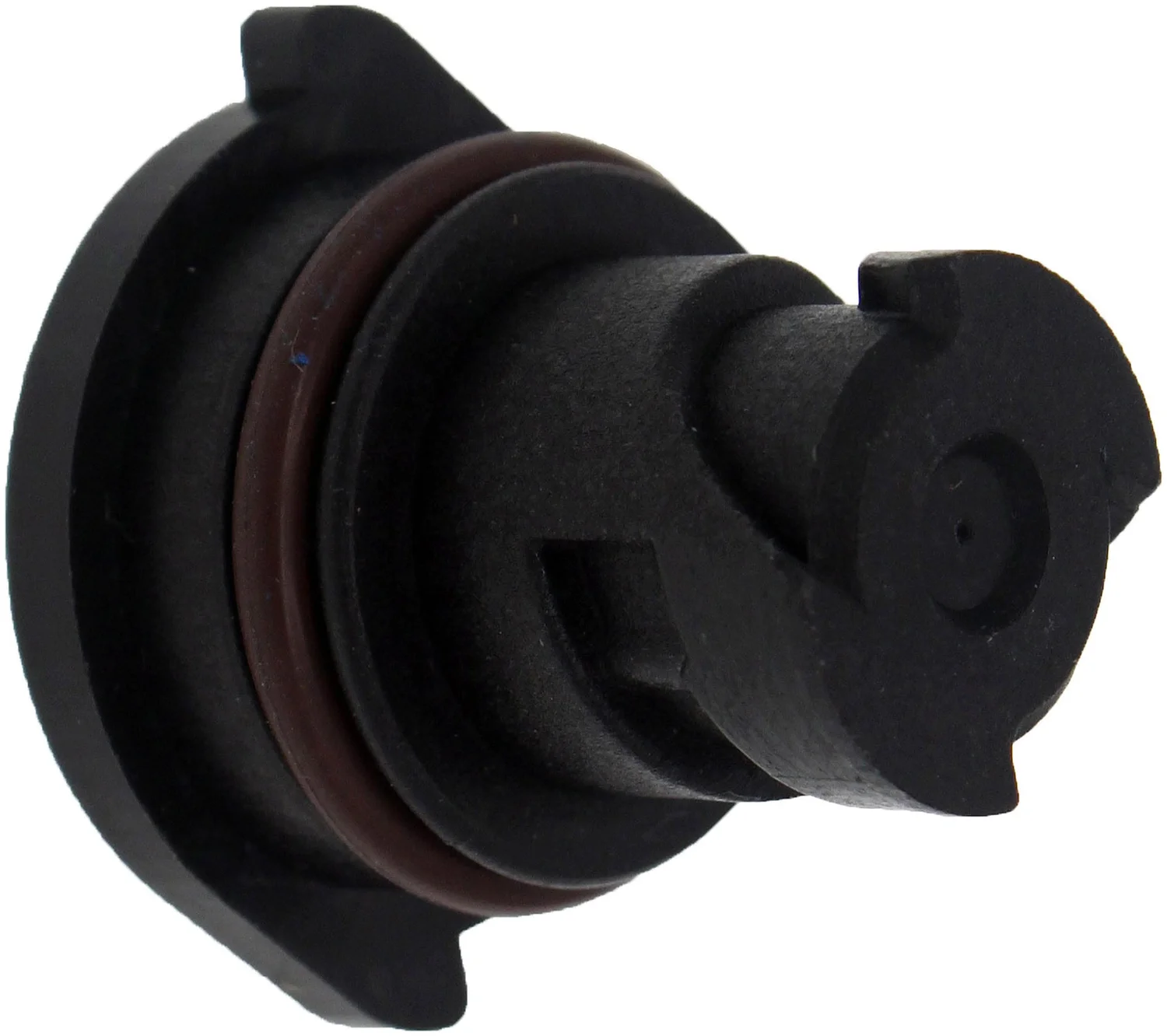
If you're doing an oil change, you'll likely need a new drain plug. The Dorman Plastic Engine Oil Drain Plug with O-Ring is a common replacement part. We've got 71 of these in stock right now for only $5.02.
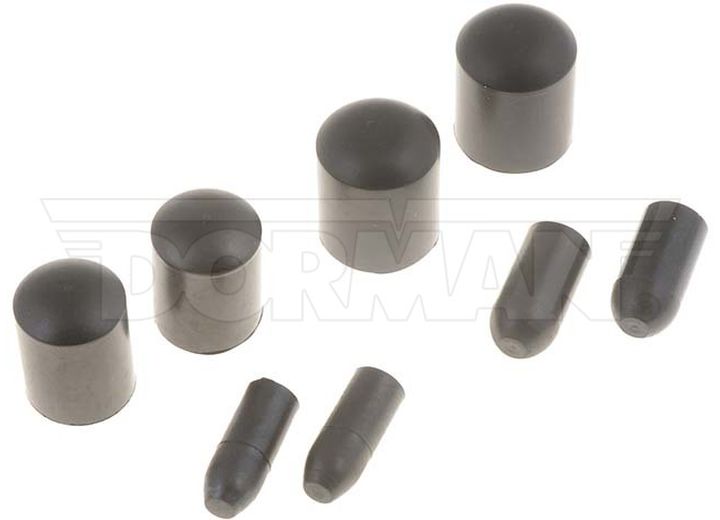
For those working on engine components, small gaskets and shims are always useful. For example, the Advanced Engine Design Idle Mixture Screw Gaskets 0.125 Inch ID Set of 10 for Holley Carburetors are available for $5.02, though we only have 2 sets left. Or if you need a shim, the MSD Ignition Replacement Shim Brass 0.500 in ID 1.000 in OD is in stock with 64 units for $5.03.
These are just examples of small parts that often come up during engine work, regardless of oil type. Always ensure you're getting the correct parts for your specific vehicle and engine.
How to verify fitment before buying
When buying oil, it's not really about just grabbing any bottle off the shelf. You need to ensure you're getting the right type and viscosity for your engine. Always refer to your owner's manual for the correct specifications. If you're unsure, consult a trusted mechanic or an automotive professional who can guide you in the right direction. Remember, using the wrong oil can lead to serious engine problems down the line.
Common mistakes
- Ignoring manufacturer recommendations: Always check your owner's manual. Using the wrong oil can void warranties and lead to engine issues.
- Assuming all synthetics are the same: Not all synthetic oils are created equal. Look for reputable brands and check their specifications.
- Neglecting oil change intervals: Just because synthetic oil lasts longer doesn’t mean you can ignore maintenance. Stick to recommended intervals.
- Mixing oil types: Avoid mixing synthetic and conventional oils unless specified by the manufacturer. It can lead to performance issues.
- Choosing oil based solely on price: While budget is important, don’t sacrifice quality for cost. Your engine will thank you in the long run.
Top picks


Frequently asked questions
Can I switch from conventional to synthetic oil?
Yes, in most cases, you can switch from conventional to synthetic oil without issues. Modern synthetic oils are fully compatible with conventional oils and engine seals. You might even notice improved engine performance or reduced oil consumption. Always consult your vehicle's owner's manual for specific recommendations.
Is synthetic oil really worth the extra cost?
For many vehicles, especially newer models with advanced engine designs, synthetic oil is absolutely worth the extra cost. It provides superior protection against wear, heat, and sludge, leading to a longer engine life and potentially longer oil change intervals. The long-term benefits often outweigh the higher upfront price.
How often should I change synthetic oil?
While synthetic oil can last longer than conventional oil, always follow your vehicle manufacturer's recommended oil change intervals. These intervals are typically found in your owner's manual and can range from 7,500 to 15,000 miles, depending on the vehicle and driving conditions. Don't just guess.
What happens if I use the wrong type of oil?
Using the wrong type of oil can lead to various engine problems, from increased wear and sludge buildup to reduced fuel economy and potential engine damage. If your engine requires synthetic and you use conventional, you might experience issues like low-speed pre-ignition or premature component failure. Always use the oil specified by your manufacturer.