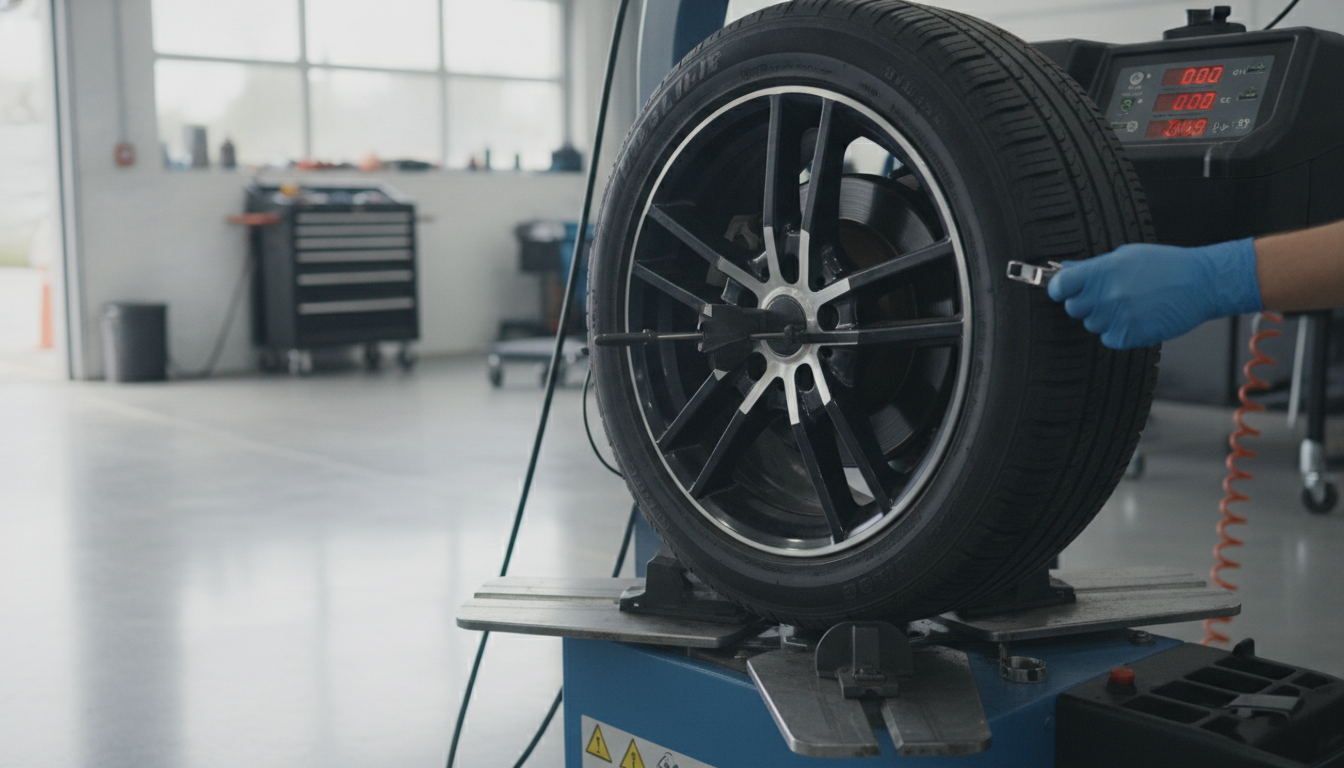
When you get new tires, or even just rotate your existing ones, tire balancing is a critical step that often gets overlooked or misunderstood. It's not just about slapping some weights on the rim; it's about ensuring your wheels spin smoothly and evenly. An unbalanced tire can make your drive miserable, shaking the steering wheel and wearing out your tires and suspension parts way too fast.
Think of it this way: even a brand-new tire isn't perfectly round or perfectly weighted. There are always slight variations in the rubber and the wheel itself. Balancing aims to counteract these imperfections by adding small weights to specific spots on the wheel. This makes sure the weight is distributed evenly around the entire circumference, so when that wheel is spinning at highway speeds, it doesn't try to bounce or wobble.
There are a few different ways shops balance tires, and they all have their place depending on the issue. We'll break down static, dynamic, and road force balancing so you know what's happening when your ride feels off.
What to look for — understanding tire balance
Static imbalance
Static imbalance is the simplest form of imbalance. It's when a tire has a heavy spot on one side, causing it to hop or bounce up and down as it rolls. Imagine a weight bolted to the bottom of a tire; as it spins, that heavy spot wants to stay at the bottom, creating an uneven rotation. You'll usually feel this as a vertical vibration, often noticeable at lower speeds and sometimes intensifying as you go faster. It's like your tire is constantly trying to jump off the ground.
Dynamic imbalance
Dynamic imbalance is a bit more complex. This occurs when there's an uneven weight distribution on both sides of the tire's centerline. Instead of just hopping, the tire will also wobble from side to side. Think of a tire spinning on an axle, and one side is heavier than the other. This creates a conical motion, causing a lateral vibration. Dynamic imbalance is typically felt as a shimmy in the steering wheel, especially at higher speeds, usually above 40-50 mph. Most modern balancing machines address both static and dynamic imbalance simultaneously.
Road force variation
This is where things get really precise. Road force balancing goes beyond just weight distribution. It measures the uniformity of the tire and wheel assembly under a load, simulating how it performs on the road. A road force balancer presses a roller against the spinning tire, mimicking the weight of the vehicle. This reveals imperfections like variations in tire stiffness (runout), conicity (a slight cone shape in the tire), or even a bent wheel that wouldn't show up on a standard dynamic balancer. High road force can cause vibrations that traditional balancing can't fix, leading to a persistent shake even after multiple attempts at balancing. It's the most thorough way to diagnose ride quality issues.
Signs of an unbalanced tire
How do you know if your tires need balancing? The most obvious sign is vibration. You might feel it in the steering wheel, the floorboards, or even the seat. This vibration usually gets worse as you increase speed. Another clue is uneven tire wear, like cupping or scalloping patterns, where chunks of rubber seem to be worn away in specific spots. This happens because the heavy spot repeatedly slams into the road. If you're noticing these symptoms, it's time to get those wheels checked out.
When to balance your tires
You should always balance your tires when you install new ones. It's part of the mounting process. Beyond that, it's a good idea to have them checked every 5,000 to 7,500 miles, or whenever you get a tire rotation. If you hit a big pothole, curb, or notice any of the vibration symptoms, don't wait. Get them balanced. Even a lost wheel weight can throw things off significantly.
Quick comparison
| Feature | Static Balancing | Dynamic Balancing | Road Force Balancing |
|---|---|---|---|
| Detects | Up-and-down imbalance | Up-and-down & side-to-side | All of the above + tire uniformity issues, conicity, bent wheels |
| Method | Single plane measurement | Dual plane measurement | Simulates road conditions with load |
| Common Issues | Vertical vibration, hopping | Steering wheel shimmy, wobble | Persistent vibrations, pull, even after traditional balancing |
| Equipment | Basic bubble balancer (old) | Standard spin balancer | Advanced spin balancer with load roller |
| Cost | Lowest | Moderate | Highest |
| Effectiveness | Basic, for narrow tires | Good for most tires | Best for diagnosing complex issues and high-end vehicles |
Top picks
While tire balancing isn't a product you buy, the quality of your tires certainly impacts how well they balance and perform. Choosing a good quality tire from the start can minimize balancing issues down the road. Here are a few solid options available right now:
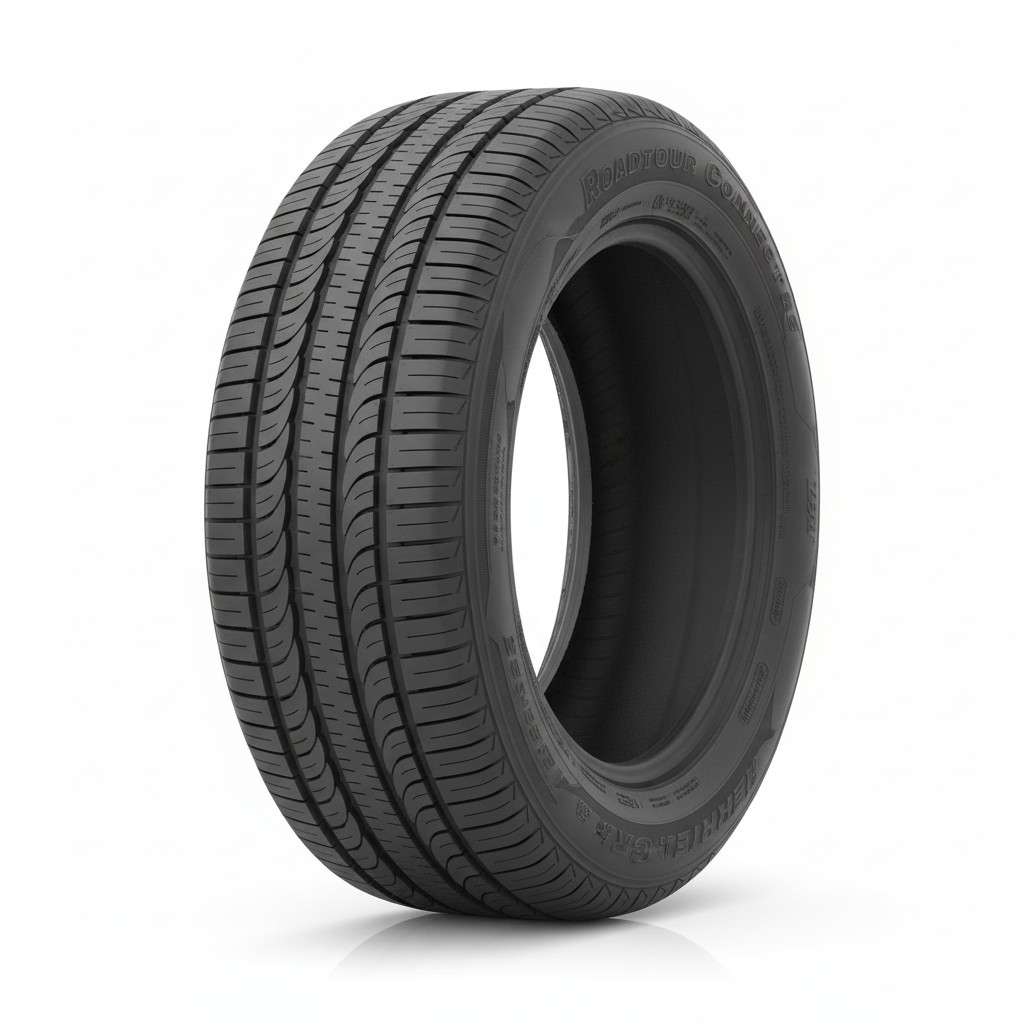
For a reliable all-season option that balances well and offers good value, consider the Hercules Roadtour Connect AS All Season Tire 205/65R15 94H Blackwall. We have 250 in stock at $85.99 each. These are a great everyday choice.
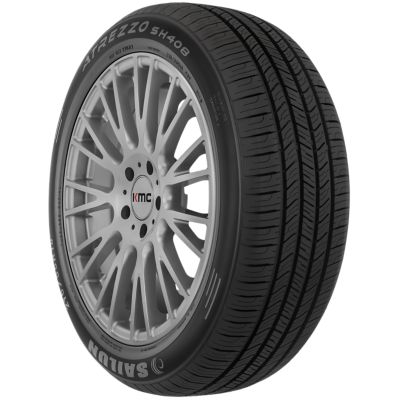
If you're looking for a slightly larger size with strong all-season performance, the Sailun Atrezzo SH408 225/65R17 102H is a popular pick. There are 20405 of these available at $109.99 each. Sailun makes a good tire for the money.
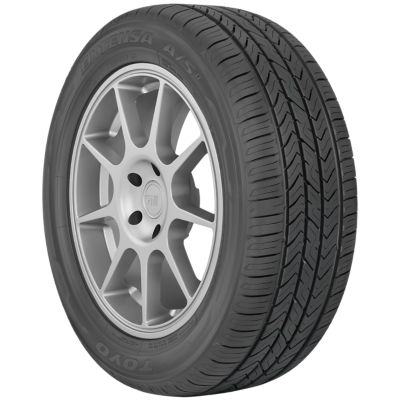
For those who prioritize quality and durability, the Toyo Extensa AS II 205/55R16 91H is an excellent choice. Toyo is known for its consistent quality, and these are in stock with 1211 available at $127.22 each.
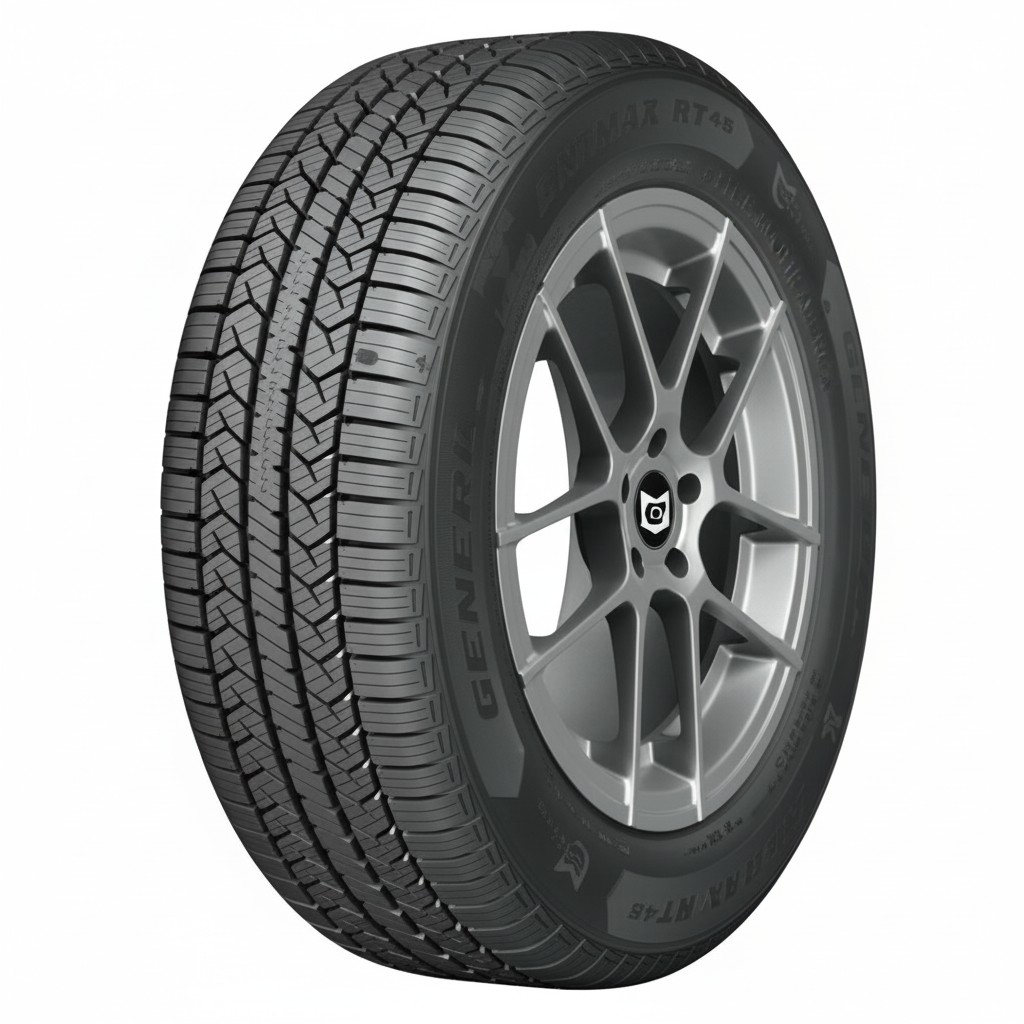
Another strong contender in the all-season touring category is the General AltiMAX RT45 215/65R16 98H All Season Touring Tire. General tires typically offer a smooth ride and good longevity. We have 234 in stock at $129.99 each.
How to verify fitment before buying
Even though this article is about balancing, you still need to make sure you're buying the right tires in the first place. You can't balance a tire that doesn't fit your vehicle. The easiest way to verify fitment is to check the tire size currently on your vehicle. Look at the sidewall for a series of numbers and letters like "P205/65R15" or "LT265/70R17." This is your tire size. The first number is the section width in millimeters, the second is the aspect ratio (sidewall height as a percentage of width), the letter indicates construction type (R for radial), and the last number is the rim diameter in inches.
Another reliable place to find your vehicle's recommended tire size is the sticker on the driver's side door jamb. Sometimes it's inside the glove compartment or in the owner's manual. This sticker will also list the recommended tire pressure. Always match these numbers when buying new tires. If you're unsure, use the tire selector tool on MyTires4Less.com, where you can input your vehicle's year, make, and model to see compatible options. This helps ensure you get a tire that not only fits but also meets the load and speed ratings your vehicle requires.
Top picks
Frequently asked questions
How often should I get my tires balanced?
It's a good practice to get your tires balanced every 5,000 to 7,500 miles, or whenever you have them rotated. You should also get them balanced if you get new tires, hit a significant pothole, or notice any vibrations while driving. Regular balancing helps extend tire life and maintains a smooth ride.
Can an unbalanced tire damage my car?
Yes, an unbalanced tire can definitely cause damage over time. The constant vibration can accelerate wear on your suspension components, like shocks, struts, and wheel bearings. It also leads to uneven and premature tire wear, meaning you'll have to replace your tires sooner than expected, costing you more in the long run.
What's the difference between tire balancing and wheel alignment?
Tire balancing addresses the even distribution of weight around the tire and wheel assembly, preventing vibrations. Wheel alignment, on the other hand, adjusts the angles of your wheels relative to each other and the road. Alignment issues cause pulling, uneven wear across the tread, and steering problems, but not usually vibration.
Why do some shops recommend road force balancing?
Road force balancing is recommended for persistent vibrations that traditional balancing can't fix, or for high-end vehicles where ride quality is paramount. It's more thorough because it simulates road conditions and can detect subtle issues like tire conicity or internal construction variations that a standard balancer would miss. It's the most comprehensive way to ensure a smooth ride.