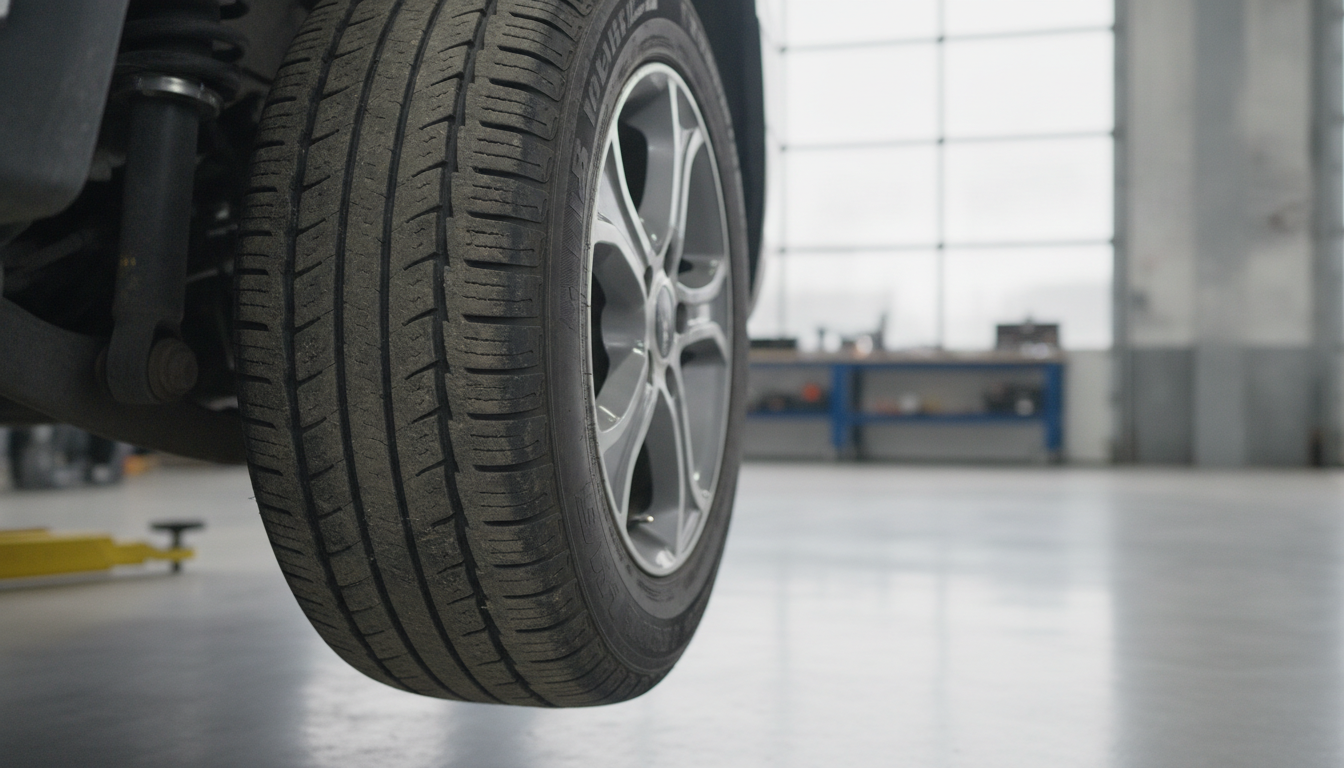
You're driving down the road, and you start to notice a subtle vibration, or maybe a hum that wasn't there before. You check your tires, and what you see isn't just normal wear. Instead, you find a wavy pattern, or scoops taken out of the tread. This is tire cupping, sometimes called scalloping, and it's a clear sign your vehicle's suspension isn't doing its job right.
Cupping occurs when sections of the tire tread wear down more quickly than others, creating a series of dips and rises around the circumference. It can look like someone took a spoon and scooped out parts of the tread. Scalloping is similar, often appearing as uneven wear on the edges of the tread blocks. Both are typically caused by a tire bouncing or vibrating excessively, instead of maintaining consistent contact with the road. This isn't just an aesthetic problem; it means compromised handling, increased road noise, and a significantly shorter lifespan for your tires.
Most common causes
| Cause | Likelihood | DIY-fixable? |
|---|---|---|
| Worn shocks or struts | High | Intermediate |
| Unbalanced tires | High | Beginner |
| Worn wheel bearings | Medium | Intermediate |
| Worn ball joints | Medium | Advanced |
| Worn tie rods | Medium | Intermediate |
| Bent wheel | Low | No |
How to diagnose
Diagnosing tire cupping or scalloping starts with a good visual inspection and a road test. First, feel the tire tread. Run your hand around the circumference of the tire, both with and against the direction of rotation. You'll feel the high and low spots. If it feels like a washboard, you've got cupping. If the edges of the tread blocks are worn unevenly, that's scalloping. Pay close attention to which tires are affected; front tires often show different wear patterns than rear tires due to steering and braking forces.
Next, take your vehicle for a drive. Listen for any new noises, especially a rhythmic hum or rumble that increases with speed. Feel for vibrations through the steering wheel or the seat. These symptoms can give you clues about which corner of the vehicle has the problem. Often, a rhythmic thumping sound indicates a severe cupping issue.
Now, you need to get the vehicle safely off the ground. Use a jack and jack stands to lift the affected wheel. With the wheel off the ground, grab the tire at 12 and 6 o'clock and try to rock it. Then try at 3 and 9 o'clock. Any play you feel could indicate worn wheel bearings, ball joints, or tie rods. A little play is normal on some older vehicles, but excessive movement means trouble. While you're under there, inspect your shocks or struts. Look for any signs of fluid leaks, which indicate a blown seal. Push down on the fender above the wheel; if the vehicle bounces more than once or twice, your shocks are likely worn out.
I've seen countless vehicles come into the shop with cupped tires, and nine times out of ten, the shocks are completely shot. It's an easy thing to overlook until the tire wear becomes undeniable. You can also check for bent wheels by slowly spinning the tire and watching the rim for any wobbles. Even a slight bend can cause a tire to bounce and wear unevenly. Finally, check your tire pressure. While not a direct cause of cupping, incorrect pressure can exacerbate existing suspension issues and accelerate uneven wear.
Parts that commonly need replacing
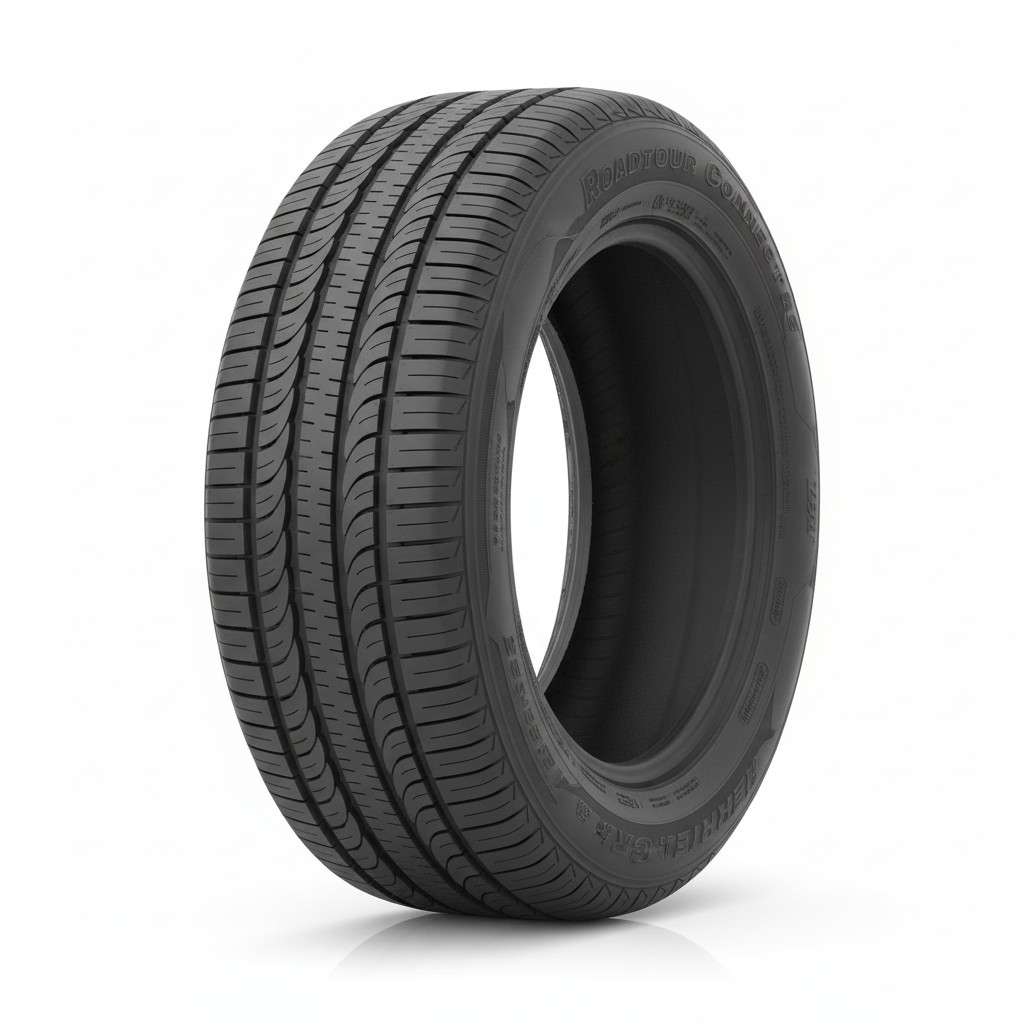
Once you've diagnosed the underlying cause of your tire cupping, you'll need to address it. Often, this means replacing worn suspension components. If your shocks or struts are the culprits, replacing them is crucial. For example, if you're driving a smaller sedan and need a good all-season tire once the suspension is sorted, the Hercules Roadtour Connect AS All Season Tire 205/65R15 94H Blackwall is a solid choice at $85.99, and we have over 250 in stock. It offers a good balance of value and durability.
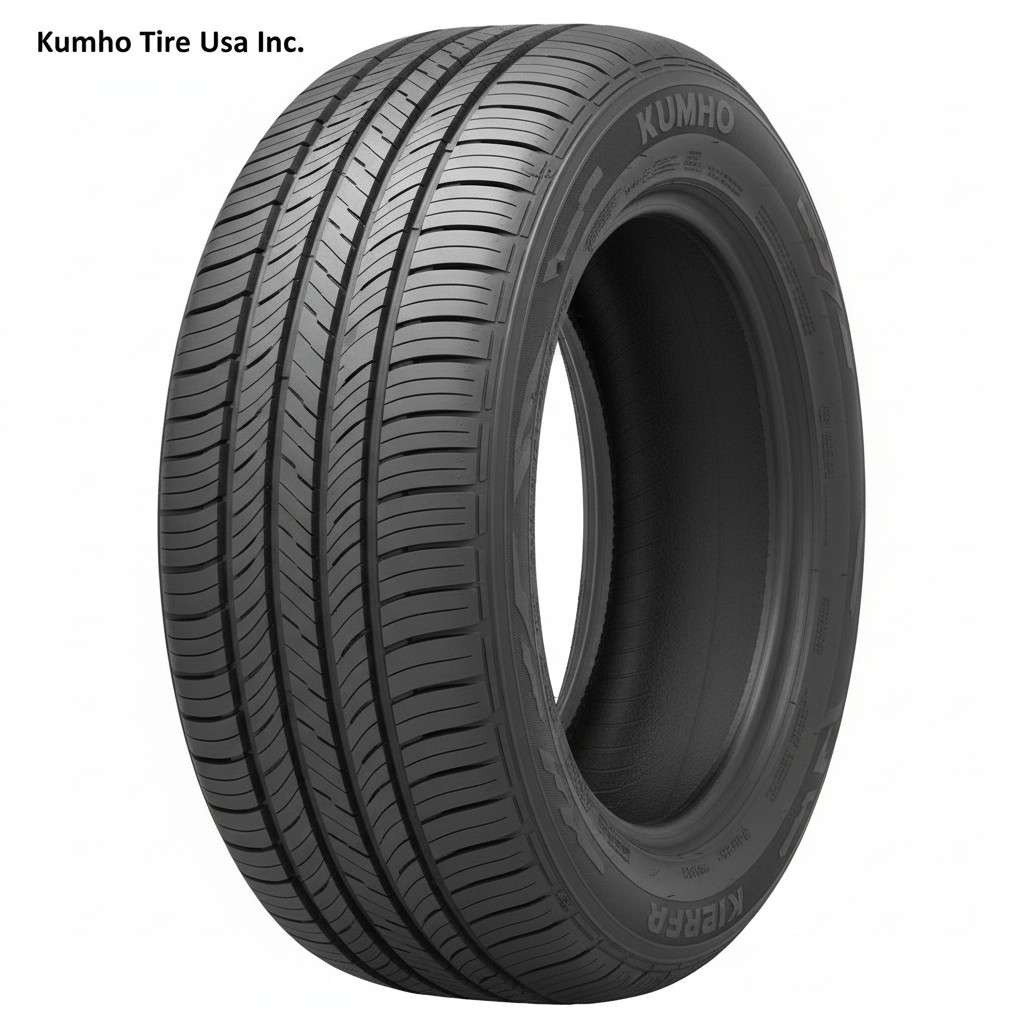
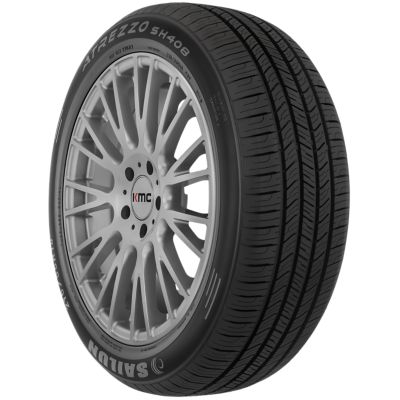
If you're dealing with a larger SUV or light truck, and you've fixed your suspension, you might look at something like the Kumho Crugen HP71 All Season Tire 235/70R16 109H Blackwall. It's priced at $134.99 with over 250 in stock, offering good quality and durability for heavier vehicles. If you need a good mid-range option for a crossover or compact SUV, the Sailun Atrezzo SH408 225/60R17 99H is a popular choice at $96.40, with a massive 11,058 in stock. These tires offer good value once your suspension is back in shape.
Remember, simply replacing the tires without fixing the underlying suspension problem will only lead to the new tires cupping out just as quickly. It's a waste of money and a safety hazard. Always address the root cause first.
Common mistakes
One common mistake is ignoring the symptoms of tire cupping until it’s too late. Many drivers think they can just replace the tires and everything will be fine. This is a costly error. Another mistake is failing to regularly check tire pressure and alignment. Keeping your tires properly inflated and aligned can prevent many issues, including cupping. Lastly, some people neglect to rotate their tires regularly. This can lead to uneven wear patterns that contribute to cupping and scalloping.
When to take it to a shop
While some aspects of diagnosing tire cupping can be done in your driveway, there are times when it's best to call in the professionals. If you're uncomfortable lifting your vehicle, or if your diagnosis points to complex suspension components like ball joints or inner tie rods, a professional shop has the specialized tools and expertise to handle it safely and correctly. Wheel alignment is also critical after replacing most suspension components, and that requires professional equipment. If you've replaced parts but the cupping returns, or if you still have persistent vibrations, it's definitely time to get a second opinion from a trusted mechanic. They can perform a thorough inspection and pinpoint issues you might have missed.
Top picks
Frequently asked questions
What is the difference between tire cupping and scalloping?
Tire cupping refers to a series of dips and rises around the tire's circumference, making it feel like a washboard. Scalloping is similar but often appears as uneven wear on the edges of individual tread blocks. Both indicate uneven tire contact with the road, usually due to suspension issues or imbalance.
Can tire cupping be fixed?
You can't 'fix' the cupped tread itself; once the rubber is gone, it's gone. However, you can fix the underlying cause of the cupping, such as worn shocks, unbalanced tires, or bad wheel bearings. Once the root problem is addressed, new tires will wear evenly. Ignoring the cause means new tires will cup again.
Is it safe to drive with cupped tires?
Driving with severely cupped tires is not safe. It compromises your vehicle's handling, especially in wet conditions, and increases stopping distances. The uneven wear also creates excessive road noise and vibrations, making for an uncomfortable ride. It's best to address the issue and replace the tires promptly.
How can I prevent tire cupping?
Regular tire rotations and balancing are key preventative measures. Also, have your suspension components, like shocks and struts, inspected during routine maintenance. Catching worn parts early and replacing them can prevent cupping and extend the life of your tires significantly.