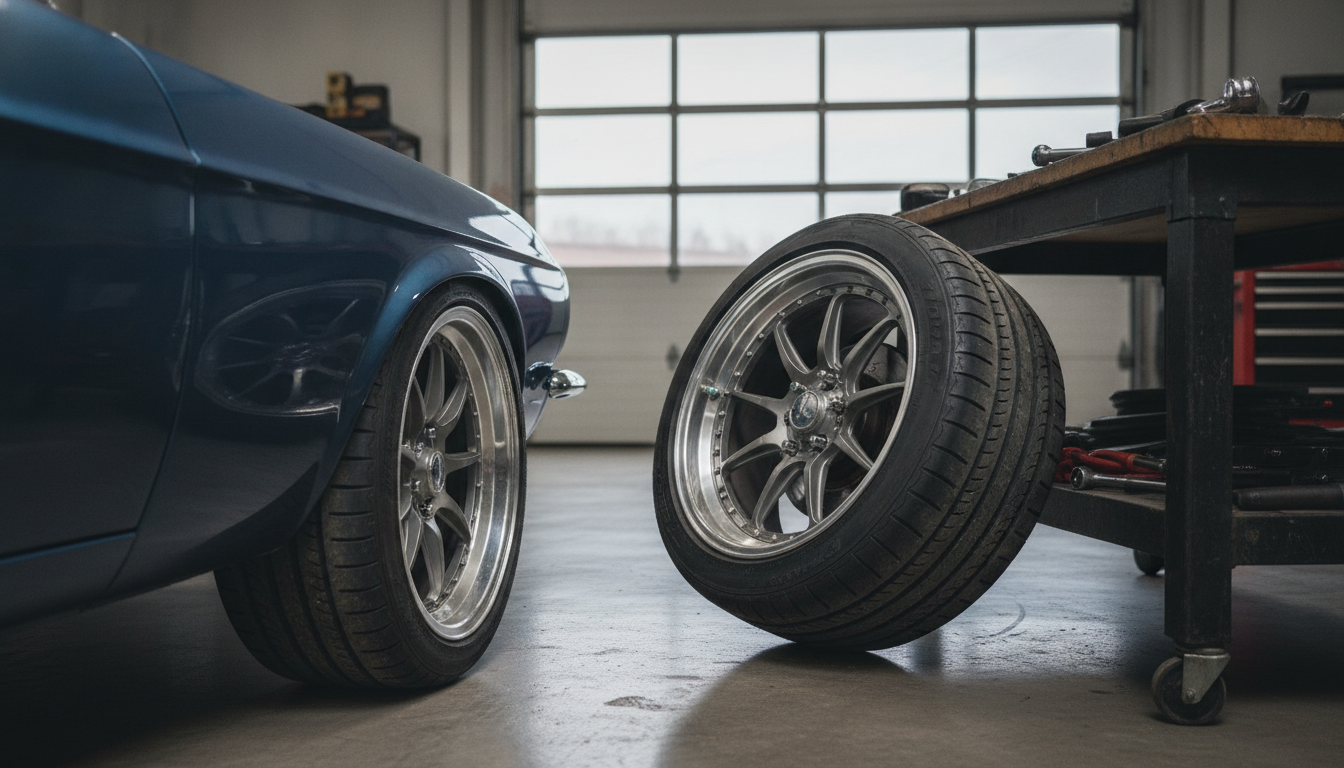
Getting a new set of tires is a pretty common job. But when you're also looking at new wheels, buying them as a pre-assembled package can make a lot of sense. Instead of getting separate boxes of tires and wheels, you get them already mounted and balanced, ready to bolt onto your ride. This saves you a trip to the tire shop for installation and usually saves you some cash on labor too.
What to look for — 4-6 sub-sections covering buying criteria
Proper fitment is key
This is the big one. If the wheels don't fit, nothing else matters. You need to know your vehicle's bolt pattern, offset, and center bore. The bolt pattern tells you how many lug nuts you have and the spacing between them (e.g., 5x114.3mm). Offset is how far the wheel's mounting surface is from its centerline, and it dictates how far in or out the wheel sits in your fender well. Get this wrong, and you'll have rubbing issues or wheels sticking out too far. Center bore is the hole in the middle of the wheel that fits over your hub. Some wheels are hub-centric, meaning they fit snugly; others are lug-centric and rely on the lug nuts to center them. Always verify these specs for your specific vehicle before you buy. Most reputable sellers will have a fitment guide or a tool on their website to help you out.
Tire type for your driving needs
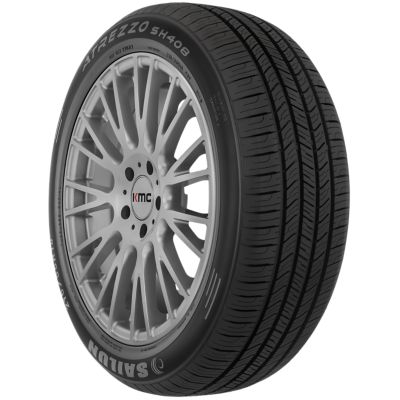
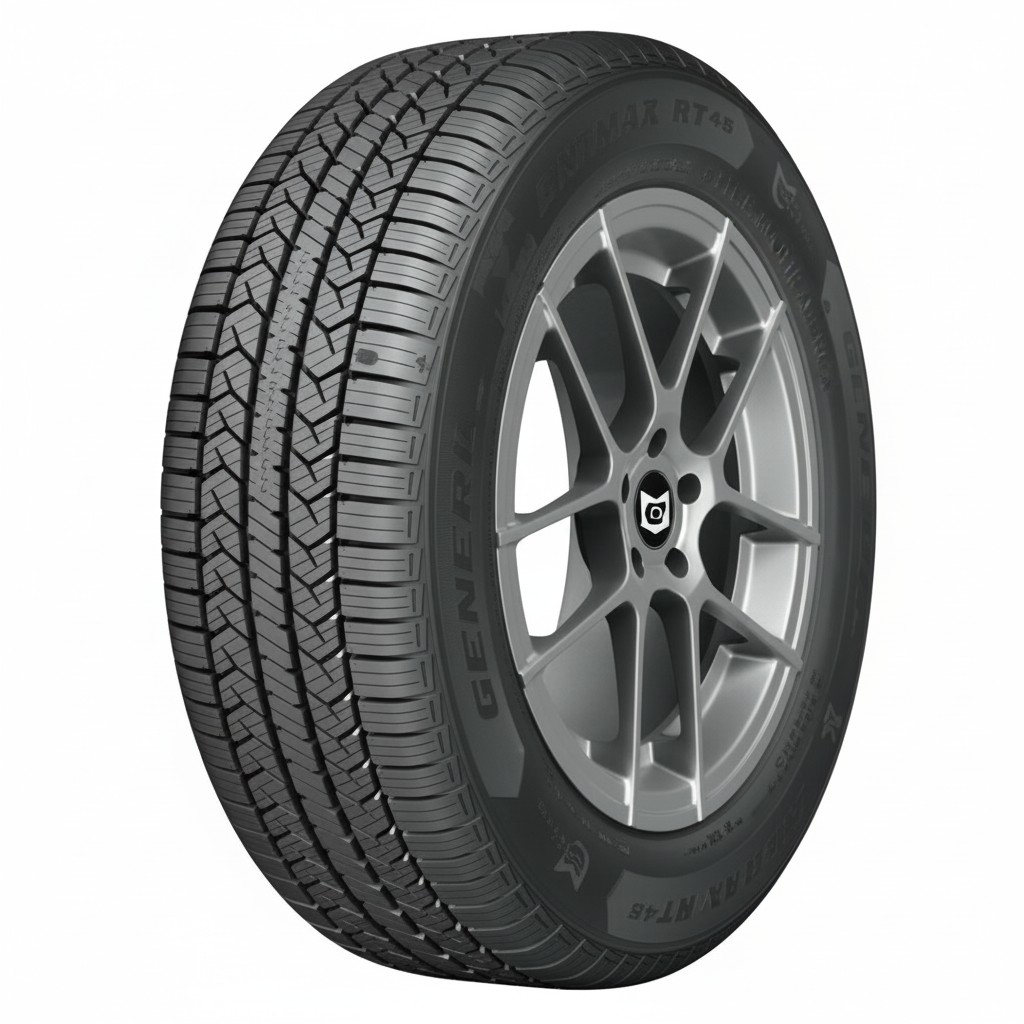
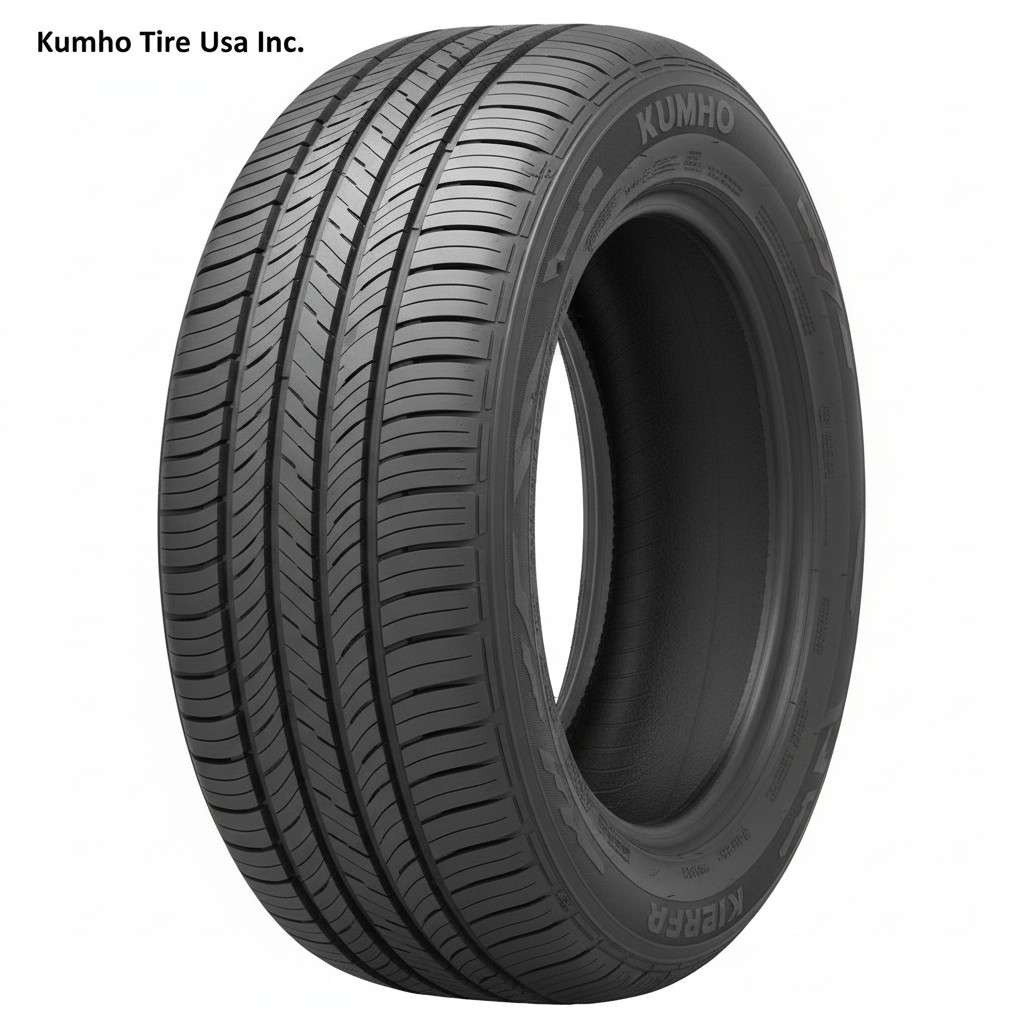
Are you just commuting? Do you hit the track? Live somewhere with snow? The type of tire in your package needs to match your driving. All-season tires like the Sailun Atrezzo SH408 are a popular choice because they offer decent performance in a variety of conditions, from dry roads to light snow. They're a good all-around option for most drivers. If you're looking for something with a bit more comfort and quiet, a touring tire like the General AltiMAX RT45 might be a better fit. For SUVs and light trucks, a tire like the Kumho Crugen HP71 offers good all-season capability and a comfortable ride. Think about your typical driving and pick a tire that makes sense.
Wheel material and construction
Most aftermarket wheels are aluminum alloy. They're lighter than steel wheels, which can improve handling and fuel economy slightly. They also look a lot better. Within alloy wheels, you'll find different manufacturing processes: cast, flow-formed, and forged. Cast wheels are the most common and affordable. Flow-formed wheels are stronger and lighter than cast, but cost more. Forged wheels are the strongest and lightest, but they come with a premium price tag. For most daily drivers, a good quality cast alloy wheel is perfectly fine. If you're into performance or off-roading, you might want to consider flow-formed or forged for their durability.
Aesthetic appeal
Let's be real, you want your car to look good. Wheels are a huge part of that. Do you want a classic five-spoke design, something with a lot of intricate spokes, or a more aggressive, blocky look? What about the finish? Gloss black, matte black, silver, gunmetal, bronze? Some wheels have machined accents. This is purely personal preference, but it's worth spending some time browsing different styles to see what you like. Just remember that some finishes are harder to keep clean than others. I've had customers come back complaining about intricate black wheels showing every speck of brake dust. Pick something you're willing to maintain.
Brand reputation and warranty
Just like tires, wheel brands have reputations. Stick with established brands if you can. They usually have better quality control and stand behind their products. Check for warranties on both the wheels and the tires. Tire warranties often cover treadwear for a certain mileage, and some manufacturers offer road hazard protection. Wheel warranties usually cover manufacturing defects and sometimes the finish. Reading reviews from other buyers can give you a good idea of real-world experiences with specific brands and models.
Quick comparison — markdown table comparing 3-5 specific products from the fact pack
| Tire Name | Size | Retail Price | Stock | Value Score | Quality Score |
|---|---|---|---|---|---|
| Hercules Roadtour Connect AS | 205/65R15 | $85.99 | 250 | 91 | 78 |
| Sailun Atrezzo SH408 | 225/60R17 | $96.40 | 11132 | 90 | 77 |
| General AltiMAX RT45 | 215/65R16 | $129.99 | 250 | 91 | 85 |
| Kumho Crugen HP71 | 235/70R16 | $134.99 | 250 | 88 | 82 |
| Nexen N Priz AH5 | 215/55R17 | $136.00 | 7151 | 76 | 78 |
Top picks — for each, a paragraph with markdown link
Best budget all-season: Hercules Roadtour Connect AS
If you're looking to save some cash without sacrificing too much, the Hercules Roadtour Connect AS All Season Tire is a solid choice. At just $85.99 for the 205/65R15 size, it offers a great value score of 91. It's an all-season tire, meaning it's designed to handle various conditions, and with 250 in stock, you can likely get a full set. It's a reliable option for everyday driving.
Best value performance: Sailun Atrezzo SH408
The Sailun Atrezzo SH408 is a fantastic option if you want a good balance of performance and affordability. The 225/60R17 size is only $96.40, and with over 11,000 in stock, availability isn't an issue. It boasts a value score of 90, making it a smart buy for those who want a capable all-season tire without breaking the bank. Sailun has really stepped up their game in recent years.
Best touring comfort: General AltiMAX RT45
For those prioritizing a smooth, quiet ride, the General AltiMAX RT45 All Season Touring Tire is an excellent choice. The 215/65R16 size retails for $129.99, and it comes with high quality and durability scores. It's designed for comfort and longevity, making it ideal for daily commutes and long road trips. This tire is consistently a customer favorite for its ride quality.
Best for SUVs/light trucks: Kumho Crugen HP71
If you're driving an SUV or light truck, the Kumho Crugen HP71 All Season Tire in the 235/70R16 size is a great fit at $134.99. It offers a strong blend of all-season traction, handling, and ride comfort, which is crucial for larger vehicles. With good quality and durability scores, it's built to handle the demands of heavier applications. I've put these on quite a few trucks and they always perform well.
How to verify fitment before buying
Verifying fitment is critical. You don't want to receive a beautiful new set of wheels and tires only to find they don't bolt up or they rub your fenders. Here’s how to make sure you get it right:
- Know your vehicle's year, make, and model: This is the absolute starting point. Even within the same model, different trim levels or production years can have different wheel specs.
- Find your OEM wheel and tire size: Look at the sticker on your driver's side door jamb or in your owner's manual. This will tell you the factory tire size, wheel diameter, width, and often the offset. It will also list the recommended tire pressure.
- Determine your bolt pattern: This is usually expressed as a number like 5x114.3mm or 6x139.7mm. The first number is how many lug nuts, the second is the diameter of the circle they form. You can often find this online with a quick search for your vehicle. You can also measure it yourself, but it's trickier on 5-lug patterns.
- Check the offset: This is crucial. Offset is the distance from the wheel's mounting surface to its centerline. A positive offset means the mounting surface is closer to the outside of the wheel, pulling the wheel further into the fender. A negative offset pushes the wheel out. Too much or too little offset will cause rubbing or look strange. Most online retailers will have a fitment guide that tells you the acceptable range for your vehicle. If you're unsure, consult your service manual or a tire professional.
- Consider tire diameter: When you change wheel size, you might need to adjust the tire's aspect ratio (the middle number in the tire size, like 60 in 225/60R17) to maintain the overall tire diameter. Keeping the overall diameter close to stock is important for speedometer accuracy and to prevent rubbing. Most tire calculators online can help you compare different sizes.
- Use online fitment tools: Reputable online tire and wheel retailers will have robust fitment tools. You enter your vehicle information, and it will filter results to show only compatible packages. This is the easiest way to ensure compatibility. If a package is listed as fitting your exact vehicle, you can generally trust it.
- Read reviews and forums: See what other owners of your specific vehicle are running. They often share their wheel and tire specs, including any issues they encountered with rubbing or fitment. This real-world feedback can be invaluable.
By taking these steps, you can confidently select a wheel and tire package that not only looks great but also fits and performs perfectly on your vehicle. It’s a little extra work upfront, but it saves a lot of headaches later on.
Top picks
Frequently asked questions
What is a wheel and tire package?
A wheel and tire package is a set of wheels and tires that are purchased together. The key benefit is that the tires are typically mounted onto the wheels and balanced before they are shipped to you, making them ready for immediate installation on your vehicle.
Why should I buy a mounted and balanced package?
Buying a mounted and balanced package saves you time and money. You avoid paying extra labor costs at a local shop for mounting and balancing. Your new wheels and tires arrive ready to bolt on, simplifying the installation process significantly.
How do I know if a package will fit my car?
To ensure fitment, you need to know your vehicle's bolt pattern, wheel offset, and the correct tire size. Most online retailers provide fitment guides where you can input your vehicle's year, make, and model to see compatible packages. Always double-check these specifications.
What types of tires are available in packages?
Wheel and tire packages come with various tire types to suit different needs. You can find packages with all-season tires for general use, touring tires for comfort and longevity, performance tires for spirited driving, and even specific options for SUVs or light trucks, such as the Kumho Crugen HP71.