When you're looking to tow anything, whether it's a small utility trailer or a big travel camper, the hitch you use is the connection point. It's not just about bolting something to the back of your truck or SUV; it's about making sure that connection is strong enough for the load you're pulling. Understanding tow hitch classes is fundamental to safe towing, and it's something I've seen folks get wrong more times than I can count in the shop. Picking the right one means you're not overstressing your vehicle, your hitch, or your trailer, and you're keeping everyone on the road safe.
What to look for
Gross trailer weight (GTW) and tongue weight (TW)
These are the two big numbers you need to know. Gross Trailer Weight (GTW) is the total weight of your fully loaded trailer. Tongue Weight (TW) is the downward force the trailer applies to the hitch ball. Both are critical. If your trailer's GTW is too high for your hitch, you risk a catastrophic failure. If your TW is too low, the trailer can sway dangerously; too high, and it can overload your vehicle's rear suspension and affect steering. Always aim for a tongue weight that's 10-15% of your GTW. You can measure tongue weight with a special scale or, for lighter trailers, even a bathroom scale with a clever setup.
Vehicle towing capacity
Your vehicle has its own towing limits, specified by the manufacturer. This isn't just about the hitch; it includes the engine, transmission, frame, brakes, and suspension. Never exceed your vehicle's maximum towing capacity, regardless of what your hitch is rated for. Your owner's manual is the definitive source for this information. Exceeding these limits can lead to premature wear on components, overheating, reduced braking performance, and unstable handling.
Weight distribution hitches
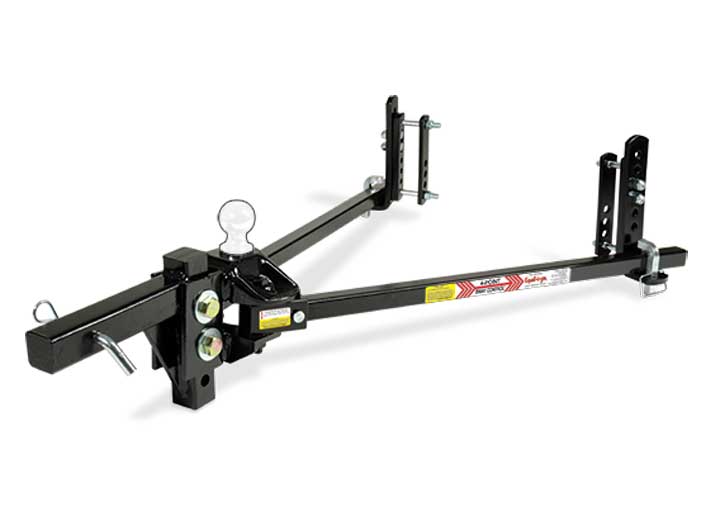
For heavier trailers, especially those with a high tongue weight, a weight distribution hitch is essential. It uses a system of spring bars and cam arms to distribute the tongue weight more evenly across all axles of both the tow vehicle and the trailer. This helps level the vehicle, improve steering and braking, and reduce trailer sway. Without one, a heavy trailer can cause the rear of your tow vehicle to sag, lifting the front wheels and reducing steering control. The Equalizer 4-Point Sway Control Weight Distribution Hitch 10,000 lb GTW With Adjustable Shank, for example, is available for $701.22 and is designed for trailers up to 10,000 pounds GTW.
Brake controllers
If your trailer has electric brakes, you'll need a brake controller in your tow vehicle. This device activates the trailer's brakes simultaneously with your vehicle's brakes, or independently if you need to manually apply them to correct sway. It's a legal requirement in many places for trailers over a certain weight. Don't skip this. Relying solely on your vehicle's brakes to stop a heavy trailer is a recipe for disaster.
Hitch receiver size
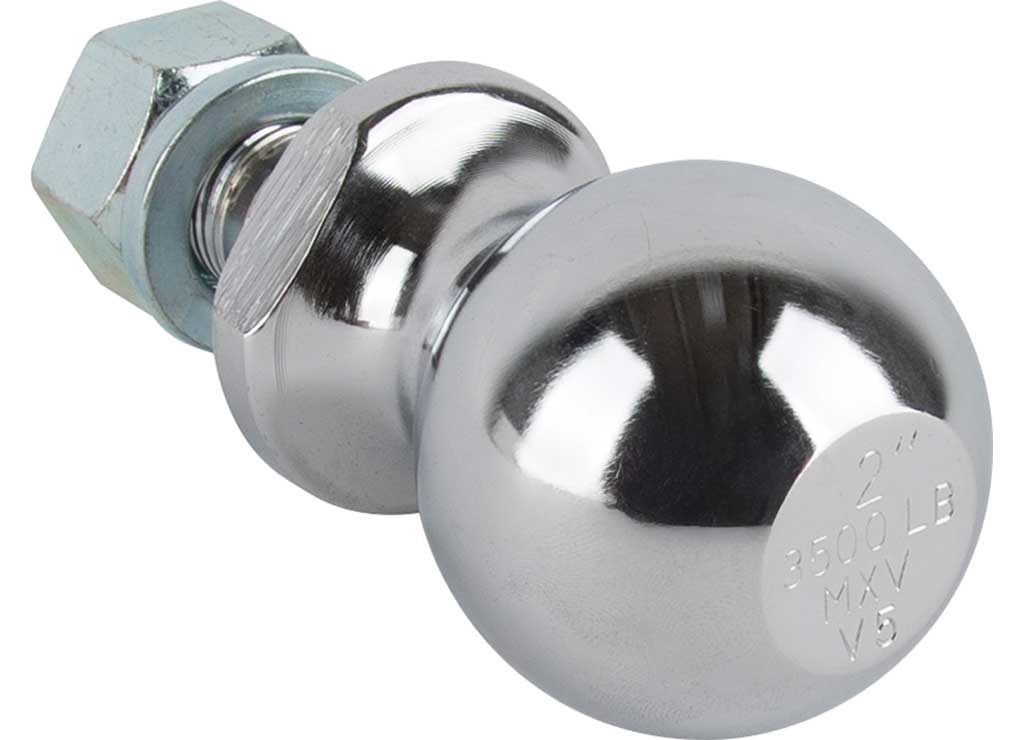
Hitch receivers come in different square opening sizes, typically 1.25 inches, 2 inches, and 2.5 inches. Your hitch ball mount needs to match this size. Make sure you get the right fit. A 2 inch x 3/4 inch x 1 3/4 inch 3500 LBS Hitch Ball, like the one from Tow-Rite for $5.07, is a common choice for Class III hitches.
Quick comparison
| Hitch Class | Receiver Size | Max GTW (lbs) | Max TW (lbs) | Common Uses |
|---|---|---|---|---|
| Class I | 1.25" | 2,000 | 200 | Bike racks, small utility trailers |
| Class II | 1.25" | 3,500 | 350 | Small boats, pop-up campers |
| Class III | 2" | 8,000 | 800 | Mid-size travel trailers, car haulers |
| Class IV | 2" | 10,000-12,000 | 1,000-1,200 | Large travel trailers, heavy equipment |
| Class V | 2" or 2.5" | 17,000+ | 1,700+ | Fifth wheels, goosenecks, very heavy trailers |
Top picks
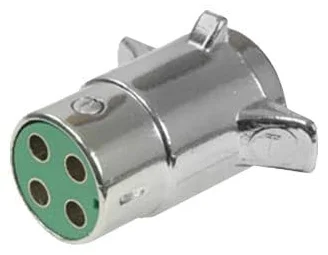
For general utility and moderate towing, a solid Class III hitch combined with a quality ball is usually the sweet spot. You'll want a reliable hitch ball like the Tow-Rite 2 Inch x 3/4 Inch x 1 3/4 Inch 3500 LBS Hitch Ball, available for $5.07. It's a common size and rated for up to 3500 lbs, which covers a lot of ground. For those needing to manage heavier loads and maintain stability, the Equalizer 4-Point Sway Control Weight Distribution Hitch 10,000 lb GTW With Adjustable Shank is an excellent choice. It's priced at $701.22 and offers significant improvements in towing safety and control for larger trailers. Don't forget the electrical connection; a Pollak 4-Way Flat Trailer Connector Plug for $5.08 is a basic but essential piece of equipment for trailer lights.
Common mistakes
One common mistake is underestimating the importance of matching your hitch to your vehicle's specifications. Many people think any hitch will do, but mismatched components can lead to dangerous situations. Another mistake is neglecting to check the weight distribution when loading your trailer. Always ensure that the load is balanced to prevent sway and maintain control.
What changes the answer
The towing capacity can vary significantly based on your vehicle's configuration. For example, a truck with a towing package will have a higher capacity than the same model without it. Additionally, the type of trailer you are towing can also affect how you should set up your hitch. Always consult your vehicle's owner's manual and consider your specific setup before making a decision.
Top picks
Frequently asked questions
What is the difference between a Class III and Class IV hitch?
The main difference is towing capacity. A Class III hitch typically handles up to 8,000 pounds GTW and 800 pounds TW, usually with a 2-inch receiver. A Class IV hitch can tow 10,000-12,000 pounds GTW and 1,000-1,200 pounds TW, also commonly with a 2-inch receiver. Always check the specific ratings of the hitch you're considering.
Do I need a weight distribution hitch?
You'll likely need a weight distribution hitch if your trailer's tongue weight is more than 500 pounds, or if your tow vehicle sags significantly when the trailer is attached. It helps distribute the load evenly, improving steering, braking, and overall stability, especially with larger travel trailers or heavy cargo haulers.
How do I know my vehicle's towing capacity?
Your vehicle's towing capacity is listed in your owner's manual. It's a critical number that includes factors like engine power, transmission, and frame strength. Never guess this figure, and never exceed it, regardless of your hitch's rating. This ensures safe operation and prevents damage to your vehicle.