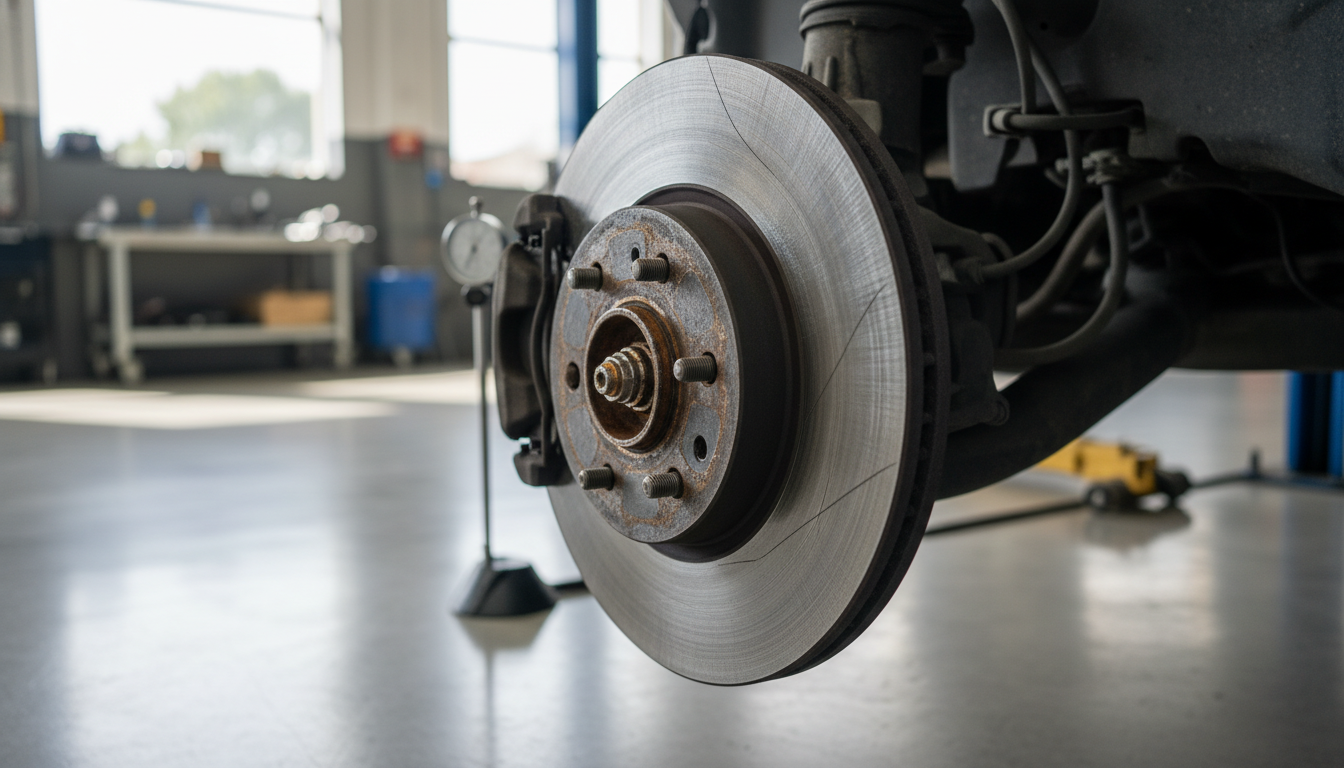
When you hit the brakes and feel a pulsing sensation through the pedal or a shiver in the steering wheel, your mind probably jumps to "warped rotors." It's a common term, but it's a bit of a misnomer. Rotors rarely warp in the way a piece of wood might. What you're usually feeling is uneven transfer of brake pad material onto the rotor surface, or sometimes a rotor that's developed thickness variations. Either way, it means your braking surfaces aren't perfectly smooth, and that's what causes the vibration.
This issue usually starts subtly and gets worse over time. Ignoring it won't make it go away; in fact, it can lead to longer stopping distances and accelerated wear on other suspension components. Let's break down what's happening and how to get your brakes feeling smooth again.
Most common causes
| Cause | Likelihood | DIY-fixable? |
|---|---|---|
| Uneven pad material transfer | High | Yes |
| Overheating (hard braking, dragging) | High | Yes |
| Caliper issues (sticking pins) | Medium | Yes |
| Improper wheel lug nut torque | Medium | Yes |
| Rotor thickness variation | Low | Yes |
Uneven pad material transfer
This is the big one. When brake pads get excessively hot, especially after repeated hard stops, the pad material can deposit unevenly onto the rotor surface. This creates high and low spots, which the caliper then tries to clamp down on. That's the pulsing you feel. It's not the rotor itself bending out of shape, but rather the friction surface becoming inconsistent.
Overheating
Hard braking, especially downhill or when towing, generates a lot of heat. If the brakes don't get a chance to cool down, that heat can cause the pad material to break down and stick to the rotor. Another common culprit for overheating is a dragging caliper. If your caliper isn't releasing properly, the pads stay in light contact with the rotor, generating constant heat and accelerating wear. I've seen more than a few vehicles with one seized slide pin, causing the outer pad to wear to nothing while the inner pad looks fine. That's a classic sign of a dragging caliper.
Caliper issues
Beyond just dragging, a caliper with sticky pistons or worn guide pins can cause uneven pressure on the brake pads. This leads to uneven wear on the pads and, you guessed it, uneven heating and material transfer on the rotor. You might also notice your vehicle pulling to one side when you brake if only one caliper is seizing up.
Improper wheel lug nut torque
This one might surprise you, but it's a real factor. If your lug nuts aren't torqued evenly or to the correct specification, it can put uneven stress on the rotor hat. Over time, this stress can cause the rotor to deform slightly or lead to thickness variations, resulting in vibration. Always use a torque wrench when putting wheels back on.
Rotor thickness variation
While less common than pad material transfer, rotors can develop actual thickness variations. This usually happens over a long service life, especially if the pads are worn down too far or if the rotor itself has manufacturing defects. When the caliper squeezes a rotor with varying thickness, the pads momentarily lose and regain full contact, causing the pulsing sensation.
How to diagnose
Diagnosing warped brake rotor symptoms is mostly about feel and observation. You're looking for a pulsing pedal, a vibrating steering wheel, or sometimes even a vibration through the seat of your pants. Here's how to narrow it down:
- Test drive and observe: Drive the vehicle and pay close attention to when the symptoms occur. Does it only happen when braking? Does it get worse with harder braking? Does it happen at certain speeds? If the vibration is constant, even without braking, then you're likely looking at a wheel balance issue or suspension problem, not brakes.
- Visual inspection: Park the vehicle on a level surface. With the wheels off, inspect the rotor surfaces. Look for dark spots, streaks, or discoloration – these are signs of overheating and uneven pad material transfer. You might also see visible grooves or gouges, which indicate worn pads or debris caught in the caliper.
- Check for runout: This is the most accurate way to check if a rotor is truly out of spec. You'll need a dial indicator mounted to a sturdy stand. Attach the stand to a suspension component and position the indicator tip against the rotor's friction surface, about an inch from the outer edge. Slowly rotate the rotor by hand and watch the dial indicator. Consult your service manual for the maximum allowable runout for your specific vehicle. Anything beyond that spec means the rotor is likely the cause.
- Inspect calipers and guide pins: With the wheels off, try to move the caliper by hand. It should slide freely on its guide pins. If it's stiff or stuck, the pins might be seized. Pull the pins out, clean them thoroughly, and re-lubricate them with high-temp brake grease. Also, check the caliper piston for smooth operation – if it's sticky, you might need a new caliper.
- Check lug nut torque: If you've recently had your wheels off, double-check the lug nut torque with a torque wrench. Unevenly torqued lug nuts can induce runout.
Parts that commonly need replacing
If you've determined your rotors are the problem, you'll almost always replace the brake pads at the same time. Installing new pads on an old, compromised rotor is just asking for the problem to come back quickly. Here are some parts you might need:
- Rotors: These are the main components. You'll need to match them to your specific vehicle's make, model, and year. Rotors come in various designs, including solid, vented, drilled, and slotted, each with different performance characteristics.
- Brake pads: Always replace pads in axle sets (both front or both rear). Choose the right pad compound for your driving style – ceramic for low dust and quiet operation, or semi-metallic for more aggressive stopping power.
- Caliper guide pins and boots: If your guide pins are corroded or the boots are torn, replace them. This ensures the caliper can float freely and apply even pressure. You won't find specific caliper guide pins in our current inventory, but you can usually find universal kits at your local parts store.
- Brake fluid: If you're replacing calipers or bleeding the system, you'll need fresh brake fluid. Make sure to use the correct DOT rating for your vehicle.
- Hardware kits: Many brake pad sets come with new abutment clips, but if yours don't, or if the old ones are corroded, replace them. These clips allow the pads to slide freely in the caliper bracket.
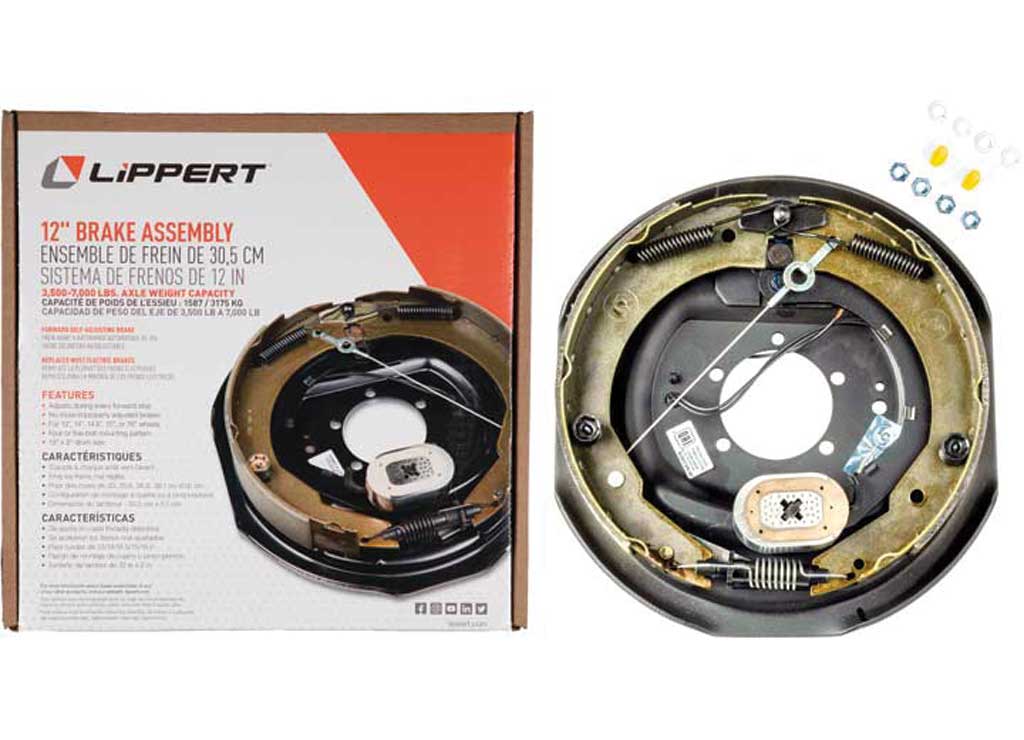
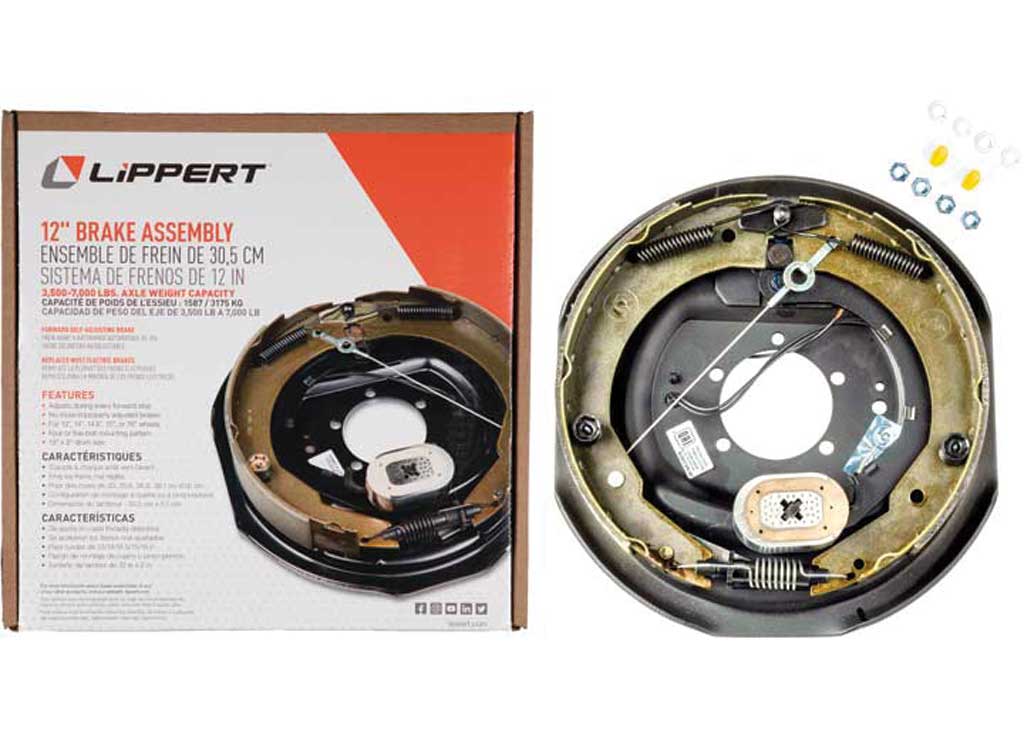
We don't carry specific brake rotors or pads for passenger vehicles, but we do have some brake components for trailer applications, like the Lippert Components 12 Inch Electric Trailer Brake Assembly Left Hand for $63.39 or the Lippert Components 12 x 2.00 Inch Left Hand Electric Trailer Brake Assembly for $59.50. For smaller brake line repairs, you can grab an Ags Poly-Armour Brake Line 3/16 Inch x 8 Inch Length for $5.11.
When to take it to a shop
While diagnosing and even replacing rotors and pads is a very common DIY job, there are times when it's better to let a professional shop handle it:
- Lack of proper tools: If you don't have a torque wrench, jack stands, or the right sockets, don't try to wing it. Safety first. You can also pick up small items like Howe Brass Bleeder Screws 1/8 Inch NPT for $5.02 to have on hand.
- Uncertain diagnosis: If you've gone through the diagnostic steps and still aren't sure what's causing the problem, a shop has specialized equipment and experience to pinpoint the issue quickly.
- Complex brake systems: Some modern vehicles have electronic parking brakes or integrated hub/rotor assemblies that require special tools or diagnostic procedures. If you're not familiar with your system, a shop is a safer bet.
- Beyond basic brake components: If the issue seems to be with the master cylinder, ABS module, or brake lines themselves, that's usually beyond the scope of a typical DIY brake job and requires professional expertise.
- Time constraints: Sometimes you just don't have the time or space to tackle a repair. A shop can get it done efficiently.
Remember, your brakes are critical for safety. Don't put off addressing any issues you feel. Smooth braking isn't just comfortable; it's essential for safe driving.
Top picks

Frequently asked questions
What does a warped brake rotor feel like?
You'll typically feel a pulsing sensation through the brake pedal when you apply the brakes. You might also notice a vibration in the steering wheel or even through the floorboards, especially during moderate to hard braking. This feeling often gets worse the harder you press the pedal.
Can you drive with warped rotors?
While you technically can drive with warped rotors, it's not recommended. The pulsing and vibration indicate compromised braking performance, which can lead to longer stopping distances and reduced control. It also puts undue stress on other suspension and steering components, accelerating their wear.
What causes rotors to warp?
The most common cause isn't actual warping, but uneven deposits of brake pad material onto the rotor surface. This happens when brakes get excessively hot from hard use or a dragging caliper. Improper lug nut torque can also contribute to thickness variations over time.
Can warped rotors be resurfaced?
Yes, sometimes. If the rotors have enough material left and the runout isn't too severe, a machine shop can resurface them. However, it's often more cost-effective and provides better long-term results to simply replace the rotors and pads, especially on modern vehicles with thinner rotors.
How do I prevent warped rotors?
Preventing warped rotors involves good braking habits and proper maintenance. Avoid prolonged, hard braking, especially downhill. Ensure your calipers are sliding freely and not dragging. Always use a torque wrench to tighten lug nuts to factory specifications when reinstalling wheels.