If you're considering new wheels for your truck, you've probably run into terms like "offset" and "backspacing." These aren't just fancy words; they're critical measurements that determine whether a wheel will actually fit your vehicle without rubbing, interfering with suspension components, or causing handling problems. Getting this wrong can be a real headache, leading to wasted time and money.
Understanding these measurements is key to picking the right set of wheels. It’s not just about how they look, but how they function with your specific truck's geometry. Let's break down what these terms mean and why they matter.
What to look for — 4-6 sub-sections covering buying criteria
Understanding wheel offset
Wheel offset is the distance from the wheel's mounting surface (where it bolts to the hub) to the true centerline of the wheel. This measurement is usually given in millimeters. You'll see it listed as positive, negative, or zero offset.
- Positive offset: The mounting surface is outboard of the wheel's centerline. This means the wheel sits further in toward the vehicle's suspension and fender. Most factory wheels have a positive offset to keep the tires tucked in.
- Negative offset: The mounting surface is inboard of the wheel's centerline. This pushes the wheel out away from the vehicle, creating a wider stance. Many aftermarket wheels for trucks, especially those going for an aggressive look, use negative offset.
- Zero offset: The mounting surface is exactly at the wheel's centerline. This is less common but does exist.
Choosing the right offset is crucial. Too much positive offset can cause the tire to rub on suspension components or the inner fender. Too much negative offset can make the tire stick out too far, rubbing on the outer fender or fender flares, especially when turning or hitting bumps. It also changes the scrub radius, which can affect steering feel and wear on wheel bearings.
Understanding backspacing
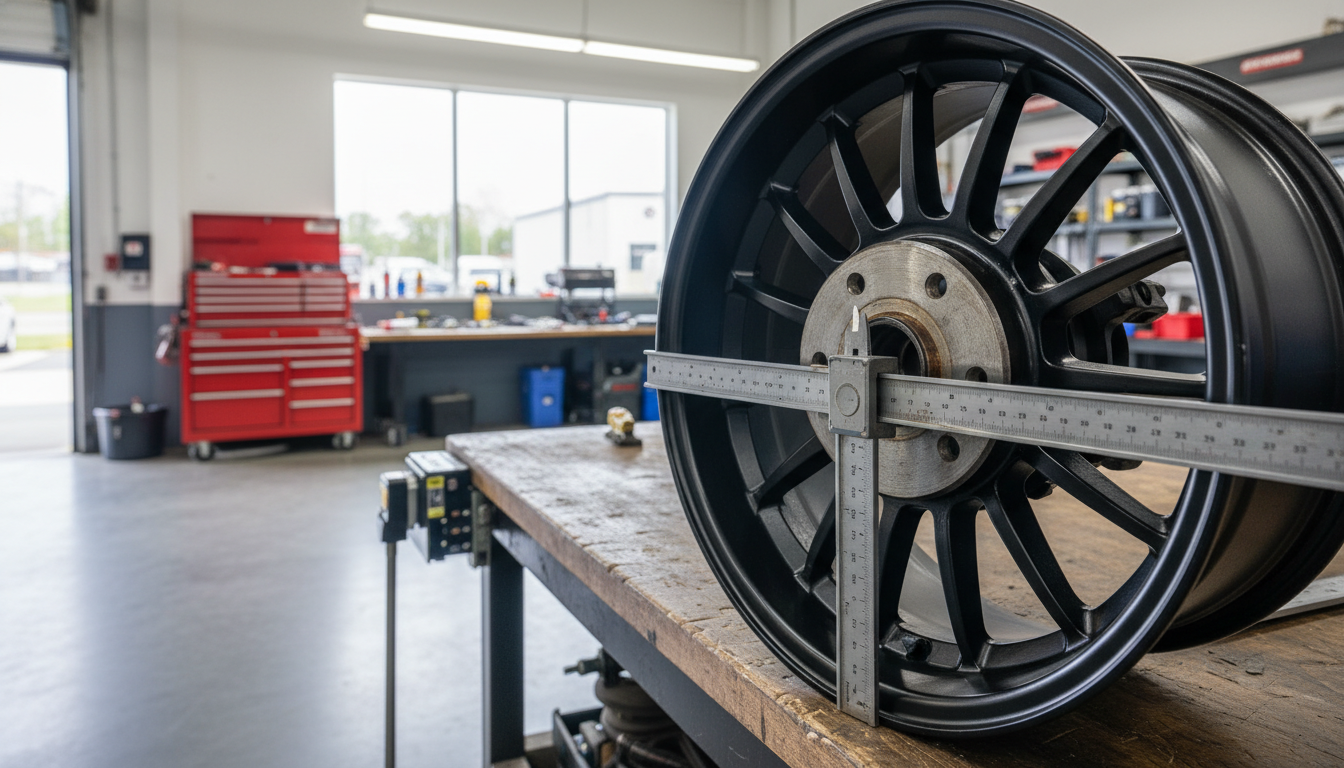
Backspacing is a simpler measurement to visualize. It's the distance from the wheel's mounting surface to the inside edge of the wheel. You measure this from the mounting flange to the very back lip of the wheel. This measurement is typically in inches.
Think of it this way: if you lay a wheel face down on the ground, backspacing is the distance from the ground to the mounting pad. A higher backspacing number means the wheel sits further in toward the vehicle. A lower backspacing number means the wheel sits further out.
Backspacing and offset are directly related. If you know one, and you know the wheel width, you can calculate the other. Many wheel manufacturers provide both, but sometimes you'll only see one. When I'm looking at wheels for a customer, I always try to get both numbers to make sure we're not going to have any clearance issues. It saves a lot of grief later on.
Why these measurements matter for fitment
Getting the right offset and backspacing is essential for several reasons beyond just avoiding rubbing. These measurements impact:
- Tire clearance: The most obvious concern. You don't want your new tires scrubbing against fenders, frame, or suspension parts.
- Suspension clearance: Ensure the wheel barrel and spokes clear brake calipers, control arms, and other suspension components.
- Steering geometry: Changing the scrub radius too much can affect how your vehicle steers and handles, potentially making it feel twitchy or heavy. It can also accelerate wear on steering and suspension components.
- Appearance: Negative offset pushes wheels out, giving a wider stance. Positive offset keeps them tucked in. It's a big part of the aesthetic you're going for.
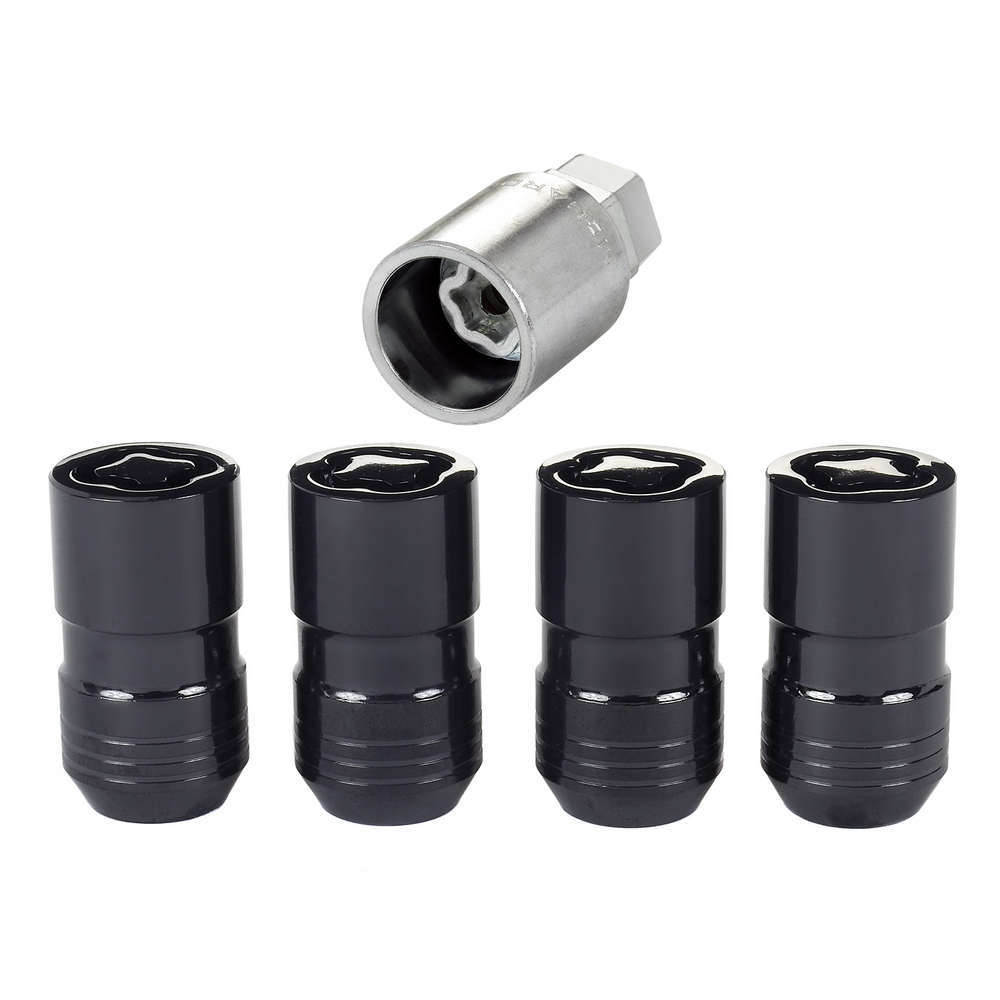
- Load capacity: While not directly related to offset/backspacing, ensuring proper fitment helps maintain the structural integrity of your wheel and hub assembly. You'll want sturdy wheel studs like the Dorman Wheel Stud M12-1.50 Thread Serrated Knurl if you're replacing any, though they're currently out of stock. For securing your new wheels, a set of Mcgard Black Cone Seat Wheel Lock Set 14mm x 1.50 Thread 4 Pack is a good idea, available for $36.87.
Measuring your current setup
Before you buy new wheels, it's a good idea to measure your existing wheels, especially if they fit well and you're just looking for something similar. You'll need a straight edge and a tape measure.
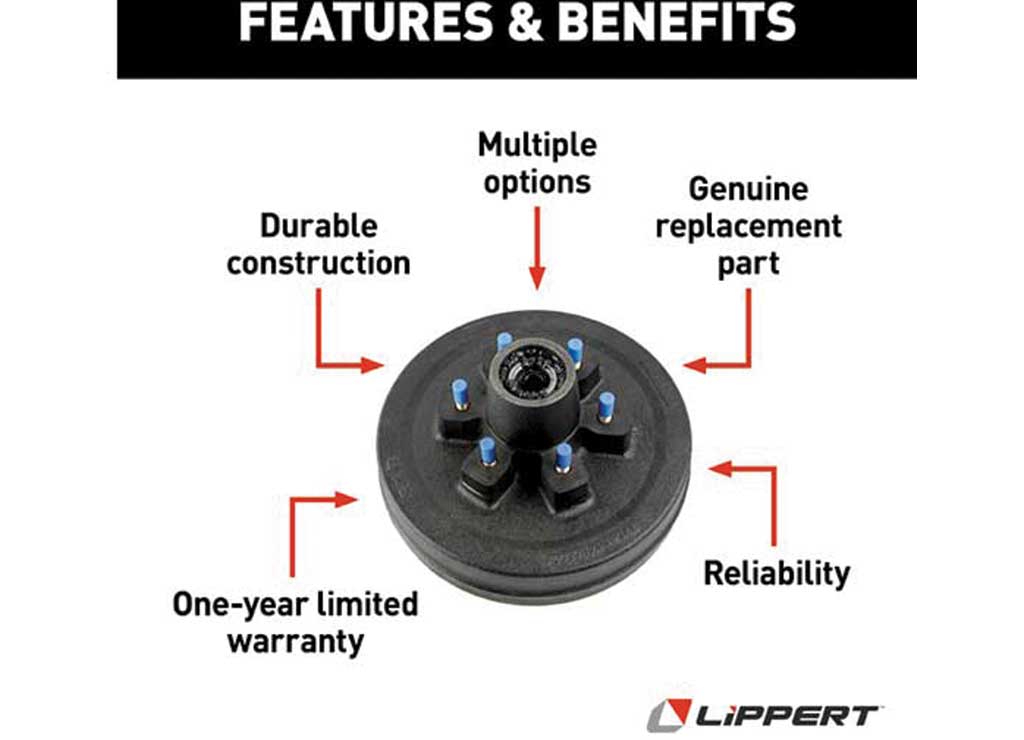
- Remove the wheel: Get the wheel off the vehicle. If you're working on a trailer, you might be looking at something like a Lippert Components Trailer Hub Assembly 6 on 5.5 inch Bolt Pattern 3500 lb Axle, which sells for $75.57 and has 317 in stock.
- Measure overall width: Lay the wheel face down. Measure from the very back lip to the very front lip. This is the overall width, not the stated wheel width (which is bead seat to bead seat).
- Measure backspacing: With the wheel still face down, place a straight edge across the back lip of the wheel. Measure from the mounting pad (where the wheel bolts to the hub) up to the straight edge. That's your backspacing.
- Calculate offset: Once you have the overall width and backspacing, you can calculate the offset. First, find the true centerline: divide the overall width by two. Then, subtract the backspacing from the centerline. Convert inches to millimeters (1 inch = 25.4 mm) for the final offset number. If the backspacing is less than the centerline, you have negative offset. If it's more, you have positive offset.
What if I'm lifting my truck?
Lifting your truck often means you'll want larger tires, and larger tires almost always require a different wheel offset and backspacing than stock. A lift kit changes the geometry and often provides more vertical clearance, but you still need to consider horizontal clearance, especially when turning. Many lift kit manufacturers will recommend specific wheel and tire sizes, along with required offset or backspacing ranges. Stick to their recommendations to avoid issues. You might need less positive or even negative offset to push the tires out and clear suspension components that are now in a different position.
Quick comparison
| Product Name | Brand | Retail Price | Stock | Value Score | Quality Score | Durability Score |
|---|---|---|---|---|---|---|
| Mcgard Black Cone Seat Wheel Lock Set 14mm x 1.50 Thread 4 Pack | Mcgard | $36.87 | 293 | 84 | 92 | 91 |
| Lippert Components Trailer Hub Assembly 6 on 5.5 inch Bolt Pattern 3500 lb Axle | Lippert Comp | $75.57 | 317 | 90 | 91 | 90 |
| Valterra TireMinder TPMS Transmitters | Valterra Llc | $132.25 | 232 | 75 | 78 | 80 |
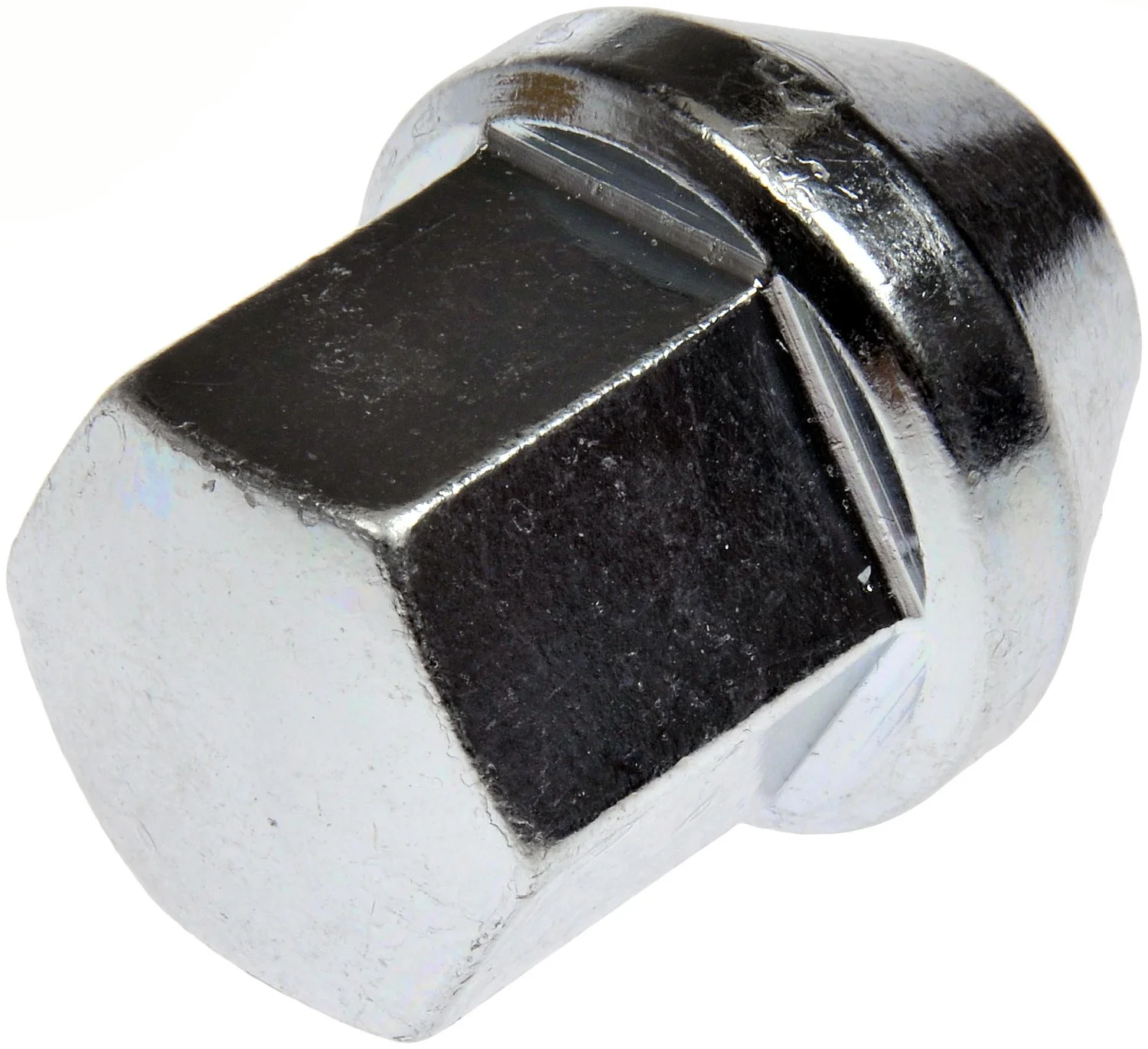
| Dorman Stainless Steel Capped Wheel Lug Nut 9/16-18 Thread Standard Cone Seat | Dorman | $5.15 | 121 | 87 | 89 | 90 |
Top picks
For securing your wheels against theft, the Mcgard Black Cone Seat Wheel Lock Set 14mm x 1.50 Thread 4 Pack is a solid choice. With 293 units in stock and a retail price of $36.87, these locks offer excellent quality and durability scores, giving you peace of mind that your investment in new wheels is protected.
If you're working on a trailer and need a reliable hub assembly, the Lippert Components Trailer Hub Assembly 6 on 5.5 inch Bolt Pattern 3500 lb Axle is a great option. Priced at $75.57 with 317 in stock, it boasts high value, quality, and durability scores, making it a dependable component for your trailer's wheel system.
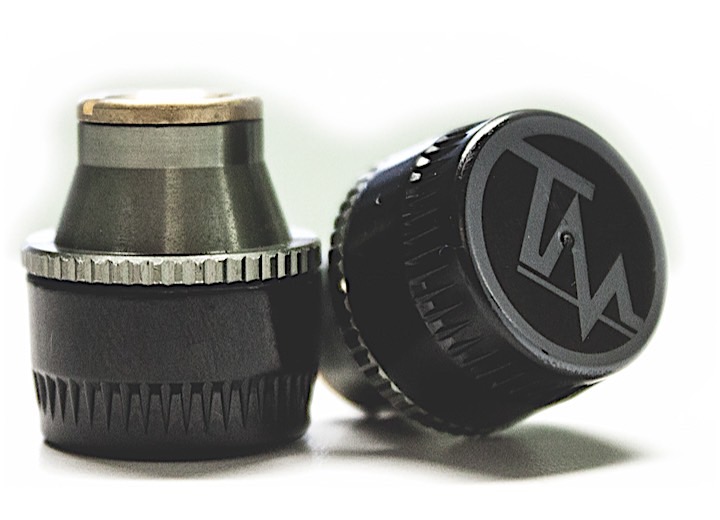
For maintaining proper tire pressure, especially on larger vehicles or trailers, consider the Valterra TireMinder TPMS Transmitters. While a bit pricier at $132.25, these transmitters help you monitor your tire health, which is critical for safety and tire longevity. There are 232 units available.
How to verify fitment before buying
Before you hit the "buy" button, you need to double-check everything. This is where a little extra effort saves a lot of headaches.
- Consult your vehicle's service manual or manufacturer specs: This is your first and best source. It will often list acceptable wheel sizes, offsets, and backspacing ranges for your specific model. Pay attention to bolt pattern too; a 6 on 5.5 inch bolt pattern is common on many trucks and trailers, like the Lippert hub assembly we discussed.
- Use online fitment guides: Many wheel retailers have fitment tools on their websites. Input your vehicle's year, make, and model, and they'll show you compatible wheels. These are usually pretty accurate, but it's still good to cross-reference.
- Measure existing clearance: If you're going for a larger tire or a more aggressive stance, measure the clearance you have with your current wheels. Turn the steering wheel lock-to-lock, compress the suspension (if possible), and look for potential rub points. Pay attention to the inner fender, frame, brake lines, and suspension components. This is where knowing your current backspacing and offset, and comparing it to the new wheel's specs, helps you predict how much further in or out the new wheel will sit.
- Consider tire size: Remember that the tire itself takes up space. A wider tire on the same wheel will extend further inward and outward. A taller tire needs more vertical clearance. Always consider the tire dimensions in conjunction with the wheel's offset and backspacing.
- Talk to an expert: If you're still unsure, call a reputable tire or wheel shop. They deal with fitment issues daily and can often give you specific advice for your truck. It's better to ask a question than to buy wheels that don't fit. You don't want to be stuck with a set of wheels that rub your brake hangers or cause other issues.
Getting the right wheel offset and backspacing is fundamental to a successful wheel upgrade. Take your time, do your measurements, and don't guess. Your truck will thank you for it.
Top picks
Frequently asked questions
What is the main difference between wheel offset and backspacing?
Offset is the distance from the wheel's mounting surface to its true centerline, measured in millimeters, and can be positive, negative, or zero. Backspacing is the distance from the mounting surface to the wheel's inner edge, measured in inches. Both describe how far a wheel sits in or out relative to the vehicle.
Can incorrect wheel offset damage my truck?
Yes, incorrect offset can lead to several problems. It can cause tires to rub on fenders or suspension components, affect steering geometry and handling, and accelerate wear on wheel bearings and other steering/suspension parts. Always aim for an offset that is within your vehicle's recommended range.
How do I measure backspacing on my current wheels?
To measure backspacing, remove the wheel and lay it face down. Place a straight edge across the back lip of the wheel. Then, measure the distance from the wheel's mounting surface (where it bolts to the hub) up to the straight edge. This measurement is your backspacing.
Do I need different offset if I lift my truck?
Often, yes. Lifting your truck and installing larger tires typically requires a different wheel offset and backspacing than stock. Lift kit manufacturers usually provide recommendations for wheel and tire sizes, along with specific offset or backspacing ranges to ensure proper clearance and maintain handling characteristics.