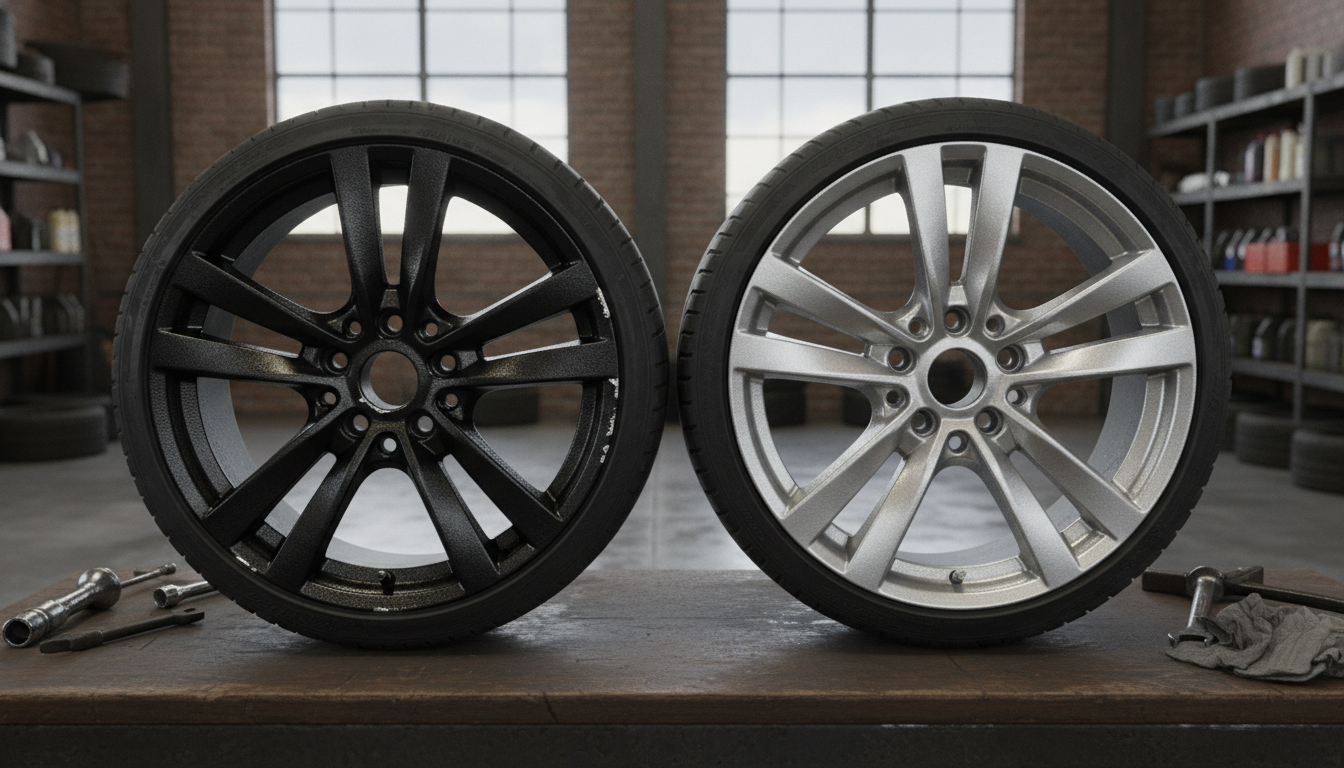
Why this matters for your
When you're looking to refresh your wheels, or protect a new set, you've got two main options for applying a finish: powder coating or painting. Both methods can give your wheels a fresh look, but they're fundamentally different in how they're applied and, more importantly, how long they'll hold up. The choice you make here directly impacts the longevity of your wheel's appearance and its resistance to the daily grind of road debris, weather, and brake dust. Understanding these differences helps you make a choice that lasts, whether you're cruising city streets or hitting the trails.
Before you start: when NOT to DIY
While a fresh finish can dramatically improve your wheels, there are times when it's best to leave the job to a professional shop. If your wheels have significant structural damage, like deep cracks, bends, or severe corrosion that compromises the wheel's integrity, a cosmetic finish won't fix that. Those issues need professional assessment and repair, or outright replacement. Trying to coat a damaged wheel just hides the problem, which can be a serious safety hazard. Also, if you don't have access to proper safety gear, a well-ventilated space, or the specialized equipment for powder coating, a shop is a safer bet.
- Wheels with structural cracks or bends.
- Deep gouges or missing material on the wheel face or barrel.
- Severe corrosion that has pitted the metal deeply.
- Lack of proper personal protective equipment (respirator, gloves, eye protection).
- No access to a clean, dust-free environment for application.
- No access to an oven for powder coating curing.
Step-by-step procedure
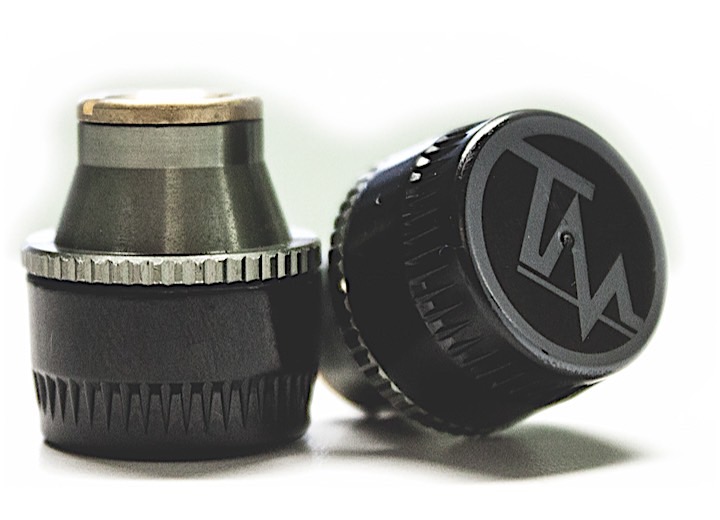
Step 1 — Remove the wheels and tires First things first, get the vehicle safely on jack stands. Loosen the lug nuts while the vehicle is still on the ground, then lift it. Remove the lug nuts completely and take off the wheels. If you're planning to finish the entire wheel, you'll need to have the tires dismounted. This is typically done at a tire shop. You'll also need to remove any TPMS sensors, like the Valterra TireMinder TPMS Transmitters, if you have them. Be careful not to damage the sensor or valve stem during removal.
Step 2 — Clean the wheels thoroughly This is a critical step for either process. You need to get rid of all dirt, grease, brake dust, and old finish. Start with a strong degreaser and a stiff brush, then rinse completely. For stubborn brake dust, a dedicated wheel cleaner might be necessary. I always use a pressure washer for this step if one is available – it saves a ton of scrubbing time and gets into all the nooks and crannies. Make sure the wheels are completely dry before moving on.
Step 3 — Strip the old finish For the best results, you need to strip the old finish down to bare metal. This can be done chemically with paint stripper, or mechanically with sanding or media blasting. Media blasting (like sandblasting or soda blasting) is usually the most effective and efficient method, especially for powder coating, as it also creates a good surface profile for adhesion. If you're doing this by hand, start with a coarser grit sandpaper (around 80-120 grit) and work your way up to a finer grit (220-320) for a smooth finish.
Step 4 — Repair any imperfections Once you're down to bare metal, inspect the wheels for any curb rash, nicks, or scratches. For minor imperfections, you can use a body filler designed for metal or aluminum. Apply it, let it dry, and then sand it smooth. For deeper damage, professional wheel repair might be needed. You want a perfectly smooth surface before applying any new finish.
Step 5 — Prepare for painting (if painting) If you're painting, this involves priming. Apply several thin, even coats of automotive primer, allowing each coat to flash off according to the product instructions. Sand lightly with fine-grit sandpaper (400-600 grit) between coats to ensure a smooth base. After the final primer coat, clean the wheel with a tack cloth to remove any dust before applying color.
Step 6 — Prepare for powder coating (if powder coating) For powder coating, after stripping and cleaning, the wheel needs to be completely dry and free of any contaminants. You'll then apply the dry powder using an electrostatic gun. This charges the powder particles, making them stick to the grounded metal wheel. This process requires specialized equipment and a dedicated spray booth for proper application and safety.
Step 7 — Apply the finish (paint or powder) For painting, apply several thin, even coats of your chosen automotive paint. Again, allow adequate flash time between coats. For the best durability and gloss, follow with several coats of clear coat. Sand lightly with very fine grit (800-1000) between clear coats if you're aiming for a show-quality finish. For powder coating, once the powder is applied, the wheel goes into an oven. The heat melts the powder, allowing it to flow and form a smooth, continuous film, which then cures and hardens into a durable finish.
Step 8 — Cure and cool For painted wheels, allow the paint and clear coat to fully cure according to the manufacturer's recommendations. This can take several days or even weeks for full hardness. For powder-coated wheels, the curing process in the oven is crucial. Once cured, the wheels need to cool down slowly to room temperature. Don't rush this step, as improper cooling can affect the finish's durability.
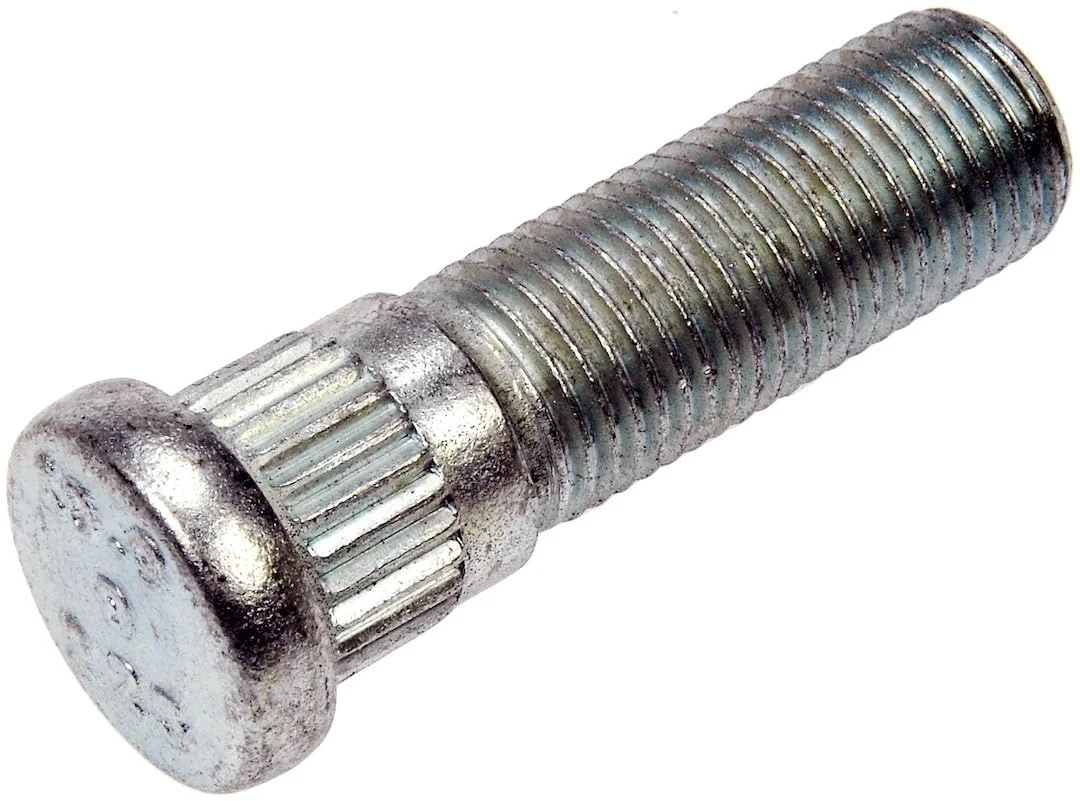
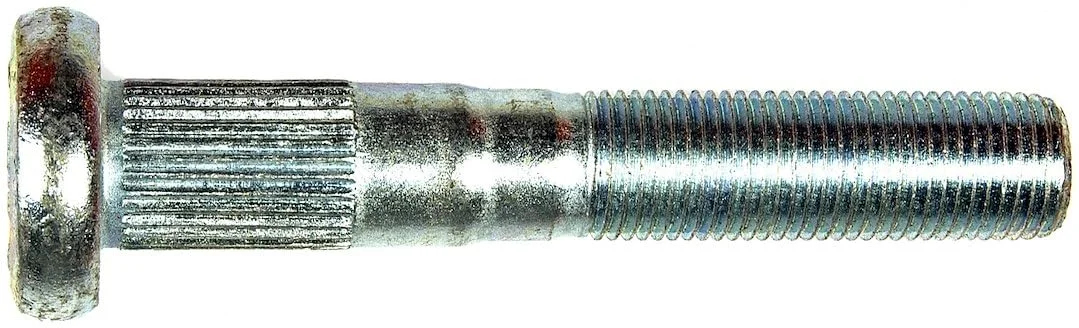
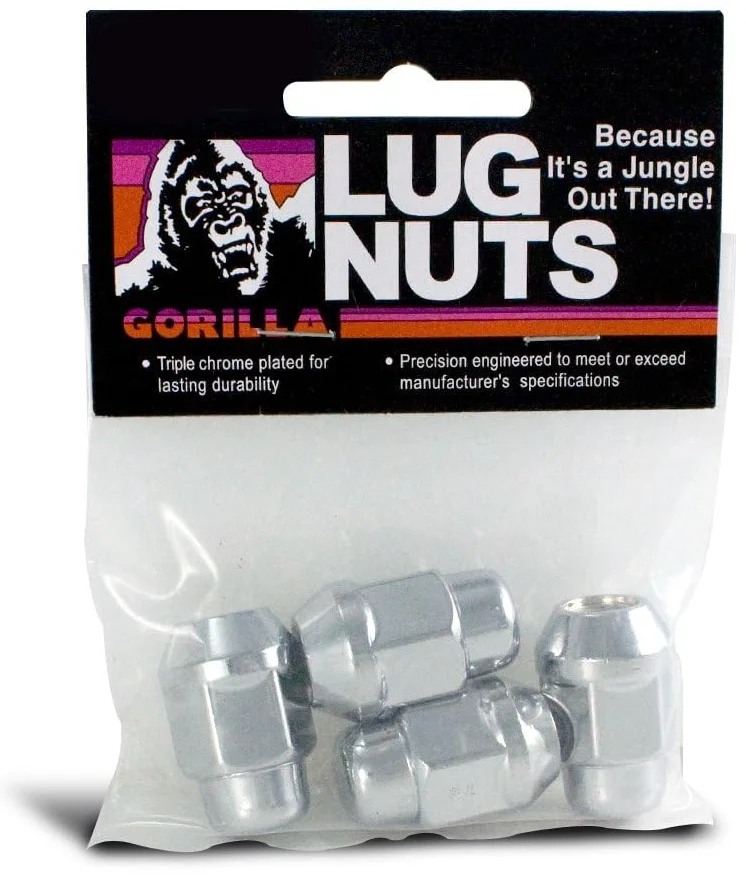
Step 9 — Remount tires and reinstall wheels Once the finish is fully cured and cooled, take your wheels back to the tire shop to have the tires remounted and balanced. Make sure they use proper mounting techniques to avoid scratching your new finish. Reinstall the wheels on your vehicle, tightening the lug nuts in a star pattern. Consult your service manual for the correct torque specifications for your vehicle's lug nuts. For example, a Dorman Wheel Bolt 9/16-18 Thread Length 1.00 Inch or Gorilla Automotive Acorn Bulge Lug Nuts 1/2 Inch Thread 13/16 Inch Hex 4 Pack would need specific torque values. Always double-check the torque after about 50-100 miles of driving.
Bedding-in the new pads
This section isn't applicable to wheel finishing. Bedding-in is a procedure for new brake pads and rotors to ensure optimal performance and prevent premature wear. It involves a series of controlled stops to transfer an even layer of friction material from the pads to the rotors. Since we're talking about refinishing wheels, there's no bedding-in process needed.
How often to replace front brake pads
This section also isn't applicable to wheel finishing. The frequency of brake pad replacement depends on driving habits, vehicle type, and the quality of the pads. Generally, front brake pads last anywhere from 30,000 to 70,000 miles. You'll know it's time to replace them when you hear a squealing sound (from the wear indicators), feel a pulsation in the pedal, or notice a significant decrease in braking performance. A visual inspection will also show if the friction material is getting thin.
Top picks
Frequently asked questions
Which is more durable, powder coating or painting?
Powder coating generally offers superior durability. It creates a thicker, more chip-resistant, and abrasion-resistant finish compared to traditional liquid paint. It also holds up better against chemicals and UV exposure, making it a longer-lasting option for wheels.
Is powder coating more expensive than painting wheels?
Typically, powder coating is more expensive upfront than a basic paint job. This is due to the specialized equipment required for electrostatic application and high-temperature curing. However, its enhanced durability can lead to lower long-term costs by reducing the need for frequent touch-ups or re-finishing.
Can I DIY powder coat my wheels at home?
While DIY powder coating kits exist, it's a more involved process than painting. It requires an electrostatic gun to apply the powder and a large oven capable of reaching high temperatures (around 400°F) to cure the finish. Achieving professional-quality results at home can be challenging without proper equipment and experience.
Which finish offers more color and design options?
Painting generally offers a wider range of colors, finishes, and custom design possibilities, including intricate graphics and multi-color schemes. Powder coating has a good selection of colors and textures, but it can be more limited for very specific custom artistic designs or metallic flake options compared to liquid paint.