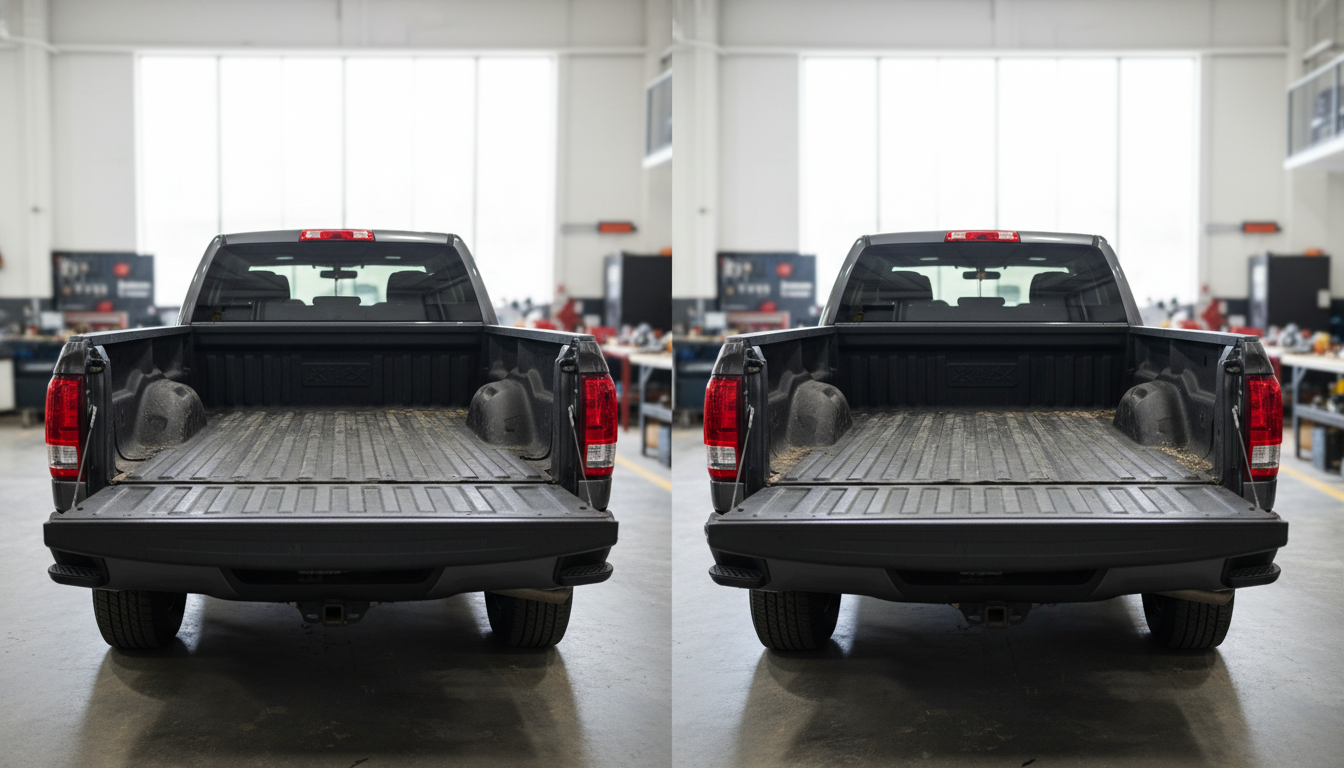
Deciding on a bed liner for your truck comes down to how you use your truck and what kind of protection you're after. You've got two main options: spray-in or drop-in. Both serve the same basic purpose: protecting your truck bed from dents, scratches, and corrosion. But they go about it in very different ways, and each has its own set of pros and cons.
A truck bed takes a beating. Whether you're hauling lumber, tools, gravel, or even just groceries, things slide around, bang into the sides, and scratch the paint. Without some kind of protection, your bed will look pretty rough in no time, and rust will start to set in. That's where bed liners come in.
What to look for — 4-6 sub-sections covering buying criteria
Durability and protection
This is probably the biggest factor for most truck owners. How well will the liner stand up to abuse? Spray-in liners, once cured, form a permanent bond with your truck bed. They're typically made from polyurethane or polyurea, which are incredibly tough materials. They resist impacts, abrasions, and chemical spills. Because they conform to every curve and crevice, they offer a seamless layer of protection. They won't crack or warp under extreme temperatures, and they're generally UV resistant, so they won't fade or chalk up over time. This makes them a solid choice if you're constantly throwing heavy, sharp objects in the back.
Drop-in liners, on the other hand, are rigid plastic shells. They're good at absorbing impacts, but because they're not bonded to the bed, there's often a small gap between the liner and the truck bed. This gap can allow vibrations and rubbing to occur, leading to paint abrasion underneath the liner. They can also crack or warp over time, especially in extreme heat or cold. If you're using your truck for light-duty hauling, a drop-in might be sufficient, but for serious work, a spray-in generally offers superior long-term durability.
Cost and value
Initial cost is a big differentiator. Drop-in liners are almost always cheaper upfront. You can pick one up for a few hundred bucks, and installation is usually free if you buy it from a shop, or a quick DIY job. For example, a Dee Zee Heavyweight Truck Bed Mat for an 8-foot bed on a 2007-2014 Chevrolet Silverado or GMC Sierra is only $107.69. This makes them attractive for budget-conscious buyers or those who don't plan on keeping their truck for many years. However, consider the potential for damage to the bed underneath over time, which could lead to rust repair down the road.
Spray-in liners are a bigger investment. Professional installation can run from $500 to over $1,000, depending on the size of your bed and the specific product. This cost covers the material, prep work (which is extensive), and the labor. While the initial cost is higher, the long-term value often makes up for it. They add to your truck's resale value, and their superior protection can prevent costly rust repairs. You're paying for a permanent, custom-fit solution.
Installation process
This is where the DIY factor comes in. Drop-in liners are designed for easy installation. You literally just drop them into the bed, and they usually have some attachment points to secure them. It's a job you can complete in 15-30 minutes with basic hand tools. No special skills or equipment are needed. This is a huge plus if you like doing things yourself and want immediate protection.
Spray-in liners are a much more involved process. It starts with thorough cleaning and degreasing of the truck bed. Then, every surface that isn't getting sprayed has to be meticulously masked off. This includes the bed rails, tailgate edges, and any drain holes. After masking, the bed surface is usually scuffed or sanded to create a good adhesion surface. Finally, the liner material is sprayed on in multiple coats. This entire process can take several hours, and proper ventilation and safety gear are critical. I've done my share of these, and the prep work is what takes the longest. If you miss a spot with the masking tape, you'll be spending even more time cleaning up overspray. It's definitely a job best left to professionals unless you have experience with automotive painting and access to the right equipment.
Aesthetics and appearance
Looks matter, especially if your truck is more than just a workhorse. Spray-in liners generally have a more integrated, factory-finished look. They conform perfectly to the contours of your bed, creating a seamless appearance. Most come in black, but some shops offer custom colors. The textured finish also provides a non-slip surface, which is a practical aesthetic benefit. It looks like it belongs there.
Drop-in liners, being pre-formed plastic, can look a bit more utilitarian. They often have ribs or channels for drainage, and while functional, they don't always have the sleek appearance of a spray-in. The fit can vary slightly between brands and truck models, and sometimes you'll see small gaps. If you're going for a clean, custom look, a spray-in liner usually wins out.
Quick comparison — markdown table comparing 3-5 specific products from the fact pack
| Feature | Spray-In Liner | Drop-In Liner | Bed Mat (e.g., Dee Zee DZ77005) |
|---|---|---|---|
| Protection | Excellent against impact, abrasion, rust | Good against impact, some abrasion, potential rust | Good for impact, anti-slip, limited abrasion/rust |
| Cost | High (professional install: $500-$1000+) | Low (DIY: $100-$300) | Very Low (e.g., $107.69) |
| Installation | Professional, complex, multi-day | Easy DIY, 15-30 minutes | Super easy DIY, minutes |
| Fit | Custom, seamless, permanent | Pre-formed, can have gaps, removable | Custom cut to fit, removable |
| Durability | Extremely high, UV stable, won't crack/warp | Moderate, can crack/warp, abrasion underneath | High for impact, can shift, not full bed coverage |
| Resale Value | Adds value | Neutral to slightly negative | Neutral |
Top picks — for each, a paragraph with markdown link
While we don't carry specific spray-in liner kits for DIY installation (most are professional-grade), and drop-in liners are highly vehicle-specific, we do have excellent products that can complement or serve as alternatives to these options.
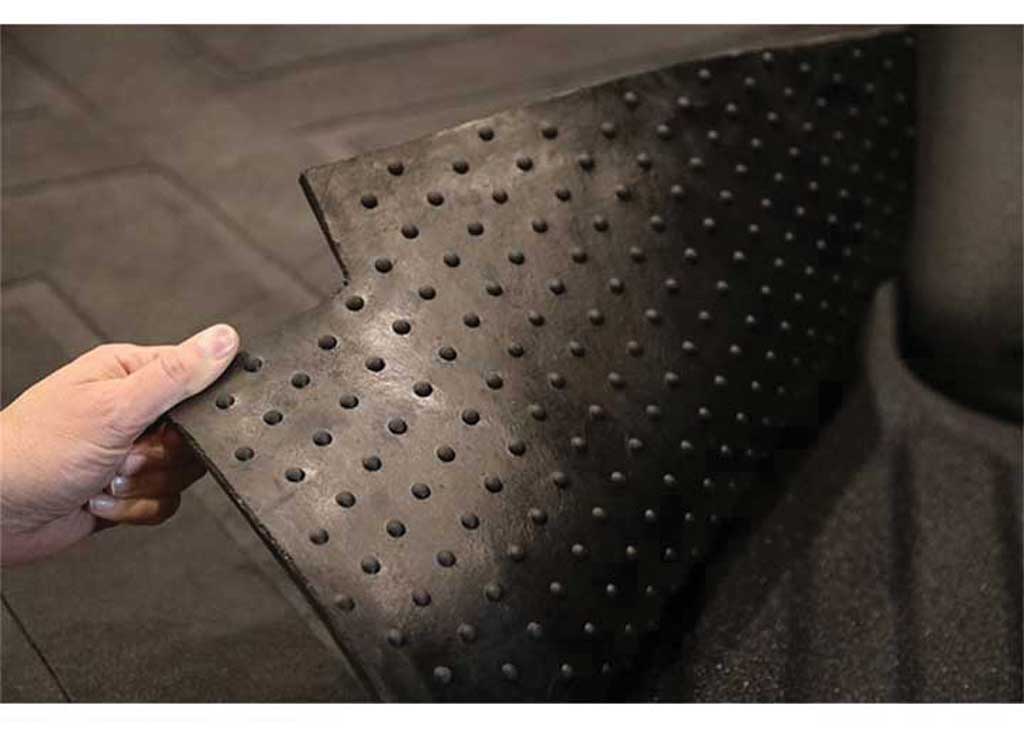
For basic bed protection and preventing cargo from sliding around, a high-quality bed mat is a fantastic choice. The Dee Zee Heavyweight Truck Bed Mat DZ77005 is a great example. It's designed for 8-foot beds on 2007-2014 Chevrolet Silverado and GMC Sierra trucks. At only $107.69, it offers significant impact protection and an anti-slip surface. It's not a full bed liner, but it's perfect for keeping your cargo in place and protecting the bed floor from dings and scratches. We have 271 of these in stock, so you won't have to wait.
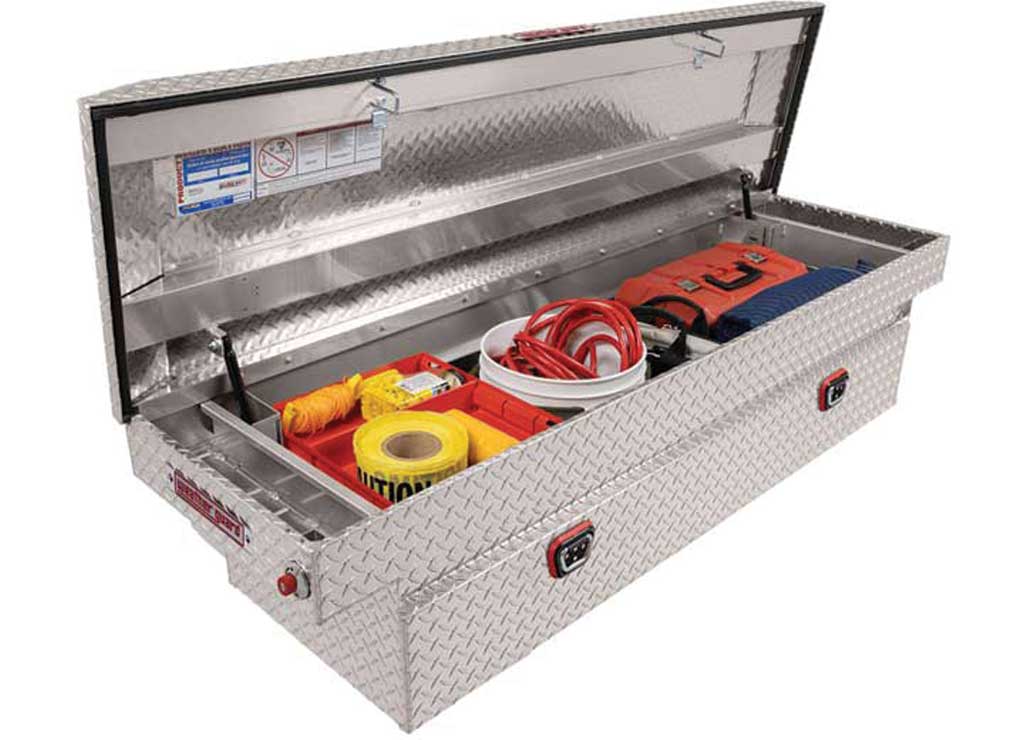
If you're looking to secure tools and equipment within your truck bed, consider robust storage solutions. The Weatherguard 127-0-04 Saddle Box Steel is a premium option for keeping your gear safe and organized. While not a bed liner itself, a good toolbox can reduce the amount of loose items sliding around and potentially damaging your bed. This heavy-duty steel saddle box is priced at $1398.66 and we have 199 in stock, offering top-tier quality and durability.
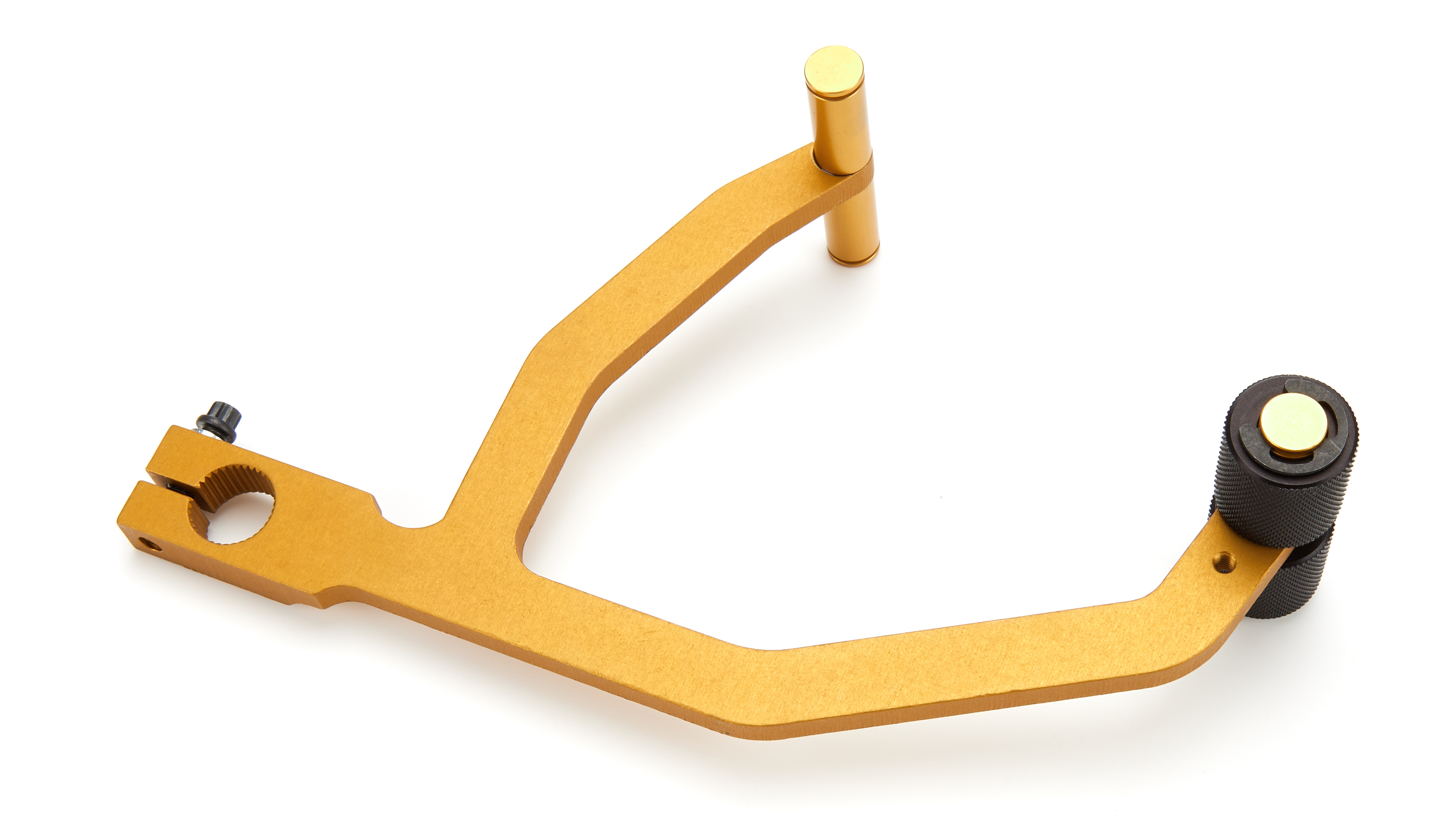
For smaller organizational needs within a toolbox or even just to manage small items in your bed, items like the RKI Dividers for Truck Tool Boxes 30548 can be incredibly useful. These are small, but at $5.59 each, they show how even minor accessories can improve your truck's utility and help prevent damage from shifting items. We currently have 2 of these in stock.
Top picks
Frequently asked questions
Can I install a spray-in bed liner myself?
While DIY spray-in kits exist, professional installation is highly recommended. The process requires extensive prep work, specialized equipment for proper application, and a controlled environment to ensure a durable, even finish. Skipping these steps often leads to a poor-quality liner that won't last.
Do drop-in liners cause rust?
Drop-in liners themselves don't cause rust, but they can contribute to it. The space between the liner and the truck bed can trap moisture, dirt, and debris. This creates a damp environment that can accelerate corrosion, especially if the factory paint is scratched or abraded by the liner rubbing against it.
How long do spray-in bed liners last?
A professionally installed spray-in bed liner can last the lifetime of your truck. They are extremely durable, resistant to fading, cracking, and peeling. Many come with a limited lifetime warranty, reflecting their longevity. They truly become a permanent part of your truck bed.
Can I put a bed mat over a spray-in or drop-in liner?
Yes, you absolutely can. A bed mat, like the Dee Zee Heavyweight Truck Bed Mat, can add an extra layer of impact protection and provide even more grip for your cargo. It's a great way to further protect your bed, especially if you're hauling delicate or heavy items that might still slide.