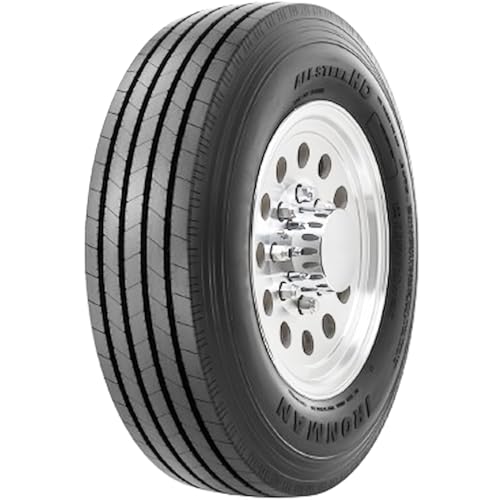
What Size Is a 31 Inch Tire?
A 31 inch tire is most often a 275/70R16, 255/70R17 or 275/65R17, a 275/60R18 on 18 inch wheels, or a 285/50R20 on 20s. In flotation sizing it is written as 31x10.50R15, the classic 31 for 15 inch wheels. All of these work out to roughly 31 inches tall by the standard diameter formula.
31 inch tire sizes by wheel diameter
Real metric tire sizes that measure about 31 inches tall (within roughly a third of an inch), calculated from the size code. Sizes with their own page are linked.
| Wheel | Metric sizes (approx. height) |
|---|---|
| 15 inch | 285/70R15 (30.7 in) |
| 16 inch | 235/80R16 (30.8 in), 275/70R16 (31.2 in) |
| 17 inch | 255/70R17 (31.1 in), 235/75R17 (30.9 in), 275/65R17 (31.1 in) |
| 18 inch | 255/65R18 (31.1 in), 275/60R18 (31.0 in) |
| 19 inch | 255/60R19 (31.0 in), 275/55R19 (30.9 in), 235/65R19 (31.0 in) |
| 20 inch | 255/55R20 (31.0 in), 275/50R20 (30.8 in), 285/50R20 (31.2 in), 305/45R20 (30.8 in), 235/60R20 (31.1 in) |
| 21 inch | 275/45R21 (30.7 in), 285/45R21 (31.1 in), 255/50R21 (31.0 in) |
| 22 inch | 255/45R22 (31.0 in) |
Flotation sizes in stock
Flotation sizes list the height first: 31x10.50R15 means about 31 inches tall.
31x10.50R15 · 31x13.00R16.5 · 31x12.50R15 · 31x13.50R15
Calculated heights; real tires vary slightly by brand and tread depth. Compare any two sizes with the tire size calculator.
Reading 31 Inch Tire Sizes: Metric vs Flotation
Most tires near 31 inches are sold in metric sizes, so the diameter is not printed on the sidewall. A size like 255/70R17 means a section width of 255 millimeters, a sidewall that is 70 percent as tall as the tire is wide, radial construction, and a 17 inch wheel. To get the diameter, multiply width by aspect ratio, double it for the top and bottom sidewalls, convert to inches by dividing by 25.4, and add the rim size. For 255/70R17 that comes to about 31.1 inches.
Flotation sizes skip the math. In 31x10.50R15, the 31 is the overall diameter in inches, 10.50 is the section width in inches, and 15 is the wheel diameter. The 31x10.50R15 has been a go-to size for older trucks and Jeeps on 15 inch wheels for decades.
Why Your 31s May Not Measure 31 Inches
Tire sizes are nominal. Two tires with the same size on the sidewall can differ by a quarter inch or more in real height because each manufacturer uses its own molds, tread depth and construction. Aggressive treads with deep lugs tend to run a little taller, while highway tires often run a little short. Mounted height also changes with wheel width and inflation, and a loaded tire squats under the vehicle weight.
If you need a precise number for a tight wheel well, check the published overall diameter on the specific tire's spec sheet rather than relying on the size code alone.
Fitting 31 Inch Tires on Trucks and SUVs
Thirty-ones are a modest step up for many vehicles. Plenty of midsize pickups and SUVs already ride on tires close to 30 or 31 inches, so a 31 is often a direct fit or very close to one. On smaller crossovers and older compact SUVs, a 31 may rub at full steering lock or over bumps, and a small leveling kit or minor trimming of plastic liners is sometimes needed.
Width matters as much as height. A wider 31x10.50 can contact the upper control arm or frame depending on wheel offset, so match the tire to a wheel with appropriate backspacing. Our off-road wheel guide covers offset basics. Clearance varies by model, year and suspension, so always confirm fitment for your specific vehicle before buying.
Load Range, Daily Driving and Tread Choice
Many 31 inch sizes come in both passenger (P-metric) and light truck (LT) construction. LT tires, usually Load Range C or E, have stiffer sidewalls and higher load capacity for towing and hauling, but they ride firmer and weigh more. A lighter P-metric or standard load tire is often the better choice for a daily driver that rarely carries heavy loads.
Going up in size also shifts your speedometer. Moving from a 29 inch tire to a 31 is about a 7 percent increase, so an indicated 60 mph is closer to 64 mph in reality until the speedometer is recalibrated. Fuel economy typically drops slightly with heavier tires and more aggressive tread.
For tread style, all-terrain tires suit mixed pavement and dirt, mud-terrain tires trade road manners for traction in mud and rock, and rugged-terrain hybrids sit in between. Browse our truck and SUV tires to compare options in your size.