What Size Is a 34 Inch Tire?
A 34 inch tire is usually a 305/75R16, a 285/75R17 or 315/70R17 on 17 inch wheels, a 295/70R18 on 18s, or a 275/65R20 on 20s. Flotation 34s exist in some lines in the 34xWidthR17 or R20 format, but they are less common than flotation 33s and 35s. Each metric size here calculates to within about 0.4 inch of 34.
34 inch tire sizes by wheel diameter
Real metric tire sizes that measure about 34 inches tall (within roughly a third of an inch), calculated from the size code. Sizes with their own page are linked.
| Wheel | Metric sizes (approx. height) |
|---|---|
| 17 inch | 255/85R17 (34.1 in), 285/75R17 (33.8 in), 305/70R17 (33.8 in) |
| 18 inch | 295/70R18 (34.3 in), 285/70R18 (33.7 in) |
| 20 inch | 275/65R20 (34.1 in), 295/60R20 (33.9 in) |
| 22 inch | 285/55R22 (34.3 in), 305/50R22 (34.0 in) |
Flotation sizes in stock
Flotation sizes list the height first: 34x9.50R15 means about 34 inches tall.
34x9.50R15
Calculated heights; real tires vary slightly by brand and tread depth. Compare any two sizes with the tire size calculator.
Reading 34 Inch Tire Sizes
The 34 inch class lives mostly in metric sizes. Take LT285/75R17: LT means light truck construction, 285 is the section width in millimeters, 75 is the aspect ratio, R means radial and 17 is the wheel diameter. The overall diameter is 17 + 2 x (285 x 0.75) / 25.4, about 33.8 inches.
Flotation sizes put the diameter first, so a tire in a 34x10.50R17 style size is about 34 inches tall, 10.5 inches wide, for a 17 inch wheel. Fewer flotation 34s are made, so most buyers shopping this height end up with a metric size.
The 315/70R17 deserves a note. It is often marketed as a 35, but by the formula it measures about 34.4 inches, so it really sits between the 34 and 35 classes.
Why 34s Are Often Labeled 33s or 35s
Tire sizes are nominal, and the 34 inch class is where the labels get blurry. Some sizes that calculate to 34 inches are sold as tall 33s, and some are sold as small 35s. Brand-to-brand differences in mold design, tread depth and construction add more variation, so a tire in this range can measure a little shorter or taller than the formula suggests.
That gray area is actually useful. A 34 can give noticeably more ground clearance and a fuller look than a 33 while staying easier to fit than a true 35. If exact height matters, check each tire's published overall diameter.
What It Takes to Fit 34 Inch Tires
Fitment for 34s typically falls between the requirements for 33s and 35s. On many half-ton trucks, a leveling kit plus some trimming of inner liners or the front bumper valance may be enough, while others need a modest lift. On Jeeps and midsize trucks, a lift in the 2 to 3 inch range is a common starting point, often paired with wheels that have less backspacing so the tire clears suspension parts.
Read our lift and leveling kit guide for an overview of options, and our off-road wheel guide for how offset and backspacing affect clearance. Every vehicle is different, so confirm fitment for your exact year, model and trim.
Load Range, Gearing and Tread Choice
Most 34 inch tires are LT construction in Load Range C, D or E. These are heavier than stock tires, and the added weight and diameter can make acceleration feel softer and reduce fuel economy. Some owners regear when moving to 34s, particularly on vehicles with tall factory gearing or those that tow, but many daily drivers run them on stock gears.
The speedometer will read low. Going from a 31.6 inch stock tire to a 34 is roughly a 7.6 percent change, so an indicated 60 mph is about 64.6 mph actual until recalibrated.
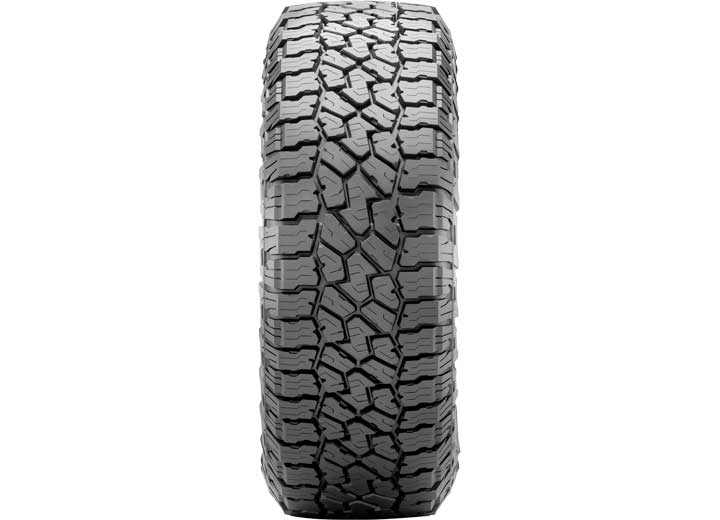
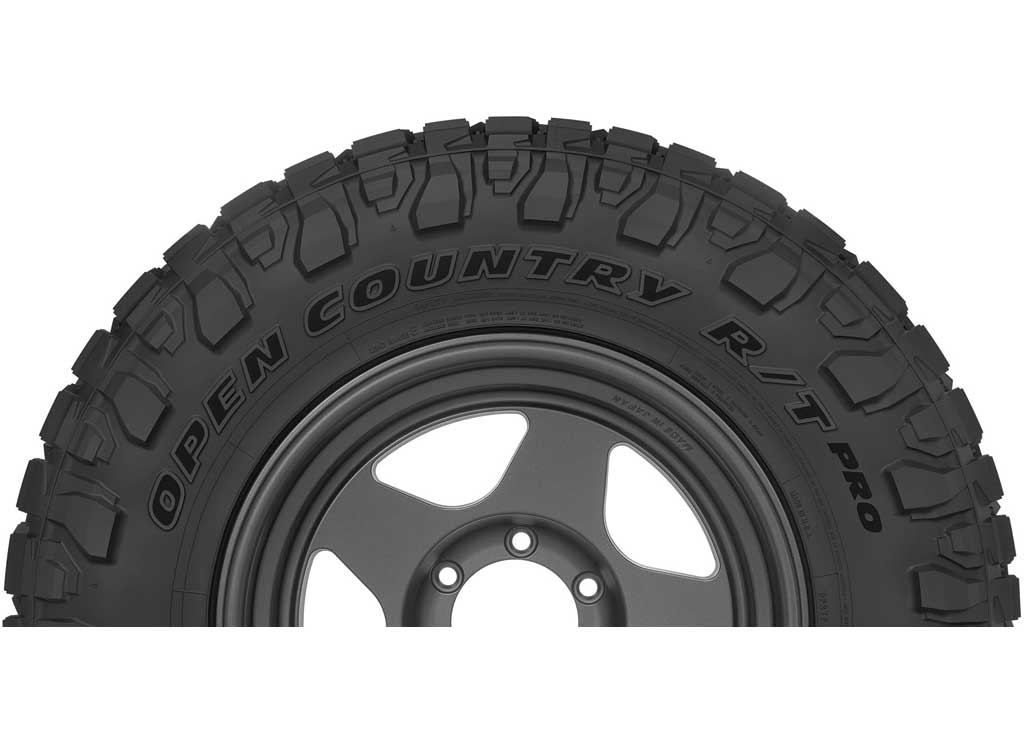
For tread, all-terrain tires work well for mixed use, mud-terrain tires handle mud and rock, and rugged-terrain designs split the difference. Browse our truck and SUV tires to compare options.